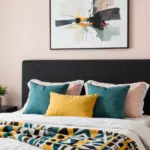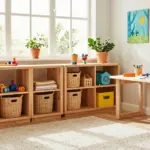
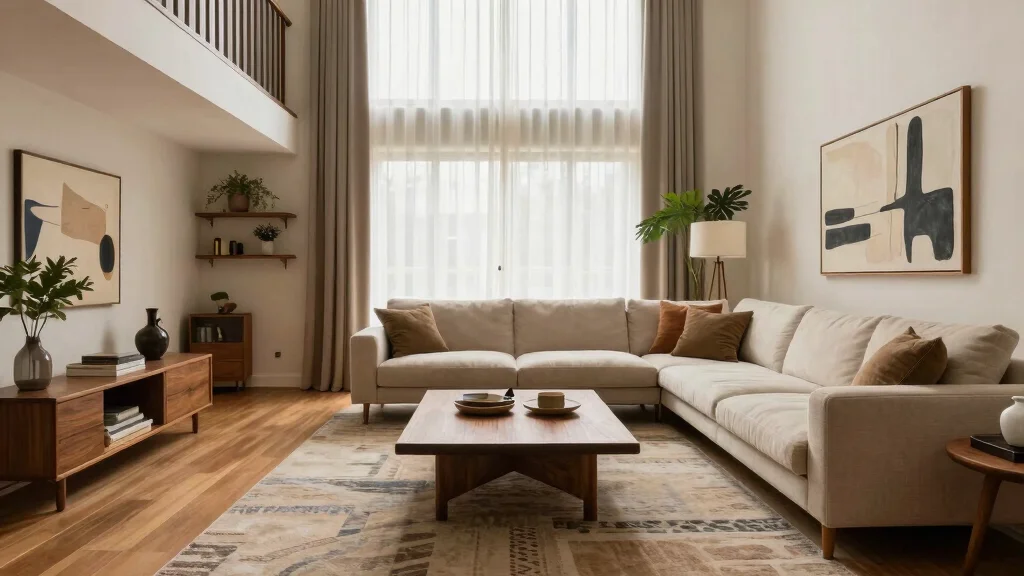
If you’ve ever walked into a split-level home, you’re probably familiar with that unique feeling of space and separation. The design offers a fantastic opportunity to create a living room that flows seamlessly from one area to another, allowing for both style and functionality. I put together this post because I know so many of us crave that harmonious touch in our homes. With the right decor, your split-level living room can be a welcoming haven that beautifully blends various styles and zones.
This guide is for anyone eager to elevate their interior design game, especially those who love mid-century modern aesthetics or want to embrace modern living room decor. If you’re juggling the challenge of creating distinct living spaces while maintaining an open concept layout, you’re in the right place. I’ve gathered 14 inspiring split-level living room ideas that promise to enhance your space with personality, warmth, and a touch of creativity.
Get ready to explore ideas that embrace earthy tones, incorporate natural elements, and showcase statement artworks. Each suggestion is designed to help you achieve that seamless flow you desire in your home. Whether you need practical tips on color blocking or advice on smart technology integration, this post will equip you with everything you need to refresh your split-level living room.
Key Takeaways
– Discover 14 split level living room ideas that enhance flow and functionality while accentuating style.
– Learn how to embrace earthy tones for a warm and inviting atmosphere.
– Explore ways to create distinct zones that maintain openness while offering personalized spaces.
– Find out effective tips for layering textures to add depth and interest to your decor.
– Get inspired by innovative furniture arrangements and decor that blend vintage and modern styles.
1. Embrace Earthy Tones
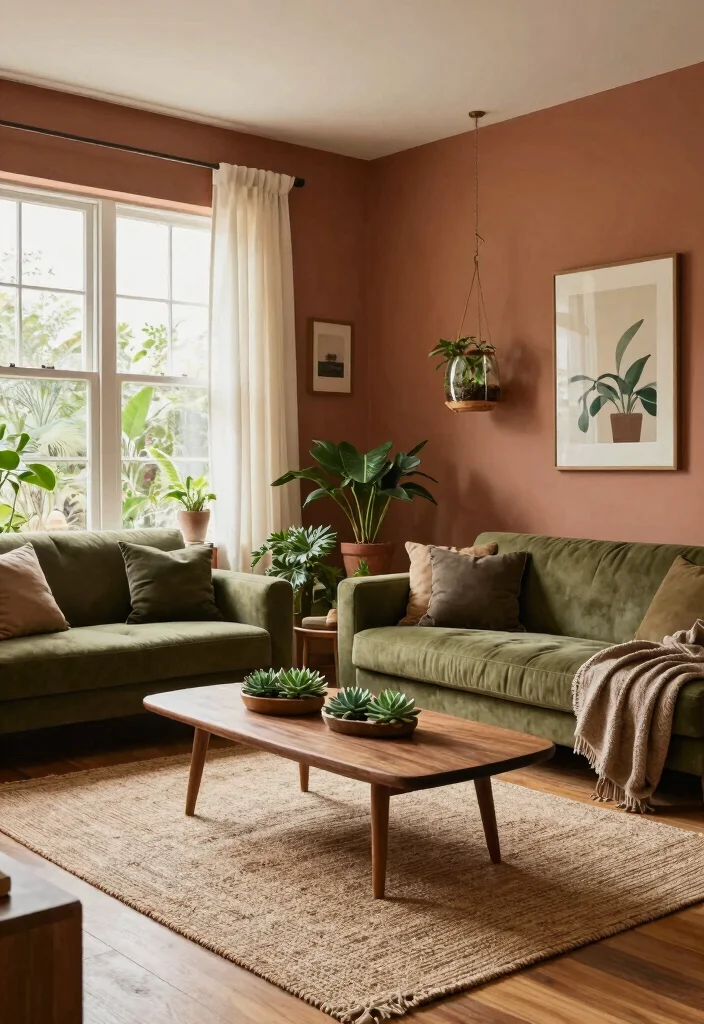
Incorporating earthy tones into your split-level living room creates a serene and grounding atmosphere. Shades like terracotta, olive green, and sandy beige not only enhance aesthetics but also evoke a sense of relaxation and warmth. These colors blend seamlessly with natural materials, allowing different areas of your space to harmonize effortlessly. Think of pairing soft beige walls with textured jute rugs or rustic wooden furniture for a cozy vibe that invites you in.
To make the most of this palette, consider adding plants that complement your earthy tones. This not only adds a pop of color but also improves air quality, making your living room feel fresh and vibrant.
Consider these tips for implementing earthy tones effectively:
– Pair terracotta accents with deep green cushions to enrich the palette.
– Incorporate natural wood furniture to maintain an organic feel.
– Use plants like succulents to add life and texture to your decor.
These design choices enhance visual appeal while creating a welcoming environment. The combination of textures and colors enriches the overall aesthetic, making your living room a true retreat.
2. Create Distinct Zones
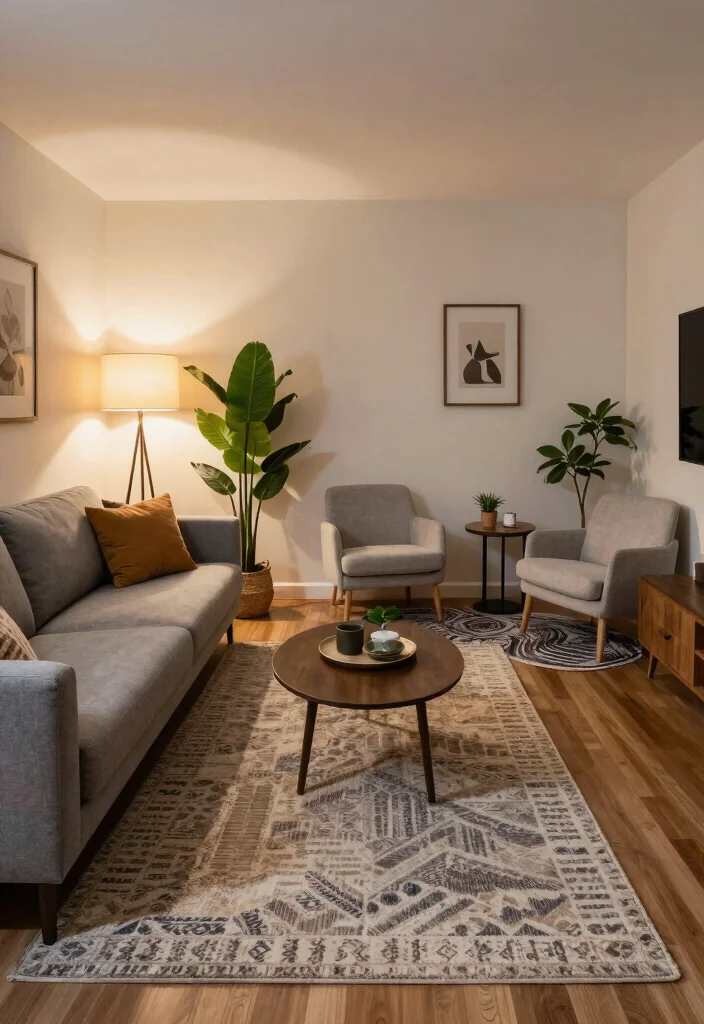
A split-level design offers a fantastic opportunity to define distinct areas within your living space. You can easily create zones for lounging, reading, or entertaining by strategically arranging furniture and using area rugs. For example, place a plush sofa in one section to mark your relaxation area, while a couple of accent chairs and a coffee table can form a cozy nook for conversations. Soft lighting options, like floor lamps or fairy lights, can further delineate these spaces without closing them off.
To maximize these zones, consider using different textures or colors for rugs and furniture pieces to highlight each area. Additionally, movable furniture adds flexibility, allowing you to adapt your space for gatherings or quiet evenings.
Here are some ideas for creating distinct zones:
– Use area rugs to define different functional spaces.
– Arrange seating to encourage conversation and connection.
– Incorporate soft lighting to enhance each zone’s atmosphere.
This approach not only optimizes your living space but also contributes to a warm, inviting ambiance. By thoughtfully separating areas, you can enjoy both functionality and comfort in your home.
3. Layer Textures
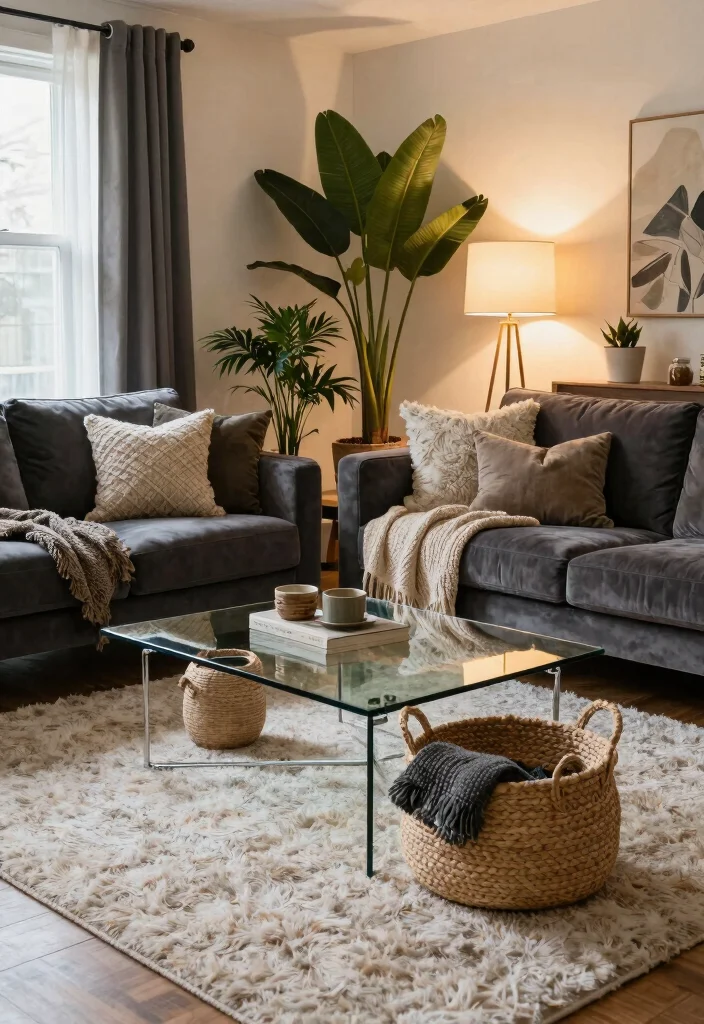
Layering textures is a brilliant way to introduce depth and personality into your split-level living room. By mixing materials such as plush velvet cushions, chunky knit throws, and woven baskets, you create a tactile experience that invites touch. These contrasting textures foster a cozy atmosphere while maintaining visual interest. For an added dynamic, consider combining shiny metals with matte finishes to strike a balance that is visually appealing.
To successfully layer textures, ensure you maintain a consistent color palette that ties everything together. Also, incorporating varying heights—like tall plants alongside low furniture—can enhance the room’s dimensionality.
Try these tips for layering textures effectively:
– Use velvet cushions on a linen sofa for a rich contrast.
– Incorporate woven baskets for both organization and texture.
– Choose a chunky knit throw for added warmth and coziness.
This layering technique enriches your living space, making it feel inviting and unique. The interplay of different materials enhances the overall design, creating a welcoming and stylish environment.
Layer Textures
Editor’s Choice




4. Use Open Shelving
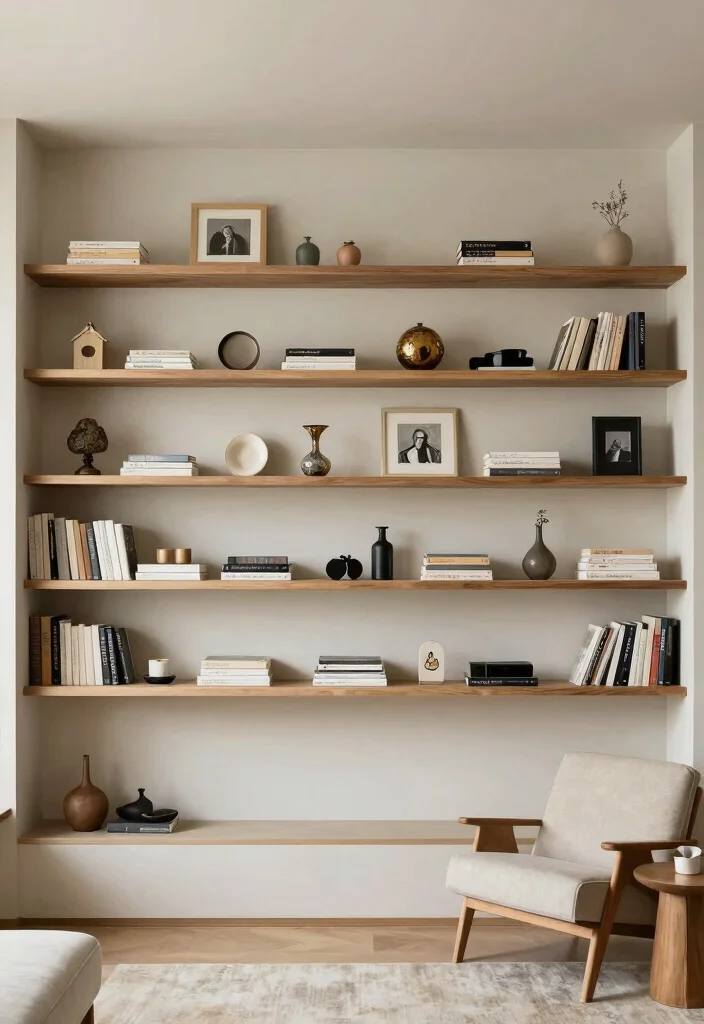
Open shelving can be a stylish and functional addition to your split-level living room, transforming how you display decorations. It provides a platform to showcase beloved items while maintaining an airy feel in your space. By installing shelves at varying heights, you create a visual journey that invites the eye to explore your decor. This method allows light to filter through, preserving the seamless flow characteristic of split-level designs.
To achieve a curated look, arrange items by color or theme. Additionally, decorative boxes or baskets can help with storage, keeping the shelves tidy while minimizing visual clutter.
Consider these strategies for incorporating open shelving:
– Arrange books and decor by color for a cohesive look.
– Use decorative boxes to store items stylishly.
– Install floating shelves to maximize floor space.
This approach not only enhances your living space’s style but also showcases your personality. The open shelving invites interaction and creates a sense of openness that enriches the overall design.
Use Open Shelving
Editor’s Choice


5. Bold Lighting Choices
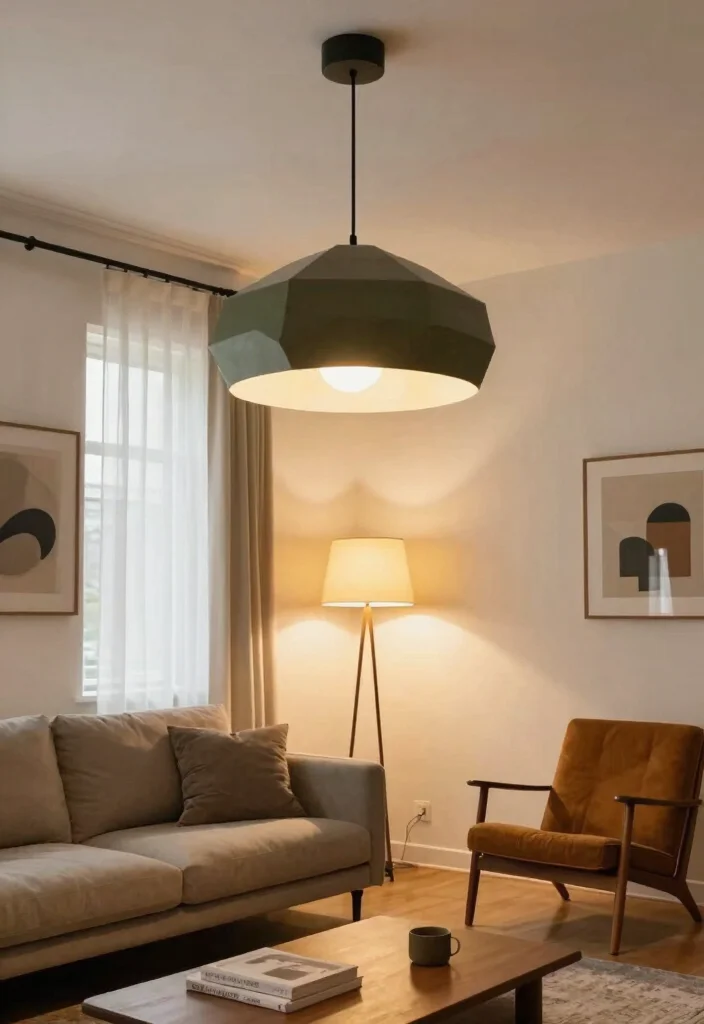
Lighting is essential in shaping the atmosphere of your split-level living room, and bold fixtures can become standout elements in your design. Unique light fixtures serve as statement pieces while providing essential illumination. Think about incorporating swinging pendants or oversized floor lamps that complement your decor style. Layering lighting with recessed fixtures can also accentuate specific areas, creating a dynamic ambiance.
For a balanced look, mix various types of lighting—ambient, task, and accent. Consider adding dimmer switches to easily adjust the mood from bright and lively to soft and relaxing.
Explore these lighting ideas:
– Choose oversized pendants for a dramatic effect.
– Use floor lamps to create cozy reading corners.
– Incorporate dimmer switches for mood control.
These lighting choices not only enhance functionality but also contribute to a warm, inviting atmosphere. The combination of unique fixtures and strategic lighting can elevate the aesthetic of your living space.
6. Statement Artwork
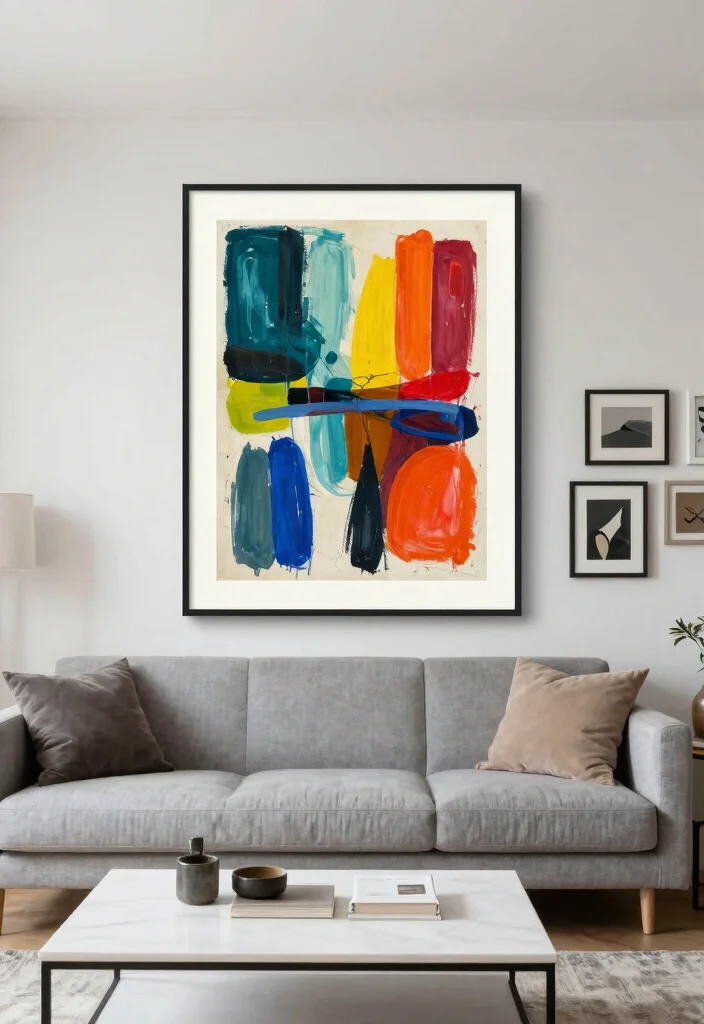
Integrating statement artwork into your split-level living room can elevate the visual experience significantly. Large canvas prints or sculptural pieces can serve as focal points, drawing attention and creating intrigue. Choose artwork that resonates with your personal style, whether it’s abstract, nature-inspired, or featuring vibrant colors. Placing pieces at eye level on the walls enhances their engagement, making them more impactful.
For added interest, group smaller artworks into a gallery wall. Selecting pieces that reflect your color palette can create a cohesive look throughout the space.
Consider these tips for incorporating statement artwork:
– Group smaller pieces for a dynamic gallery wall.
– Choose art that complements your existing color scheme.
– Use neutral furniture to let your artwork shine.
This approach transforms your living room into a personalized gallery, adding character and charm. The right artwork brings depth and emotion, making the space feel uniquely yours.
Statement Artwork
Editor’s Choice


7. Incorporate Natural Elements
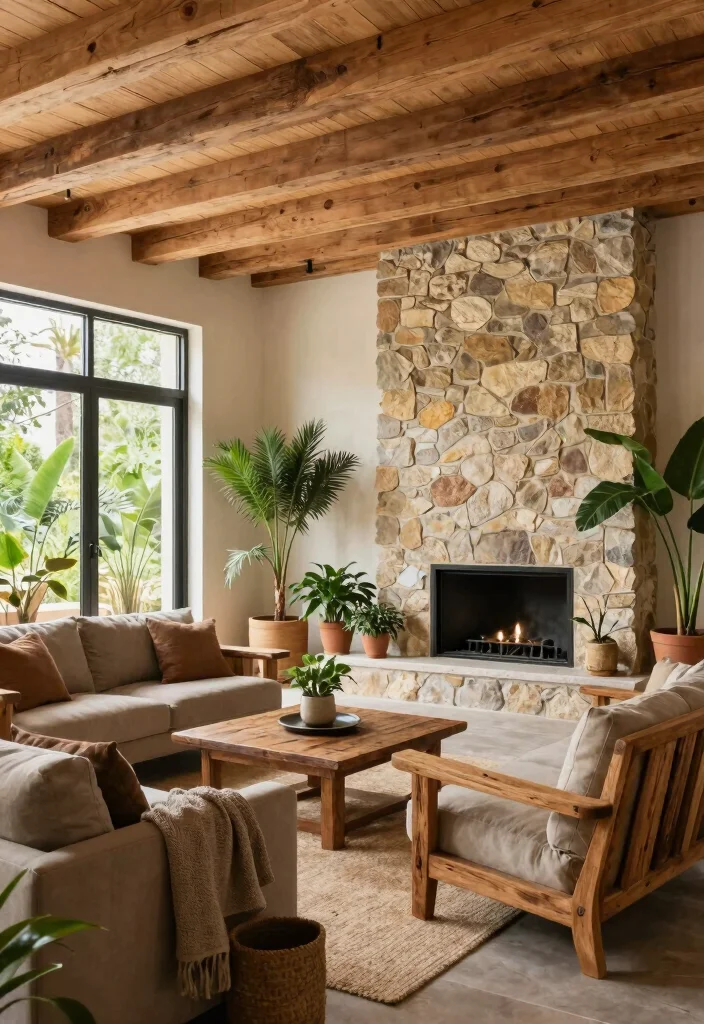
Bringing natural elements into your living room fosters a serene and calming environment. Materials like wood, stone, and greenery connect your space to nature, creating a relaxing retreat. Consider adding wooden beams, stone accents, or a living plant wall that enhances the flow of your split-level design. These elements serve as visual anchors, grounding your space and adding warmth.
To mimic nature’s beauty, use organic shapes in furniture or decor. A small water feature, such as a fountain, can introduce soothing sounds and enhance the natural vibe.
Explore these ideas for incorporating natural elements:
– Use reclaimed wood furniture for an eco-friendly touch.
– Incorporate tall plants to bring life and freshness.
– Add stone accents to create texture and interest.
This approach not only beautifies your living space but also promotes tranquility. The integration of natural textures and materials enhances the overall aesthetic, making your home feel inviting and peaceful.
Fun fact: In split level living room ideas, adding natural elements like wood, stone, and a living plant wall can boost warmth and calm—visitors notice the change quickly. Start with wooden beams and organic-shaped decor for an instant, grounded feel.
Incorporate Natural Elements
Editor’s Choice


How To Choose The Right Split Level Living Room Design
Choosing the right design for your split level living room can greatly enhance both its functionality and aesthetic appeal. Here are some essential criteria to keep in mind:
1. Consider the Space Layout
Evaluate the layout of your split level home design. Since these spaces often have different levels, you need to see how each area flows into the next. Look for ways to maintain an open concept layout while creating distinct zones for various activities, like relaxing, entertaining, or working. This helps in ensuring a cohesive look and feel throughout the room.
2. Think About Color Schemes
Your choice of colors can dramatically alter the mood of your living room. For a modern living room decor style, consider using earthy tones or bold colors to create a focal point. You can blend shades that complement each other, which not only enhances the design but also creates a seamless flow between different areas. Remember, lighter colors can make spaces feel larger, while darker shades add depth.
3. Evaluate Furniture Styles and Flexibility
Select furniture that suits your lifestyle and can adapt to the various levels of your split level living room. Look for flexible furniture arrangements that allow you to change the layout as needed. For instance, modular sofas and movable tables can provide versatility. This way, you can easily reconfigure the space for gatherings or quiet evenings.
4. Incorporate Lighting Wisely
Lighting plays a crucial role in enhancing the atmosphere of your living room. Use a mix of ambient, task, and accent lighting to create layers of light. Consider using bold lighting choices, like oversized pendant lamps or sconces, to add character. Natural light should also be maximized, so keep windows unobstructed to let in as much sunlight as possible during the day.
5. Focus on Textures and Materials
Layering textures can add depth and interest to your split level living room. Combine materials like wood, metal, and fabrics to create a welcoming and warm environment. For instance, a plush area rug can contrast beautifully with hardwood floors, while throw pillows and blankets can introduce softness. Mixing vintage and modern styles with these materials can produce an eclectic yet harmonious look.
6. Personalize with Decor and Accessories
Personalized decor is key to making your living room truly feel like home. Incorporate statement artwork or family photos to reflect your personality. Use open shelving to display books, plants, or collectibles that tell your story. This not only adds visual interest but also connects various elements of your space, creating a sense of unity.
Pro Tip: When designing your split level living room, always consider the flow from one zone to another. Use rugs to define spaces and create visual boundaries while ensuring that each area connects naturally to the next. This approach enhances the overall look and functionality of your living area, making it a cohesive and inviting space for you and your guests.
8. Flexible Furniture Arrangements
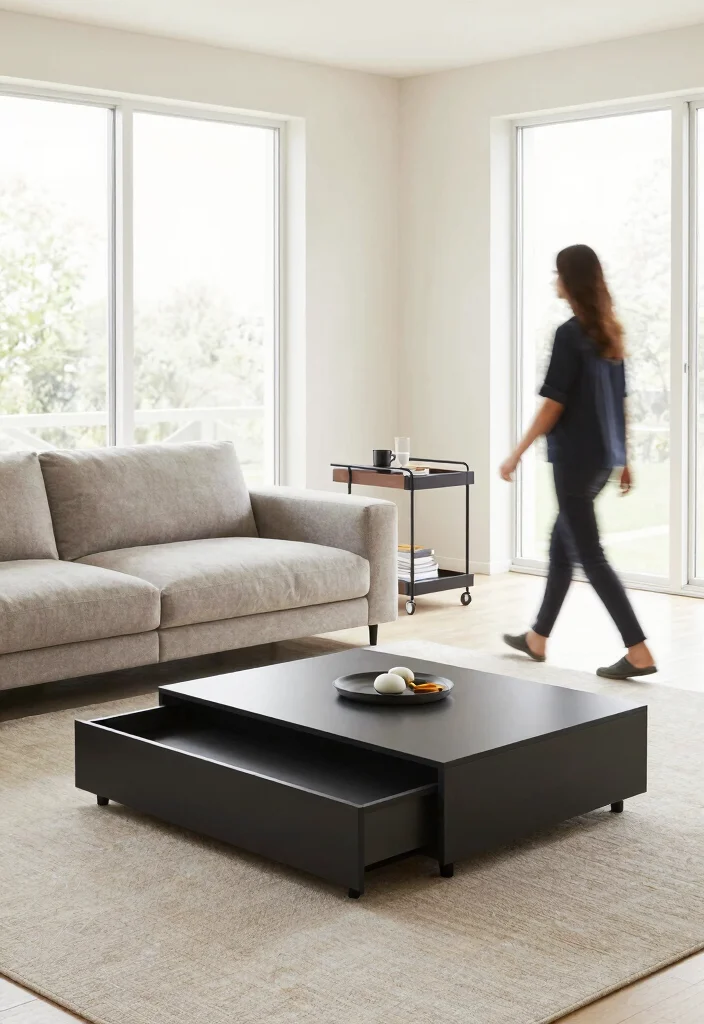
Flexibility in furniture arrangements is crucial for maximizing the potential of your split-level living room. Lightweight or modular pieces allow you to easily reconfigure your space, making it adaptable for hosting or daily comfort. Experimenting with different layouts helps identify what best suits your needs and style. Additionally, consider multipurpose furniture, such as a coffee table that doubles as storage, to keep your environment clean and functional.
Maintaining clear pathways is essential for an open flow. A rolling cart can serve as a mobile bar or additional storage, enhancing the versatility of your space.
Here are some ideas for flexible furniture arrangements:
– Use modular sofas that can be reconfigured as needed.
– Keep pathways clear for easy movement.
– Incorporate a rolling cart for extra functionality.
This adaptability enriches your living experience by making it easier to host gatherings or enjoy quiet evenings. Thoughtfully chosen furniture can enhance both comfort and style in your home.
Flexible layouts are a game changer for split level living room ideas. Modular pieces let you reconfigure in minutes, while multipurpose furniture—like a coffee table with storage—keeps pathways clear and daily life effortless.
9. Blend Vintage and Modern Styles
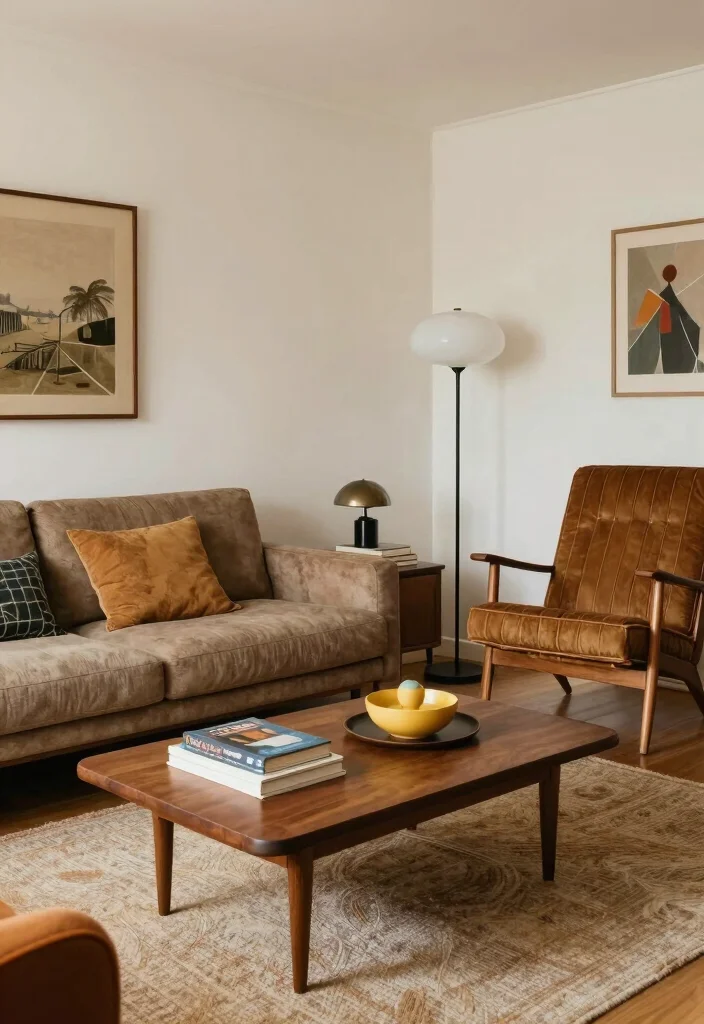
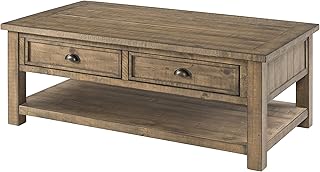
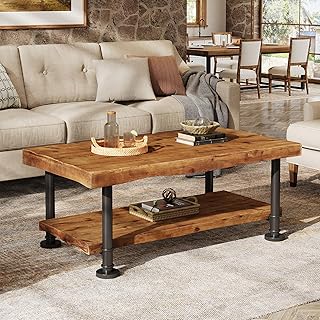
A beautifully designed split-level living room can showcase a harmonious blend of vintage and modern styles. Mixing different eras creates a sense of history and character, providing an outlet for personal expression. For example, consider pairing a vintage coffee table with contemporary sofas or retro accent chairs alongside modern lighting fixtures. This eclectic approach can infuse your space with a fun and fresh vibe.
To ensure coherence, maintain a consistent color palette that harmonizes the various styles. Using a single design element, like a common material or color, can help link different pieces together.
Try these strategies for blending styles:
– Mix vintage and modern furniture for an eclectic vibe.
– Use a unified color scheme to create harmony.
– Choose a common material to link different elements.
This approach adds layers of interest and personality to your living room. The combination of vintage charm and modern flair makes for a unique and inviting atmosphere.
10. Utilize Color Blocking
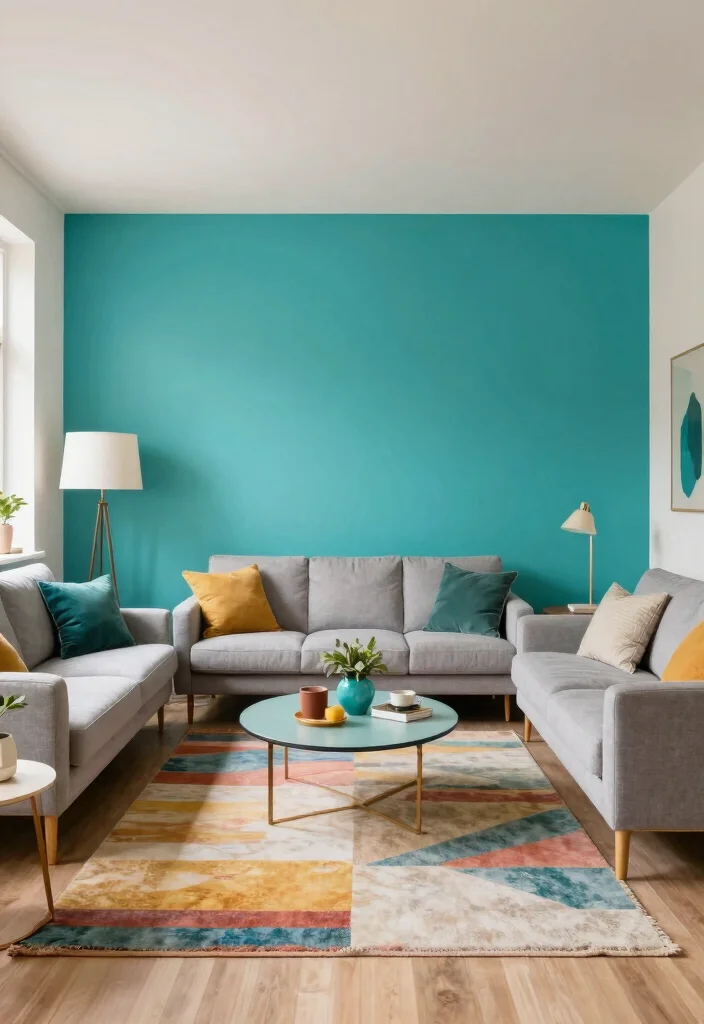
Color blocking is a bold technique that can make your split-level living room truly stand out. This method involves using blocks of color to visually separate areas without physical barriers. Choose complementary colors that create dynamic contrasts, energizing the room while enhancing its overall flow. For instance, painting one wall a vibrant hue while keeping others neutral adds depth and personality to your space.
To ensure the colors work well together, use swatches to test how shades look in your environment. Incorporating furniture or decorative items that echo the color blocks can help create a cohesive design.
Consider these tips for utilizing color blocking:
– Test color swatches to find the perfect combinations.
– Use decor items that match your color blocks for cohesion.
– Choose statement pieces that embrace your color scheme.
This technique not only adds visual interest but also showcases your unique style. The interplay of colors can invigorate your living space, making it feel lively and inviting.
Utilize Color Blocking
Editor’s Choice


11. Functional Built-ins
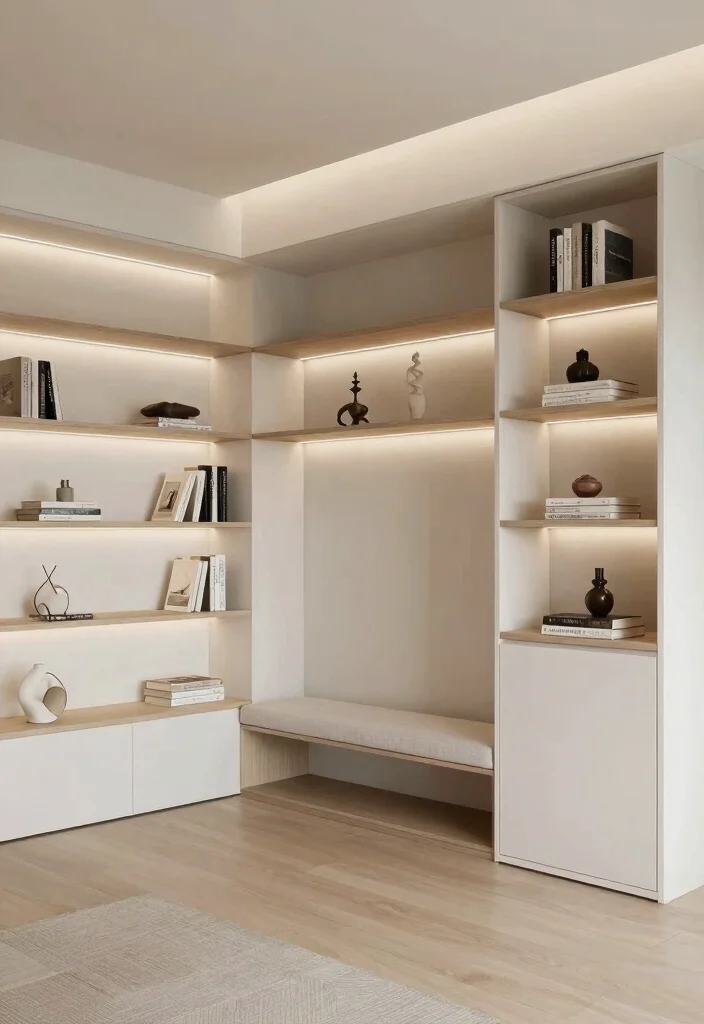
Built-ins are a fantastic way to maximize space efficiency in your split-level living room. They provide both functional storage and visual appeal without occupying too much floor area. Consider incorporating built-in shelving, seating, or entertainment units that help organize decor, books, or electronics without cluttering your space. This strategy enhances the seamless flow of your split-level design while offering essential storage options.
To maximize efficiency, tailor the built-ins to meet your specific needs. Incorporating lighting within the built-ins can highlight your favorite pieces and create a warm ambiance.
Explore these functional built-in ideas:
– Design built-in shelves to showcase your favorite decor.
– Include seating for additional comfort and style.
– Integrate lighting to elevate your decor’s visibility.
This approach not only optimizes your living space but also adds style and character. Built-ins can enhance both the functionality and beauty of your home.
Fun fact: built-ins in split level living room ideas can add up to 20% more usable storage without stealing floor space. Cozy seating and shelving nestled into your walls keep electronics and books organized, so your flow stays seamless.
12. Innovative Flooring
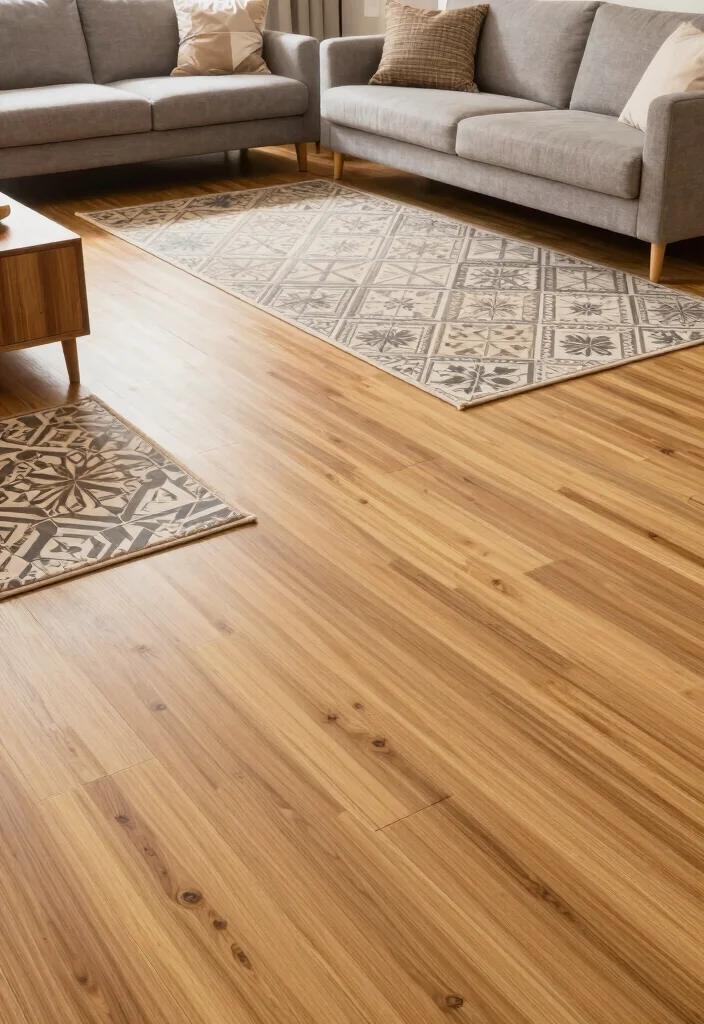
Innovative flooring options can significantly enhance the charm of your split-level living room. Consider materials like bamboo, rubber, or patterned tiles that offer durability while adding style. Different flooring types in each area can signify distinct zones, all while maintaining visual harmony through coordinated colors. This creative approach brings excitement and uniqueness to your split-level design while ensuring the space remains functional.
To complement your overall design, choose flooring that resonates with your chosen aesthetic. Area rugs can also be used to blend different flooring types seamlessly, enhancing cohesion.
Consider these flooring strategies:
– Use patterned tiles to add visual interest to the floor.
– Choose durable materials that suit your lifestyle.
– Layer rugs to unify different flooring types.
These flooring choices not only elevate the aesthetic of your living space but also enhance its functionality. Innovative materials and designs can transform your living room into a stylish haven.
13. Smart Technology Integration
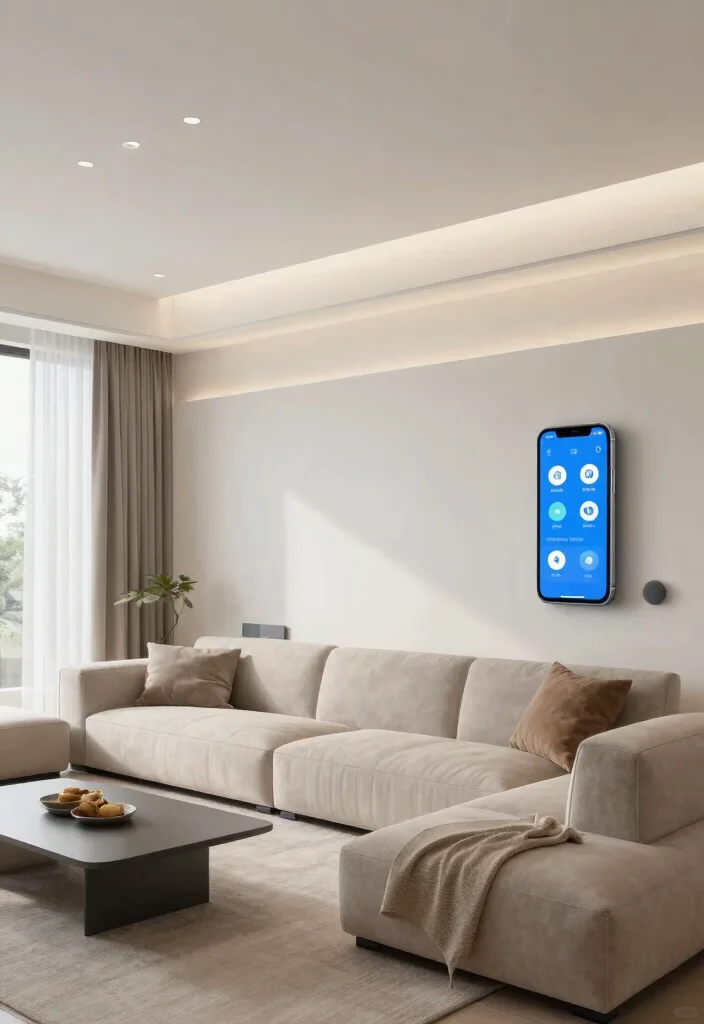
Integrating smart technology into your split-level living room can enhance both convenience and style. Think about using smart lighting, speakers, or home automation systems to create a cozy yet advanced living environment. Seamless technology integration can streamline your daily life while preserving the visual appeal of your mid-century modern decor. Choose tech that complements your design rather than detracting from it.
Opt for sleek designs that align with your decor style for a cohesive look. Hidden speakers or smart blinds can help minimize visual clutter while providing modern conveniences.
Explore these smart technology ideas:
– Use smart lighting systems for customizable ambiance.
– Integrate hidden speakers for clean aesthetics.
– Choose smart blinds that blend with your decor.
This integration not only enhances functionality but also adds a modern touch to your living space. The thoughtful incorporation of technology can create a seamless, stylish home environment.
14. Personalized Decor
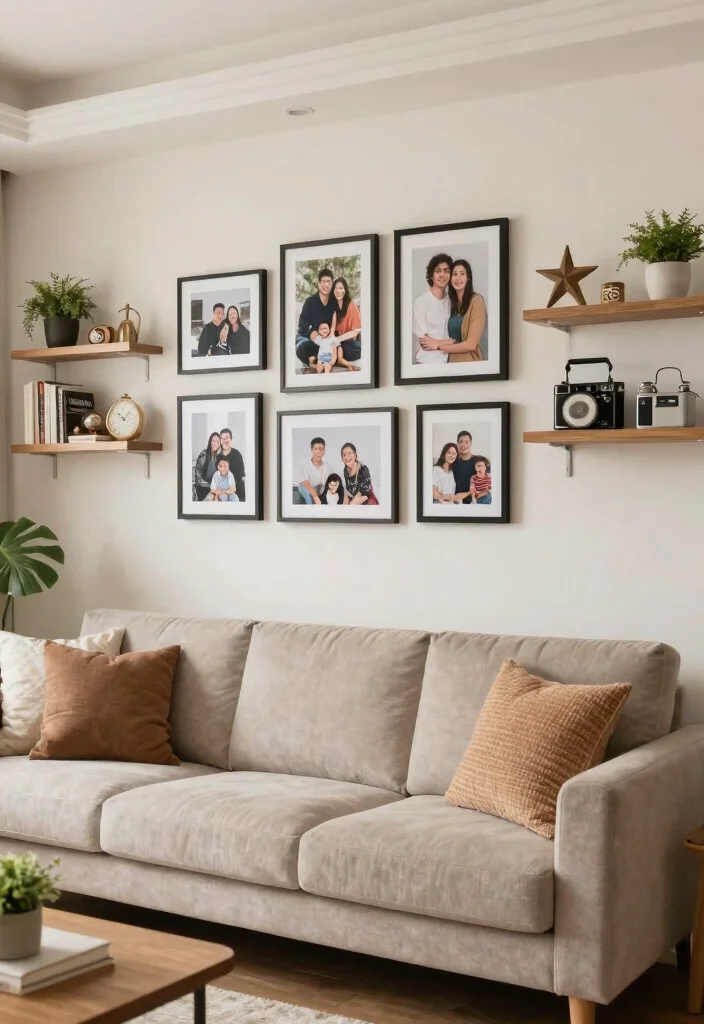
Incorporating personalized decor is the perfect finishing touch to make your split-level living room uniquely yours. Infuse your space with family photos, travel souvenirs, or DIY art to enhance its personality and emotional connection. This not only enriches the aesthetic but also makes your home feel more inviting and lived-in. Distributing these personal touches throughout the room ensures they align with your overall design scheme.
For a cohesive look, use consistent framing for personal photos. A curated display of items can tell a story, making the space feel warm and welcoming.
Consider these personalized decor strategies:
– Use matching frames for family photos to create unity.
– Curate a display of personal items that resonate with you.
– Opt for floating shelves to showcase decor without occupying floor space.
This approach not only enhances the visual appeal of your living room but also reflects your unique style and story. Personal touches can transform your space into a true reflection of who you are.
Conclusion
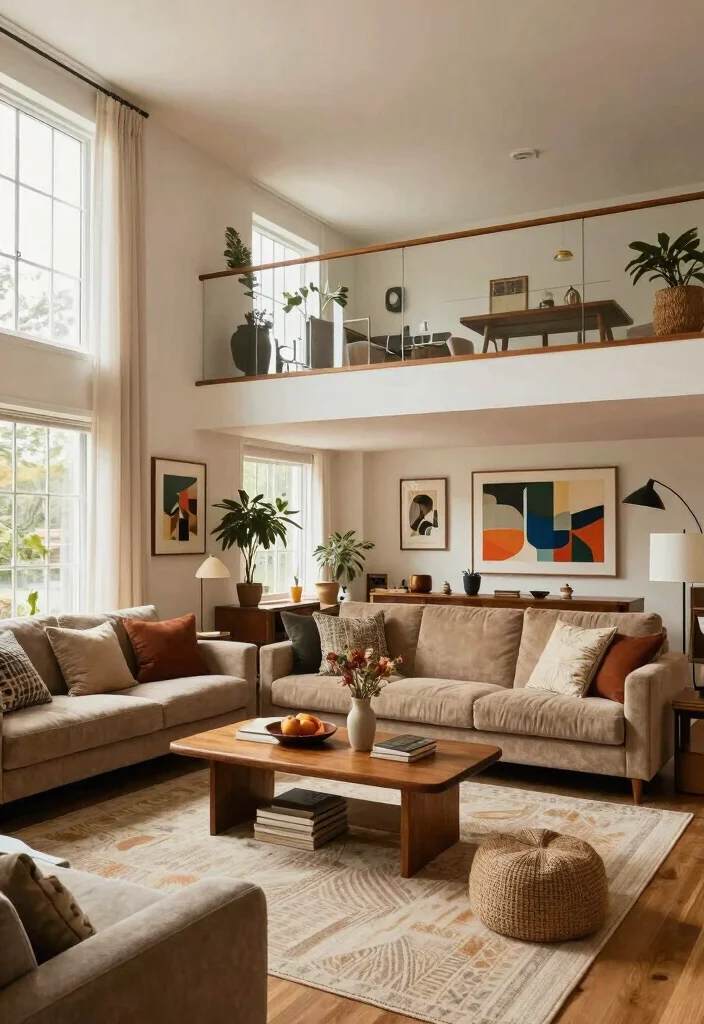
Transforming your split level living room into a seamless and stylish space is all about creativity and personalization.
Whether you lean toward earthy tones or bold contrasts, every detail counts in making a cohesive design that resonates with your lifestyle.
Explore these ideas, mix and match, and let your imagination guide you. Your perfect living area awaits!
Note: We aim to provide accurate product links, but some may occasionally expire or become unavailable. If this happens, please search directly on Amazon for the product or a suitable alternative.
This post contains Amazon affiliate links, meaning we may earn a small commission if you purchase through our links, at no extra cost to you.
Frequently Asked Questions
What are the best strategies for creating a seamless flow in a split level living room?
Start by mapping zones on each level and choosing a single material palette to visually connect spaces.
Use an open concept layout cue: the same flooring, a continuous rug, and furniture edges that line up across steps.
Incorporate mid-century modern silhouettes—low-profile sofas, teak accents, and slim legs—to realize split level living room ideas that feel cohesive.
Consider light, glass, or low half-walls around stairs to preserve sightlines without sacrificing safety.
Practical tips: plan traffic paths, keep scale in check, and place a bold focal point on the primary level to anchor the flow.
How can a mid-century modern split level living room maintain open concept aesthetics without losing coziness?
To keep coziness, balance minimalism with texture and warmth. Start with a neutral base, warm woods, and layered textures like textiles, rugs, and throws.
Define zones with furniture layouts that invite conversation without creating visual barriers. Use open concept layout cues while a low credenza or glass-front cabinet helps create intimacy.
Choose modern living room decor elements in mid-century shapes—rounded edges, tapered legs, and clean lines—so the space feels cohesive across levels.
Let lighting set the mood with a mix of ambient, task, and accent lights.
Which color palettes and decor elements work best for a split level home design with modern living room decor?
Go with a timeless palette that ties levels together: warm wood tones, soft whites or greys, and bold accents used consistently across spaces.
Incorporate split level home design through furniture with mid-century lines, metal accents, and glass to keep sightlines open.
Layer geometric patterns, sunburst mirrors, and modular storage to reinforce modern living room decor without clutter.
Choose tactile textiles such as bouclé, cottons, and linens to add warmth and keep the space inviting.
What furniture layouts maximize space and create a cohesive transition between levels in a split level living room?
Try a sectional oriented toward a main focal point on the primary level, with a low-profile coffee table and slim seating that don’t block sightlines.
Use multi-functional pieces like storage ottomans and slim consoles to maintain openness.
Position rugs to visually connect seating areas across stairs and floors, guiding movement and defining zones without heavy barriers.
Consider a floating credenza or a glass railing to keep the transition airy while still anchoring the design.
What practical interior design tips help improve daylight and focal points in a split level living room?
Maximize daylight with sheer window treatments, light-reflecting surfaces, and strategic mirror placement.
Layer lighting: ambient, task, and accent lights to highlight a focal point like a fireplace, art, or view on the main level.
Use reflective metals and glass to bounce light between levels and keep the space feeling open.
Choose a cohesive focal element across levels to maintain seamless flow ideas and a unified aesthetic.