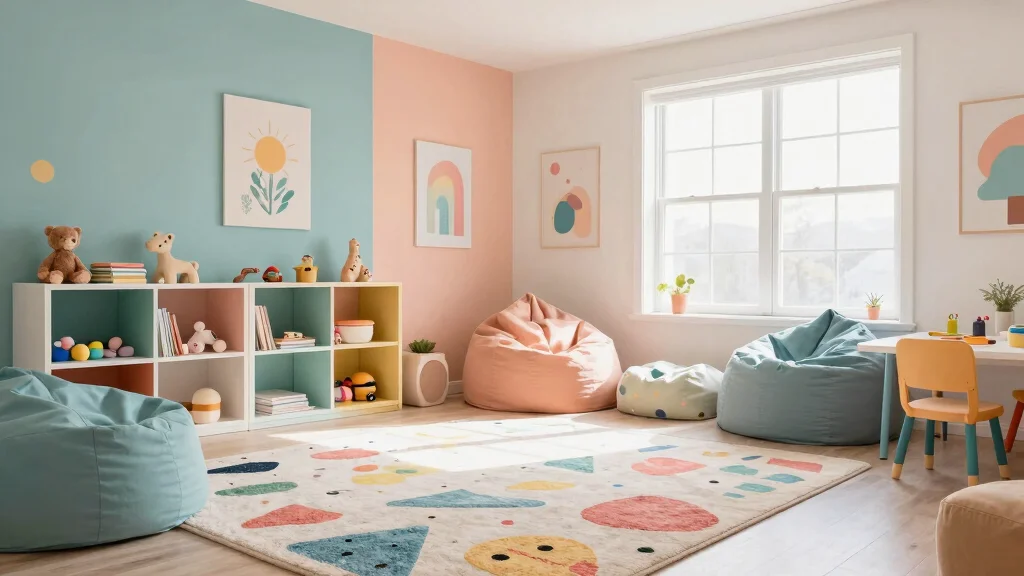
Creating a vibrant playroom is a joyful endeavor that invites imagination and creativity into your home. If you’ve been searching for ways to design a play space that feels cheerful yet calm, you’re in the right place. This post is packed with tips and ideas that help you achieve just that. I wanted to share a collection of colorful playroom ideas that will inspire you to create a space where your children can thrive, play, and express themselves without feeling overwhelmed.
This guide is crafted for parents, caregivers, and anyone interested in enhancing a child’s environment. If you want to create a playful atmosphere that is bright but not jarring, this post is just for you. You’ll discover 14 unique and mindful design elements that balance color and tranquility. Each idea will help you envision a playroom that feels inviting, fun, and perfectly suited for your little ones.
From soft pastel hues to cozy reading nooks, these ideas will make your playroom a haven of joy. You’ll find that creating delightful yet serene colorful interiors is not only possible but also achievable. Let’s dive in and transform the ordinary into the extraordinary, one thoughtful detail at a time.
Key Takeaways
– Soft Pastel Hues: Using gentle colors can create a soothing backdrop, encouraging relaxation while still being playful.
– Playful Patterns: Incorporate fun designs on rugs, curtains, or wall decals to add charm without overwhelming the senses.
– Natural Elements: Integrate wood and plants for a refreshing and grounded feel that connects kids with nature.
– Cozy Reading Nooks: Create inviting spaces for quiet time, combining comfortable seating with colorful cushions and soft blankets.
– Interactive Wall Features: Add chalkboards, pegboards, or magnetic surfaces to engage kids in creative play, fostering exploration and learning.
1. Soft Pastel Hues
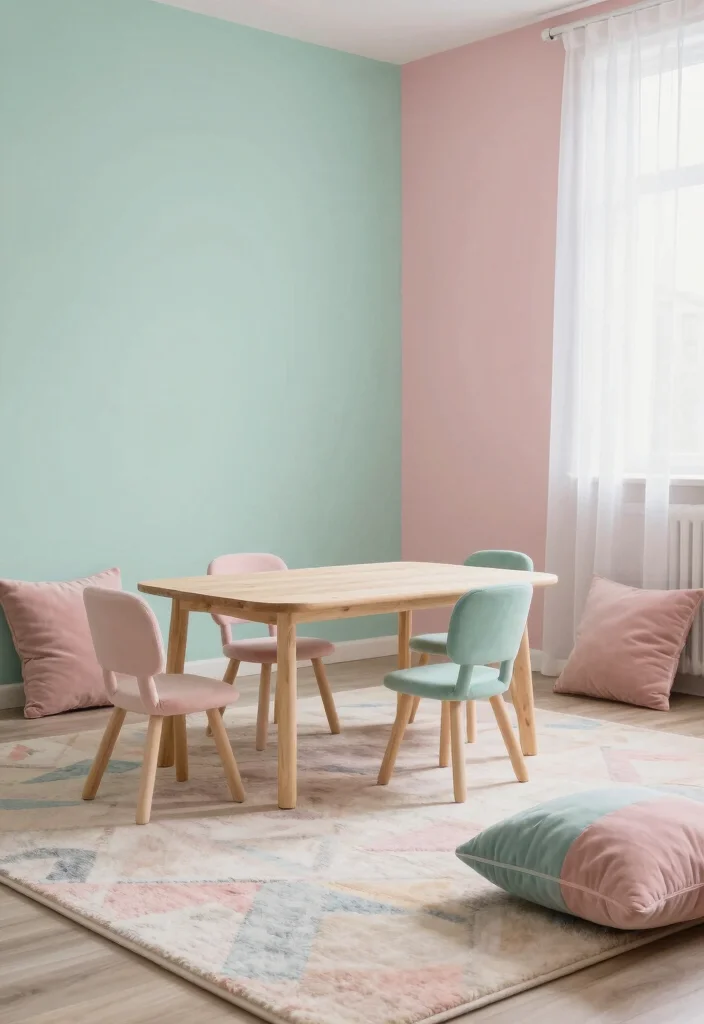
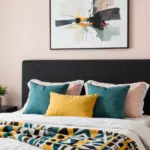
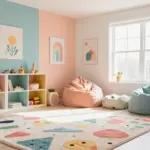
Soft pastel hues create a serene atmosphere that is both inviting and playful. Colors like mint green, blush pink, and buttery yellow bring a gentle cheerfulness to the space while maintaining calmness. These shades harmonize beautifully with natural wood elements and white furniture, resulting in a balanced and soothing environment that can adapt as your child grows.
To implement this palette effectively, consider painting the walls in a soft pastel and using vibrant toys and decor as playful accents. Look for budget-friendly pastel furniture or DIY storage solutions that embrace these colors, ensuring a cohesive look without breaking the bank.
Consider these elements to maximize this palette’s potential:
– Pair pastel walls with white furniture for a clean look.
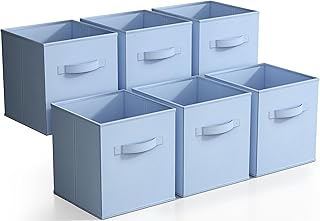
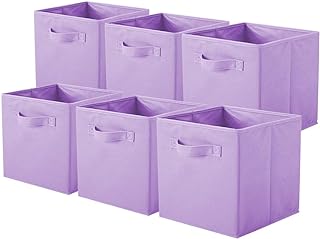
– Use colorful storage bins to add vibrancy.
– Incorporate soft textiles like cushions in pastel shades.
This approach not only elevates the aesthetic but also adds layers of comfort and warmth that enhance the playroom experience.
Fun fact: soft pastel hues can calm a room by up to 40% while keeping playfulness intact. Mint green, blush pink, and buttery yellow boost mood without overpowering senses—perfect for mindful colorful playroom ideas that grow with your child.
Soft Pastel Hues
Editor’s Choice




2. Playful Patterns
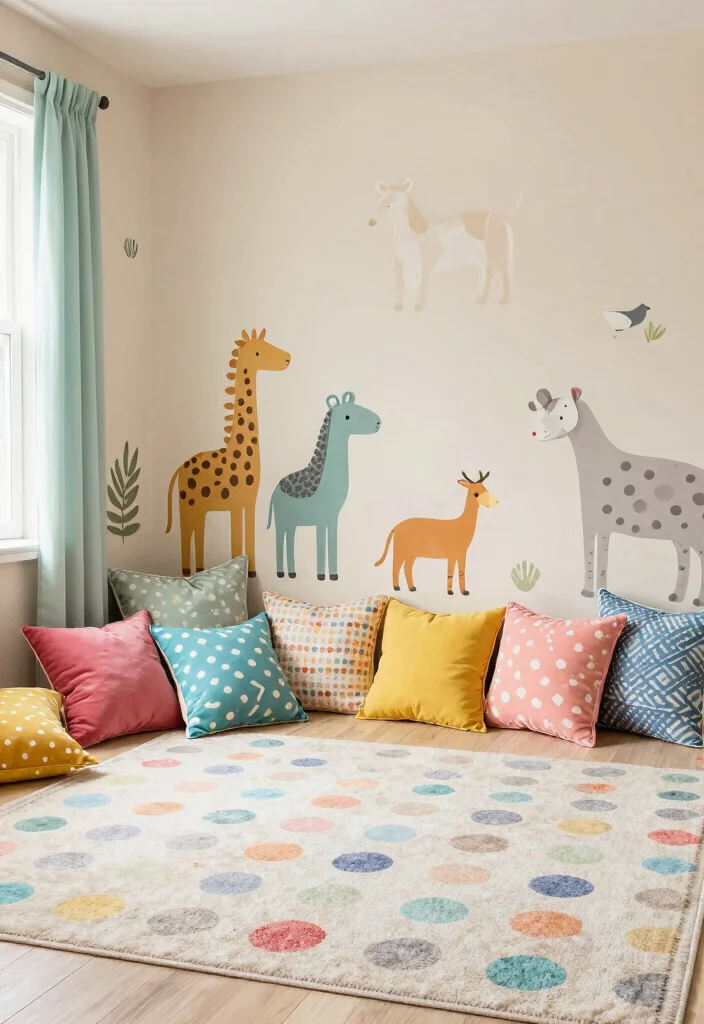
Playful patterns infuse energy into your child’s playroom, creating an engaging atmosphere without overwhelming the senses. Utilizing muted patterns for wall decals or soft furnishings, such as polka dots, stripes, and animal prints, invites curiosity while maintaining a sense of fun.
To effectively incorporate patterns, aim for a mix that feels cohesive yet dynamic. Choose a few pattern styles that resonate with your child’s interests and explore budget-friendly options like DIY decals or second-hand textiles that can be refreshed easily.
Consider these creative ideas:
– Use wall decals with simple shapes for interaction.
– Choose a patterned rug that withstands playtime.
– Layer different textiles to create visual interest.
This thoughtful use of patterns encourages imaginative play while ensuring a balanced and harmonious environment.
Playful Patterns
Editor’s Choice


3. Natural Elements
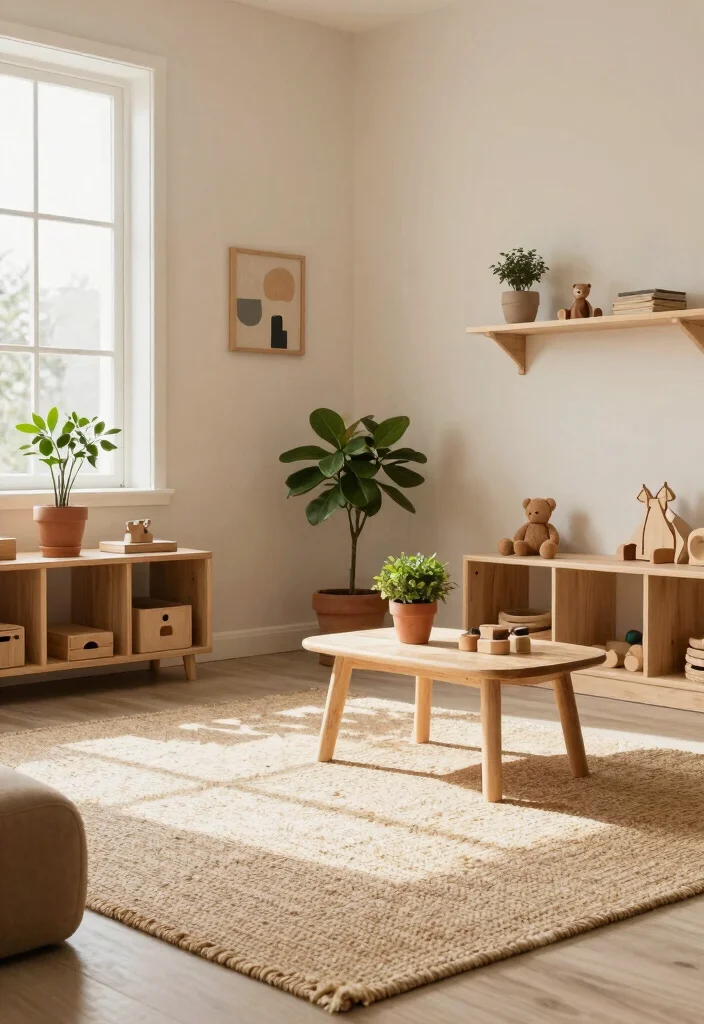
Incorporating natural elements into your playroom establishes a calming connection to the outdoors. Using materials like wood, plants, and natural fabrics cultivates a warm and inviting atmosphere that feels safe for children.
To bring nature inside, select sturdy wooden furniture and add potted plants that are safe for kids. Look for budget-friendly options at local markets or consider DIY projects that utilize natural materials, making the space feel alive and fresh.
Explore these ideas to enhance your playroom with nature:
– Choose wooden furniture for durability and warmth.
– Add non-toxic plants for freshness and life.
– Use natural rugs for warmth and texture.
This approach promotes tranquility and encourages children to develop a sense of responsibility towards nature, enriching their playtime experience.
4. Cozy Reading Nooks
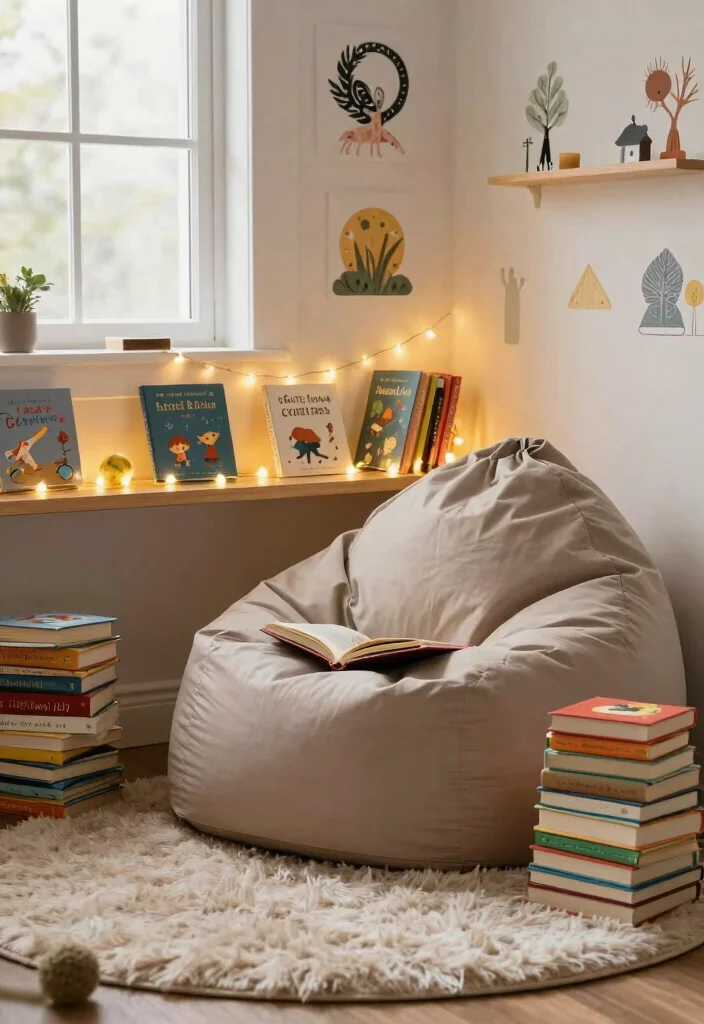
Creating a cozy reading nook in your playroom encourages literacy and quiet time, becoming a cherished space for your child. Fill it with comforting cushions, soft lighting, and a curated collection of books that spark a love for reading.
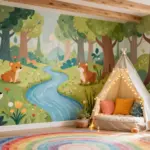
For a functional nook, consider using an oversized bean bag or a small sofa, and ensure books are easily accessible with low shelves or bookcases. Add soft lamps or fairy lights to create an inviting ambiance that beckons children to cozy up with a good book.
Consider these key features:
– Use a bean bag chair for comfort.
– Install low shelves for easy access to books.
– Add fairy lights for a warm glow.
This thoughtful design not only promotes reading but also creates a special retreat that enhances the overall playroom environment.
How To Choose Colorful Playroom Ideas
Choosing the right elements for a colorful playroom can be overwhelming. You want a space that is joyful yet calming for your little ones. Here are some essential criteria to consider while designing a vibrant yet harmonious playroom.
1. Color Palette
Start by selecting a color palette that feels lively but not overwhelming. Soft pastels can create a happy atmosphere without being too loud. Consider using shades like mint green, pale yellow, or blush pink. These hues can also be paired with brighter colors for accents, ensuring the room feels joyful and inviting.
2. Balance of Patterns
Incorporating playful patterns can add charm to the space. Think about striped rugs, polka dot curtains, or patterned wall decals. Make sure to balance these with solid colors to avoid a chaotic look. For example, if you choose a bold patterned rug, try pairing it with solid-colored furniture to keep visual harmony.
3. Functional Decor
Look for decor that serves a purpose while still being fun. Storage solutions like colorful bins or playful shelving can organize toys while adding pops of color. Additionally, consider furniture that can double as play surfaces, such as a table that can be used for art projects or puzzles.
4. Natural Elements
Bringing in natural elements can soften the vibrant colors in your playroom. Incorporate plants or wooden toys to create a more grounded feel. You can even consider using natural materials for flooring, like bamboo or cork, which can add warmth and comfort to the space.
5. Personal Touches
Adding personal touches can enhance the joyfulness of your playroom. Allow your child to help in the selection of art pieces or wall decor that reflects their interests. This could include their favorite characters or their artwork displayed proudly. Personalization makes the space feel truly special and inviting for them.
Pro Tip: Always take your child’s preferences into account when designing. Involve them in the process to ensure the playroom feels like their own happy place. This will not only make them excited about their space but will also foster creativity and ownership over their environment.
By following these guidelines, you can create a colorful playroom that feels joyful, inviting, and harmonious. Keep in mind the balance of color and patterns, functional decor, and personal touches to ensure a delightful space for play and imagination.
5. Art Stations
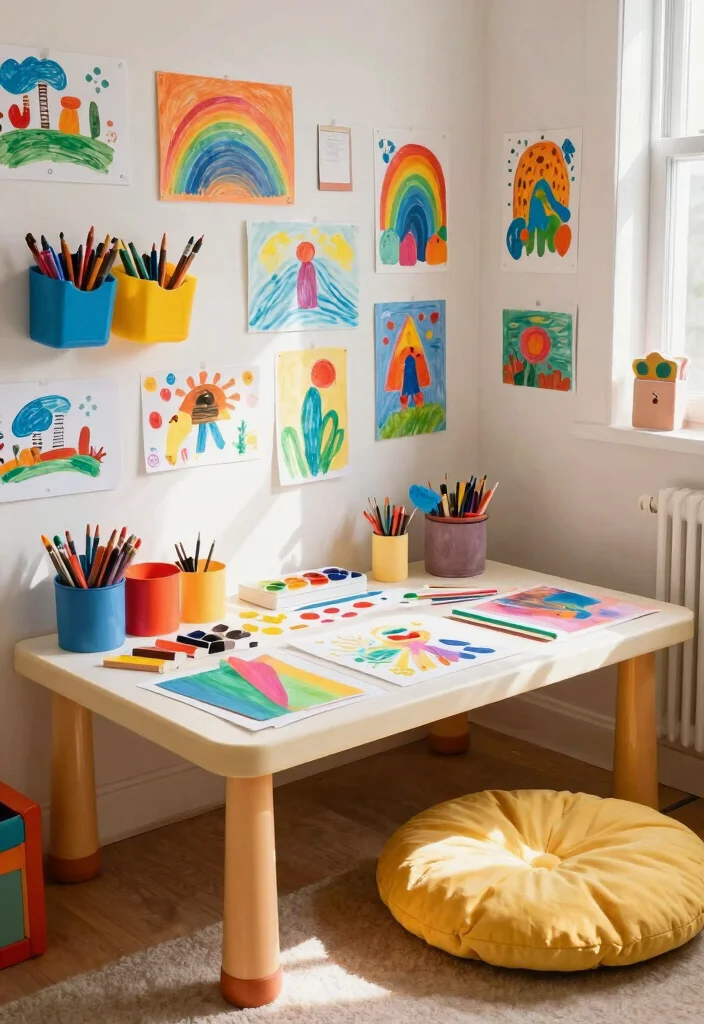
An art station can be a vibrant addition to your playroom, inviting children to explore their creativity. Set up a small table stocked with supplies like paints, markers, and papers to provide an outlet for artistic expression and energy.
To create this space, choose a low table that allows children of all ages to reach supplies easily. Stock it with various materials, including recyclable items for crafting, and consider colorful organizers to keep the area visually appealing and tidy.
Explore these art station ideas:
– Use a low table for accessibility.
– Provide a variety of art materials for creativity.
– Decorate with colorful organizers for fun.
This dedicated area encourages creativity while helping to develop fine motor skills, making playtime productive and enjoyable.
Fun fact: kids stay engaged at an art station for about 15–20 minutes when supplies are within reach. A low table with paints, markers, and papers turns creative time into a practical, joyful routine, perfect for colorful playroom ideas your kids will actually reach for.
Art Stations
Editor’s Choice


6. Interactive Wall Features
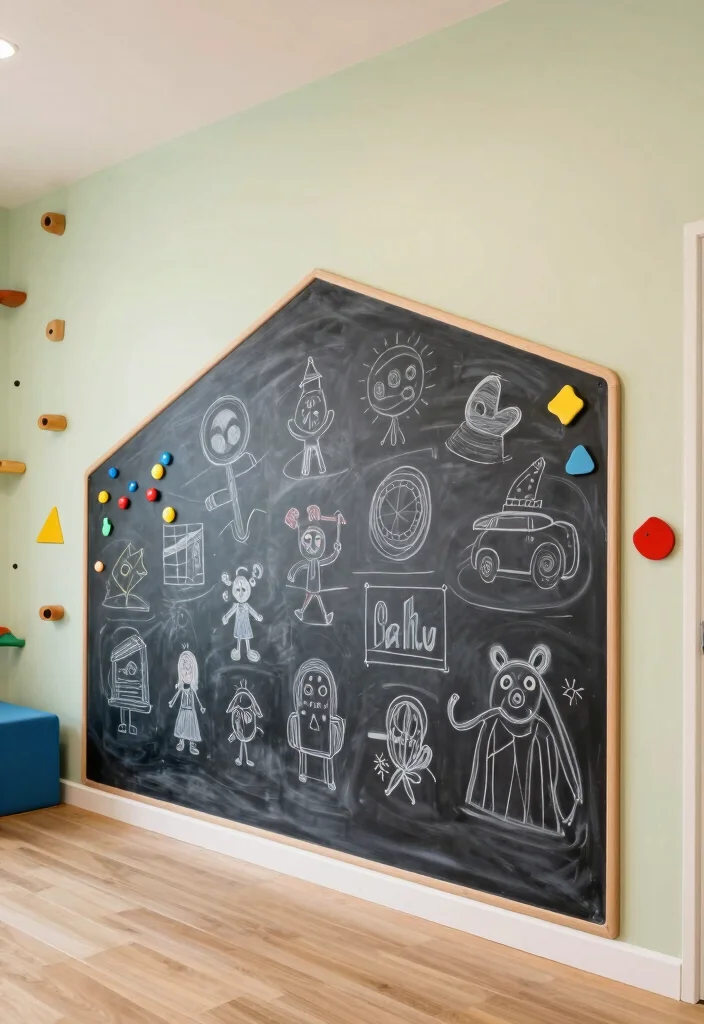
Transforming a wall into an interactive feature can captivate your child’s curiosity and promote exploration. Options like a chalkboard wall, a magnetic board, or even a climbing wall can be tailored to your child’s interests and the available space.
To implement these features, install a chalkboard or whiteboard for endless drawing opportunities, or use magnetic paint to create a playful area for colorful magnets. Ensure that any climbing features are safe and age-appropriate, providing a fun physical outlet.
Consider these ideas for interactive walls:
– Install a chalkboard for creative expression.
– Use magnetic paint for educational fun.
– Consider a climbing wall for active play.
These interactive elements foster active learning while adapting to your child’s evolving interests, making the playroom a dynamic environment.
Did you know kids remember 90% of what they learn when it’s interactive? Colorful playroom ideas like a chalkboard wall and magnetic board turn a plain wall into a hands-on playground that boosts curiosity and calm.
7. Storage Solutions
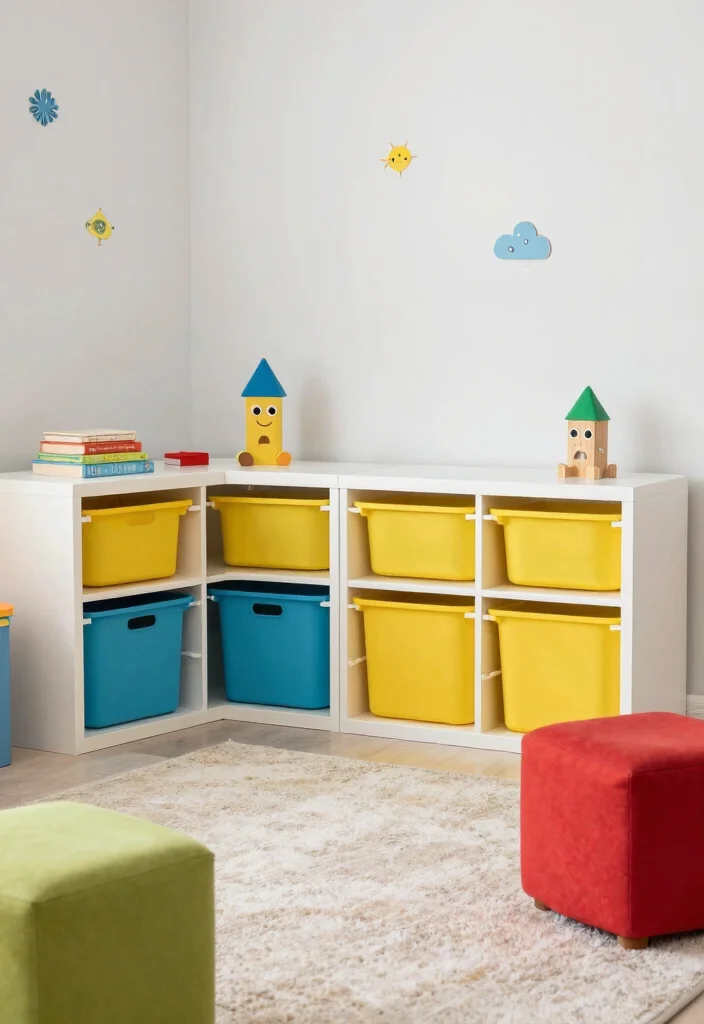
Effective storage solutions help maintain a tidy playroom, preventing chaos from overwhelming the space. Colorful bins, open shelving, and multifunctional furniture can maximize storage while adding a playful touch.
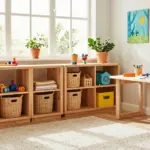
To enhance organization, use vibrant bins and baskets to categorize toys and supplies. Opt for low shelves that allow kids easy access to their belongings, and consider furniture that doubles as storage, like ottomans or benches, to keep the room functional and fun.
Explore these storage ideas:
– Use colorful bins to organize toys.
– Opt for low shelves for accessibility.
– Consider furniture with storage for efficiency.
Good storage not only keeps the room organized but also instills a sense of responsibility in children, making playtime more enjoyable.
8. Soft Textiles
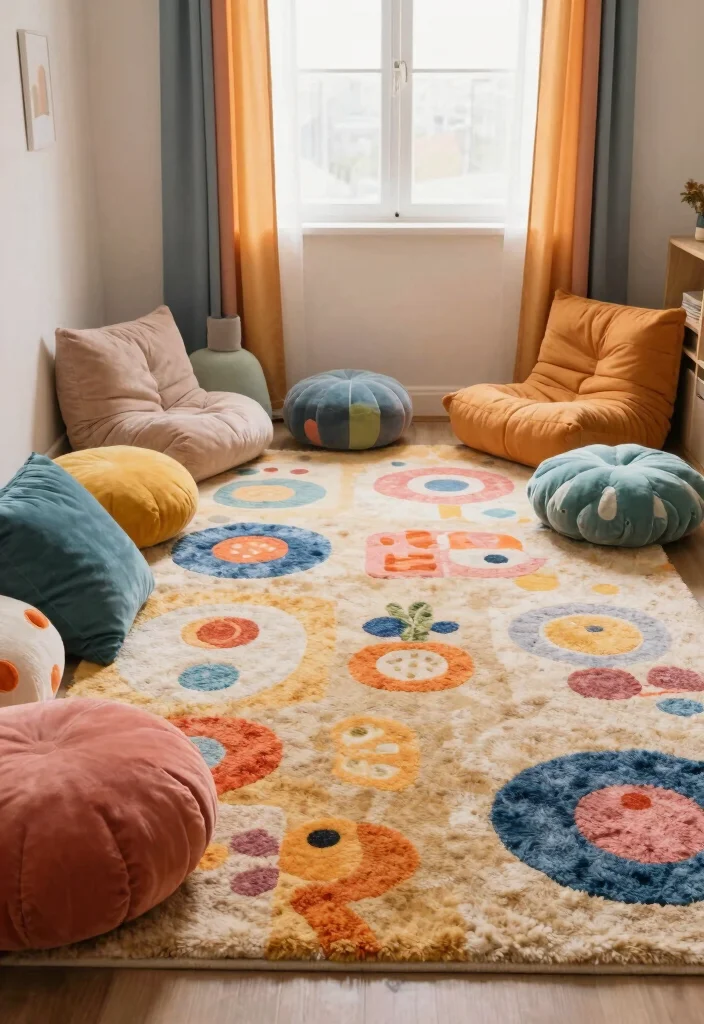
Incorporating soft textiles can create a cozy and inviting playroom atmosphere. From plush rugs to fluffy cushions, these elements enhance comfort while encouraging playful interactions.
Choose rugs that are both soft and durable to withstand the rigors of play, and mix various cushions in different shapes and sizes for lounging and playtime. Consider colorful window treatments that offer privacy while allowing soft light to filter through.
Explore these textile suggestions:
– Choose durable rugs for comfort.
– Incorporate various cushions for playful lounging.
– Consider colorful curtains for light control.
Soft furnishings create a welcoming environment, absorbing sound and adding warmth to the space, enhancing the overall playroom experience.
9. Theme-Based Areas
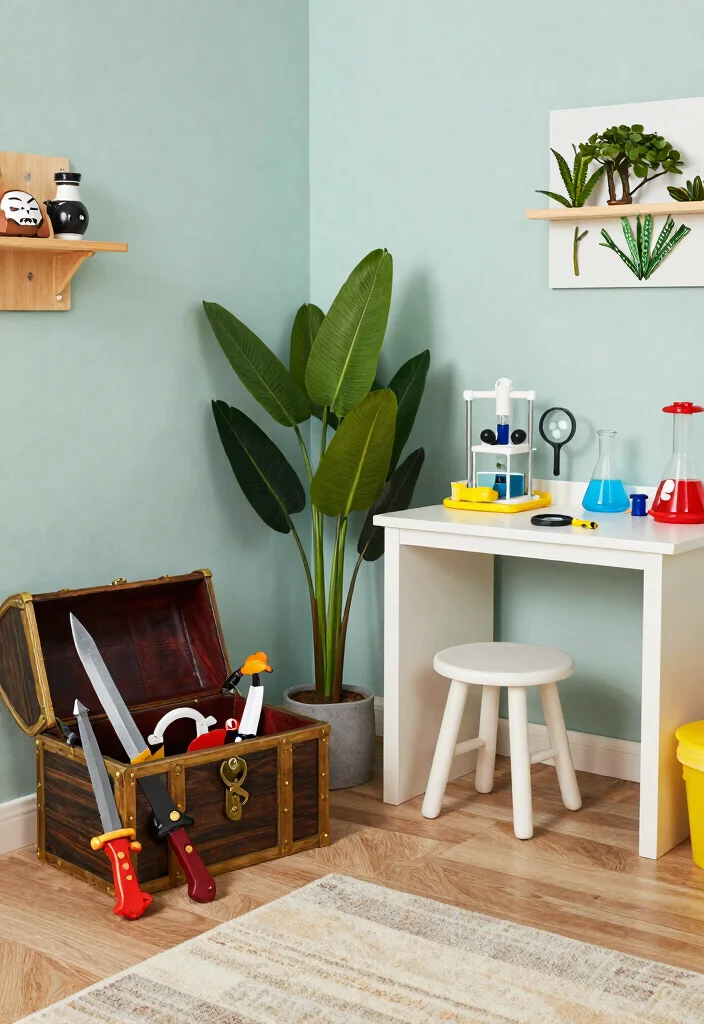
Creating themed areas in your playroom adds structure and fun, allowing children to explore various activities. Whether it’s a pirate corner, a nature-inspired nook, or a mini science lab, these spaces can be tailored to your child’s interests.
Design a corner for dramatic play with costumes and props, or set up a mini laboratory stocked with science kits and magnifying glasses for exploration. These themed areas can also simplify cleanup by categorizing toys and supplies.
Consider these ideas for themed spaces:
– Design a dressing-up corner for imaginative play.
– Create a mini lab with science kits.
– Set up a nature area with plants and books.
Themed areas nurture creativity and make the playroom a dynamic environment that can evolve as your child’s interests change.
10. Sensory Play Zones
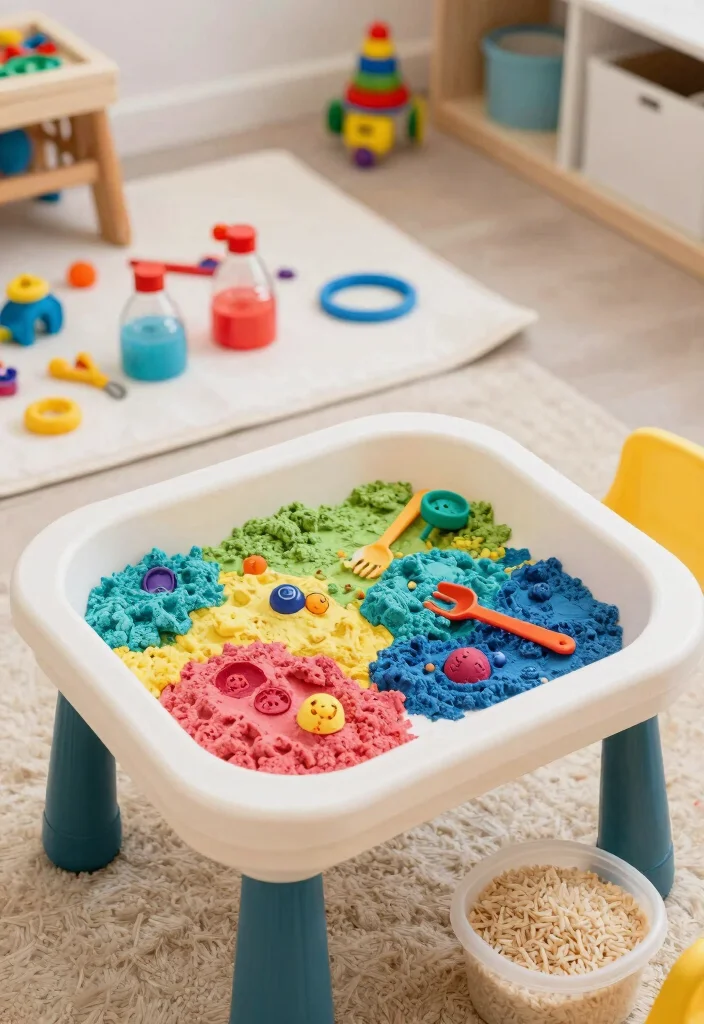
Incorporating sensory play zones enriches a child’s development by providing various tactile experiences. From sand to water play, these areas offer engaging and mindful activities that stimulate exploration.
Set up a small table with kinetic sand or play dough for tactile creativity, or use bins filled with rice, beans, or water beads to encourage sensory exploration. Consider creating a calming corner with sensory bottles and soft fabrics for relaxation and focus.
Explore these ideas for sensory zones:
– Set up a kinetic sand table for tactile fun.
– Use bins filled with various materials for exploration.
– Create a calming corner for relaxation.
Sensory play enhances fine motor skills and cognitive development, seamlessly fitting into the playful aesthetic of your room.
11. Colorful Wall Art
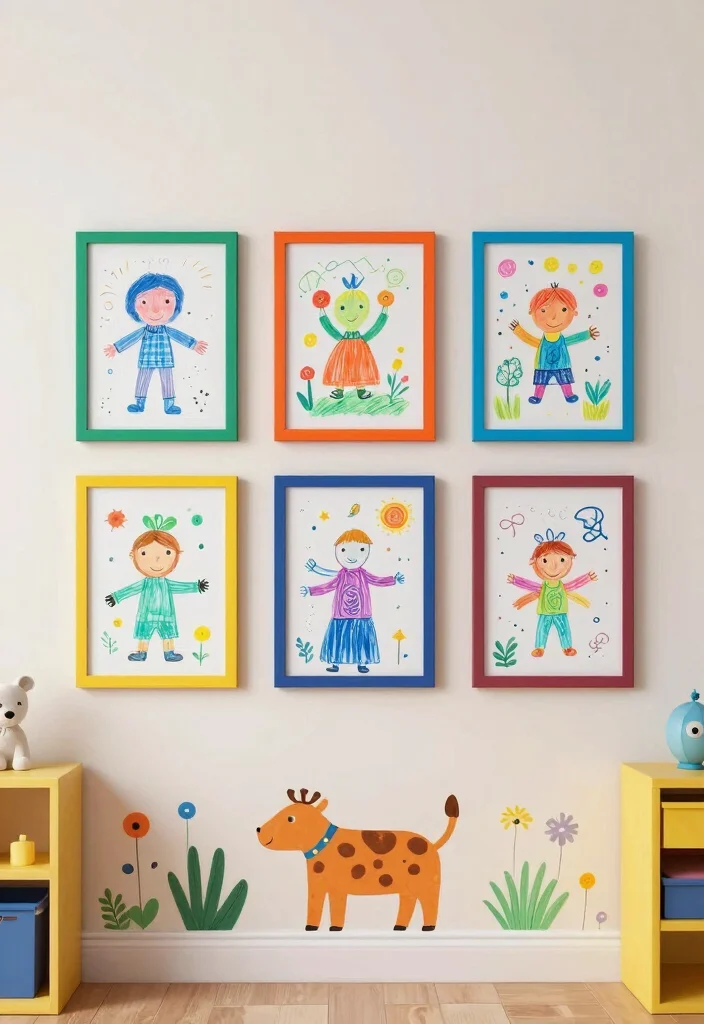
Colorful wall art can transform a bland wall into a captivating focal point in your playroom. Opt for child-friendly artwork that radiates positivity and creativity, making the space visually stimulating without being overwhelming.
Create a gallery wall showcasing your child’s drawings framed in vibrant colors or incorporate removable wall decals that can easily be updated as interests change. Consider canvas prints or murals that inspire imagination and wonder.
Explore these art ideas:
– Display a gallery wall of framed artwork.
– Use removable decals for easy updates.
– Choose murals that spark creativity.
Art adds character and a personal touch to the playroom, stimulating conversations and imaginative thoughts among children.
Colorful Wall Art
Editor’s Choice


12. Bright Lighting Options
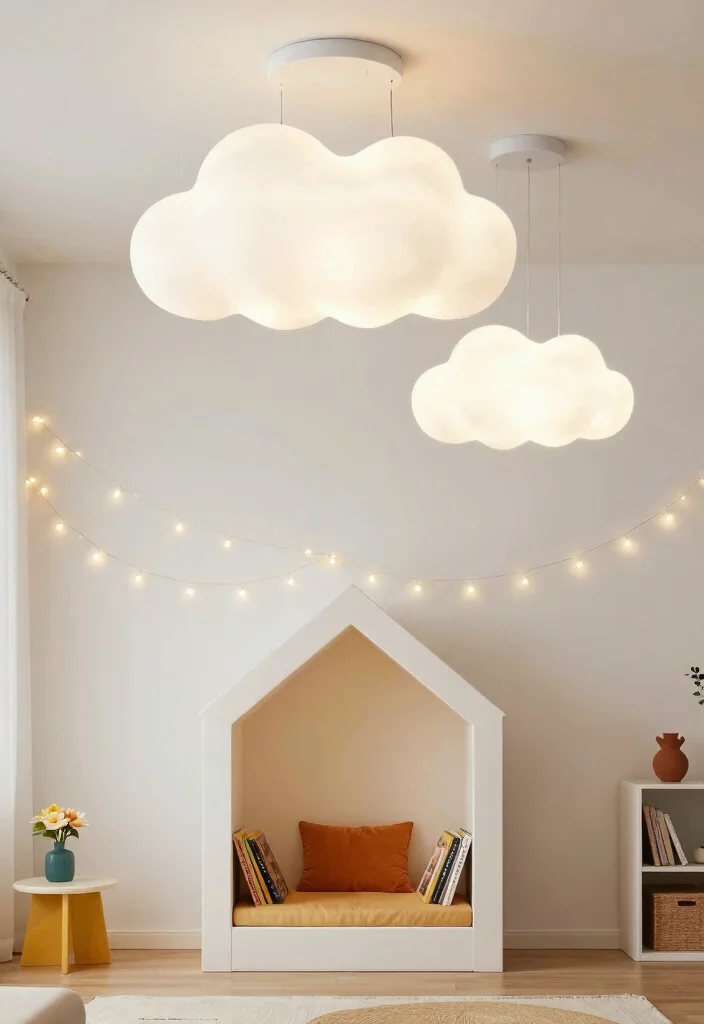
Bright lighting is crucial in playroom design, affecting both mood and functionality. Fun, playful lighting can brighten the space while maintaining an energetic ambiance without being harsh.
Incorporate whimsical light fixtures, like pendants shaped like clouds or stars, and use dimmable lights to adjust brightness for different activities. Adding soft lamps or fairy lights in cozy corners enhances the inviting feel of the room.
Consider these lighting suggestions:
– Use whimsical fixtures to add charm.
– Incorporate dimmable lights for versatility.
– Add soft lamps for cozy areas.
Proper lighting keeps the room vibrant and inviting, setting the perfect atmosphere for play and relaxation.
13. Multi-Functional Spaces
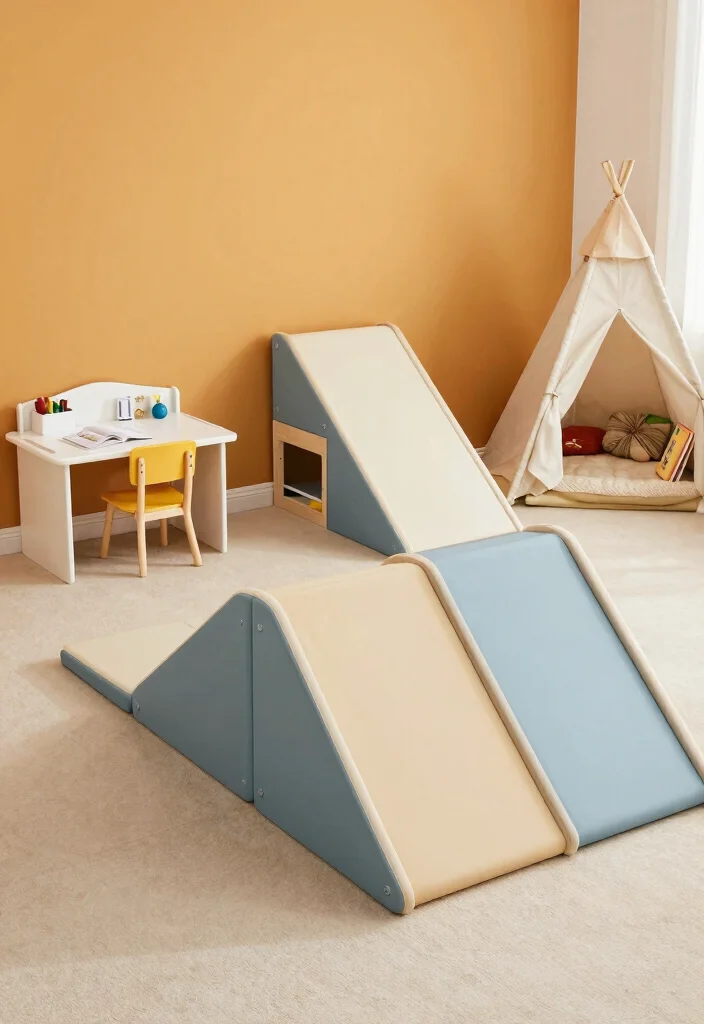
Designing a playroom with multi-functional spaces can maximize both usability and fun. Consider areas that easily transition between play, learning, and relaxation, creating an adaptable environment.
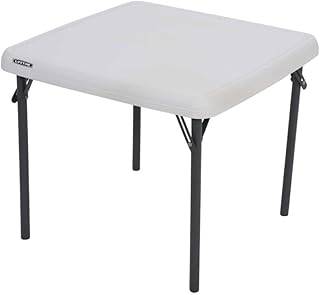
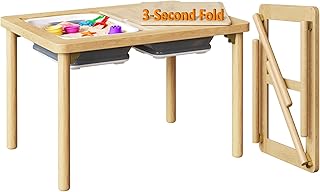
Use foldable furniture to create space for activities and gatherings, and designate sections that serve as both play zones and study spaces. Incorporate elements that can evolve from day to night, like portable play mats that easily store away.
Explore these multi-functional ideas:
– Use foldable furniture for versatility.
– Designate areas for play and study in one.
– Incorporate portable elements for adaptability.
This versatile approach grows with your child’s changing needs, encouraging them to adapt their environment for various types of play.
Multi-Functional Spaces
Editor’s Choice



14. A Touch of Personalization
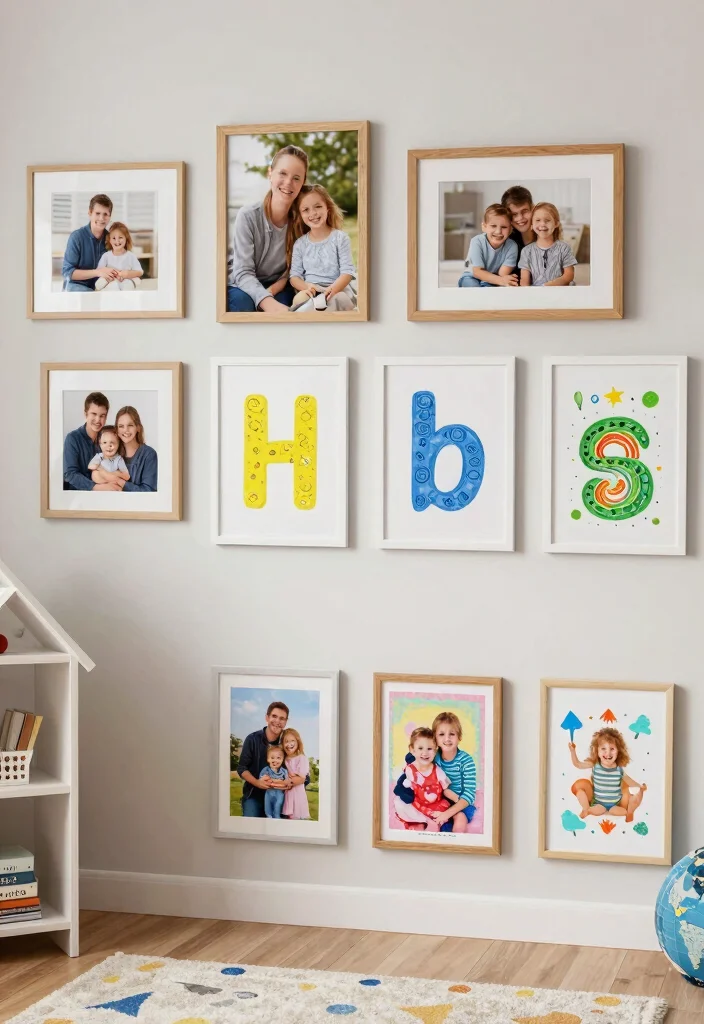
Adding personal touches to your playroom makes it uniquely special for your child. This can include displaying family photos, incorporating your child’s name in decor, or choosing items that reflect their interests.
Consider using personalized wall art that features your child’s name or initials, framing family photographs alongside their artwork to create a cherished gallery. Let your child participate in selecting decor that resonates with their personality, making the space truly theirs.
Explore these personalization ideas:
– Use personalized wall art for uniqueness.
– Frame family photos and children’s creations.
– Involve your child in decor choices for ownership.
Personalization fosters a sense of belonging and enhances the emotional connection children have with their space, making it a truly special haven.
Conclusion
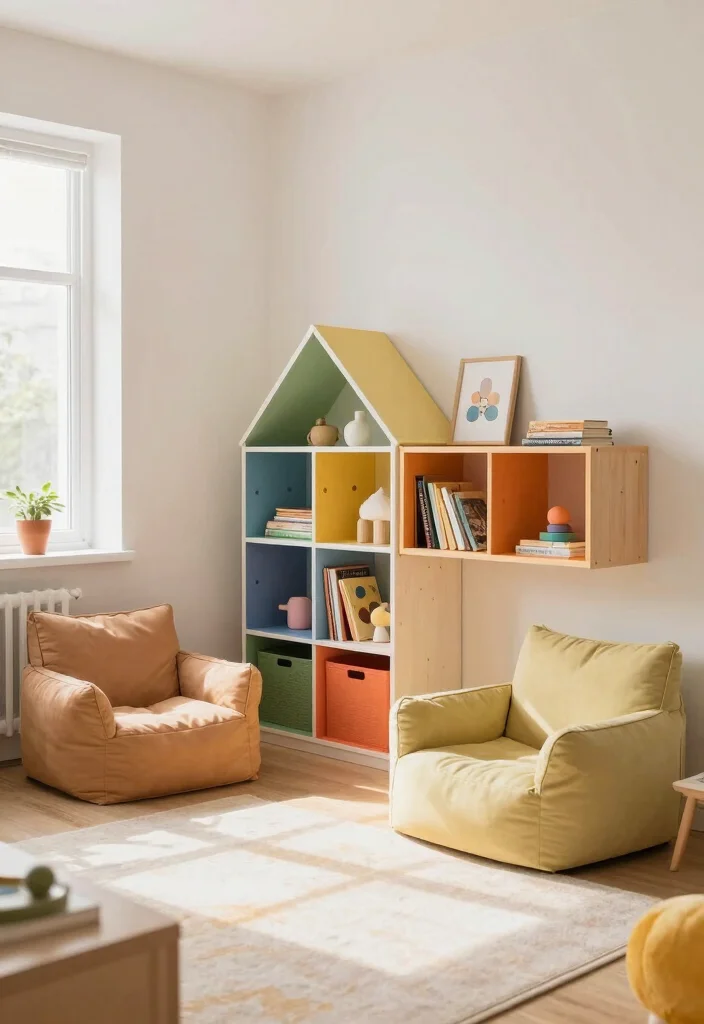
Creating a colorful playroom that feels joyful and not loud is all about balance and intention. By incorporating mindful design choices, you can craft a space that stimulates creativity while ensuring comfort and calm. Each idea in this article serves as an opportunity to transform your child’s play area into a nurturing environment that grows with them. So, roll up your sleeves and start imagining how to bring these colorful playroom ideas to life!
Note: We aim to provide accurate product links, but some may occasionally expire or become unavailable. If this happens, please search directly on Amazon for the product or a suitable alternative.
This post contains Amazon affiliate links, meaning we may earn a small commission if you purchase through our links, at no extra cost to you.
Frequently Asked Questions
Question: What are key principles for creating a colorful playroom that feels joyful not loud?
Start with a thoughtful color strategy: limit to 2-3 main colors plus a soft neutral to keep the space calm. Use color psychology: warm tones for energy and cool tones for focus. Create zones for play, reading, and crafts so the room feels joyful without being loud. Choose durable, washable paints and furniture you can grow with. Test color samples in natural light and watch how they shift during the day. Use colorful playroom ideas, joyful decor, and playroom design as guiding words.
Question: How do I choose a color palette for a kids room that stays vibrant yet not chaotic?
Start with a base neutral and add 2-3 accent colors. Use a big wall color as an anchor and carry the vibe with textiles, pillows, and art. Keep patterns to a few scales and repeat colors across accessories for cohesion. Consider lighting: warm LED lighting can soften bold hues. Ensure washable finishes and proper contrast for safety. This approach aligns with color palette, color psychology, and playful spaces.
Question: What storage and furniture tips help create a colorful playroom that stays organized?
Storage and furniture choices should be modular and child friendly. Use open shelves at kid height, labelled bins, and low dressers. Pick multi use furniture like a bench with cubbies or a craft table with drawers. Cable management and hidden storage help keep clutter away. Create zones for reading, building, and art so color decisions don t overload the eye. Think storage ideas, organized playroom, and child-friendly design.
Question: How can I incorporate joyful decor without oversaturation?
Aim for harmony by choosing a theme or motif and repeating colors across textiles and art. Use texture like a soft rug and velvet cushions, plus one statement wall mural or art piece as a focal point. Balance bold patterns with solid blocks to avoid visual chaos. Consider removable decals or gallery frames for rotation, so you can refresh the space with joyful decor and colorful interiors without a total redo.
Question: What are budget friendly ways to implement colorful playroom ideas?
Repaint existing furniture, use removable wallpaper or decals, and shop second hand for storage bins and seating. DIY wall art, create a pegboard art wall, or upcycle crates into shelves. Use interchangeable textiles and simple curtains to shift color with the seasons. Plan ahead to avoid waste and buy multipurpose pieces. Great for budget-friendly, kids room inspiration, and playroom design.