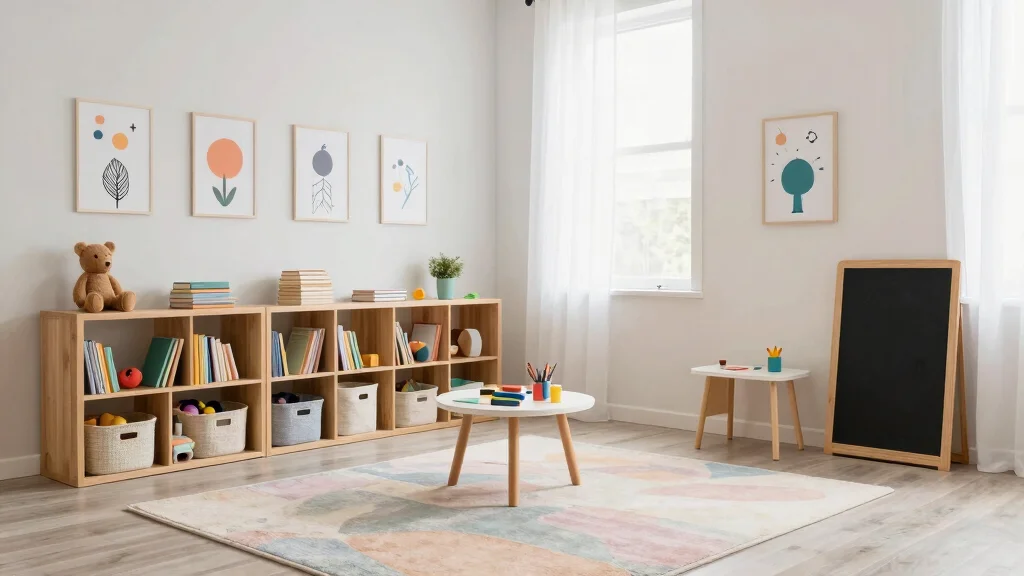
Creating a playroom for your kids can feel like navigating a colorful maze of creativity and chaos. You want a space that sparks joy and imagination but doesn’t leave you drowning in clutter. This post is here to help you balance fun and organization with 16 playroom ideas that can turn any room into a delightful oasis for your little ones. I crafted this guide because I understand the struggle of wanting a vibrant, engaging area that still feels manageable for parents.
If you’re a parent looking to redesign your child’s space, you’ve landed in the right place. You care about aesthetics, functionality, and a playful vibe that encourages your kids to explore and create. This post is not just about coloring the walls and throwing in toys; it’s about intentional playroom design that combines organized play spaces with creative storage solutions. You’ll find practical ideas that embody a minimalist approach, making even the smallest areas feel spacious and inviting.
Get ready to discover playroom ideas that are smart, stylish, and totally achievable. This list includes everything from soft pastel palettes that soothe the senses to clever storage solutions that keep toys easily accessible without overwhelming the room. Let’s dive into these ideas that are not only fun but also foster a sense of calm in your home.
Key Takeaways
– Soft Pastel Color Palette: Use soothing pastel colors to create a serene backdrop that encourages creativity while promoting a sense of calm in the playroom.
– Cleverly Integrated Storage: Invest in multifunctional furniture that offers hidden storage options, keeping toys organized and out of sight when not in use.
– Nature-inspired Decor: Incorporate elements from nature, like wooden toys and plant accents, to create a warm and inviting atmosphere that connects kids to the outdoors.
– Interactive Play Zones: Designate specific areas for different activities, like art or reading, to help children learn to focus and transition between tasks smoothly.
– Personal Touches: Add family photos or personalized artwork to make the space feel uniquely theirs, encouraging a connection to their environment and inspiring imaginative play.
1. Soft Pastel Color Palette
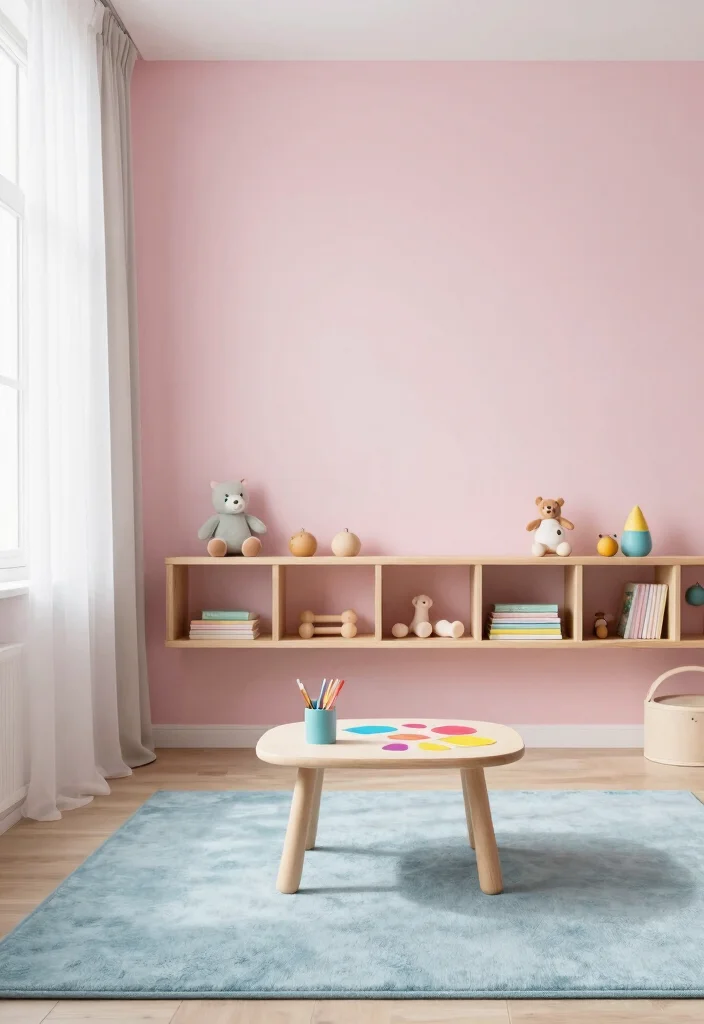
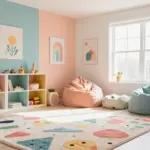
Embracing a soft pastel color palette can transform a playroom into a tranquil retreat. Using gentle shades like pale pink, soft blue, and buttery yellow on walls and furnishings creates a serene backdrop that soothes energetic children while allowing their toys and decor to shine. This harmonious mix of colors not only promotes calmness but also adds a touch of whimsy, making the space feel both playful and inviting. Pairing these pastel hues with natural wood accents enhances the overall aesthetic, adding warmth and balance to the environment.
To implement this soothing palette, consider furniture with rounded edges to ensure safety while enhancing comfort. You might also explore budget-friendly options like thrift store finds that can be painted in your chosen pastel shades. Mixing and matching these colors with natural materials can connect the indoors with the outdoors, making the space feel more expansive and alive.
Ideas to maximize this palette’s potential:
– Paint an accent wall in a vibrant pastel for added interest.
– Choose storage bins in complementary pastel shades to tie the look together.
– Use soft lighting to enhance the calming atmosphere of the room.
This thoughtful combination not only promotes relaxation but also encourages creative play. Incorporating various textures and materials deepens the design, making it an inviting space for children to thrive.
2. Cleverly Integrated Storage
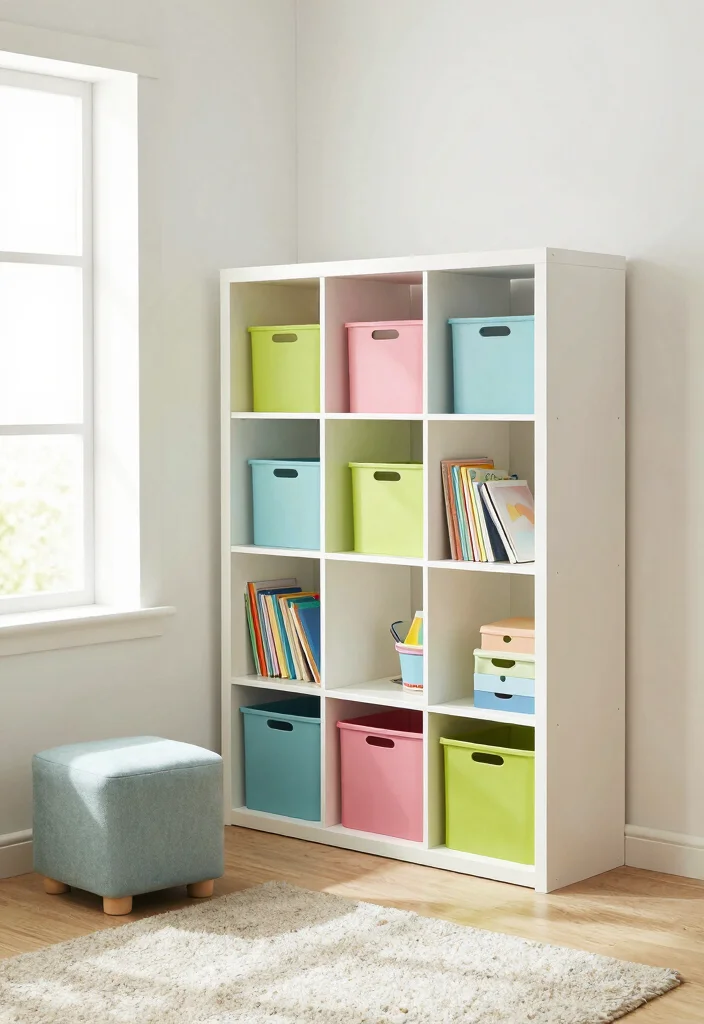
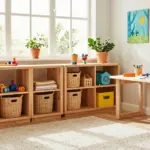
In small playrooms, smart storage solutions are essential for maintaining a tidy and functional space. Built-in shelves and multifunctional furniture pieces, like ottomans that double as storage, can help keep toys organized and out of sight. This approach reduces clutter and promotes a more enjoyable play environment for kids, allowing them to focus on their activities instead of the mess around them.
You can also utilize vertical space by installing shelf units above doors or using wall-mounted cubbies. Encourage children to use labeled baskets for their toys, which helps develop their organizational skills while making cleanup easy and fun. Look for clear bins to store toys, so they can see their options without creating chaos.
Suggestions for effective storage:
– Opt for furniture that fits snugly against walls to maximize floor space.
– Use color-coded bins to categorize different types of toys for easy access.
– Include a small, accessible area for art supplies to inspire creativity and self-expression.
This organized approach not only declutters the space but also fosters a sense of responsibility in children. By incorporating these practical solutions, you can create a harmonious play area that feels open and inviting.
Fun fact: A storage ottoman can cut toy clutter by up to 40% in small playrooms. For smart playroom ideas, built-in shelves free floor space and make cleanups a breeze.
Cleverly Integrated Storage
Editor’s Choice




Cost Breakdown & Budget Planning
When you’re turning a small space into a neat playroom, understanding the costs involved can help you manage your budget effectively. Here’s a detailed breakdown to guide your spending.
Cost Breakdown by Category:
– Materials/Products: Expect to spend anywhere from $200 to $2,500, depending on your choices. This includes paint, furniture, toys, and décor.
– Tools/Equipment: If you’re doing DIY projects, tools may cost between $50 and $300. This covers items like paintbrushes, drills, and storage bins.
– Labor/Professional Installation: Hiring help can run you from $300 to $1,000, depending on the complexity of your design and the duration of the work.
– Optional Extras: Think about spending an additional $100 to $500 on fun items like rugs, curtains, or decorative accents if your budget allows.
Budget Tier Breakdown:
Basic Economy Tier $
– What’s included: This option provides just the essentials. You’ll have basic storage solutions and minimal décor.
– Good for: Anyone on a tight budget or needing a quick fix for a play area.
– Limitations: You’ll miss out on customizable options and decorative elements that make a space feel engaging and fun.
Mid-Range Tier $$
– What’s included: A balanced mix of quality materials and smart storage solutions, plus a few unique decorative pieces to brighten the space.
– Good for: Most families looking to create a functional and appealing playroom without breaking the bank.
– Best value for: This tier usually offers the best compromise between cost and quality. You get a well-designed space that your kids will love!
Premium Tier $$$
– What’s included: Every feature you can think of, including high-quality furniture, custom storage, and interactive play zones.
– Good for: Families who desire a sophisticated playroom that grows with their kids or for those who host playdates frequently.
– Worth it if: You have specific needs or want a space that reflects your style while being super functional.
Money-Saving Tips:
– Shop for Sales: Look for seasonal sales or clearance items. You can often find great furniture or décor at a fraction of the price! ✔
– DIY When Possible: Get creative with DIY projects like making your own storage bins or repurposing old furniture. This can save you a lot of cash! 🎨
– Consider Secondhand: Check out thrift stores or online marketplaces for gently used toys and furniture that can fit your minimalist theme. 💡
– Stick to a Color Palette: Choosing a limited color scheme will help you select coordinating items easily, preventing mistakes and extra costs.
Where to Splurge:
– Quality Furniture: Investing in sturdy, well-made furniture is wise. This will last longer and withstand the wear and tear from kids playing.
– Creative Storage Solutions: Effective storage helps maintain an organized play space. Spending a little more here means you’ll have a place for everything!
– Interactive Play Zones: If space allows, adding elements like a chalkboard wall or a cozy reading nook can make the area engaging and functional.
By planning your budget carefully, you can create a playroom that feels fun but not chaotic. Use this guide to identify where to spend and where to save, ensuring your kids have a play space that sparks joy and creativity!
3. Nature-inspired Decor
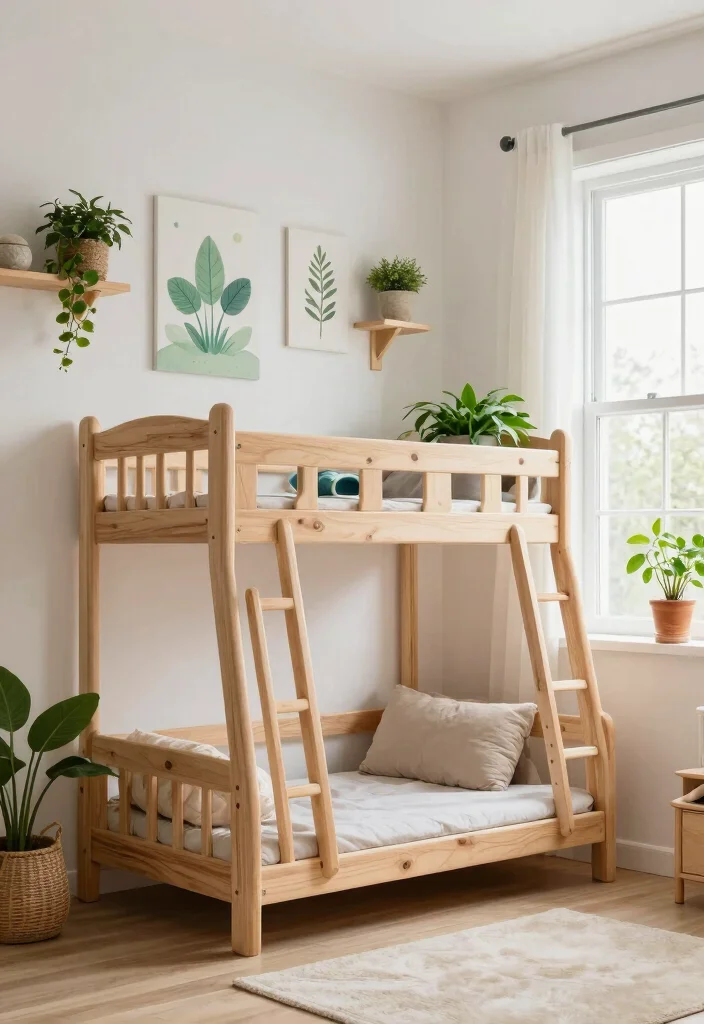
Incorporating nature-inspired decor can bring a refreshing and calming ambiance to a playroom. Utilizing wooden furniture and natural finishes fosters a sense of tranquility while creating a connection to the outdoors. Adding plants, whether real or artificial, infuses life and color into the space, promoting a healthy environment for kids to thrive.
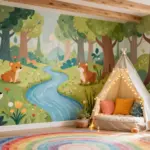
Consider selecting child-friendly plants like spider plants or peace lilies to spark curiosity about nature in young minds. You can also enhance this theme with nature-themed artwork or decals that add a whimsical touch without overcrowding the design. A mural or large wall stickers depicting forests or animals can inspire imaginative storytelling.
Here are some ideas to enhance your nature-inspired decor:
– Opt for lightweight, child-safe materials for decor elements.
– Create a cozy reading nook with a nature theme to encourage peaceful downtime.
– Use earthy tones in cushions or rugs to deepen the natural feel of the room.
This approach not only beautifies the space but also creates an engaging environment that encourages exploration and creativity.
4. Multi-Functional Areas
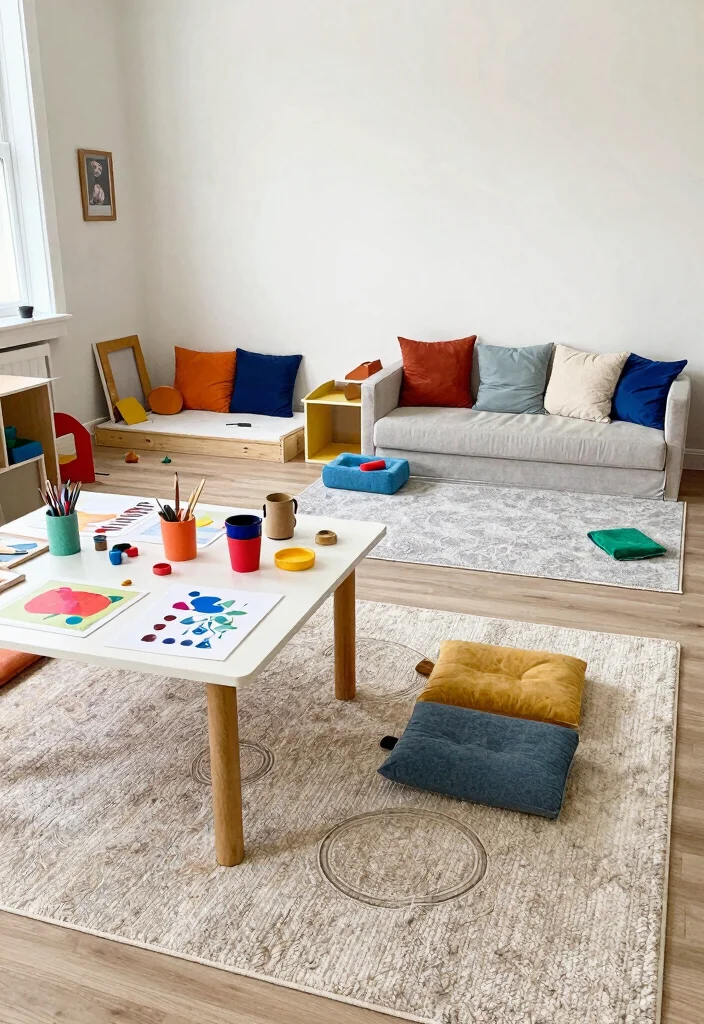
Crafting multi-functional areas in a playroom maximizes its usability and keeps children engaged. Designate specific zones for various activities, such as crafting, reading, and imaginative play, to create a dynamic environment that adapts to their needs. By choosing furniture that serves multiple purposes, like a table for both crafts and snacks, you enhance flexibility and functionality within the space.
Consider incorporating a small stage area with props for playacting or puppet shows, which can inspire creativity and storytelling. Establishing a cozy reading corner with built-in shelves allows kids to unwind while still being part of the overall playroom activity.
Ideas for creating these functional zones:
– Use a large rug to visually define different activity areas.
– Choose foldable chairs or tables for easy rearrangement as needed.
– Include a chalkboard or whiteboard to promote interactive learning and creativity.
This thoughtful layout paves the way for engaging activities, allowing children to explore their interests in an organized and welcoming environment.
5. Playful Wall Art
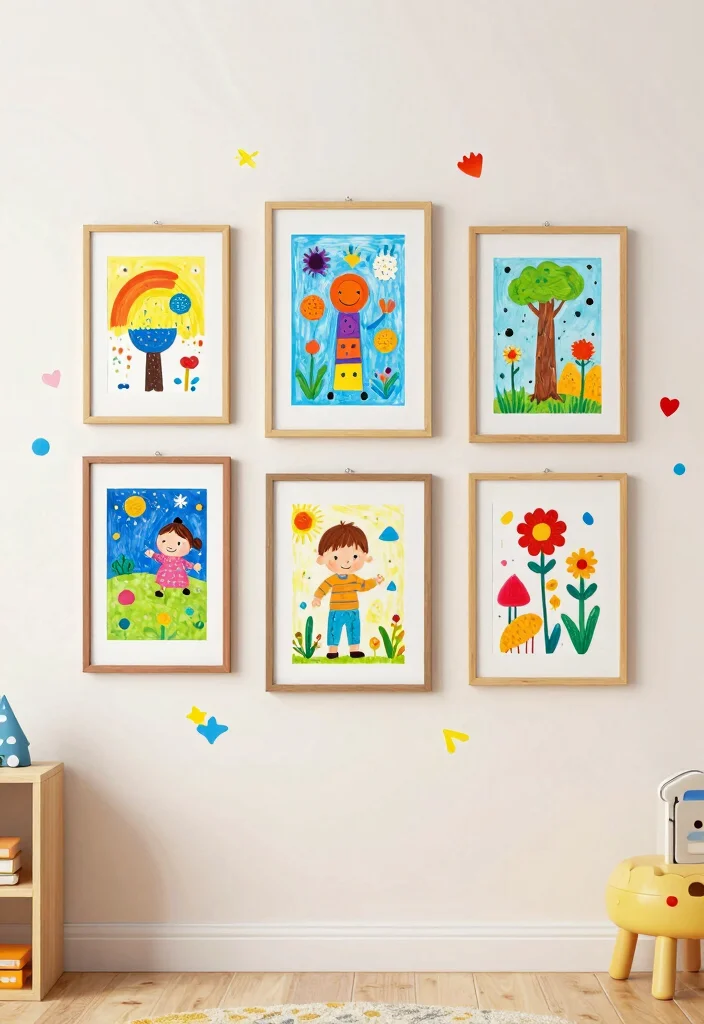
Wall art can serve as a source of inspiration and creativity in a playroom. Choose cheerful prints that resonate with your child’s interests, whether they be animals, favorite characters, or vibrant abstract designs. A gallery wall can beautifully showcase their artwork alongside professionally crafted pieces, instilling pride in their creative endeavors.
Art can also be educational, with maps or alphabet prints placed strategically to spark curiosity and learning. Removable wall decals allow for easy updates, keeping the decor fresh and aligned with your child’s evolving tastes.
Suggestions for playful wall art:
– Frame artwork at varying heights for a lively gallery effect.
– Use washi tape to hang new art without damaging walls.
– Rotate art regularly to maintain an engaging and dynamic wall display.
This incorporation of art not only enhances the room’s character but also fosters an environment where creativity and imagination can flourish.
6. Cozy Reading Nook
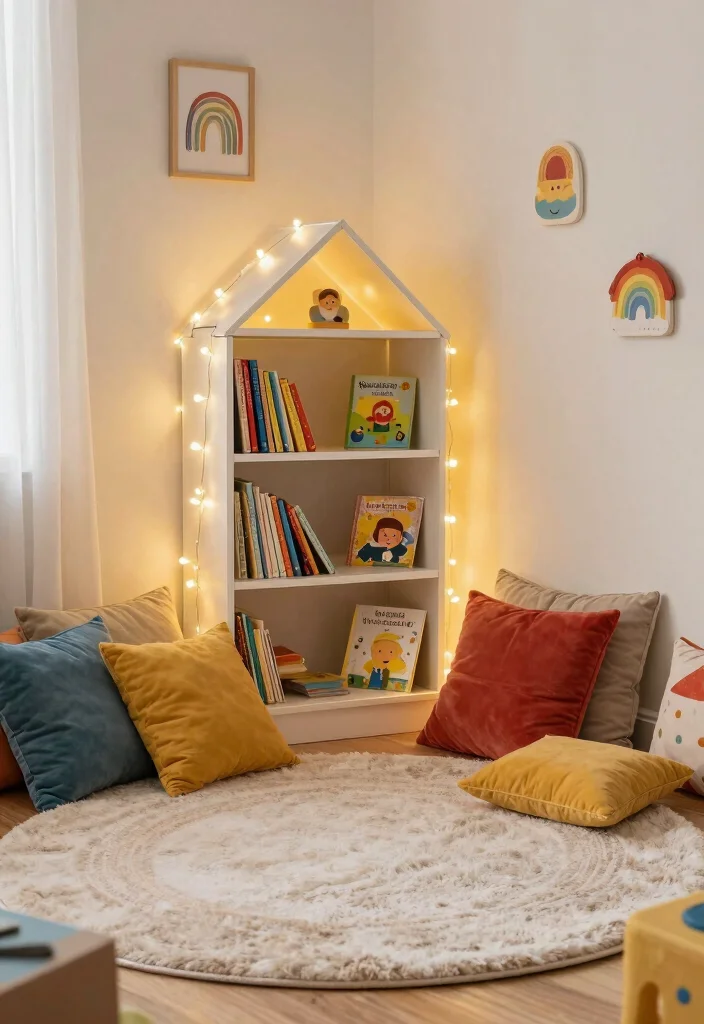
A cozy reading nook is an essential feature in any playroom, providing children with a peaceful escape to dive into their favorite books. Choose a corner away from the main play area to create a safe, inviting space that encourages quiet time. Soft cushions, bean bags, or a small tent can make the nook extra inviting and comfortable.
Incorporating built-in shelves or a small bookcase showcases books, motivating kids to explore various genres and stories. Soft lighting, such as a small lamp or fairy lights, enhances the cozy atmosphere, making it perfect for reading or storytelling. This nook also serves as a retreat when kids need a break from more active play.
Ideas for your reading nook:
– Include a small basket for book storage to keep the area tidy.
– Use age-appropriate decor to create a welcoming vibe.
– Offer a variety of books to cater to different interests and inspire a love for reading.
This dedicated reading space not only promotes a love of literature but also provides a sanctuary for quiet reflection and imagination.
7. Interactive Chalkboard Wall
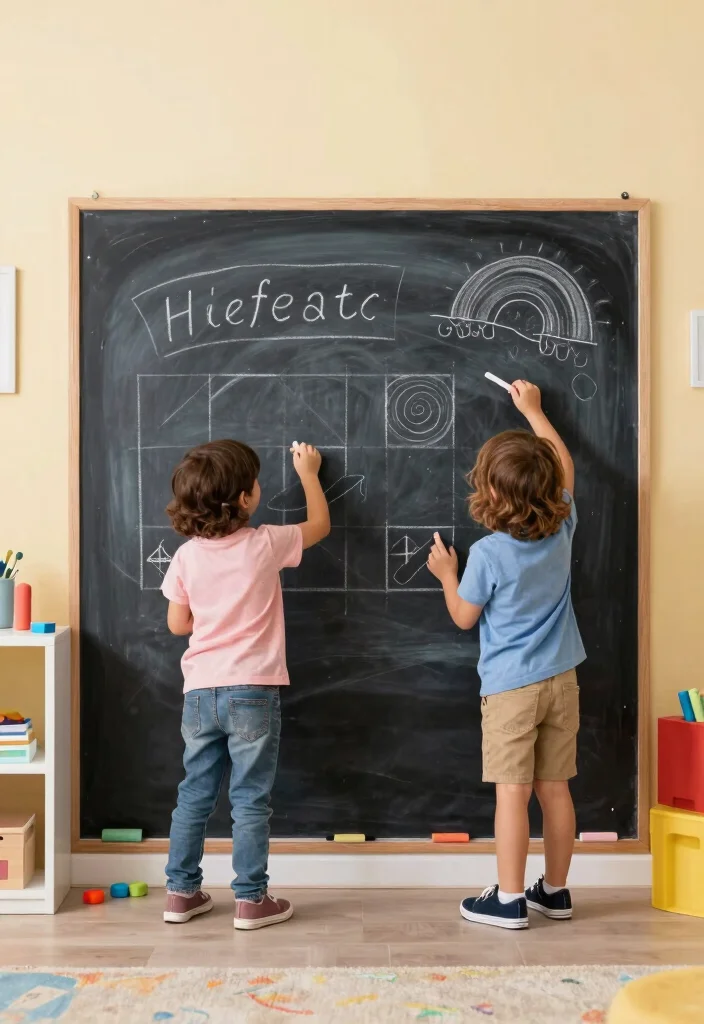
An interactive chalkboard wall can serve as an exciting canvas for creativity and learning. Designate a wall or a large board where children can express their artistic side freely. This area allows them to practice writing, draw their favorite characters, or even engage in games like tic-tac-toe.
This feature promotes both educational activities and imaginative play, keeping kids entertained and engaged for longer periods. Using washable chalk makes cleanup easy, and refreshing the surface with paint can keep it looking fresh and new. The chalkboard wall can also be utilized for collaborative family projects, encouraging teamwork and creativity.
Suggestions for your chalkboard wall:
– Frame the chalkboard with colorful molding for a fun touch.
– Include a shelf nearby for chalk and erasers to keep everything organized.
– Regularly rotate activities to maintain interest and engagement.
This interactive feature not only adds a playful element to the room but also nurtures artistic expression and learning.
8. Bright Soft Furnishings
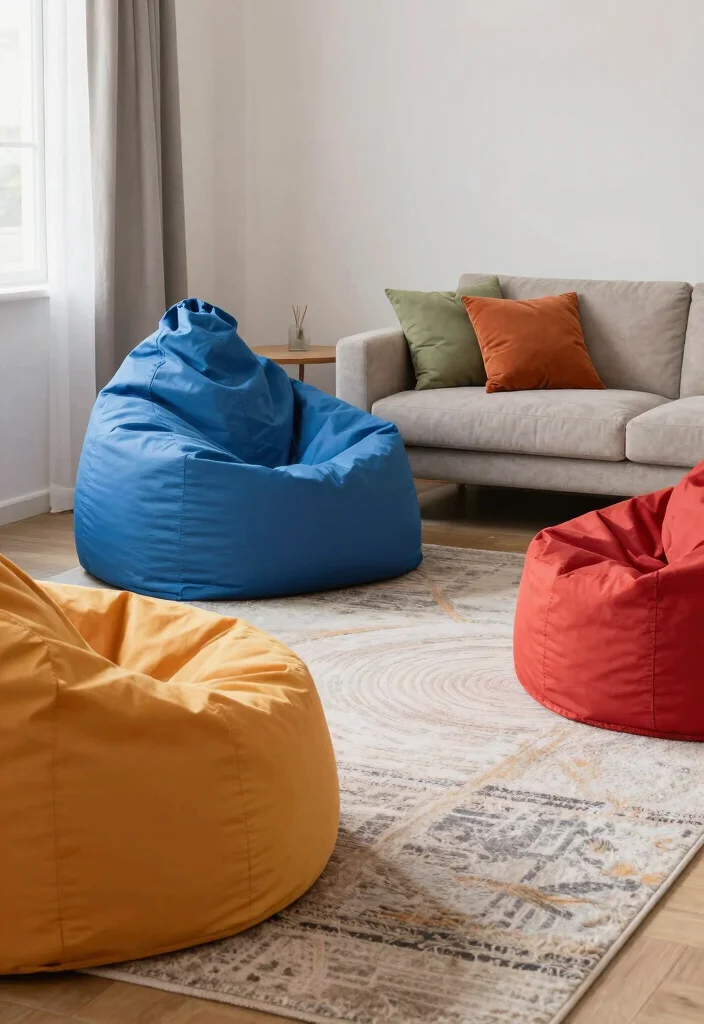
Bright and soft furnishings can significantly enhance the warmth and comfort of any playroom. Opt for couches, bean bags, and throw pillows in bold colors or playful patterns that stimulate creativity while providing cozy seating options. Choose items made from easy-to-clean fabrics because spills are inevitable in play areas.
Layering rugs with varying textures creates a plush play surface that’s visually appealing and inviting for kids to explore. These elements can transform an ordinary room into a vibrant and lively space that feels welcoming and playful, all while maintaining a cozy atmosphere.
Tips for selecting soft furnishings:
– Choose removable covers for easy washing after spills.
– Mix patterns and textures for a fun, eclectic look.
– Ensure safety by selecting furniture with rounded edges to prevent accidents.
This colorful and comfortable approach creates an inviting environment that encourages play and relaxation.
Bright Soft Furnishings
Editor’s Choice



9. Modular Furniture
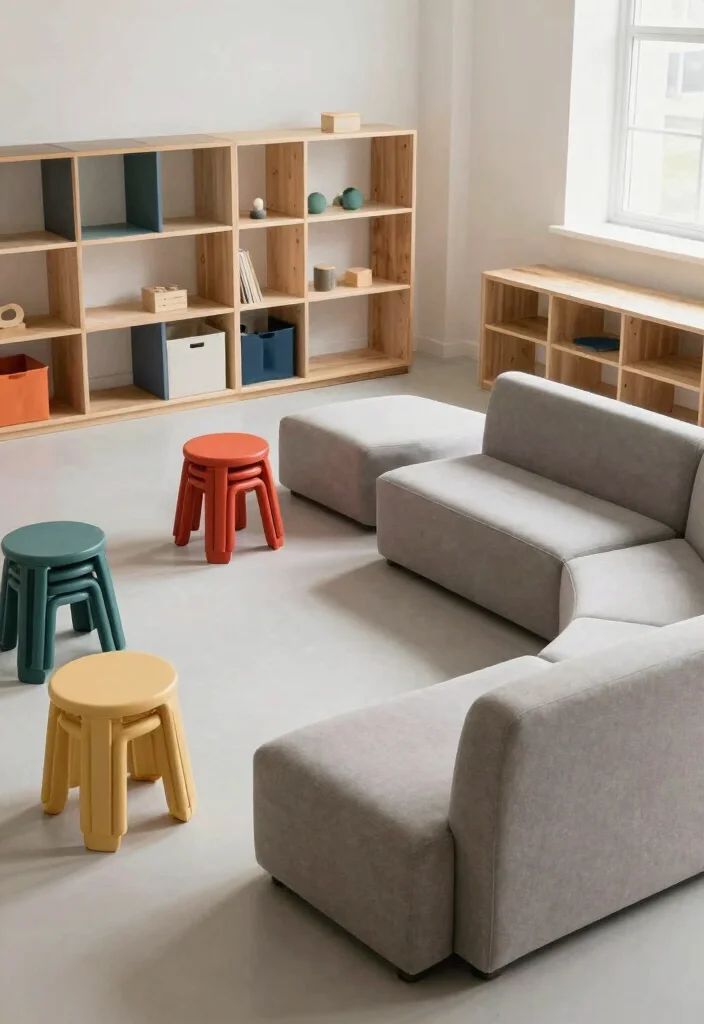
Modular furniture offers incredible versatility and adaptability in smaller playrooms. Choosing pieces that can be easily moved or reconfigured enables a dynamic play environment that evolves as children grow. Look for items like modular sofas, stackable stools, or movable storage units that can shift between activities seamlessly.
This flexibility allows you to change the room’s layout without major renovations, keeping things fresh and exciting. Additionally, it encourages kids to participate in rearranging their space, fostering a sense of ownership and creativity.
Suggestions for incorporating modular furniture:
– Look for furniture with wheels for easy mobility and rearrangement.
– Use interlocking play mats to create different designated areas.
– Consider height-adjustable tables that can grow with your child.
This approach promotes an adaptable environment that supports active play and creativity.
❝ Small spaces don’t have to feel tiny. With modular furniture, your playroom ideas become flexible, letting you reconfigure for play, study, or quiet reading in minutes, with no heavy lifting required today ❞
10. Playful Textures
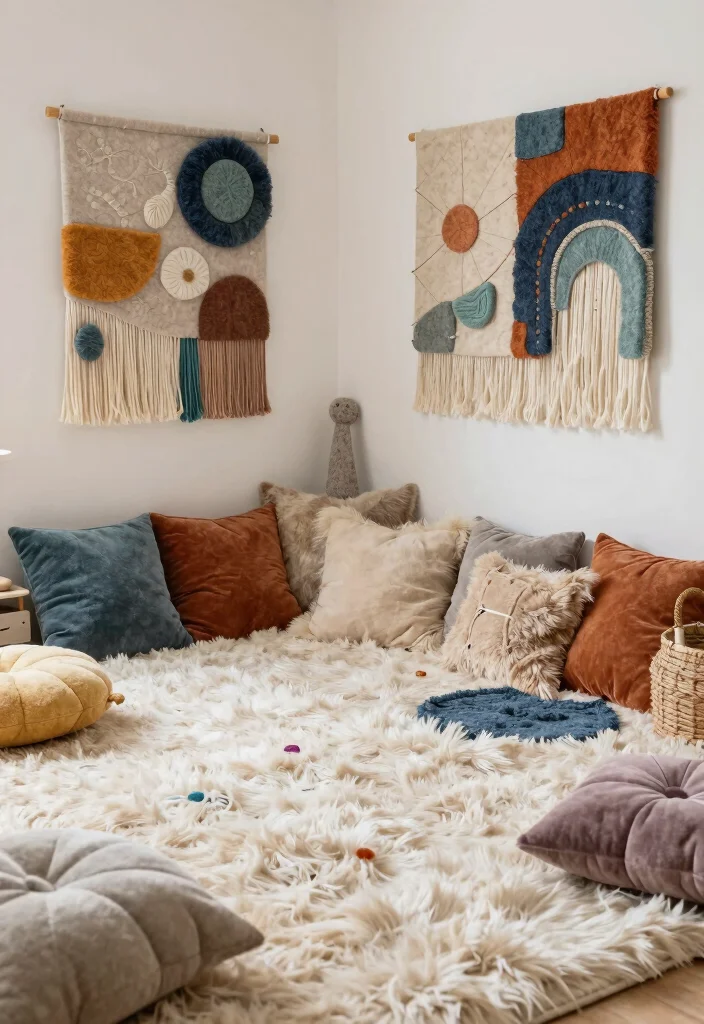
Incorporating various textures can make a playroom more engaging and inviting for children. Think of soft rugs, fluffy cushions, and tactile wall hangings that encourage kids to touch and explore their surroundings. Materials like felt, cotton, and faux fur can enhance the sensory experience, adding depth and interest to the design.
This approach not only adds visual appeal but also promotes interaction and playfulness in the space. Safety is vital, so ensure that all materials used are child-friendly and easy to maintain.
Ideas for mixing textures:
– Experiment with different textiles to create depth in the design.
– Use texture as a learning tool to differentiate between rough and smooth surfaces.
– Regularly clean textiles to maintain a hygienic and safe play environment.
This multi-textured approach creates an inviting and stimulating atmosphere that encourages exploration.
11. Simple and Functional Layout
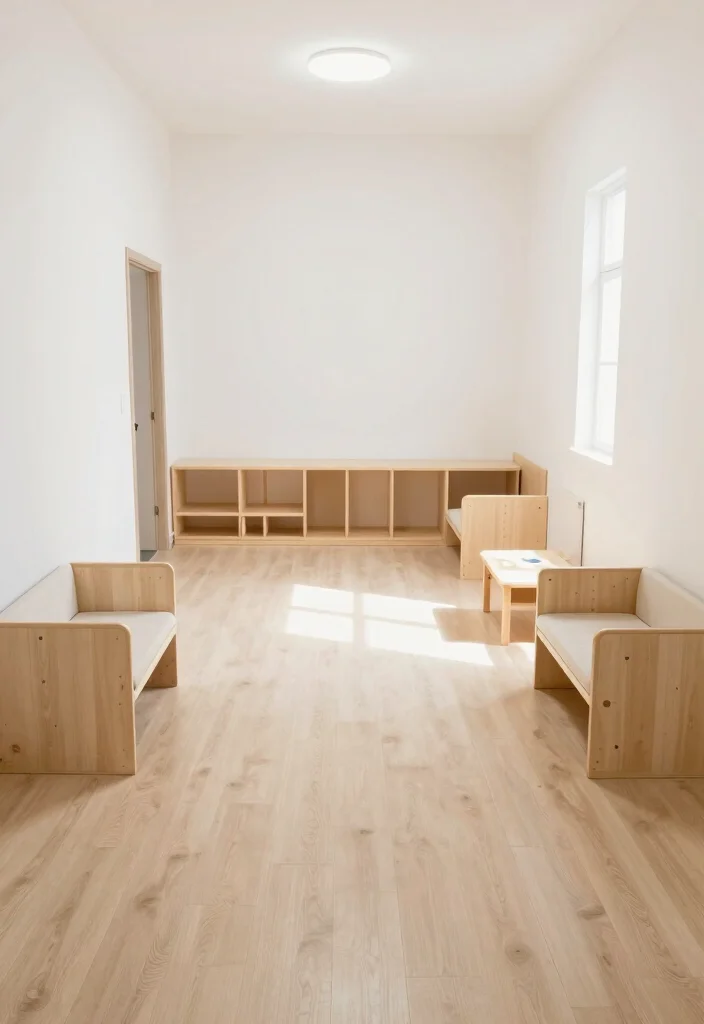
A simple and functional layout is essential for making small playrooms feel spacious and organized. Keep pathways clear to ensure that kids can navigate the area safely and easily. Position larger furniture against the walls to maximize floor space, creating open areas for play.
Incorporating low furniture that children can access empowers them to take charge of their environment and encourages independent play. Defining zones for different types of play helps maintain an organized feel, allowing for smooth transitions between activities.
Layout tips:
– Keep the central area open for free play and movement.
– Use furniture with rounded edges for enhanced safety.
– Opt for lightweight pieces that can be easily rearranged to accommodate various activities.
This thoughtful layout not only enhances safety but also creates an inviting and functional environment for children to thrive.
12. Smart Lighting Solutions
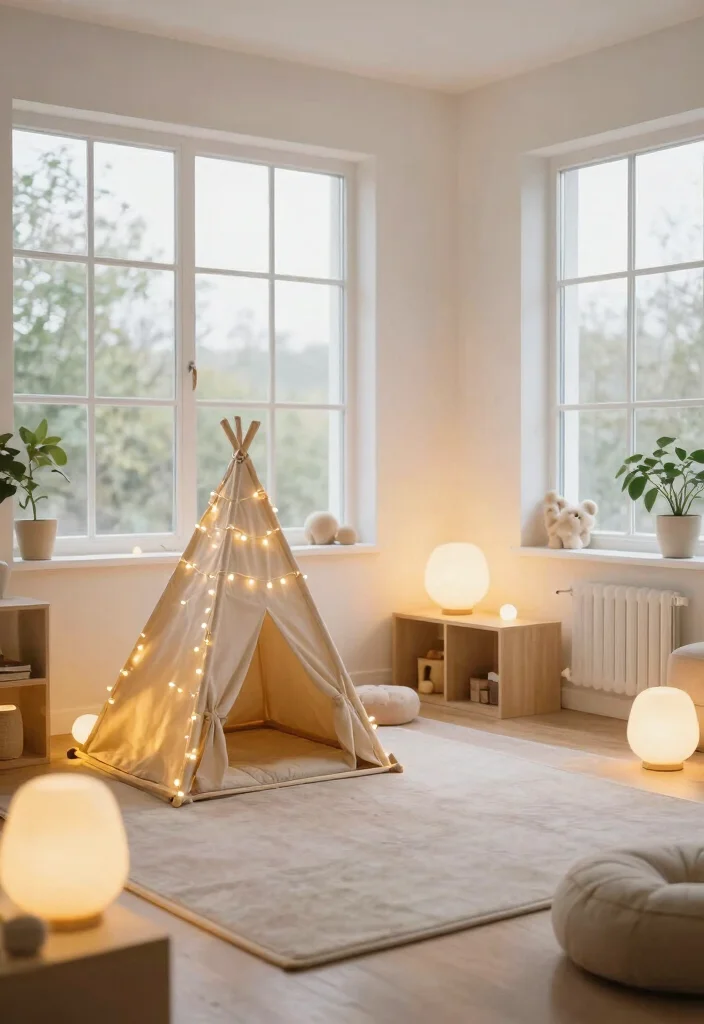
Good lighting is crucial for creating an inviting and versatile playroom. Combine natural light with artificial lighting to create a warm and welcoming ambiance. Select soft, adjustable lighting options, like floor lamps or pendant lights, to illuminate different areas effectively.
You might also consider installing dimmers to alter the room’s mood based on the activity, whether it’s a quiet reading session or an energetic playtime. Adding fairy lights or fun-themed lighting can introduce a whimsical touch, enhancing the overall atmosphere.
Suggestions for smart lighting:
– Use light colors on walls to reflect more natural light.
– Incorporate blackout curtains for nap time to create a cozy environment.
– Position light sources thoughtfully to avoid shadows during playtime.
This thoughtful approach to lighting can significantly enhance the playroom, making it a bright and cheerful space that inspires creativity and fun.
Smart Lighting Solutions
Editor’s Choice


13. Toy Rotation System
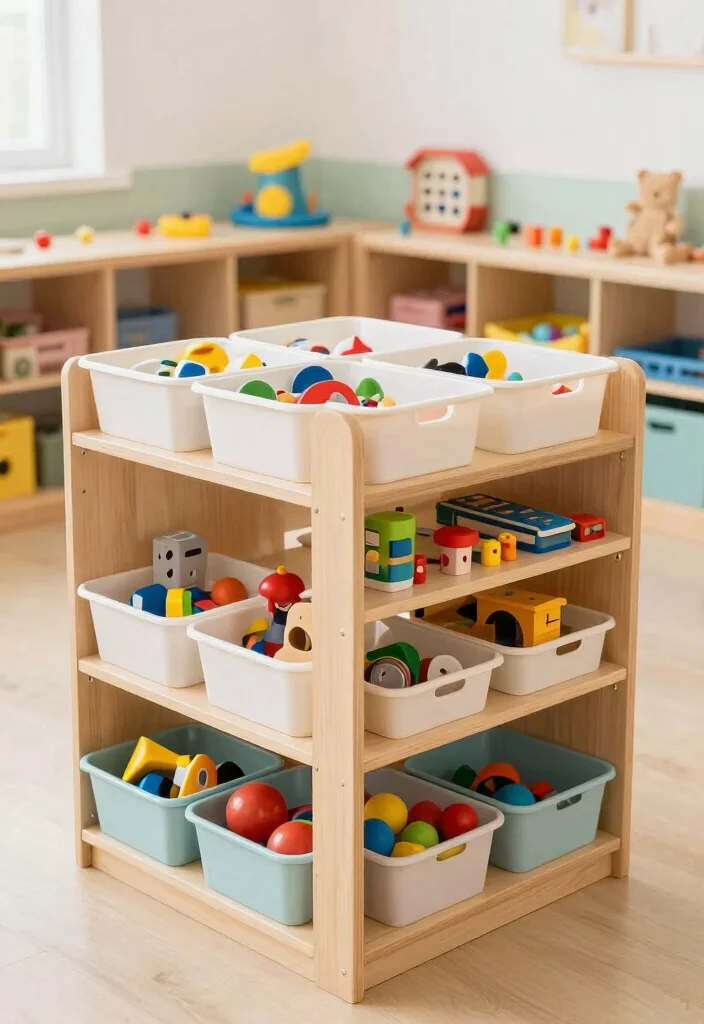
Maintaining an organized playroom can be challenging, but implementing a toy rotation system can alleviate clutter and keep things fresh. By limiting the number of toys available at any given time, children can concentrate on what they have, leading to deeper and more meaningful play experiences.
Consider storing away some toys for a few weeks or months and swapping them out periodically to rekindle interest in previously overlooked items. Involving your child in the process teaches them valuable skills about organization and decision-making.
Effective toy rotation strategies:
– Use clear bins to store toys out of sight, making it easy to manage the rotation.
– Rotate toys based on seasons to align with your child’s interests.
– Encourage your child to help choose which toys to keep out for engagement.
This organized approach not only reduces clutter but also fosters a sense of excitement and discovery in the playroom.
14. Interactive Play Zones
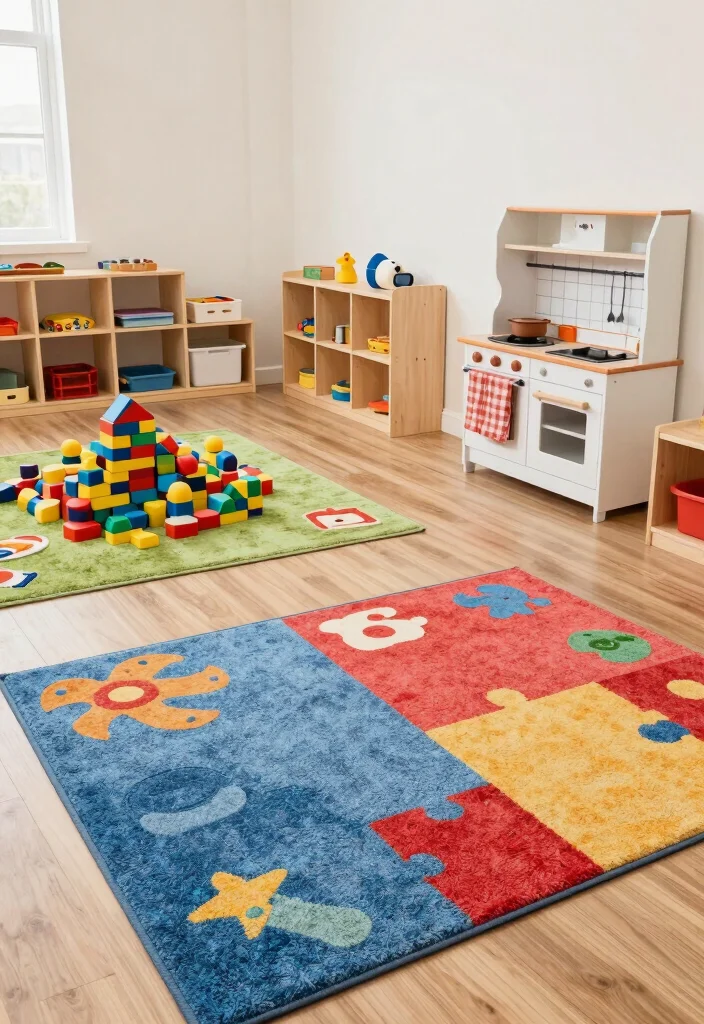
Creating interactive play zones within the playroom can significantly enhance engagement and play opportunities. Establishing distinct areas for activities like block building, pretend cooking, or puzzle solving allows children to flow seamlessly from one type of play to another.
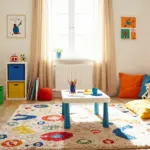
Using colorful rugs or mats to define each zone adds visual interest and helps kids understand where to play, encouraging independence and creativity. This structured layout also supports collaborative play with siblings or friends, enriching the overall experience.
Ideas for setting up interactive play zones:
– Incorporate sensory materials in each zone, such as sand or water stations for tactile exploration.
– Use labeled bins for toys specific to each activity zone to promote organization.
– Rotate out activities regularly to keep the playroom fresh and engaging.
This approach not only promotes active play but also encourages children to explore various interests within a well-defined and fun environment.
Fun fact: clearly defined play zones can boost engagement by up to 40% in small spaces. Colorful rugs help kids transition between block building, pretend cooking, and puzzles, turning playroom ideas into practical, independent and collaborative fun.
Interactive Play Zones
Editor’s Choice


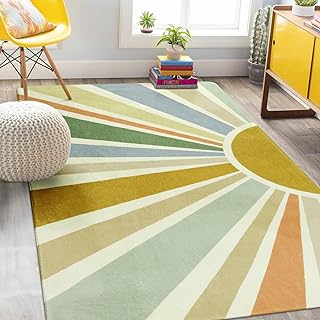

15. Outdoor-Inspired Play
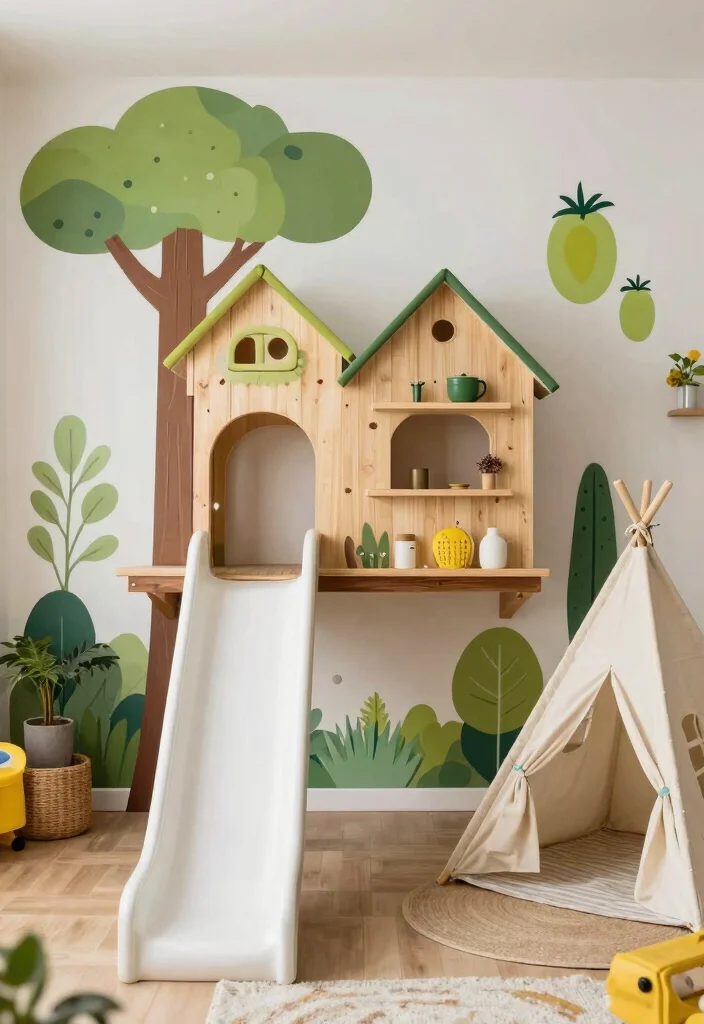
Infusing outdoor-inspired elements into the playroom can evoke joy and a sense of adventure. Consider using decor that resembles nature, such as treehouse-inspired shelves or wall decals that depict mountains and skies. Bringing in natural materials, like wooden toys or woven baskets, enhances this theme while adding a tactile element to the play experience.
Introducing play elements such as tents for imaginative adventures or a small indoor slide for physical activity encourages kids to engage in active play while staying safe indoors. This outdoor vibe fosters creativity and exploration within the confines of the playroom.
Suggestions for outdoor-inspired play decor:
– Use bright colors reminiscent of nature for decor accents.
– Include sensory elements like sand or water play stations for tactile fun.
– Ensure safety with soft landing areas for any indoor climbing or sliding equipment.
This nature-inspired approach creates a playful and imaginative environment that encourages active exploration.
16. Personal Touches
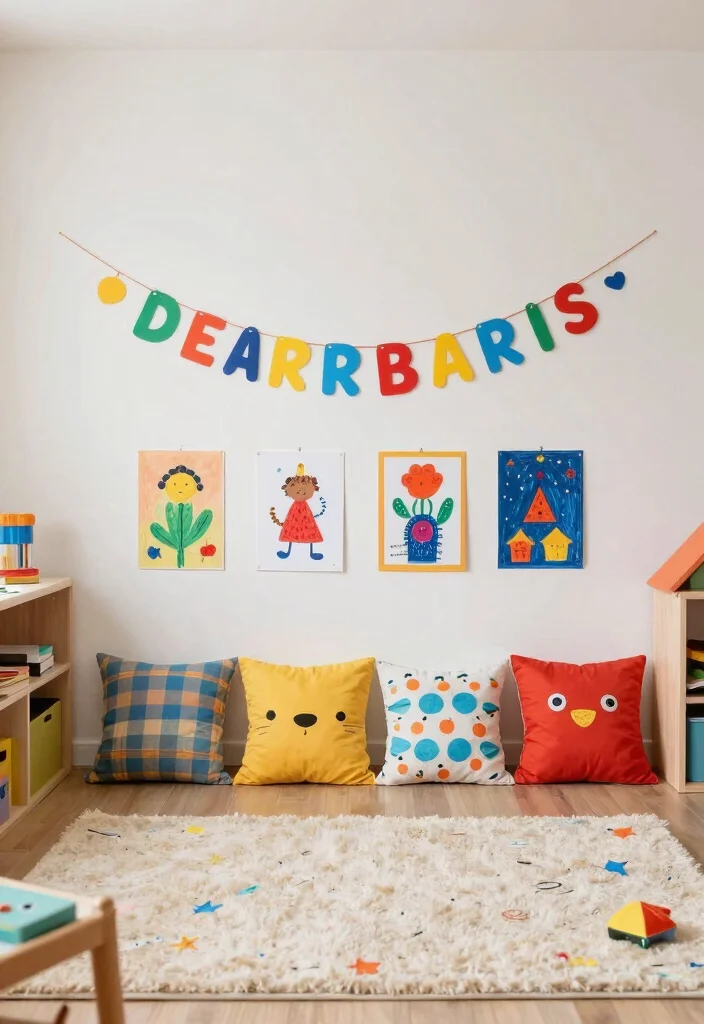
Incorporating personal touches can make a playroom feel truly special for your child. Include elements that reflect their personality, such as a dedicated wall for displaying their artwork or a section for their favorite toys. Personalizing the space with items like name banners or custom cushions fosters a sense of belonging and ownership.
Involve your child in selecting decor pieces or colors to ensure they feel connected to their space. A playroom that reflects their unique personality encourages creativity and makes them excited to play and explore.
Ideas for adding personal touches:
– Incorporate family photos into playful frames for a homey feel.
– Use a pinboard for showcasing new artwork and celebrating creativity.
– Create a special corner dedicated to their achievements to highlight milestones.
This personalized approach not only enhances the space but also nurtures a sense of identity and pride in their environment.
Personal Touches
Editor’s Choice




Conclusion
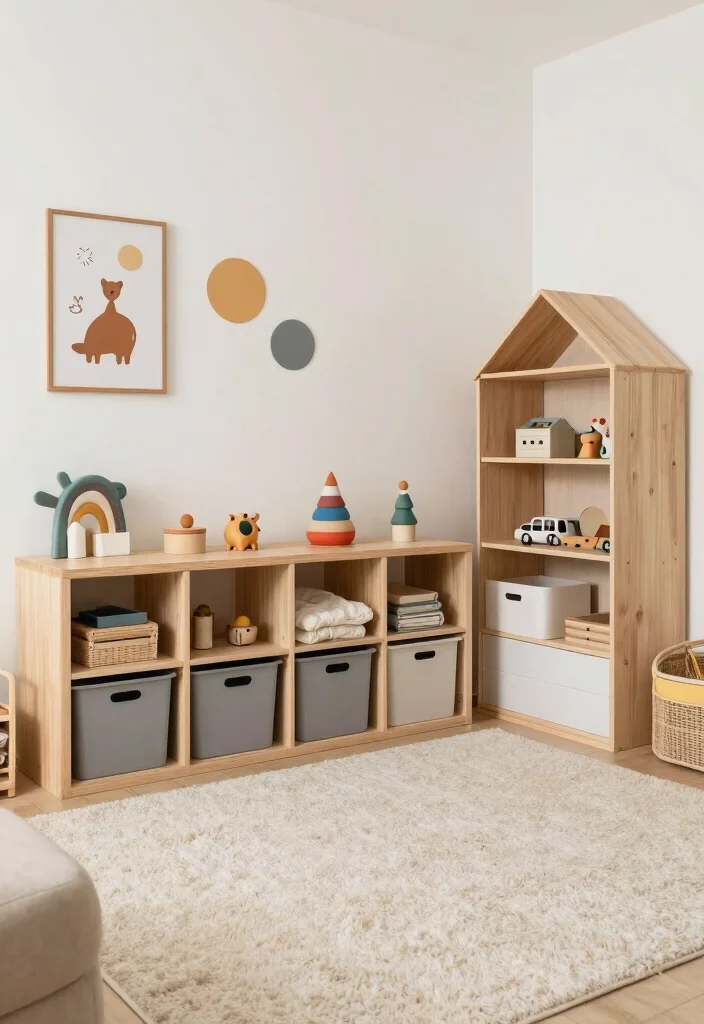
Crafting a playroom that balances fun with order can indeed enhance both playtime and organization.
By utilizing minimalist designs, smart storage, and engaging decor, you can create a space that nurtures creativity while keeping chaos at bay.
Consider these 16 playful yet organized ideas as a starting point to transform your small space into a haven for imaginative play.
Note: We aim to provide accurate product links, but some may occasionally expire or become unavailable. If this happens, please search directly on Amazon for the product or a suitable alternative.
This post contains Amazon affiliate links, meaning we may earn a small commission if you purchase through our links, at no extra cost to you.
Frequently Asked Questions
What are essential elements of minimalist playroom ideas for small spaces?
These minimalist playroom ideas keep a small space calm, functional, and flexible. Start with a light, neutral base and add color with a few textiles or wall art. Choose multifunctional furniture to save space, like a storage ottoman or fold-away table. Use creative storage solutions such as wall-mounted shelves, labeled bins, and under-seat drawers to keep toys out of sight, ensuring organized play spaces. Set up separate zones for quiet reading and active play to support playroom design goals in small rooms. Finally, rotate a small selection of toys to keep kids engaged without clutter.
How can I balance colorful play areas with a calm, minimalist vibe?
Keep the base palette neutral and use color as accents. Pick 2-3 colorful play areas accents—think a bright rug, a few cushions, and a wall decal—so energy stays lively without overwhelming the room. Use kids room decor elements that are intentional, like color-coded storage bins and a labeled toy system to support creative storage solutions and keep playroom ideas practical for daily life. Rotate bright items every few weeks to maintain freshness without chaos.
What are the best creative storage solutions for a small playroom?
Think vertical, modular, and labeled. Wall-mounted shelves and pegboards create creative storage solutions that free floor space. Use clear or labeled bins to quickly see what’s inside—boosting organized play spaces. Consider under-seat drawers and a compact rolling cart for rotating toys without clutter. For a kid-friendly look, choose durable, washable containers that fit your kids room decor style. Regularly rotate toys to keep the room fresh and calm while preserving function.
How can I design a playroom that’s easy to clean and maintain?
Choose durable materials: washable paint finishes, vinyl or laminate floors, and wipeable wall panels. Pick easy-to-clean textiles like machine-washable curtains or rug mats. Use closed storage to hide clutter—bins with lids and simple stacks help. Create a layout that minimizes dust catching decor and keeps floors clear for quick mopping. Establish a quick daily reset routine so the room stays orderly and inviting for playroom ideas to thrive.
How can I involve kids in the design without turning it chaotic?
Start by letting kids pick a color accent or one favorite accessory to own their space. Give them age-appropriate storage roles, like taking responsibility for a labeled bin. Create a simple ‘zone map’ on the wall to mark quiet reading, active play, and creative corners, and revisit it monthly. Use adjustable storage and furniture to grow with them, and establish a short toy rotation so new pieces stay exciting without overcrowding the room. This collaborative approach keeps things fun and under control, aligning with playroom design and organized play spaces goals.