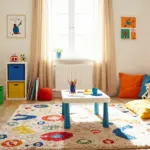
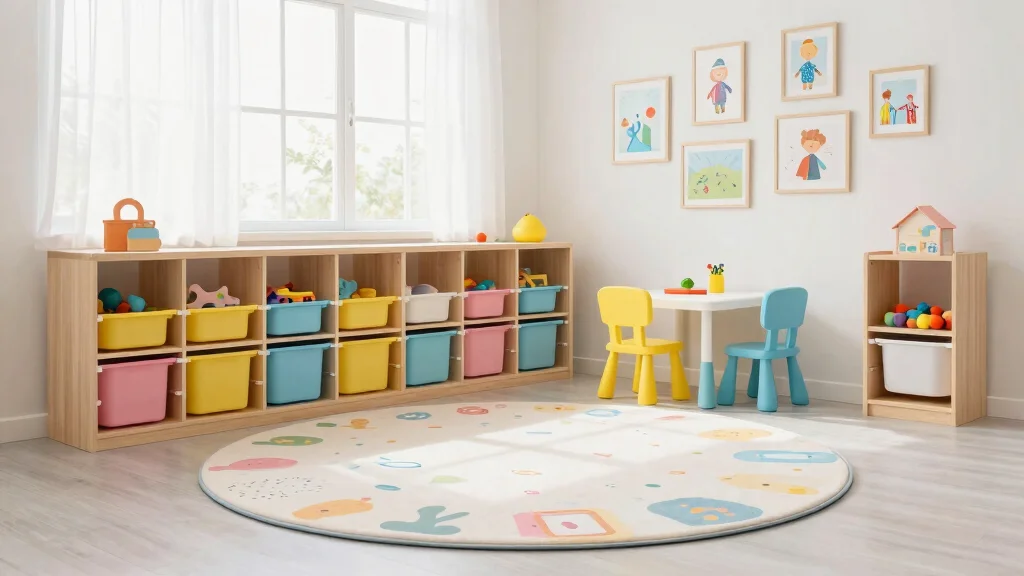
Creating a playroom in a small space often feels like an impossible task. You might find yourself wondering how to fit everything your kids love into a room that’s already tight on space. It can be challenging to find ways to keep the area open and airy while still making it functional and fun. That’s exactly why I put this guide together.
If you’re someone who cherishes minimalist design yet wants to maintain a playful atmosphere for your little ones, you’re in the right place. This post is tailored for parents, caregivers, and anyone looking to create a welcoming playroom that feels spacious and uncluttered. You’ll discover practical tips and clever ideas that allow you to maximize every inch of your small playroom without sacrificing style or comfort.
Get ready to transform that cramped corner into a vibrant play space! I’ve compiled ten creative playroom ideas specifically for small spaces that will make your area feel open, bright, and inviting. Each suggestion is designed to help you create a multifunctional space that not only looks good but also meets the needs of your children. Let’s dive in and make playtime both enjoyable and stylish!
Key Takeaways
– Multifunctional furniture is essential for small playrooms. Look for items that serve multiple purposes, like benches with storage or tables that fold down when not in use.
– Vertical storage solutions can help keep toys and supplies organized while maximizing floor space. Consider wall-mounted shelves or hanging organizers.
– Light and bright color schemes can make any space feel larger. Opt for whites and pastels to reflect natural light and create an airy vibe.
– Smart toy storage is key to maintaining order. Use bins and baskets that are easy for kids to access, so they can help tidy up after playtime.
– Create cozy nooks for reading or quiet time. A small, inviting corner with cushions and books can be a delightful retreat in a small playroom.
1. Multifunctional Furniture
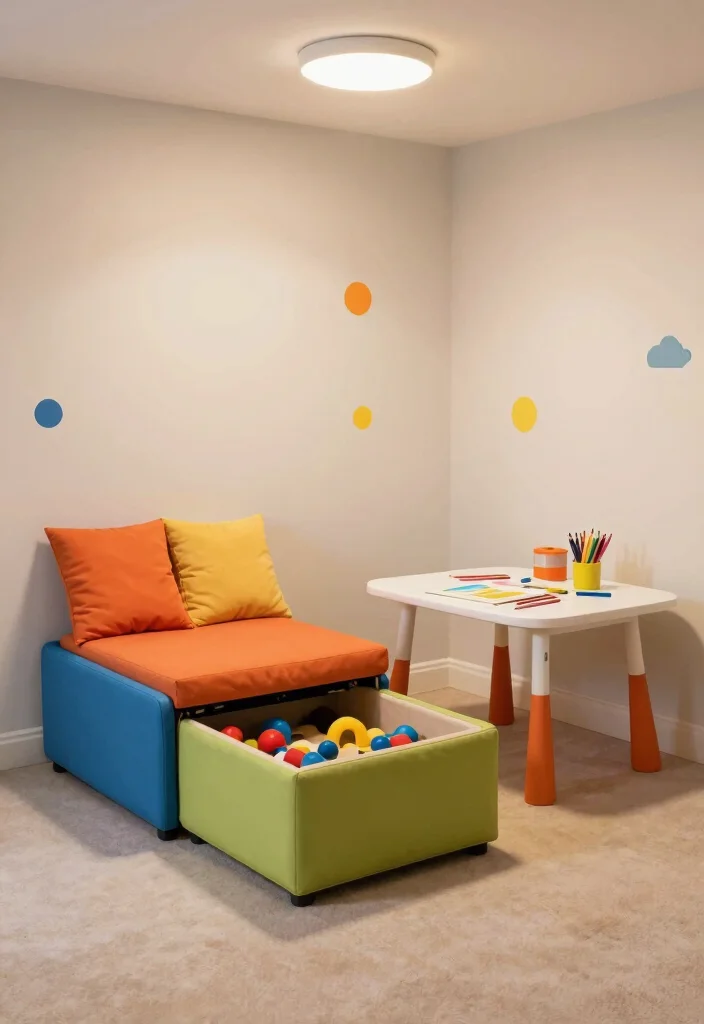
When you’re working with limited space, multifunctional furniture is invaluable. Pieces that serve multiple purposes, like a storage ottoman that doubles as seating or a play table, help maintain both functionality and style. For example, a chic bench with hidden storage can keep toys organized while providing extra seating for playdates. This balance of practicality and playfulness creates an inviting atmosphere for your kids to explore their creativity.
To make the most of this concept, look for adjustable items that can grow with your child’s needs. Consider budget-friendly options like DIY projects for transforming furniture or seeking out second-hand finds that can be easily updated. Flexible furniture not only saves space but also adapts to the latest design trends while enhancing the playful spirit of the room.
– Pair a storage ottoman with vibrant throw pillows for added comfort.
– Choose a foldable table that can be stowed easily when not in use.
– Use modular seating that can be rearranged for different activities.
– Incorporate stylish storage baskets to keep toys organized.
With the right choices, multifunctional furniture can create a harmonious playroom that is both fun and organized, enhancing your home’s aesthetic while meeting your children’s needs.
Multifunctional Furniture
Editor’s Choice




2. Vertical Storage Solutions
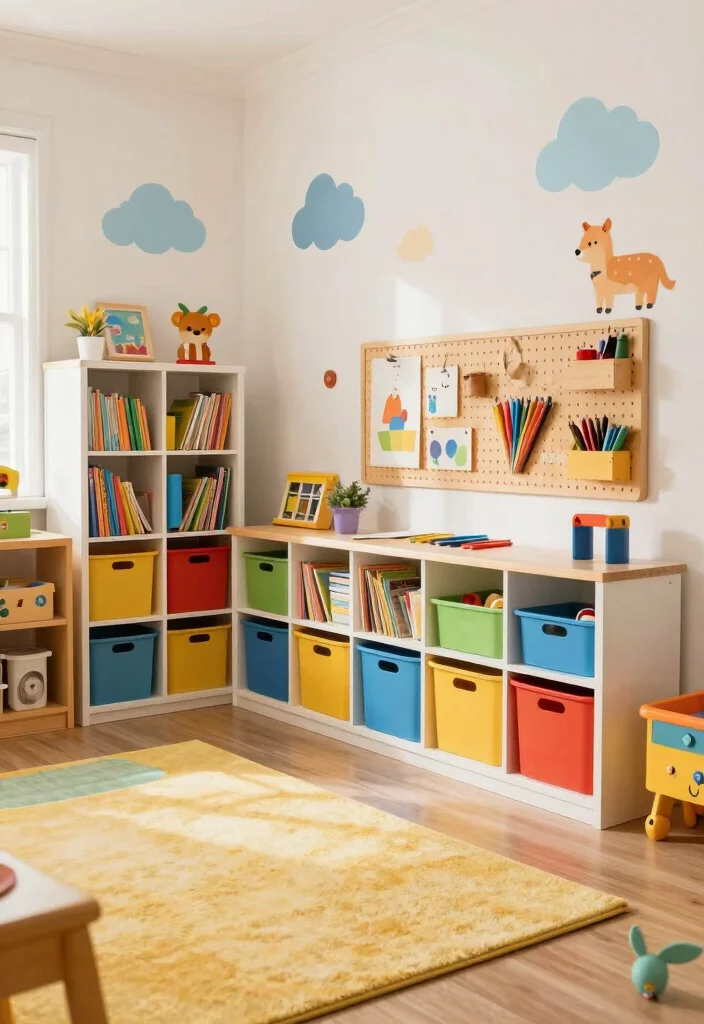
In a compact playroom, vertical storage is essential for maximizing space. By utilizing wall surfaces, you can install shelves or pegboards to display toys, books, and art supplies, making them easily accessible. This approach not only frees up floor space but also adds a playful flair to the room. For instance, colorful bins hung on a pegboard can bring vibrancy and organization simultaneously, ensuring the playroom feels light and airy.
To implement this effectively, consider adjustable shelving that can be repositioned as your child’s needs change. Scour thrift shops for unique shelving units or create your own to stay budget-friendly. Embracing vertical storage not only declutters your space but also creates an inviting environment that encourages creativity and organization.
– Use clear bins to make it easy for kids to find toys.
– Install wall-mounted baskets for added texture and storage.
– Keep heavier items on lower shelves for safety.
By focusing on vertical storage, you can create a stylish and functional playroom that encourages independence and tidiness.
“Vertical storage is a game-changer for playroom ideas small space. Shelves, pegboards, and colorful bins keep toys accessible while the room stays bright and open.”
Vertical Storage Solutions
Editor’s Choice


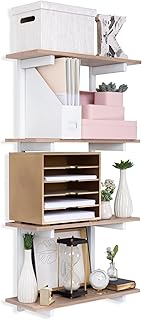
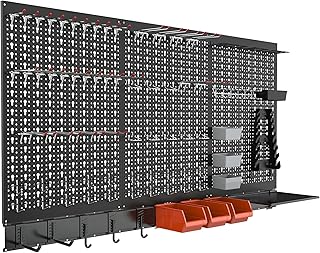

Dimensions & Size Guide
Standard Sizes & Measurements:
When designing a playroom in a small space, it’s essential to consider the size and layout. Here are some common dimensions you should know:
– Play Tables: A standard play table for kids typically measures about 24” to 30” in height and 36” to 48” in width. This provides enough room for several children to play comfortably.
– Toy Storage Bins: Look for bins that are at least 12” to 18” deep. This size allows for adequate storage while keeping toys accessible for little hands.
– Rugs: A playroom rug should ideally be at least 5’x7’. This size covers a good play area while leaving enough space around it to avoid feeling cramped.
– Seating: Kids’ chairs should be about 12” to 15” high. This height is perfect for children aged 3-6 years, making it easy for them to sit and stand up.
Make sure you consider the minimum space needed for proper fit and function. Ideally, you want at least 3’ of walkable space around furniture to maintain an open and airy feel.
Quick Reference Table:
Here’s a simple comparison of different sizes with their uses:
Size/Dimension – Best for: [use case], Minimum space needed: [measurement]
– 24” to 30” – Play tables, Minimum space needed: 3’ around
– 12” to 18” – Toy storage bins, Minimum space needed: 1’ clearance
– 5’x7’ – Play area rug, Minimum space needed: 2’ clearance
– 12” to 15” – Kids’ chairs, Minimum space needed: 3’ around
Space Planning Tips:
Planning your playroom’s layout is crucial. Here are some practical tips for measuring and arranging your space:
1. Measure the Room: Start by measuring the length and width of your playroom. This step helps you understand how much furniture can fit without overcrowding the space.
2. Use Tape to Outline: Use painter’s tape to outline where furniture will go. This gives you a visual representation and helps you determine if the flow feels right.
3. Consider Vertical Space: Maximize your vertical space with shelves or wall-mounted storage. This keeps floor space open and makes the room feel larger.
4. Plan for Traffic Flow: Make sure there are clear pathways. Avoid blocking doors or windows. You should have at least 3’ of open space to walk comfortably.
5. Try a Floor Plan App: Use a home planning app to experiment with different layouts before moving any furniture. It can save you time and energy!
Common Mistakes to Avoid:
– Not measuring before buying furniture can lead to overcrowding.
– Ignoring the need for walking space can make the area feel cramped.
– Focusing only on large items while neglecting small storage solutions can lead to clutter.
Pro Tip: The most important measurement to consider is the height of your furniture. Ensure that play tables and seating are kid-friendly, allowing easy access and comfort for playtime. Keeping this in mind will help create a functional and inviting playroom for your children.
3. Light and Bright Color Scheme
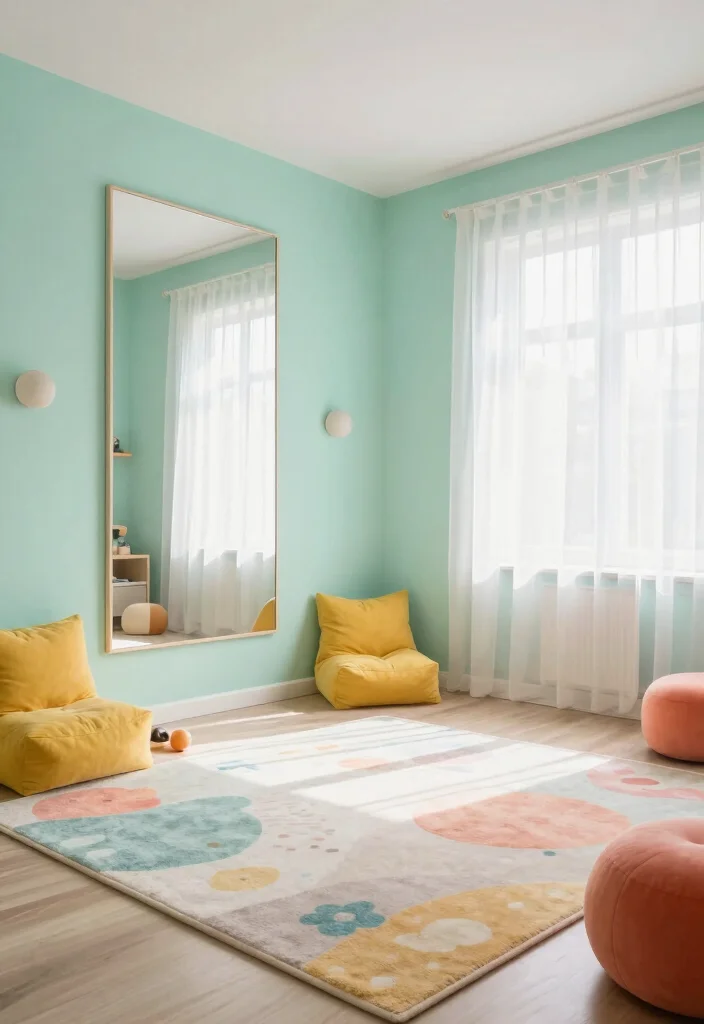
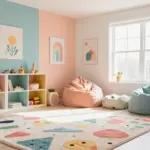
A light and bright color scheme can transform a small playroom into an expansive haven. Soft pastels and light neutrals work wonders to create an airy feel, while vibrant accents can be introduced through toys and decorative elements. By keeping larger items light, you invite more natural light, enhancing the open atmosphere. Accents like colorful cushions and playful rugs add bursts of cheer without overwhelming the space.
To execute this approach, consider starting with a base of light colors like pale gray or soft white, adding pops of color through decor items. Incorporating mirrors can dramatically amplify light and give an illusion of more space. This design not only looks beautiful but also fosters a lively and welcoming environment for your children.
– Choose light walls and furniture, then accent with peach or mint.
– Use wall art to inject color without cluttering the floor.
– Layer different textures with rugs and cushions for added interest.
This cheerful palette results in a joyful play area that feels both spacious and inviting.
Light, bright colors are your best friend in a small playroom—soft pastels plus light neutrals open the space, while playful cushions and rugs add cheer without clutter. Keep larger items light, and watch the room feel airy and inviting for every tiny explorer.
4. Creative Use of Rugs
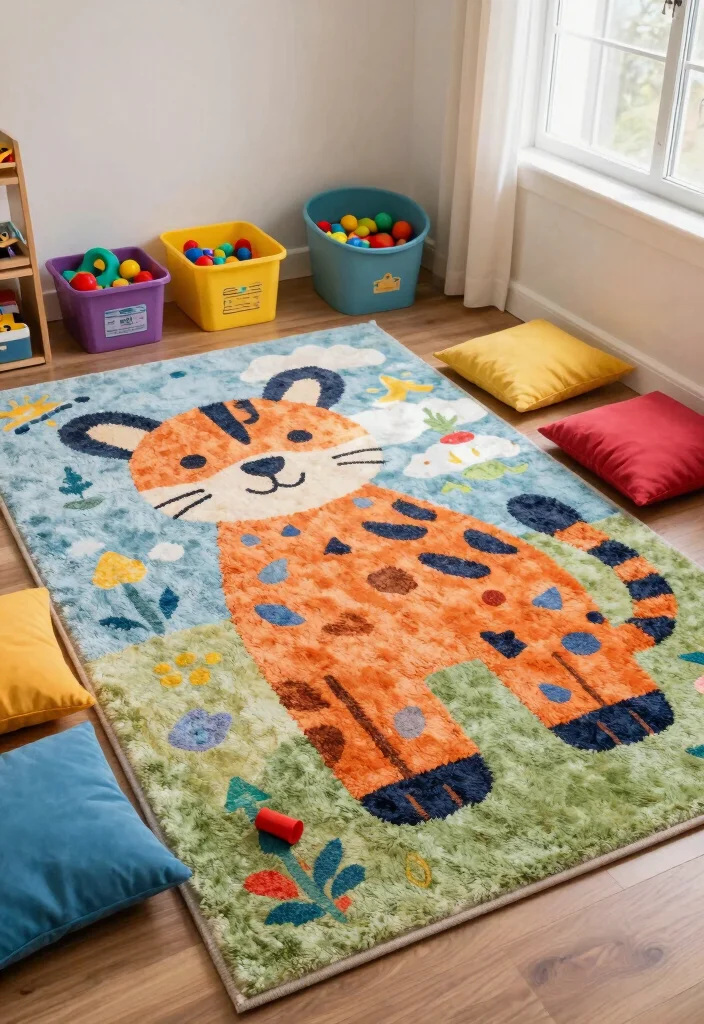
Rugs have the power to define play zones while adding warmth and character to a small space. A thoughtfully selected play rug can create a focal point amidst toys and activities. Opt for colorful rugs featuring playful designs, such as animal prints or road maps, which can engage your child’s imagination. Strategically placing a rug in a designated area can help organize playtime and maintain a tidy environment.
To maximize the impact of rugs, choose washable options for easy cleaning and maintenance. Layering rugs can also add depth and texture, creating a whimsical atmosphere that enhances the playroom’s charm. A vibrant rug can serve as a canvas for creativity, making playtime even more enjoyable.
– Select rugs that are easy to clean and durable.
– Ensure the rug is thick enough for comfort during playtime.
– Choose colors and patterns that harmonize with your overall design.
A well-chosen rug not only brings comfort but also establishes a cozy play environment where imagination can flourish.
5. Open Shelving
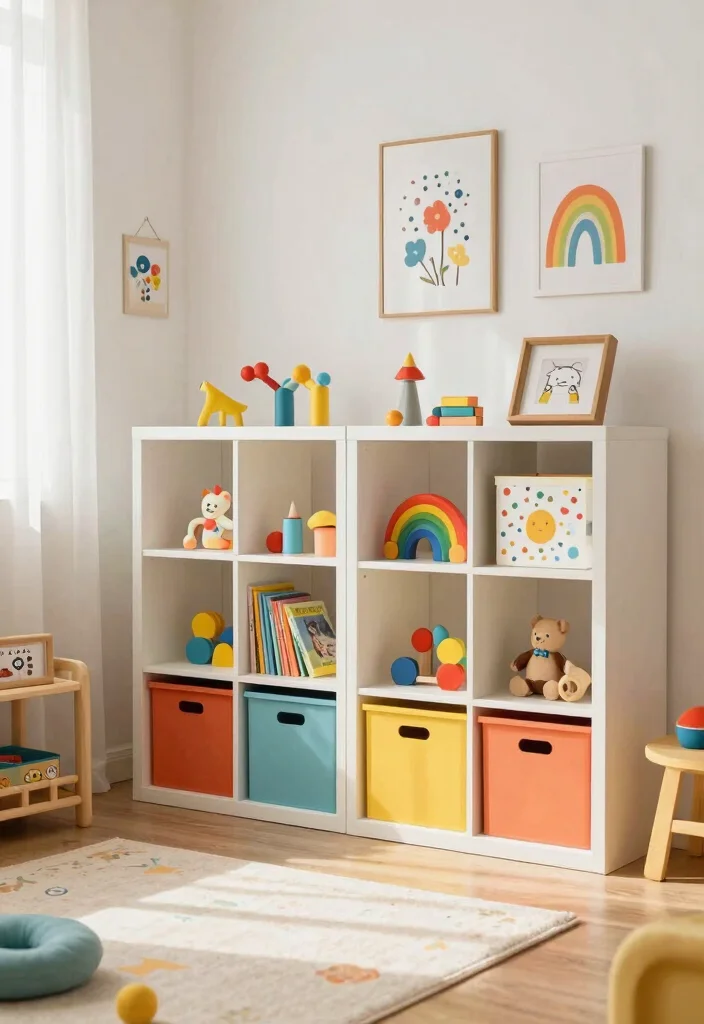
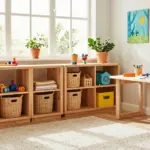
Open shelving is a fantastic way to showcase toys and books while keeping them organized. This design choice not only makes it simple for kids to see and access their belongings but also encourages them to participate in tidying up. Opt for shelves that are within their reach, allowing children to independently put away their items. Stylish bins can add color and flair, enhancing the overall decor while providing practical storage solutions.
Consider incorporating decorative elements like framed artwork or plants on the shelves to create visual interest. Make sure to keep heavier items on the lower shelves for safety. Regularly rotating toys and decor can keep the space feeling fresh and engaging for your little ones.
– Use colorful bins to store toys while enhancing the decor.
– Integrate decorative items for a personalized touch.
– Keep heavier items at eye level for safety.
Open shelving promotes interaction and independence, making it an appealing aspect of your playroom design.
6. Natural Light
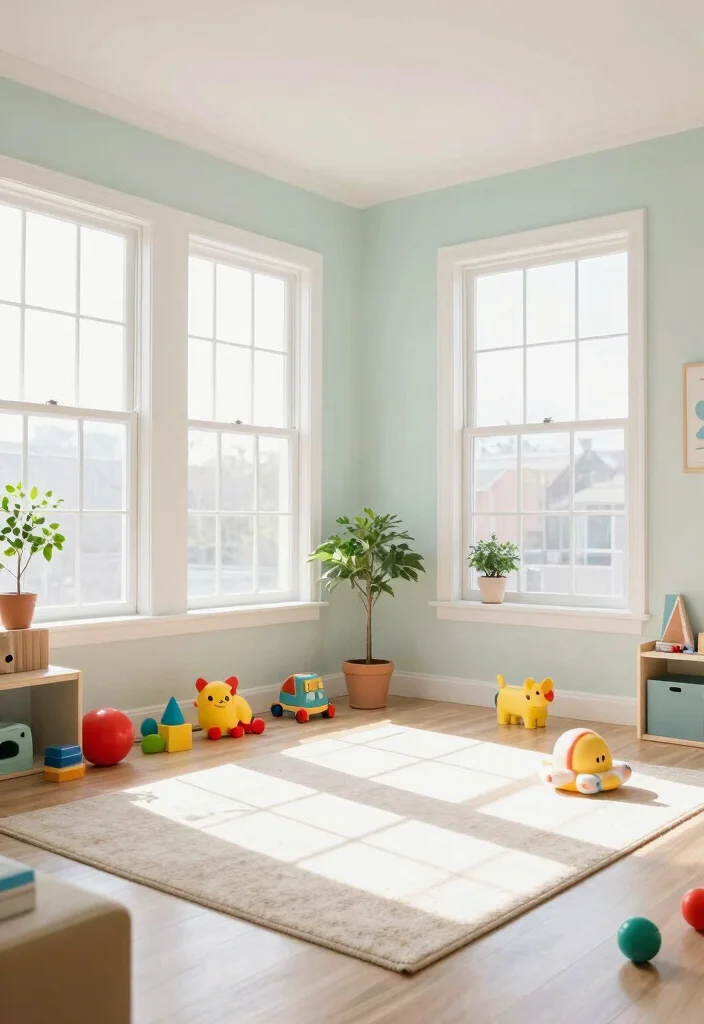
Enhancing natural light can dramatically elevate the mood of a small playroom. Large windows that invite sunlight create a cheerful atmosphere, making the space feel open and welcoming. If your playroom lacks windows, consider using light-colored curtains that allow sunlight to filter through while maintaining privacy. Strategically placing mirrors opposite windows can also reflect light, brightening up the room.
To optimize this effect, use sheer curtains for a soft touch without blocking light. Keeping window sills clear ensures maximum light penetration. Incorporating indoor plants can also add a natural element that complements the light, making the space feel more vibrant.
– Use sheer curtains for a light and airy feel.
– Keep window areas free from clutter for maximum brightness.
– Add greenery for a lively touch that works well with natural light.
Focusing on natural light creates a playful environment, fostering creativity and joy.
❝ Small spaces flourish with the right light. Let natural light flow in—sheer curtains and mirrors opposite windows brighten every corner, making your playroom ideas small space feel airy and welcoming. Pro tip: layer soft textures and light colors to keep the vibe calm and open!
7. Personalized Artwork
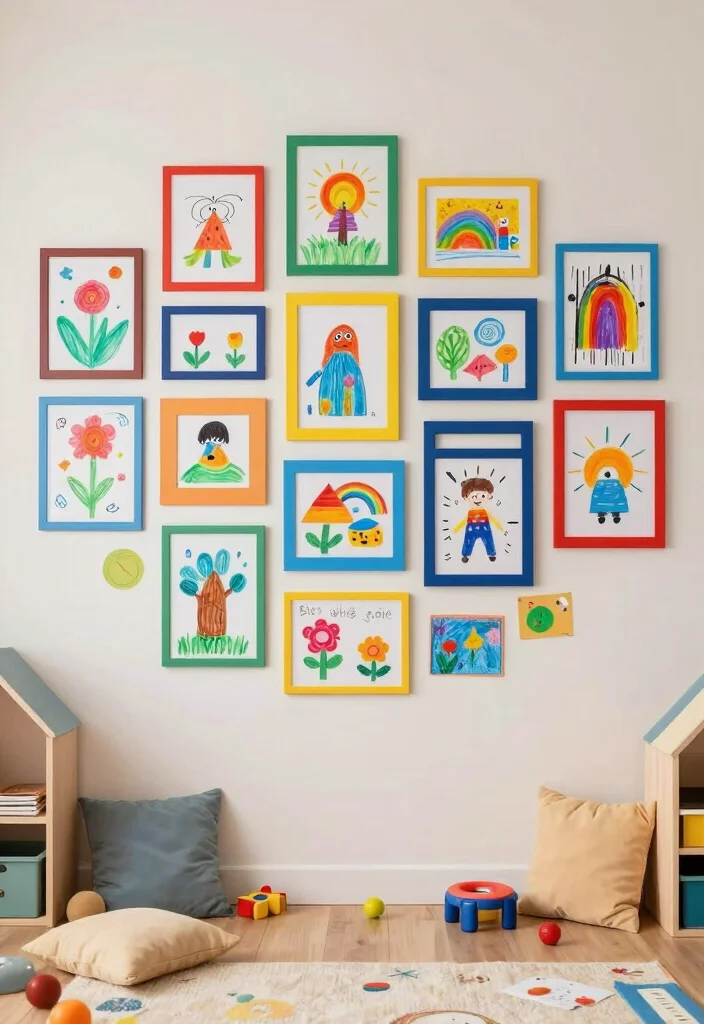
Incorporating personalized artwork brings a unique and heartfelt touch to your playroom. Encourage your child’s creativity by showcasing their art on the walls, which not only beautifies the space but also instills a sense of pride. Consider dedicating a wall for rotating framed artwork, keeping the decor fresh and engaging. Elements like chalkboard paint can offer an ever-changing canvas for their imagination.
Use colorful frames that complement the artwork rather than overshadow it. Arrange pieces gallery-style for a fun visual impact. Mixing various sizes and shapes of frames can create an eclectic and vibrant atmosphere in the room.
– Frame children’s artwork in bright, cheerful colors.
– Create a gallery wall for a playful visual effect.
– Don’t hesitate to mix frame styles for added character.
Personalized artwork transforms the playroom into a cherished space filled with creativity and memories.
Personalized Artwork
Editor’s Choice


![[2-Pack] Kids Art Frames, 8.5x11 Front Opening Kids Artwork Frames Chang...](https://m.media-amazon.com/images/I/718t69oU94L._AC_UL320_.jpg "10 Playroom Ideas Small Space That Still Feel Open and Airy 34")

8. Smart Toy Storage
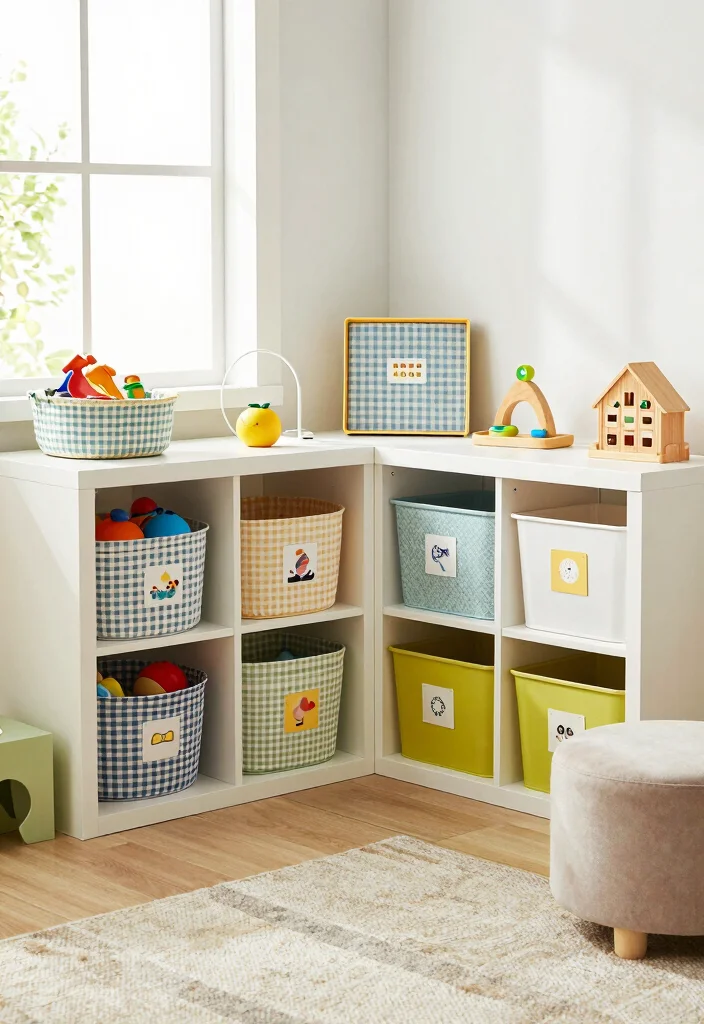
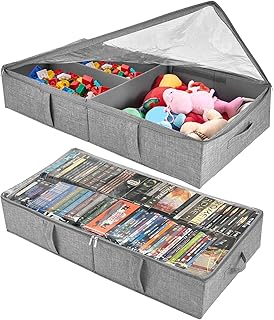
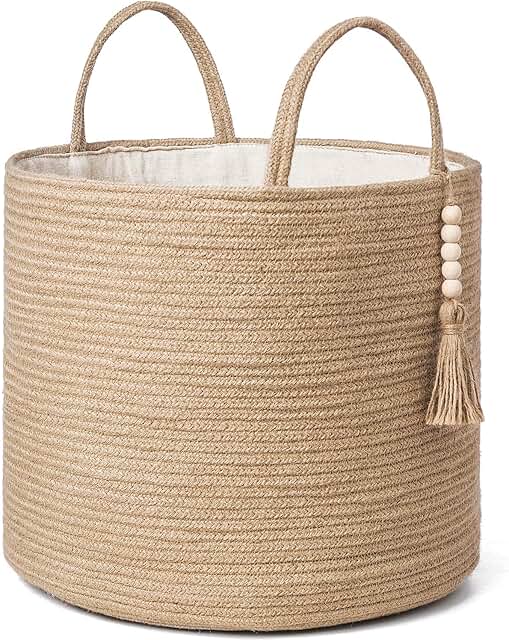
Efficient storage solutions are crucial for maintaining an organized playroom. Invest in smart storage that seamlessly blends with your decor while providing ample space for toys. Options like under-bed storage, ottomans with compartments, or decorative toy boxes can keep the room tidy and stylish. Utilizing baskets for storage can add a cozy look, making cleanup easier and more appealing.
When everything has a designated spot, children are more likely to participate in tidying up, fostering a sense of responsibility. Labeling bins with fun graphics can also encourage reading while keeping things organized. This approach not only enhances the room’s aesthetics but also promotes independence.
– Ensure storage is accessible for children of all ages.
– Opt for durable materials that can withstand playtime wear.
– Include decorative elements within storage for added style.
Smart toy storage makes a significant difference, creating a calm and structured environment that children will love.
Smart Toy Storage
Editor’s Choice



9. Folding Play Tables
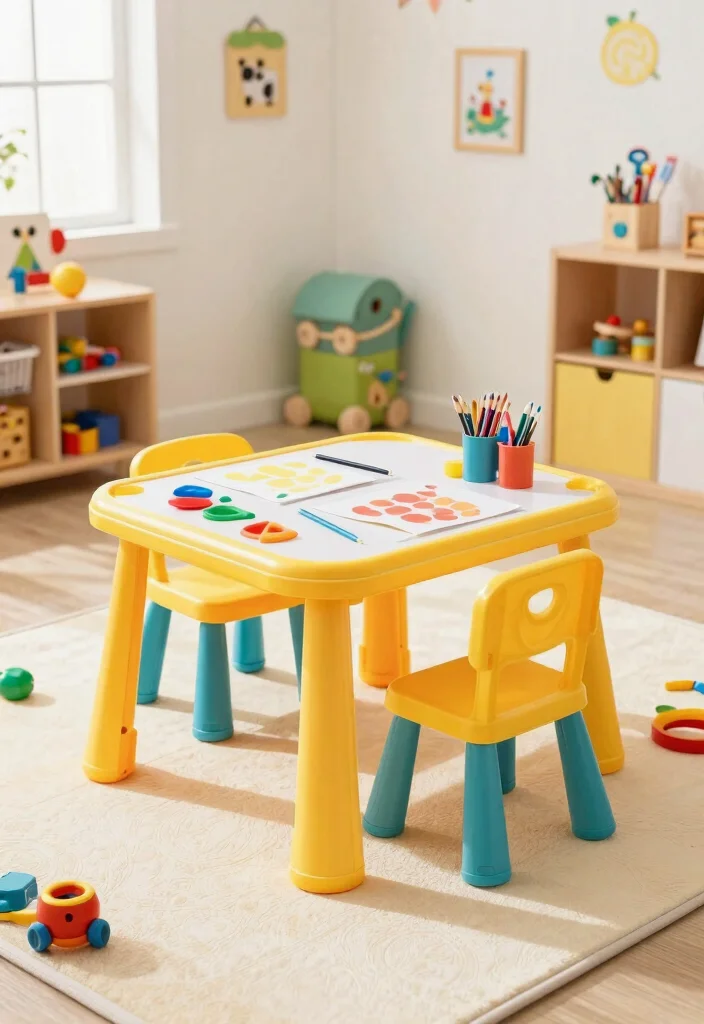
In a small playroom, a versatile foldable play table can be incredibly useful. These tables can be easily set up for various activities, whether it’s art projects, puzzles, or snack time, and tucked away when not in use. Look for lightweight tables that children can move themselves, allowing them to adapt their play area as needed. Bright colors or fun designs can make them attractive additions to your decor, encouraging creativity.
Incorporating folding chairs that can be neatly stored under the table maximizes your space. Consider tables with built-in storage to keep art supplies or games organized. This flexibility allows for a dynamic play environment that can change with your child’s interests.
– Choose tables that are easy to store and lightweight.
– Personalize with colorful paint or fun decals.
– Ensure materials are durable and safe for children.
Folding play tables enhance the functionality of a small playroom, creating a space that is adaptable for learning and play.
10. Cozy Reading Nook
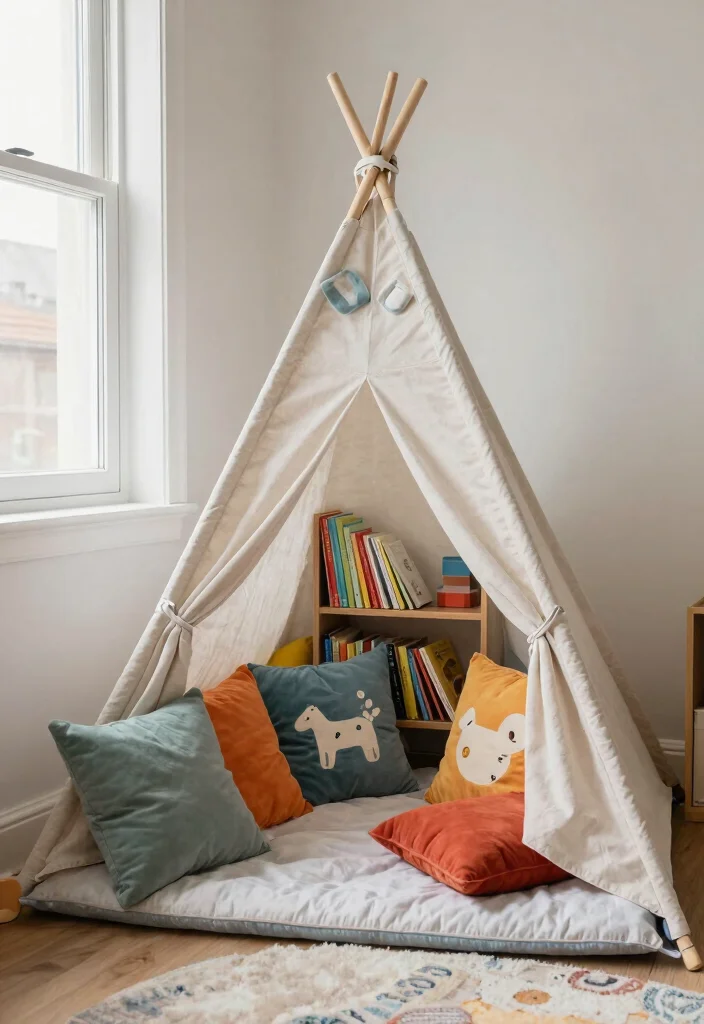
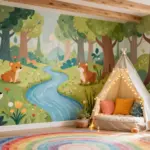
Designing a cozy reading nook can provide a tranquil retreat within a bustling playroom. Create a space filled with plush cushions, soft throws, and a small bookshelf stocked with accessible books, encouraging a love for reading. This nook can be as simple as a corner with a bean bag and a lamp, or as imaginative as a decorative teepee inviting children to snuggle up with a good book. Bright cushions and whimsical decor enhance the cozy atmosphere while aligning with your overall design.
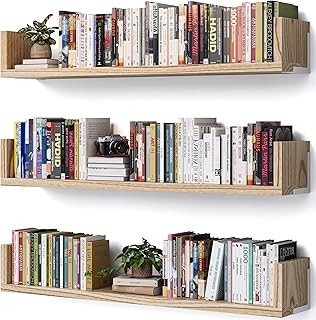
Utilize wall-mounted shelves to save floor space while keeping books organized and within reach. Arrange cushions in different shapes and sizes for added comfort, and consider rotating books regularly to keep the nook interesting. This thoughtful design fosters a love for reading in a delightful and inviting setting.
– Use wall-mounted shelves to maximize space efficiency.
– Layer cushions for comfort and visual appeal.
– Change out books periodically to keep the nook fresh.
A cozy reading nook creates a peaceful sanctuary, encouraging creativity and a passion for reading within a playful environment.
Cozy Reading Nook
Editor’s Choice



Conclusion
Designing a small space playroom can be an exciting challenge that allows for creativity and clever solutions. Incorporating multifunctional furniture, maximizing vertical space, and focusing on a bright and airy color scheme can transform any small area into an inviting playground for kids.
From personalized artwork to cozy reading nooks, these playroom ideas cater to both fun and functionality, making the most out of limited space. Embrace these ideas and enjoy creating a space that your children will love to play and grow in!
Note: We aim to provide accurate product links, but some may occasionally expire or become unavailable. If this happens, please search directly on Amazon for the product or a suitable alternative.
This post contains Amazon affiliate links, meaning we may earn a small commission if you purchase through our links, at no extra cost to you.
Frequently Asked Questions
What are the top playroom ideas for small spaces that still feel open and airy?
Think light, bright, and uncluttered. Start with an airy playroom decor theme using white or pale neutrals as the base and add soft accents.
Use vertical storage with wall-mounted shelves and clear bins to keep toys off the floor, which instantly widens the feel of the room.
Choose multifunctional furniture for kids—storage ottomans, benches with hidden bins, and a compact table that can double as an art station.
Define zones for play, reading, and creativity without cluttering, and you’ll achieve the best playroom ideas small space for an open, airy vibe.
How can I maximize space in a small playroom without sacrificing fun?
Focus on smart storage and flexible furniture. Use wall-mounted organizers, low-profile shelves, and a pegboard to keep craft supplies within reach but off the floor.
Opt for modular seating that can be rearranged into a bigger play surface when needed, and choose a light color palette to maintain an airy feel.
Keep a slim desk or fold-away table for crafts or homework, so you can scale the room for different activities without losing floor space. These strategies align with maximizing space in playrooms while preserving kid-friendly charm.
Which multifunctional furniture pieces work best for kids in a compact playroom?
Look for furniture that hides toys and adds seating at the same time. A storage bench or toy chest with a lid doubles as a seat, a wall-mounted folding table creates a compact art corner, and modular shelving can reconfigure as play ideas change.
Pair these with a wall-mounted activity board or pegboard to keep art supplies handy without crowding surfaces.
These multifunctional furniture for kids options are perfect for small playroom designs in tight spaces.
What color palette and decor choices create an airy feel in a small playroom?
Base the room in light neutrals—whites, creams, pale grays—and layer in soft pastels or bright accents sparingly. Use color on a single wall, a rug, or a few accessories to keep energy without cluttering your senses, delivering airy playroom decor vibes.
Choose reflective surfaces and ample natural light, and pick durable, easy-clean materials for busy kids.
For bright colors for small spaces, use them as small pops that tie the room together rather than swamping it.
How can I maintain a minimalist, kid-friendly vibe in a small space playroom design?
Start with a disciplined approach to toy storage: closed bins, labeled boxes, and furniture with built-in compartments to hide clutter.
Limit the number of toys on display and use a cohesive palette to achieve a small space playroom design for minimalist homes look.
Choose durable, easy-clean materials and pieces with rounded edges for safety.
Keep surfaces uncluttered, use modular furniture that grows with your kids, and adopt a simple ‘one-in, one-out’ rule to stay organized.