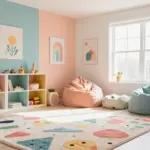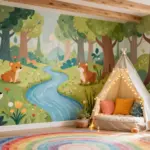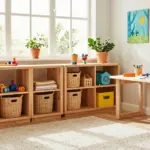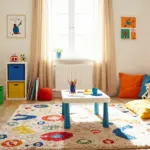
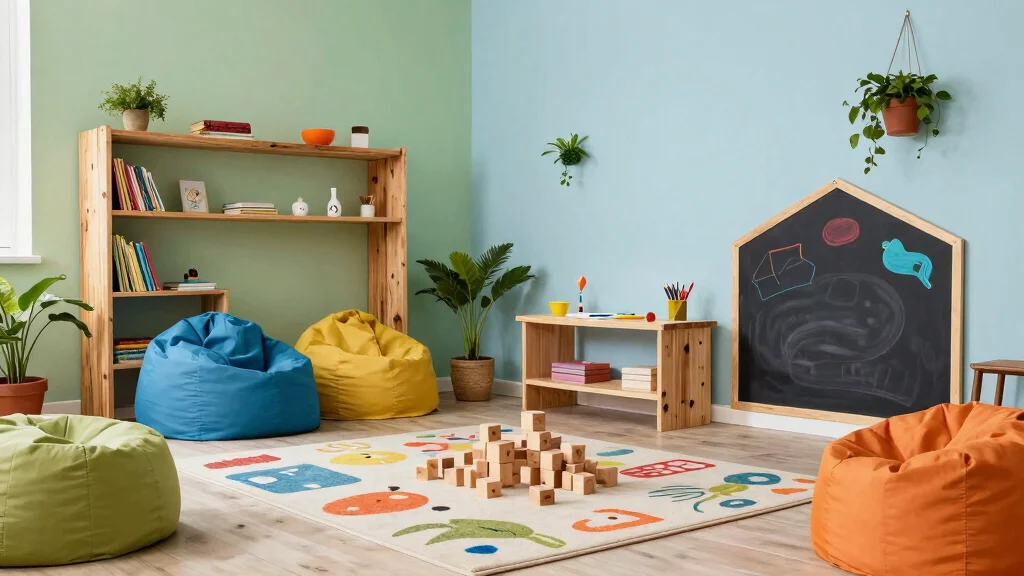
Creating a playroom for your kids can feel like a big task, especially if you want to inspire their creativity and connect with nature. In today’s world, where eco-friendliness is gaining importance, many parents are looking for ways to make their child’s play area both playful and sustainable. That’s why I crafted this guide filled with 15 kid playroom ideas that naturally spark imagination while being kind to the planet.
If you’re a parent or caregiver who wants to create a space that encourages creativity and learning, you’ve landed in the right place. You care about giving your kids a haven where they can explore, learn, and, most importantly, have fun. This post is packed with ideas that are not only visually appealing but also functional and environmentally friendly.
Get ready to dive into a world of playroom design that features playful color schemes, interactive play zones, and creative storage solutions. Each idea is designed to inspire your kids and can easily fit into your home. By the end of this article, you’ll have a treasure trove of practical tips and options to create a vibrant and eco-conscious playroom that your little ones will love.
Key Takeaways
– Explore nature-inspired color schemes that create a calming and encouraging environment for your kids to play and learn.
– Discover interactive play zones that promote hands-on experiences and foster creativity through unique play activities.
– Consider eco-friendly furniture choices that not only look good but also support sustainability and reduce your carbon footprint.
– Implement DIY creative storage solutions to keep the playroom organized without compromising on style.
– Incorporate educational decor ideas that subtly teach your children while they engage in their favorite activities.
1. Nature-Inspired Color Schemes
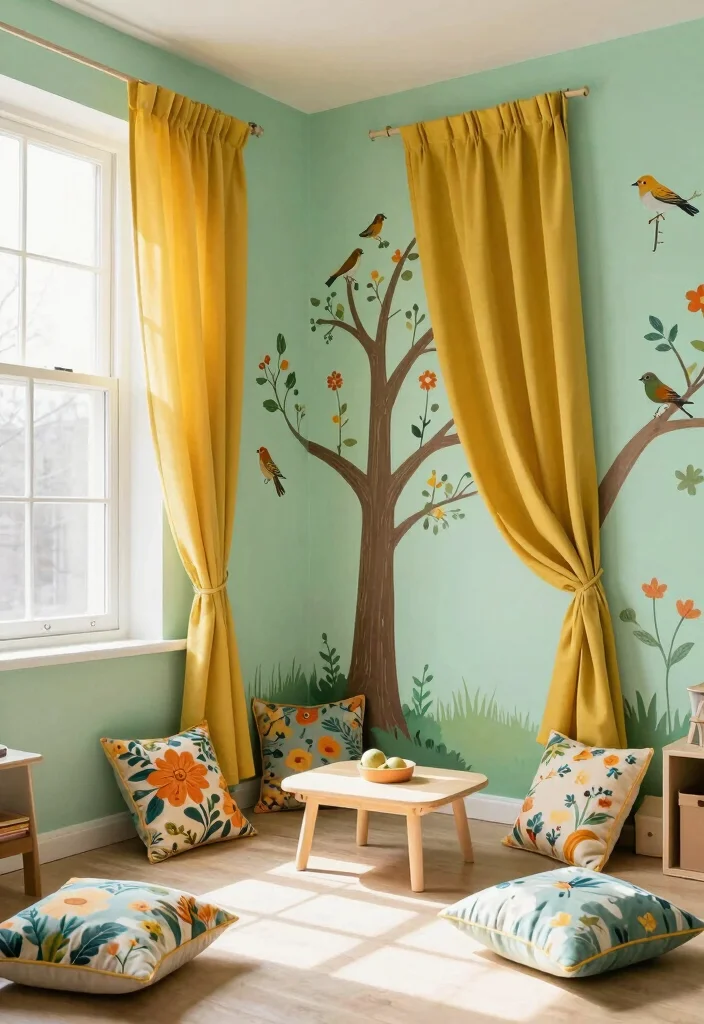
When designing a kid’s playroom, selecting a nature-inspired color scheme can create a serene and inviting environment. Soft greens, earthy browns, and cheerful yellows evoke the feeling of the great outdoors, promoting relaxation and sparking creativity. For instance, a wall painted in a gentle sage green paired with warm wooden furniture can feel refreshing and calm, making playtime more enjoyable.
To truly embrace this palette, consider adding wall decals of trees, flowers, or playful animals. Accessories such as botanical print cushions or curtains can amplify the theme and enhance the playful atmosphere.
Tips:
– Use low-VOC paints to maintain a healthy indoor environment.
– Pair bold accent colors with neutral walls to keep the room balanced.
– Incorporate natural materials like bamboo or reclaimed wood to enrich the design.
This combination can transform your playroom into a sunny garden retreat, where imagination flourishes and creativity thrives.
Nature-inspired color palettes unlock kid playroom ideas—sage greens, warm browns, and sunny yellows turn a playroom into a calm studio. Add wall decals of trees and flowers to bring the outdoors in, boosting focus and joyful play.
Nature-Inspired Color Schemes
Editor’s Choice




2. Interactive Play Zones
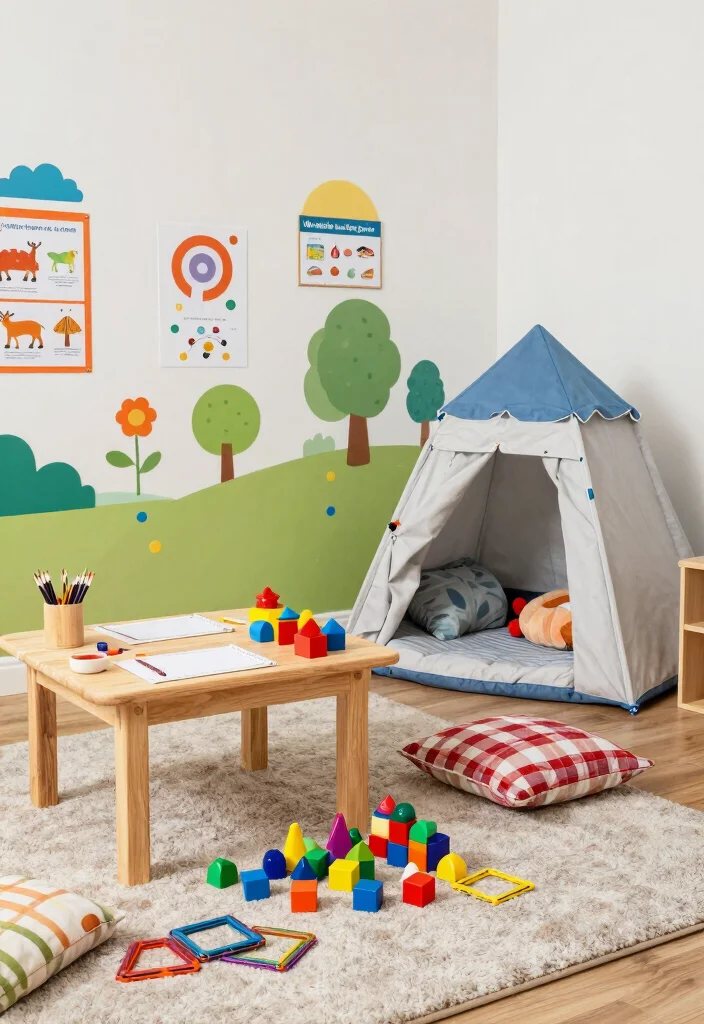
Creating interactive play zones within your child’s playroom can significantly boost their creativity and engagement. Designate areas for art, building, and imaginative play, allowing kids to explore their interests freely. For instance, a vibrant art corner equipped with a small easel, non-toxic paints, and ample paper invites creativity and self-expression.
Incorporate building materials like blocks or magnetic tiles, alongside a DIY fort area made from blankets and cushions for endless adventures. A quiet zone with books and educational games provides balance, encouraging both exploration and relaxation.
Good to know:
– Keep supplies organized in eco-friendly containers for easy access.
– Create defined spaces to help children focus on various activities.
– Rotate toys and materials regularly to maintain their interest.
With these interactive zones, your playroom becomes a vibrant hub of creativity, where children can learn and grow through play.
Interactive Play Zones
Editor’s Choice


3. Eco-Friendly Furniture Choices
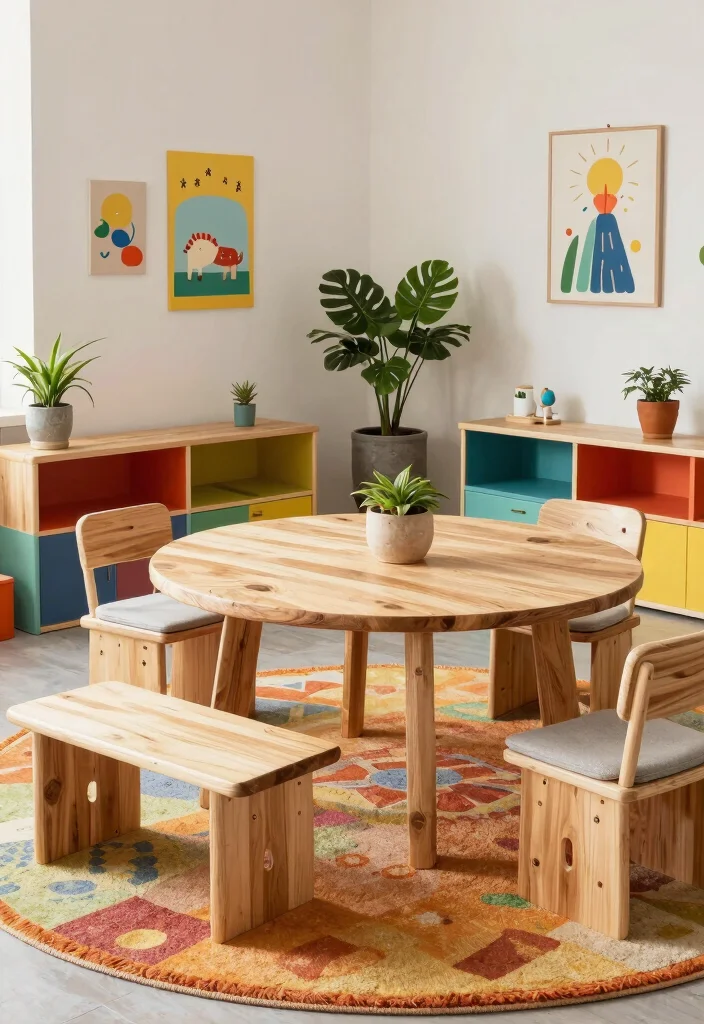
Choosing eco-friendly furniture is essential for a sustainable and safe playroom. Look for pieces crafted from recycled materials or sustainably sourced options like bamboo. Prioritize non-toxic finishes to ensure your little ones’ safety while they play and explore.
Opt for multi-functional furniture, such as benches that serve as storage or tables designed to grow with your child. This not only maximizes space but also promotes longevity in your furnishings.
Tips for selection:
– Research brands that are committed to sustainability and ethical sourcing.
– Choose adaptable furniture that evolves with your child’s needs.
– Avoid plastic items to create a more natural atmosphere.
By investing in eco-friendly furniture, you cultivate a stylish space that contributes positively to the environment.
4. DIY Creative Storage Solutions
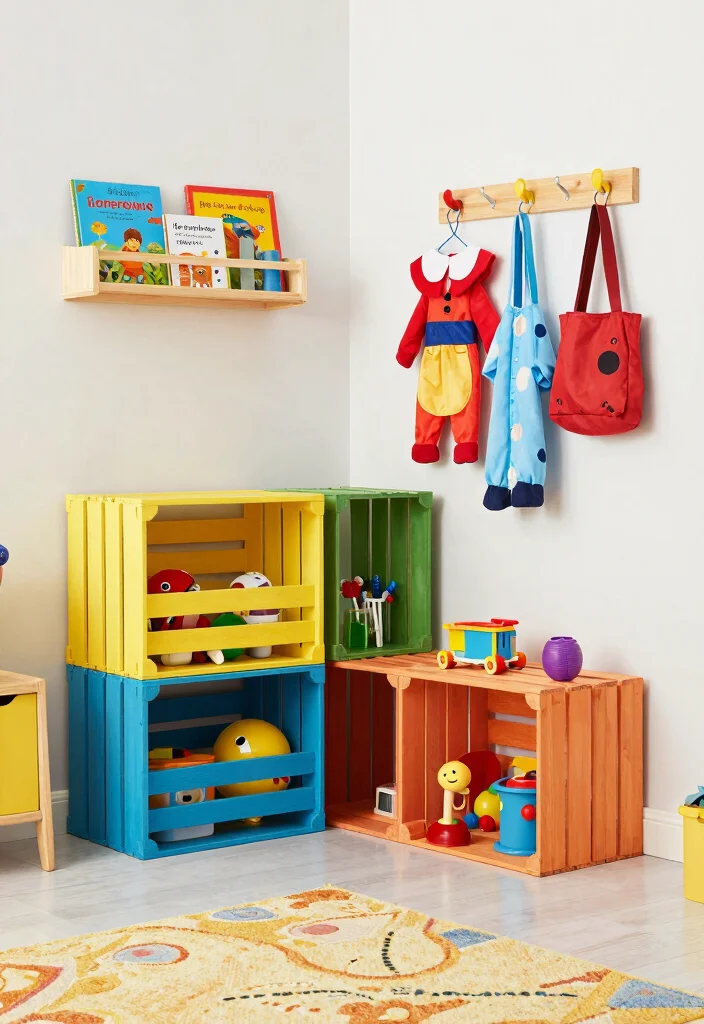
Effective storage solutions are crucial for maintaining order in a playroom while encouraging creativity. Get inventive with DIY storage ideas that are both functional and visually appealing. Utilize wooden crates or colorful baskets to neatly organize toys and art supplies.
Labeling and painting these containers can teach kids valuable organization skills. Wall-mounted shelves provide an excellent option for displaying favorite books or art supplies without taking up floor space.
Helpful hints:
– Use hooks to hang bags and costumes for easy access.
– Create a rotation system for seasonal toys to keep things interesting.
– Incorporate colorful bins to transform clean-up into a fun activity.
These creative storage solutions not only keep the playroom tidy but also make organization an engaging part of playtime.
5. Nature-Inspired Decor
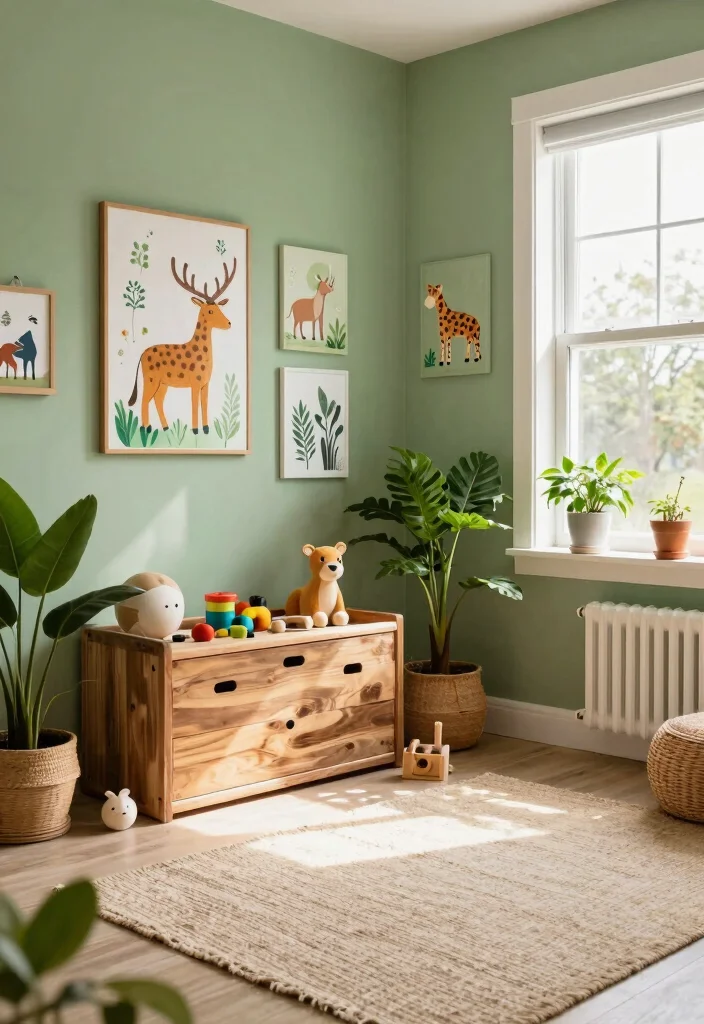
Incorporating nature-inspired decor into your child’s playroom can instill a love for the outdoors. Use natural elements, such as indoor plants, wooden toys, and animal-themed decorations, to create an inviting atmosphere. Wall art featuring landscapes or wildlife can spark creativity and curiosity about nature.
Hanging planters not only add a playful touch but also improve indoor air quality, making the space healthier for kids.
Ideas to implement:
– Choose child-safe plants like spider plants or succulents for easy care.
– Create a nature-themed wall with photographs or artworks showcasing different ecosystems.
– Use natural materials like wool or cotton for rugs and cushions for added texture.
This nature-inspired decor will beautify the space while nurturing an appreciation for the environment in your child.
6. Educational Decor Ideas
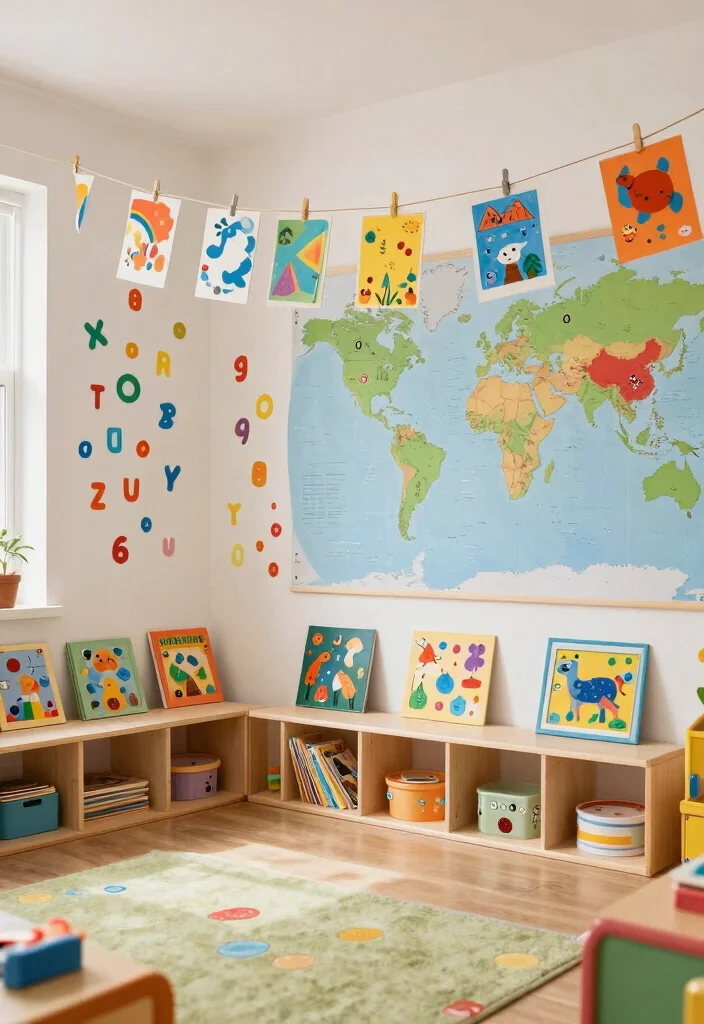
Learning can be fun and engaging! Incorporate educational decor that inspires curiosity and exploration. Wall decals featuring the alphabet, numbers, or maps can transform your playroom into a vibrant learning zone.
Display children’s artwork on string lines or dedicate a gallery wall to showcase their creativity and progress, making them feel proud of their achievements.
Consider these ideas:
– Create a world map mural where kids can pin places they dream of visiting.
– Use playful charts or infographics that connect to their interests.
– Include puzzles or games that promote critical thinking and problem-solving.
Educational decor not only engages children’s minds but also seamlessly integrates learning into their playtime.
Did you know kids engage 2x longer when their play space doubles as an interactive learning zone with wall maps and alphabet decals? A gallery wall of their artwork boosts confidence and curiosity, making kid playroom ideas feel exciting and achievable.
7. Create a Reading Nook
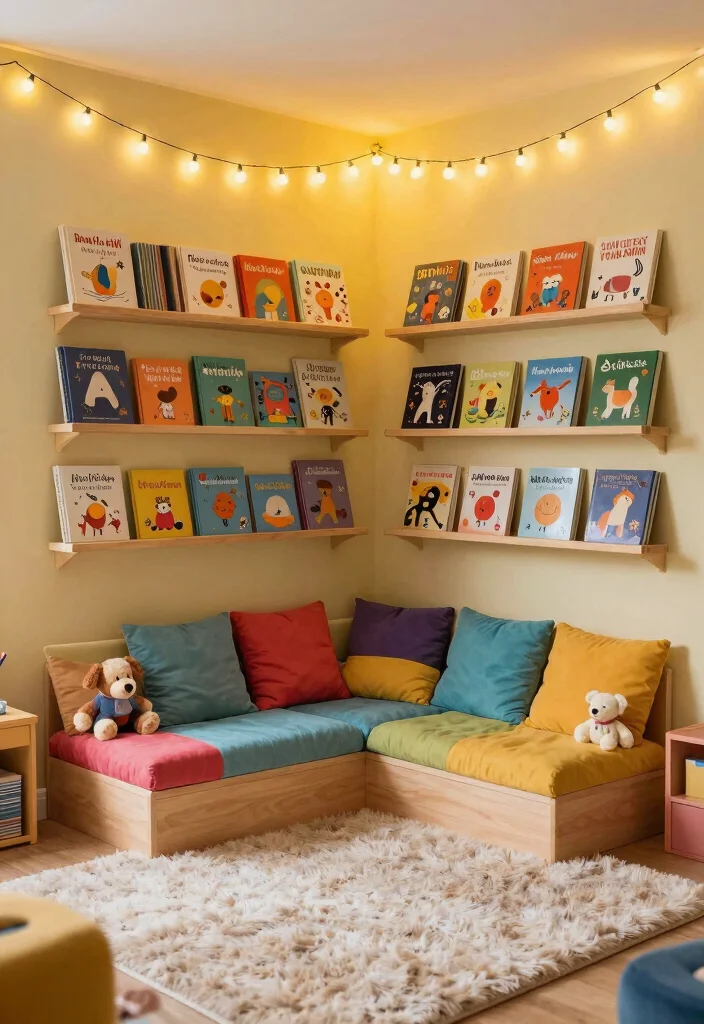
A reading nook can be a magical retreat for kids, filled with cozy seating and a treasure trove of books. Use low shelves for easy access to their favorite stories, and scatter cushions or a small sofa to create a warm, inviting atmosphere.
Incorporate soft, warm lighting or fairy lights to enhance the cozy vibe and encourage a love for reading.
Tips for a perfect nook:
– Use bright, whimsical fabrics for pillows and blankets to spark joy.
– Keep the area tidy with storage solutions for books and toys.
– Regularly refresh the book selection to keep it exciting and engaging.
This nook can become a cherished space where children dive into stories or share books with friends, fostering a lifelong love of reading.
Fun fact: within kid playroom ideas, a dedicated reading nook can boost independent reading time by 20–30 minutes daily. Cozy seating, warm lighting, and easy-access shelves turn reading into a mini-adventure kids can’t resist.
Create a Reading Nook
Editor’s Choice

KidKraft Wooden Bookcase with Reading Nook, Storage and Gray Cushion, White


8. Use of Sensory Materials
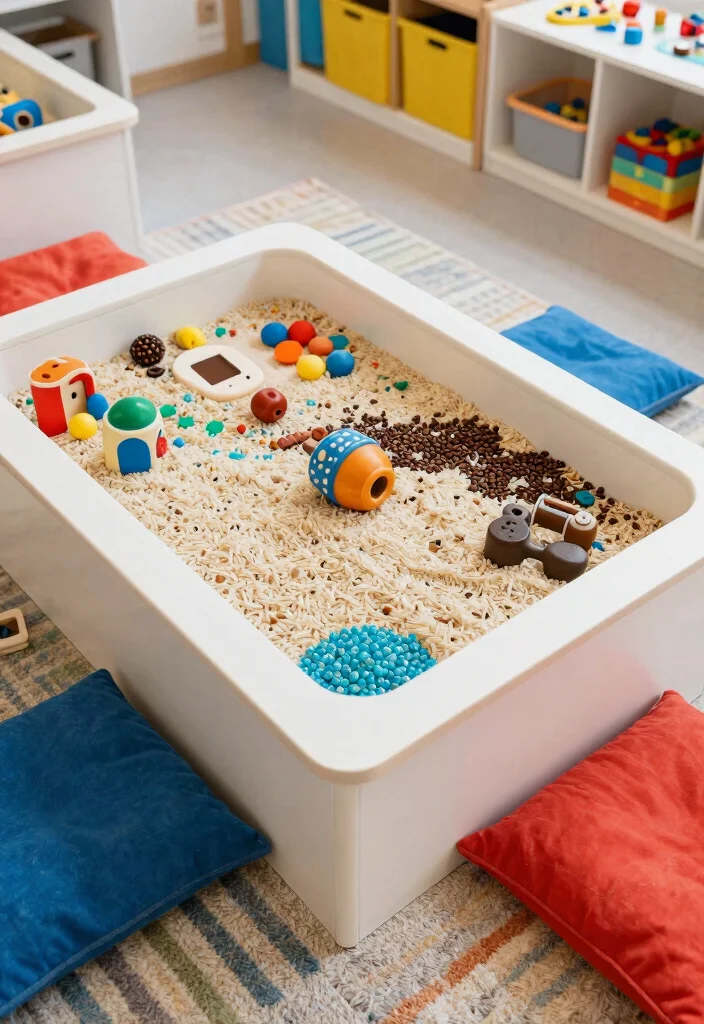
Creating a sensory-rich environment can significantly enhance playtime while supporting cognitive development. Incorporate materials with various textures, such as soft fabrics, tactile toys, and sensory bins filled with rice, sand, or water beads.
These sensory experiences help develop fine motor skills and stimulate creativity, making playtime both fun and educational.
Suggestions for sensory play:
– Fill a large container with different textures for exploration and discovery.
– Use materials like playdough or clay for creative modeling and expression.
– Introduce calming sensory items, like smooth stones or soft fabrics, for moments of relaxation.
This approach allows toddlers and young children to engage deeply with their play, learning about the world through their senses.
9. Natural Light Emphasis
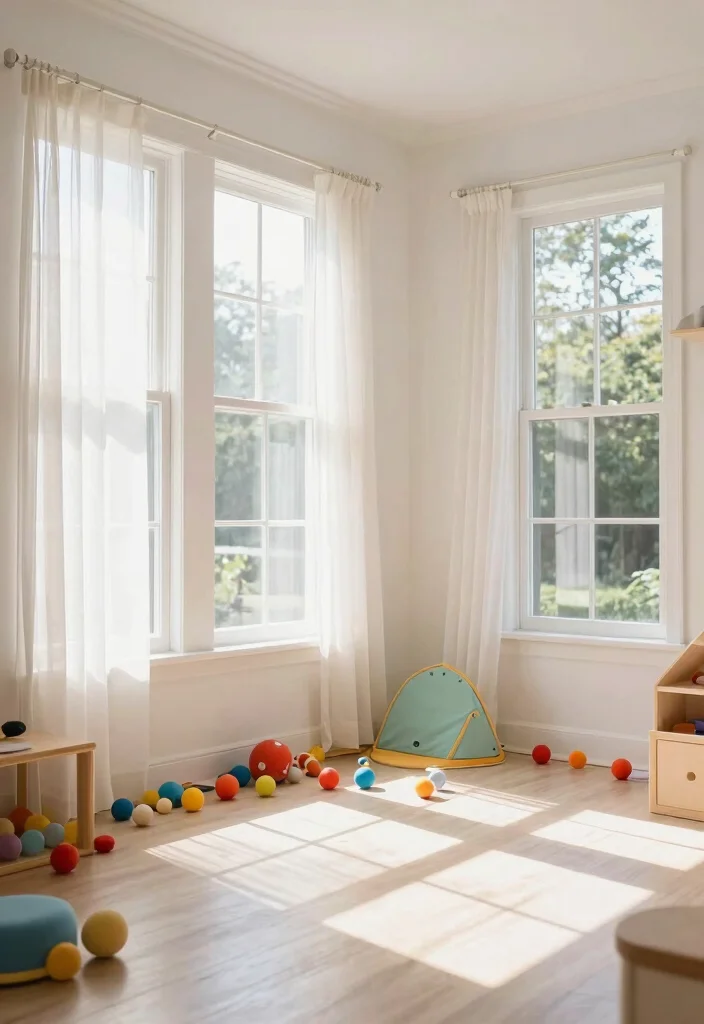
Natural light can dramatically transform your playroom, fostering a bright and cheerful atmosphere. Maximize sunlight by keeping windows clear and using light, sheer curtains. Bright, well-lit spaces encourage creativity and reduce stress, making playtime more enjoyable for your little ones.
If your playroom has limited windows, mirrors can be used to reflect light and create the illusion of a brighter space.
Ideas for lighting:
– Use light-colored paint to brighten walls and ceilings, enhancing the light effect.
– Add soft lighting fixtures that mimic natural daylight for a warm glow.
– Position play areas near windows for maximum light exposure.
With a focus on natural light, your playroom will radiate warmth and positivity, creating an inviting environment for play and creativity.
Natural Light Emphasis
Editor’s Choice


How To Choose Eco-Friendly Kid Playroom Ideas
When designing a playroom, you want to create a space that is both fun and safe for your children. Choosing eco-friendly options can help inspire creativity while being kind to the planet. Here are some key factors to consider when selecting eco-friendly kid playroom ideas:
1. Materials Matter
Look for furniture made from sustainable materials, such as bamboo, reclaimed wood, or recycled plastic. These materials not only reduce environmental impact but also bring unique textures and warmth to the playroom. Avoid particleboard and other materials that off-gas harmful chemicals. Choosing natural finishes can enhance both safety and aesthetics.
2. Playful Color Schemes
Colors can influence mood and creativity. Opt for non-toxic, low-VOC paints and stains in your playroom design. Earthy tones, soft pastels, or vibrant primary colors can all inspire play and creativity. Consider how different colors will interact with natural light and choose shades that make the space feel inviting and stimulating.
3. Creative Storage Solutions
A tidy playroom encourages imaginative play. Choose storage solutions that are not only functional but also eco-friendly. Look for fabric bins made from organic cotton or storage units crafted from recycled materials. Open shelving can help kids easily access their toys, fostering independence. Remember to involve your kids in organizing; it can be a fun activity that teaches them responsibility.
4. Interactive Play Zones
Incorporate areas that encourage active play and interaction. Use natural elements like a small indoor garden or a sensory wall made from various textures. Consider adding a craft station with supplies from eco-friendly brands. These zones can keep children engaged and promote hands-on learning, making the playroom a hub of creativity.
5. Sustainable Toys and Crafts
When selecting toys, prioritize those made from sustainable materials. Look for wooden toys or those made from recycled plastics. Consider DIY crafts using natural materials or recyclables. This not only keeps the playroom eco-friendly but also teaches kids about sustainability and resourcefulness. Encourage them to invent their own games using everyday objects.
6. Natural Light Emphasis
Maximize natural light in the playroom. Use window treatments that allow sunlight to flow in while providing privacy. Natural light not only brightens the room but also boosts children’s mood and energy levels. Consider positioning play areas near windows to create inviting spots for reading or creative activities.
Pro Tip: To ensure your eco-friendly choices are effective, involve your children in the design process. Ask for their input on colors, themes, and activities they enjoy. This way, they’ll feel a sense of ownership in their playroom and be more likely to take care of it. Plus, it can be a fun bonding experience for the whole family!
Creating an eco-friendly kid playroom is all about blending safety, creativity, and sustainability. By carefully choosing materials, colors, and interactive elements, you can craft a space where your children can thrive, play, and learn about caring for the environment.
10. Art Station for Creativity
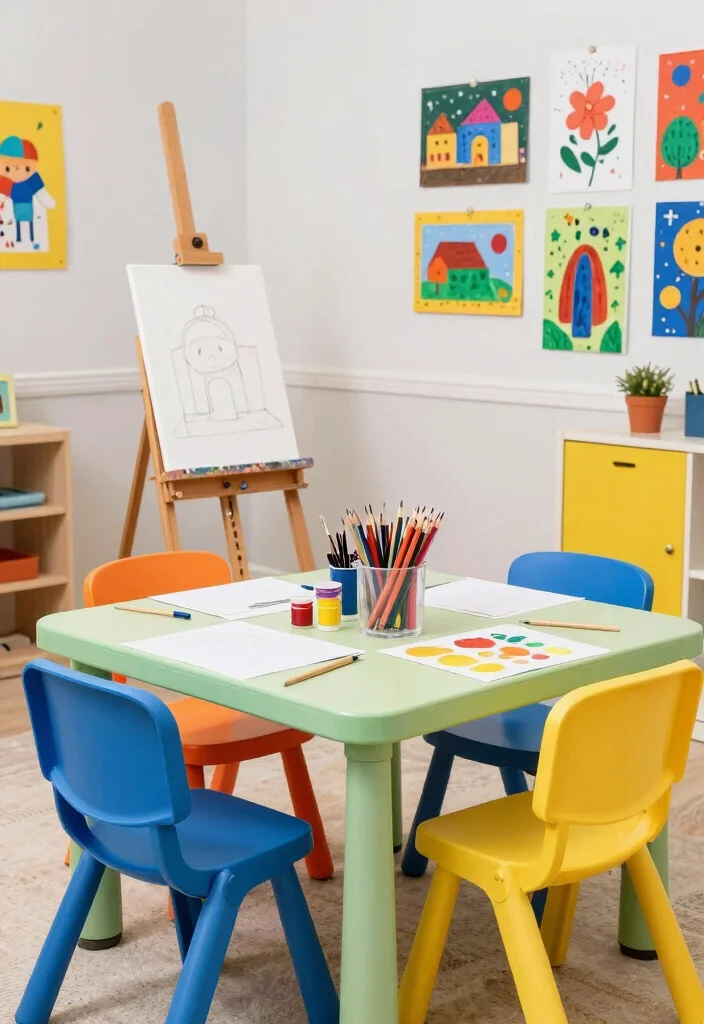
An art station is essential for nurturing creativity in any playroom. Set up a dedicated area with a small table, easels, and a variety of art supplies, including crayons, paints, paper, and recycled materials for crafting.
Encourage free expression by allowing kids to explore and create without restrictions, helping them develop fine motor skills and emotional intelligence.
Key elements for an art station:
– Use non-toxic supplies for safety and peace of mind.
– Keep materials organized in bins for easy access and cleanup.
– Display finished artwork to boost children’s confidence and pride in their creations.
An art station cultivates creativity while providing a designated space for kids to unleash their imaginations.
11. Incorporate Music Areas
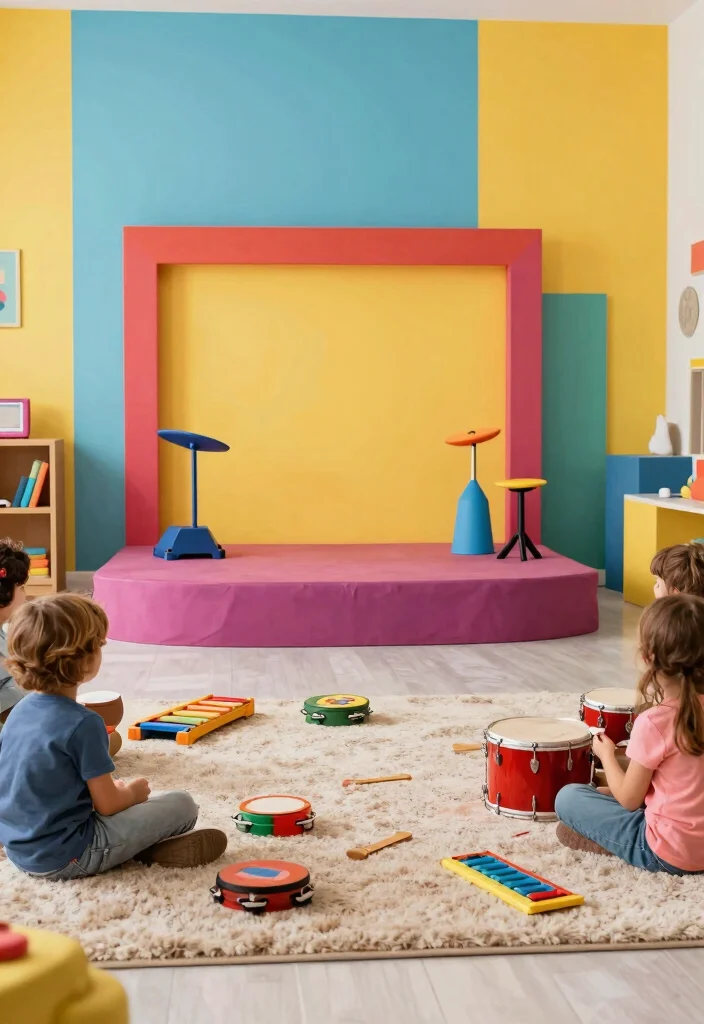
Music can ignite imagination and creativity, making it a vital component of a playful environment. Design an area filled with a variety of instruments, such as tambourines, xylophones, and homemade shakers, encouraging kids to experiment with sounds and rhythms.
Create a mini stage for their performances, allowing them to express themselves artistically and gain confidence in their abilities.
Tips for a musical playroom:
– Use soundproofing options if noise becomes an issue.
– Combine music with movement by including space for dancing and physical expression.
– Introduce musical storytelling sessions to blend art and music, enriching their experiences.
This musical haven encourages exploration and fosters a lifelong love for rhythm and melodies.
12. Sustainable Toys and Crafts
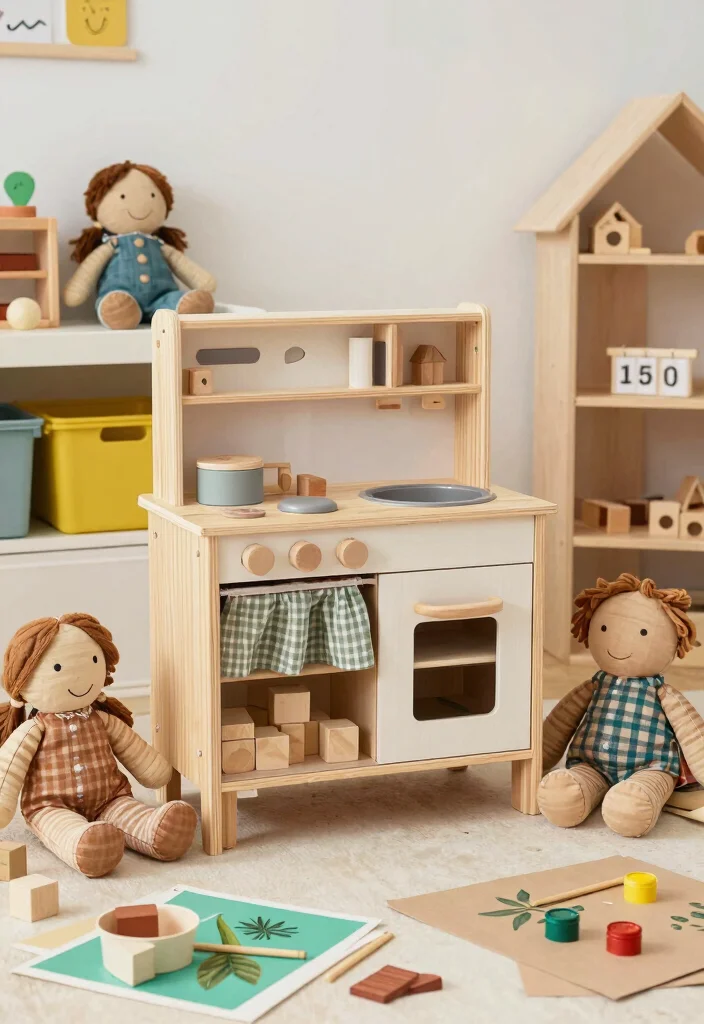
Opting for sustainable toys is a fantastic way to promote creative play while being mindful of the environment. Seek out items made from natural materials like wood or organic fabrics, steering clear of plastic toys that contribute to waste.
Encourage crafting with eco-friendly materials, allowing children to create their own toys and projects. This not only sparks creativity but also teaches the importance of sustainability and caring for our planet.
Suggestions:
– Encourage DIY crafts using recyclable materials to inspire creativity.
– Look for brands that prioritize sustainability for a more eco-conscious choice.
– Create a toy swap with friends to keep playtime fresh and exciting.
Sustainable toys and crafts nurture creativity while instilling values about environmental responsibility in your children.
13. Thematic Play Zones
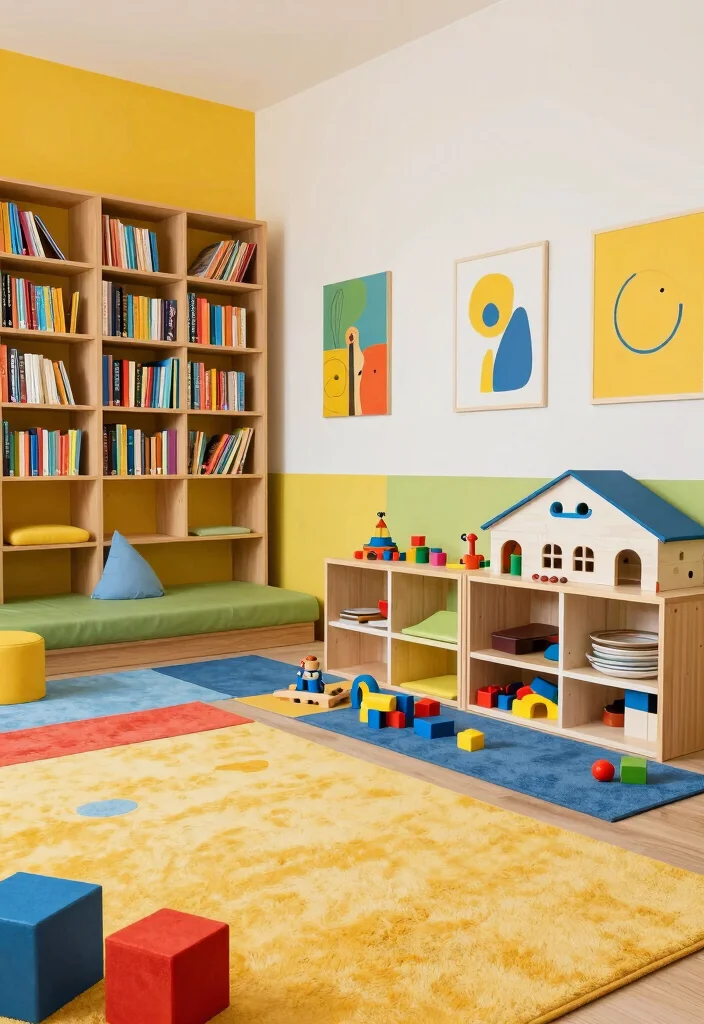
Establishing thematic zones in the playroom can enhance imaginative play and allow children to explore various interests. Create distinct areas based on themes, such as a cozy reading corner, a space for building, or an area inspired by nature.
This approach promotes focused play and stimulates creativity, with each zone decorated with relevant items like cushions, wall art, and toys that relate to the theme.
Ideas to implement:
– Use rugs to define different zones and create a sense of space.
– Incorporate themed decor that reflects each area’s purpose and encourages exploration.
– Regularly change themes to keep the playroom exciting and engaging.
Thematic areas provide diverse play experiences, catering to the varied interests of children and making their playtime more enriching.
14. Connect with Nature
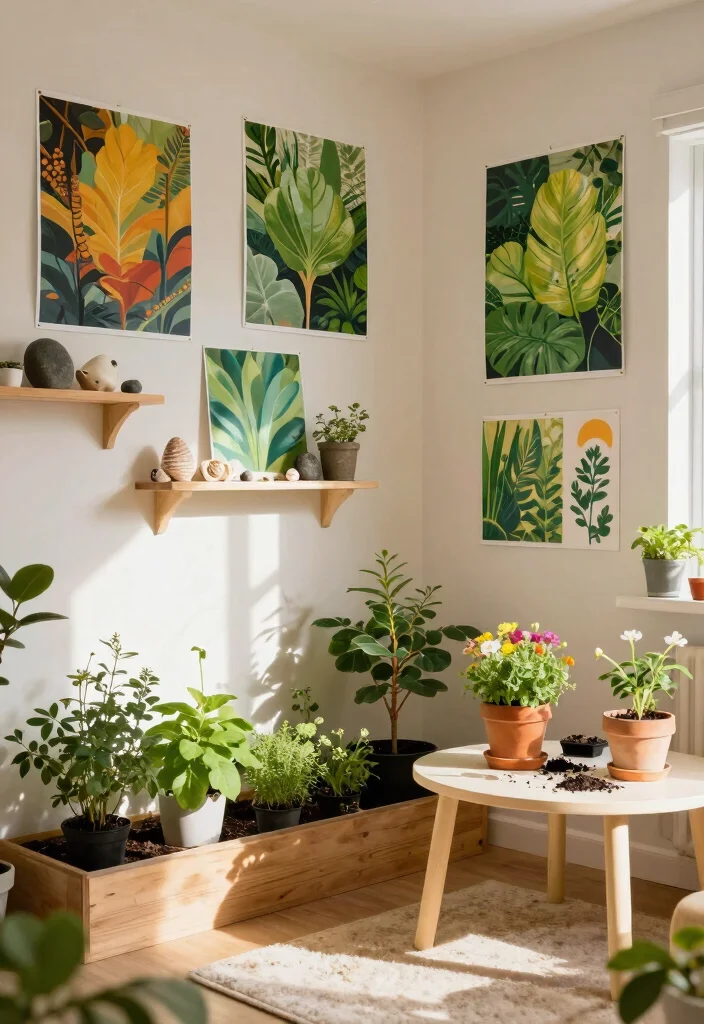
Encouraging a connection with nature in your playroom design can create a unique and enriching environment. Bring in elements like nature posters, rock collections, or small indoor gardening projects to engage kids with the outdoors.
Allow children to experience nature directly by planting seeds or caring for small houseplants, teaching them responsibility along with creativity.
Ways to integrate nature:
– Create a small indoor garden with pots and soil for hands-on learning.
– Incorporate natural elements like stones or shells in decor for a tactile experience.
– Use nature-themed toys and crafts to reinforce the connection.
By fostering a love for nature, you instill a sense of wonder and appreciation for the world outside, enriching your child’s play experience.
Connect with Nature
Editor’s Choice


15. Create a Family Art Wall
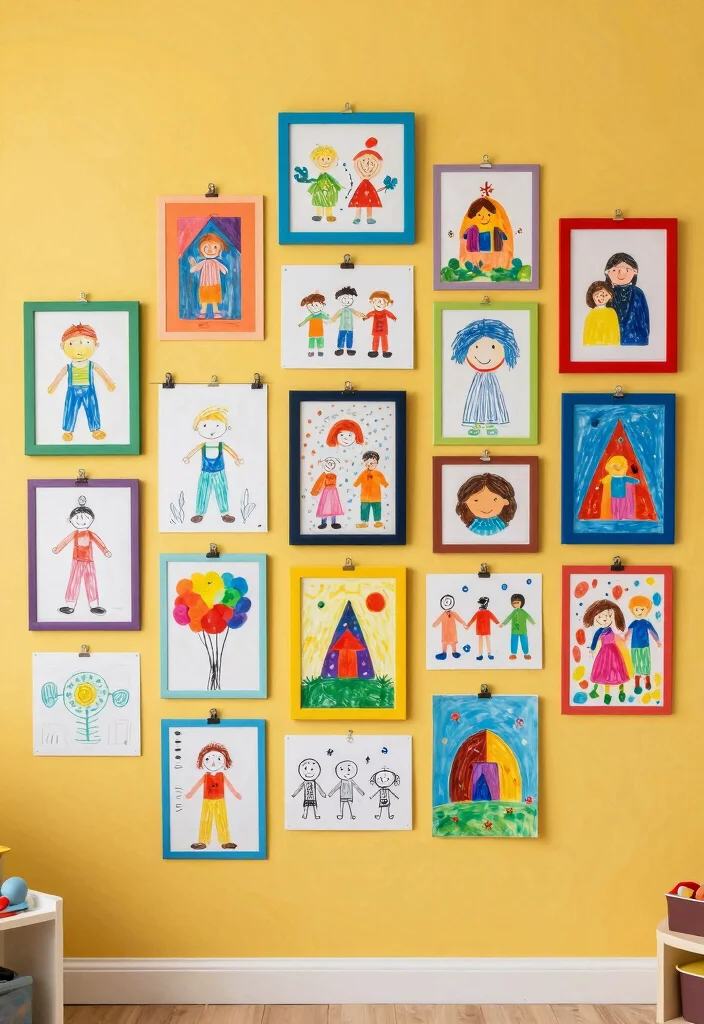
A family art wall is a delightful way to showcase creativity and individual expression in your playroom. Dedicate a section to display family art projects, crafts, and children’s drawings, making them feel proud of their creations and encouraging ongoing artistic endeavors.
Use frames, clips, or a wire with clothespins for easy rotation of artwork, making it a dynamic and engaging feature in the space.
Tips for this project:
– Encourage collaboration on family projects to strengthen bonds and creativity.
– Update the wall regularly to keep it fresh and exciting.
– Include inspirational quotes or messages to uplift creativity and motivation.
A family art wall serves as a constant source of inspiration, celebrating creativity and artistic expression within your home.
Conclusion
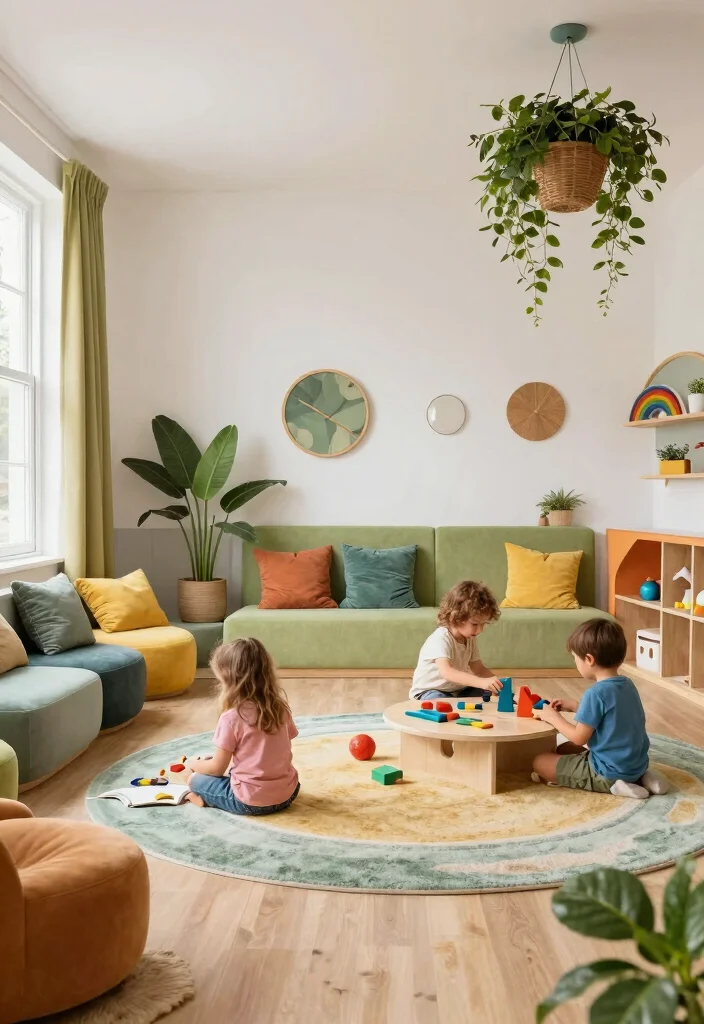
Creating a playroom that inspires creativity while being eco-friendly is not only possible but also rewarding. By integrating thoughtful design elements, you can foster an environment where children feel free to explore, dream, and learn. These playroom ideas will not only enhance their imagination but also instill values of sustainability and responsibility toward our planet.
May these suggestions inspire you to craft a vibrant space that reflects the joy and spirit of your little ones, turning playtime into a cherished adventure.
Note: We aim to provide accurate product links, but some may occasionally expire or become unavailable. If this happens, please search directly on Amazon for the product or a suitable alternative.
This post contains Amazon affiliate links, meaning we may earn a small commission if you purchase through our links, at no extra cost to you.
Frequently Asked Questions
What are some eco-friendly kid playroom ideas that spark creativity?
Eco-friendly kid playroom ideas start with non-toxic paints, natural wood, and upcycled furniture. Create distinct zones like a reading nook, an art station, and an open-ended play area to encourage creativity.
Use creative storage solutions such as woven baskets and modular shelves to keep toys organized and easily accessible. Add a nature-inspired color palette and fold in educational decor ideas like a nature wall chart or alphabet cards to keep little learners curious.
How can I design a kid playroom on a budget using eco-friendly materials?
Begin with a solid playroom design plan and focus on multi-use pieces to stretch your budget. Shop for second-hand furniture and give it new life with low-VOC paint. DIY decor using recycled materials keeps costs down while boosting sustainability. For storage, choose creative storage solutions like stackable crates on wheels, labeled bins, and a simple toy-rotation system.
Opt for a playful color scheme built around a few durable tones to stay visually lively without buying new items constantly. Pair it with educational decor ideas like a mounted number line or alphabet tiles that kids can interact with during play.
What are creative storage solutions to keep a playroom organized in a small space?
Smart, eco-friendly storage is essential in small spaces. Start with vertical shelving and wall-mounted bins to free up floor area. Use creative storage solutions like labeled fabric bins on rails, under-bench storage, and modular cubes that can be reconfigured as needs change.
Rotate toys every few weeks to reduce clutter and keep playtime fresh. Choose durable, natural materials such as bamboo or cork for shelves and baskets to align with a green kid playroom ideas approach.
Which playful color schemes work best for a creative and educational playroom?
Choose playful color schemes inspired by nature—sage greens, soft creams, sunny yellows, and gentle blues—to boost creativity without overstimulation. Pair bold accents with calm neutrals to support focus during educational decor ideas like alphabet walls, number rugs, and nature prints. Use color strategically in furniture and textiles rather than painting every wall to keep the space adaptable as kids grow.
Pro tip: test swatches on a small area and involve kids in choosing colors for a sense of ownership.
How can I build interactive play zones that are safe and sustainable?
Create interactive play zones that invite exploration with durable, non-toxic materials. Think a magnetic letter board, a DIY sensory wall with fabric swatches, a chalkboard wall, and a pretend kitchen built from recycled wood. Prioritize washable, easy-clean surfaces and cushioned mats for safety, and incorporate educational decor ideas like number lines or world maps. Keep zones flexible by using modular furniture that can be reconfigured as interests change.
Remember to ventilate paints, seal wood with child-safe finishes, and store sharp tools out of reach to reinforce a sustainable, safe play environment.