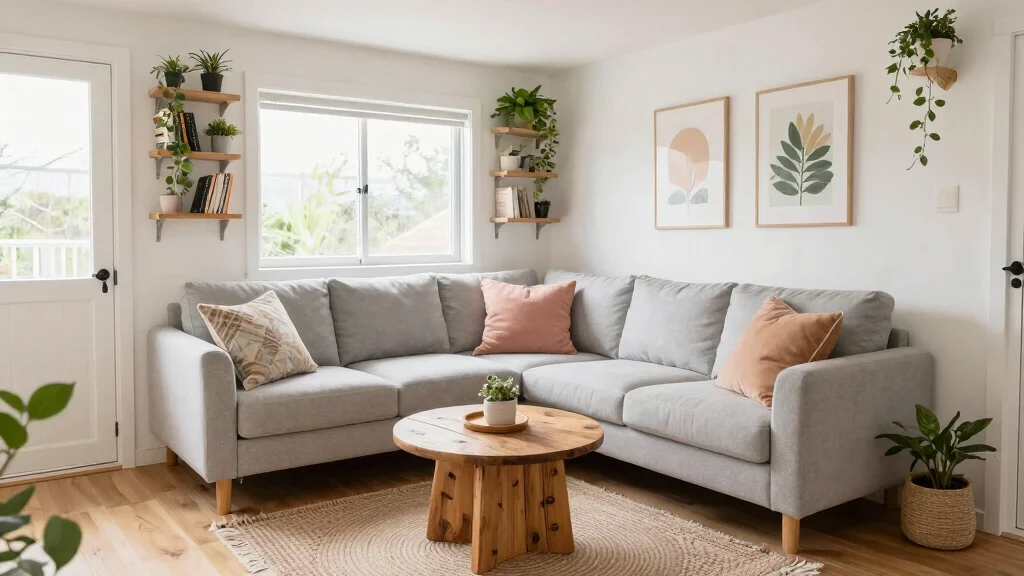
Tiny living has become a popular choice for many people seeking a simpler, more sustainable lifestyle. If you’re feeling overwhelmed by the idea of decorating a tiny house, don’t worry! I created this post to share some inspiring tiny house living room ideas that will help you maximize your space without sacrificing style.
If you’re someone who values minimalism, small space design, or simply wants to create a cozy living room without the clutter, then you’re in the right place. These tiny house living room ideas cater to your needs, making it easy for you to embrace a practical yet stylish approach to home decor.
In this guide, you’ll discover twelve unique ideas that will make your living space feel smart and open. We’ve rounded up tips on everything from color palettes to multifunctional furniture that will help you make the most of your tiny home. Get ready to transform your living room into a welcoming oasis that reflects your personality while embracing the beauty of minimalism!
Key Takeaways
– Bright Color Palette: Choose light and airy colors to make your tiny living room feel more spacious and inviting. Soft whites, pastels, and neutral tones can expand visual space.
– Multifunctional Furniture: Opt for furniture that serves multiple purposes, such as a sofa bed or a coffee table with storage. This helps you save space while maintaining functionality.
– Vertical Space Utilization: Make the most of your walls with shelves and wall-mounted storage solutions. This keeps the floor clear and gives the illusion of a larger room.
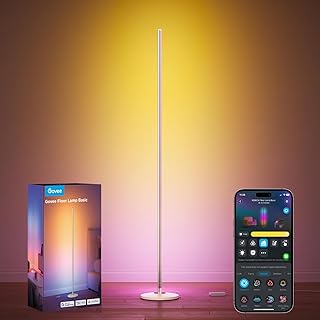
– Smart Lighting Solutions: Incorporate various lighting options, including floor lamps and wall sconces. Layered lighting can create a cozy atmosphere while enhancing the room’s openness.
– Cozy Corners: Designate small reading nooks or relaxation spaces with comfortable chairs and soft blankets. This adds warmth and personal touches to your minimalist decor.
1. Bright and Airy Color Palette
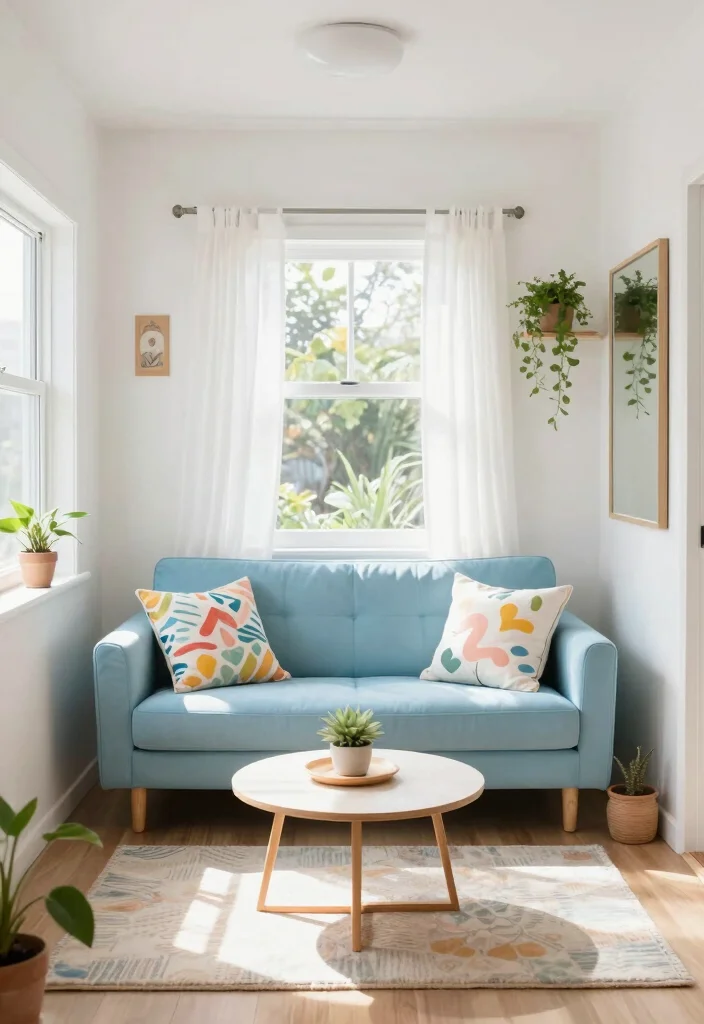
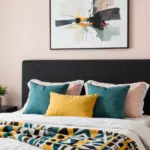
A bright and airy color palette can transform your tiny house living room into a serene oasis. Soft whites, gentle blues, and light grays reflect natural light beautifully, creating an illusion of spaciousness and calm. Imagine walls painted in a soft cream paired with a pale blue accent chair, harmonizing effortlessly to brighten the entire room. This combination not only enhances the room’s openness but also infuses it with a refreshing feel that’s inviting and uplifting.
To make the most of this palette, consider these practical tips. For a budget-friendly option, choose light-colored paint that bounces light around without breaking the bank. Adding pops of color through accessories like vibrant cushions or artwork can introduce visual interest without cluttering the space.
Consider these elements to maximize this palette’s potential:
– Opt for neutral walls to create a seamless backdrop.
– Incorporate colorful accents in cushions or art for contrast.
– Reflective surfaces like mirrors can enhance light and depth.
This approach emphasizes a clean, uncluttered aesthetic, allowing your room to breathe while still showcasing your style.
Fun fact: using a bright and airy color palette in tiny house living room ideas can make the space feel up to 20–30% larger by reflecting natural light. Soft whites, gentle blues, and light grays create a calm, open vibe.
2. Multifunctional Furniture
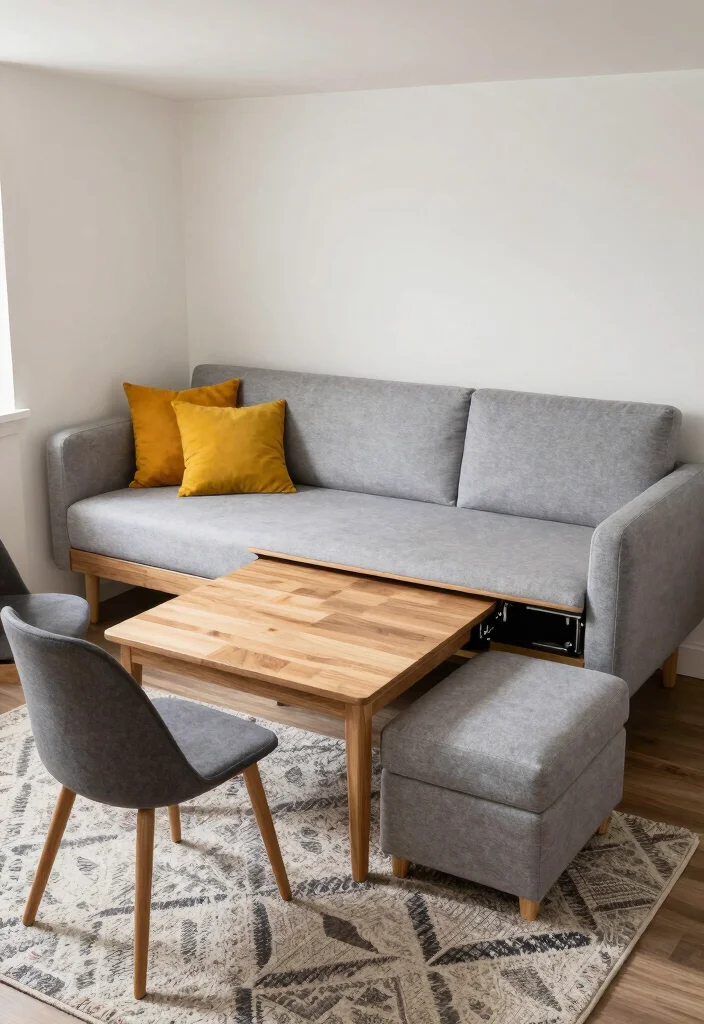
In a tiny home, multifunctional furniture is a game-changer. Every piece should serve multiple purposes, maximizing space without sacrificing style. Think of a sleek sofa that effortlessly converts into a bed for guests or a chic coffee table that lifts into a desk. This versatility keeps your living area open and functional, allowing you to adapt to your needs seamlessly.
To implement this, focus on sourcing stylish options that fit your budget. Retailers often have sales on convertible pieces, making it easier to find what you need without overspending. Choosing fewer but more versatile furniture pieces aligns beautifully with minimalist design principles, keeping your home organized and clutter-free.
Consider these multifunctional items:
– Choose a stylish sofa bed for guest accommodations.
– Use storage ottomans for seating and hidden storage.
– Look for convertible coffee tables that expand for work.
This approach not only saves space but also enhances your living experience by keeping your home stylish and functional.
Multifunctional Furniture
Editor’s Choice




3. Vertical Space Utilization
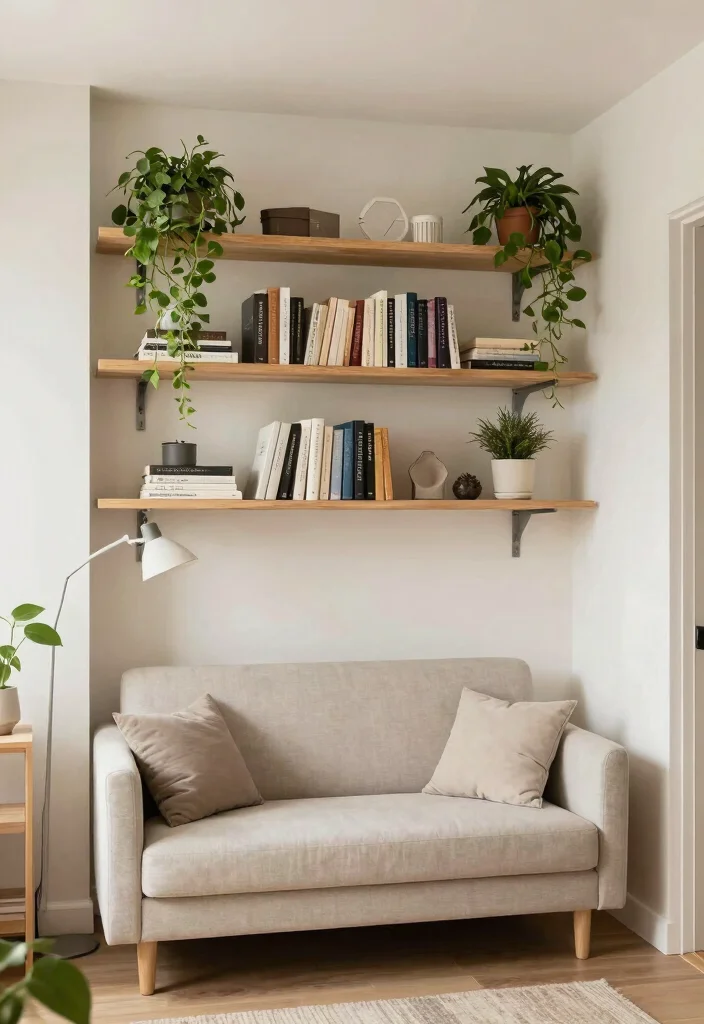
When floor space is limited, utilizing vertical space becomes essential in a tiny living room. By effectively using wall space, you can create the illusion of a larger room while adding necessary storage and style. Imagine wall-mounted shelves filled with books and decor, drawing the eye upward and making the space feel more expansive.
For practical implementation, consider affordable shelving options from local stores or online retailers. Hanging plants and wall art can also elevate your design while keeping the floor area open and inviting. This vertical approach not only maximizes storage but also contributes to a feeling of airiness and elevation in your living environment.
Consider these vertical space solutions:
– Install wall-mounted shelves above furniture for added storage.
– Use hooks or wall planters for hanging greenery.
– Opt for high-back sofas to enhance vertical lines.
This method allows you to keep your floor area clear and open, reinforcing a spacious atmosphere.
4. Cozy Textiles and Layers
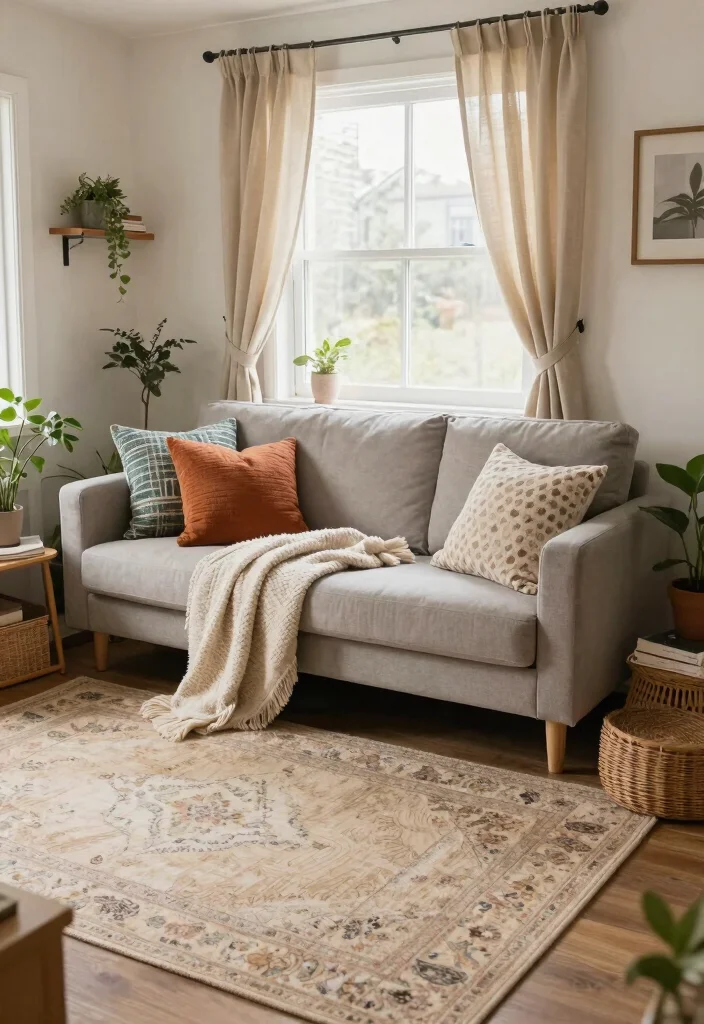
Layering textiles and textures in your tiny living room can create an inviting and cozy atmosphere. By mixing various fabrics, you add warmth and depth that make the space feel welcoming. Think of a soft throw blanket draped over a textured sofa, paired with a variety of cushions for added comfort and style.
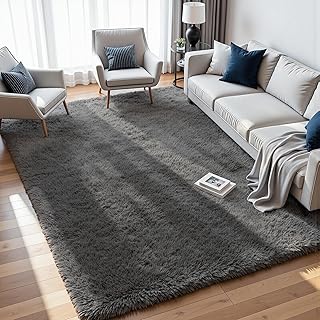
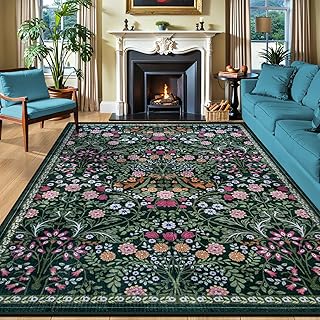
To achieve this look, invest in textiles that feel good and are budget-friendly. Area rugs can define different spaces, especially in open-plan layouts, while lightweight curtains can soften windows and add a touch of warmth. This layering approach invites comfort while maintaining a minimalist feel, essential for tiny house living.
Consider these textile elements:
– Layer throw blankets and cushions for warmth.
– Use area rugs to define spaces in open plans.
– Choose lightweight curtains for a cozy vibe.
This layering approach invites comfort while maintaining a minimalist feel, essential for tiny house living.
Cozy textiles are tiny space magic: a soft throw, textured cushions, and a low-pile rug punch warmth without crowding. For your tiny house living room ideas, layer thoughtfully, define zones with rugs, and choose compact curtains—your space will feel both warm and open.
5. Smart Lighting Solutions
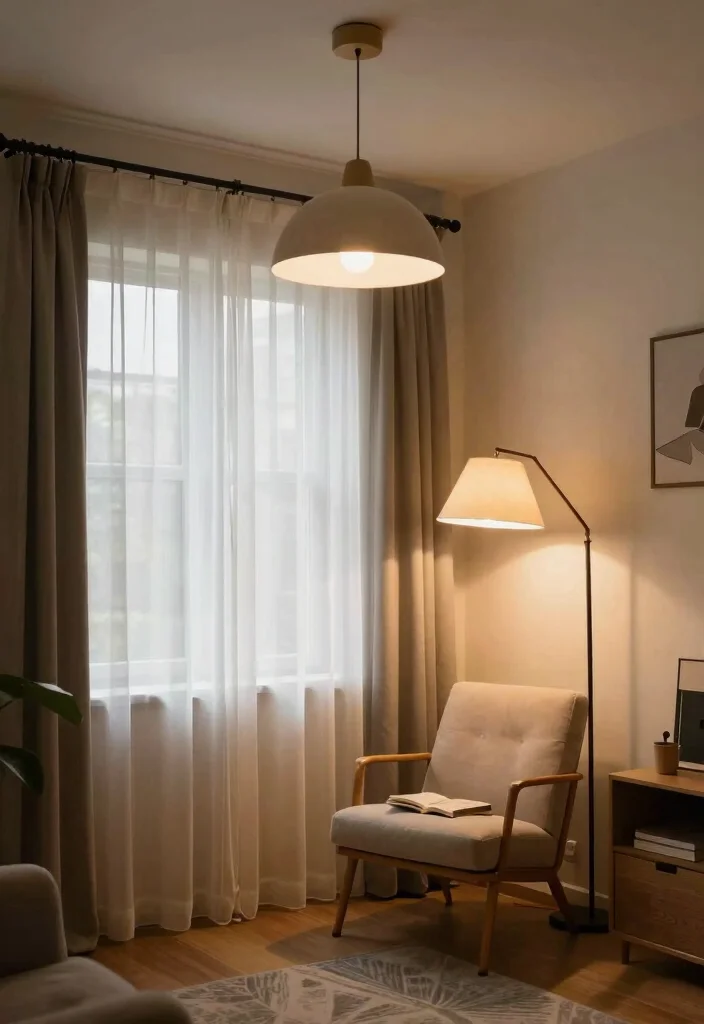
Effective lighting can dramatically change the feel of a small space, making it feel larger and more inviting. Layering different lighting sources is key to achieving this effect. Picture a combination of overhead fixtures, floor lamps, and table lamps that create a warm glow and enhance the room’s depth.
For practical tips, consider using energy-efficient bulbs and dimmable lights to adjust brightness according to your mood. Make the most of natural light by choosing airy window treatments that allow sunlight to flood in. This thoughtful approach to lighting not only enhances the aesthetic but contributes to a sense of openness that is vital in tiny living.
Consider these smart lighting ideas:
– Use multiple light sources for depth and warmth.
– Install dimmable lights for mood adjustments.
– Opt for light window treatments to maximize sunlight.
This thoughtful approach to lighting not only enhances the aesthetic but contributes to a sense of openness that is vital in tiny living.
Smart Lighting Solutions
Editor’s Choice


6. Minimalist Decor
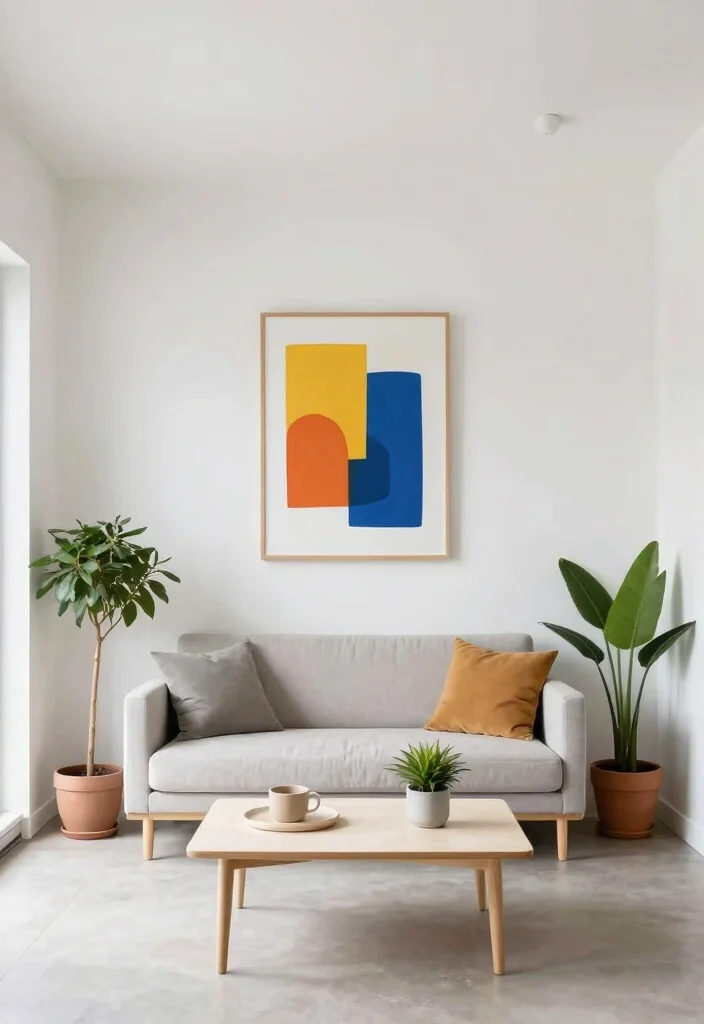
Embracing minimalism in your decor choices is essential for tiny house living. Keeping your decor simple allows your personality to shine through without overwhelming the space. Select a few meaningful art pieces that resonate with you, creating focal points that contribute to the overall serenity of the room.
To maintain this aesthetic, focus on essential decor items that serve a purpose. Stick to a cohesive color palette to create harmony throughout the space. This minimalist approach not only creates a serene atmosphere but also keeps your space looking organized and open.
Consider these minimalist decor strategies:
– Choose meaningful art pieces that resonate with you.
– Avoid clutter by sticking to essential pieces.
– Keep decor items within a cohesive color palette.
This minimalist approach not only creates a serene atmosphere but also keeps your space looking organized and open.
7. Built-In Storage Solutions
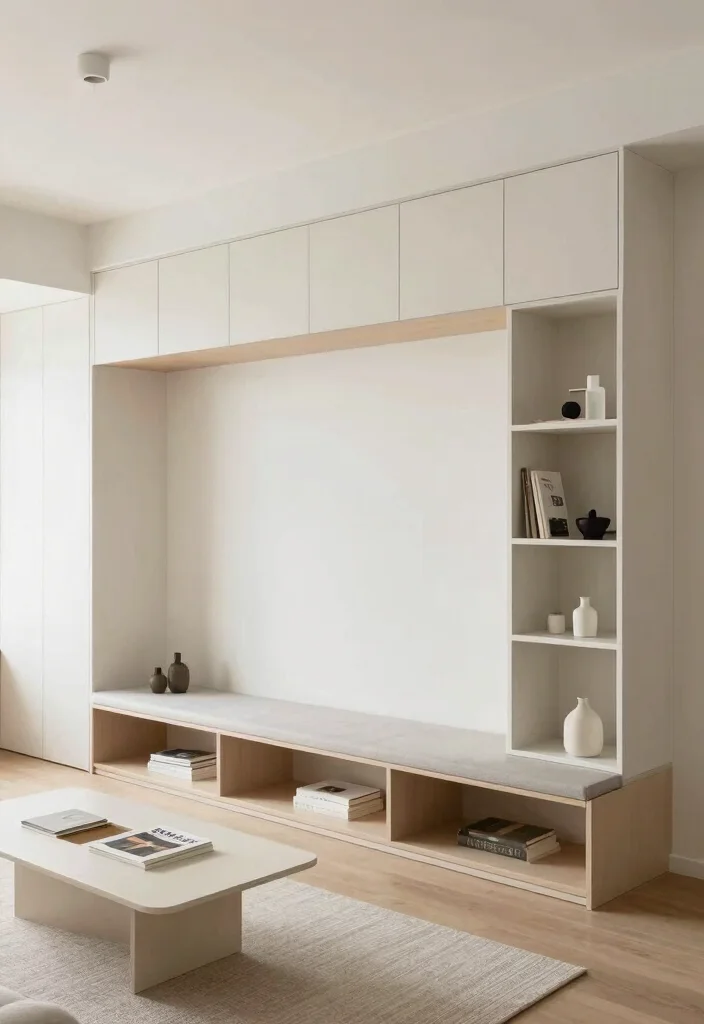
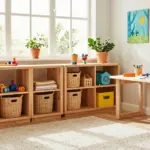
Incorporating built-in storage in your tiny home is a smart way to maximize space while maintaining a clean aesthetic. This design choice utilizes every corner efficiently, ensuring everything has its place. Imagine drawers tucked under a sofa or shelves recessed into the walls, providing ample storage while enhancing style.
To implement this, look for affordable built-in options that can be customized to fit your needs. Furniture with hidden storage, like benches or ottomans, can also help keep your space organized without compromising its aesthetic. Clever solutions like these lend functionality without cluttering the design.
Consider these built-in storage ideas:
– Incorporate drawers under your sofa for extra space.
– Use wall recesses for built-in shelves.
– Opt for furniture with hidden storage compartments.
These clever solutions lend functionality without compromising style, keeping your tiny house both organized and chic.
Fun fact: Smart built-in storage can free up up to 30% more floor space in a tiny house living room. When drawers tuck under a sofa or shelves sit into walls, every inch becomes usable and stylish.
8. Open-Concept Layout
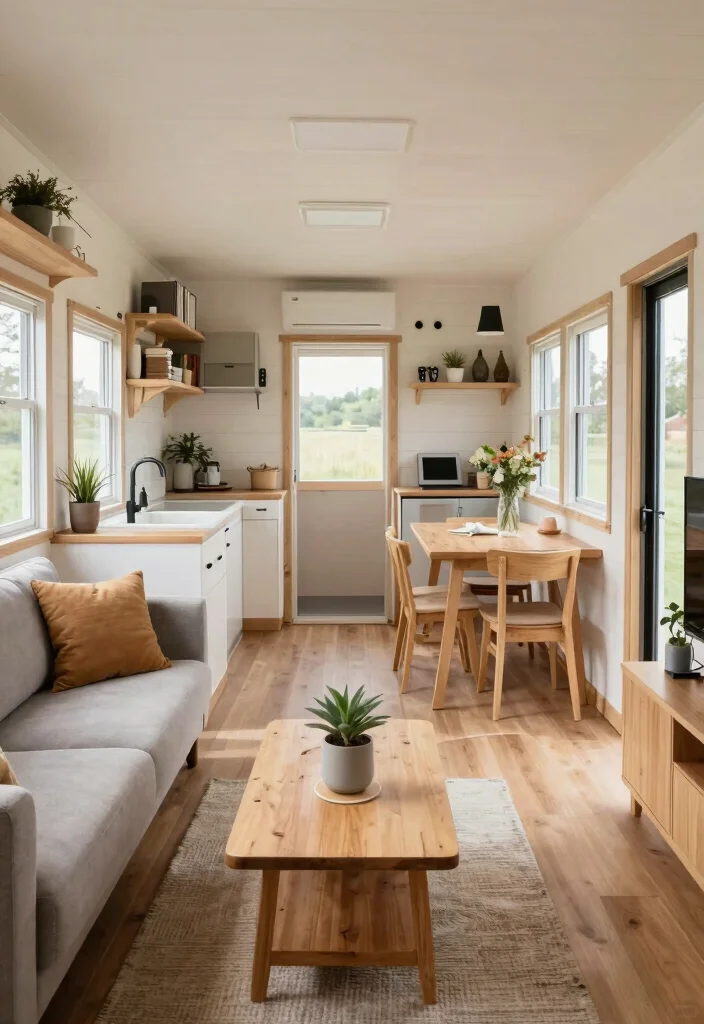
If your tiny house allows it, consider an open-concept living area to encourage a free flow of space. This design choice can make the room feel larger and more integrated, fostering a sense of community. Utilize furniture placement instead of walls to define different areas within the space, allowing for easy movement and interaction.
To achieve this, maintain consistent colors and styles across the living area and adjoining spaces. Use strategically placed rugs to delineate different zones without obstructing pathways, creating a cohesive look. This approach enhances the feeling of openness, essential for tiny living environments.
Consider these open-concept strategies:
– Use furniture placement to define areas within the space.
– Maintain unified decor themes across living areas.
– Use area rugs to delineate spaces without obstructing pathways.
This approach creates a sense of community and openness, essential in tiny living environments.
Open-Concept Layout
Editor’s Choice



9. Use of Natural Elements
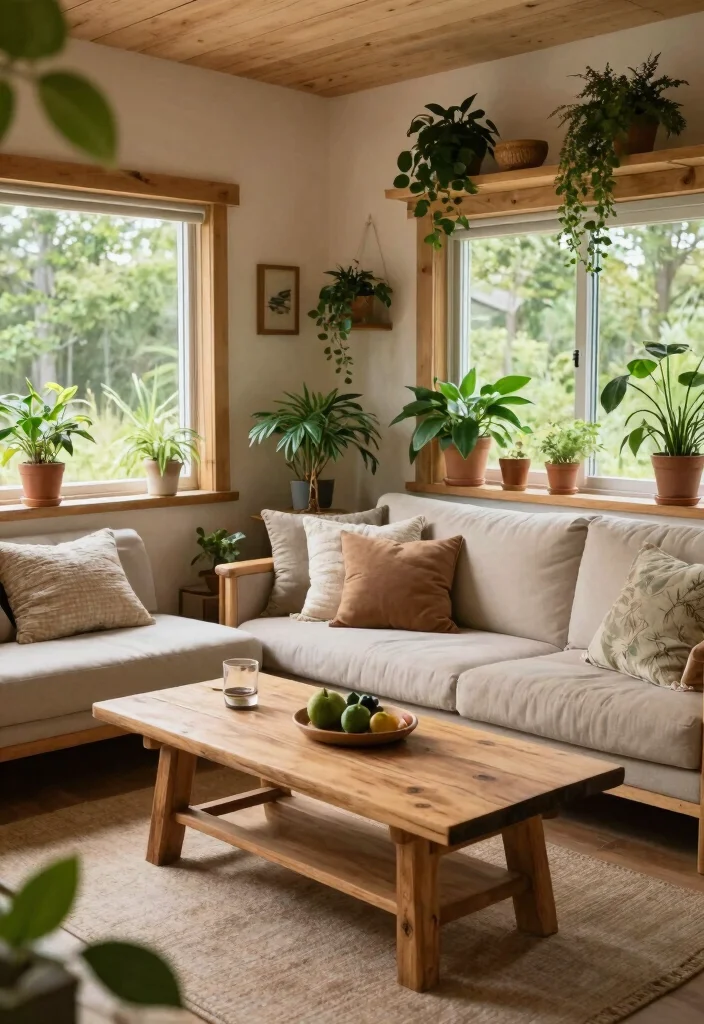
Bringing natural elements into your tiny living room design can infuse warmth and tranquility into the space. Wood accents, indoor plants, and natural fabrics create a refreshing aesthetic that connects you to the outdoors. Imagine a wooden coffee table paired with lush greenery, creating a vibrant yet serene atmosphere.
To incorporate this, consider sourcing reclaimed wood for furniture or decor, which is often budget-friendly and adds character. Opt for organic materials for your linens and cushions, enhancing the cozy touch. This strategy not only adds beauty but also creates a calming environment that feels inviting and nurturing.
Consider these natural element ideas:
– Use wood accents for warmth and texture.
– Incorporate indoor plants for air purification and aesthetics.
– Choose organic fabrics for a cozy touch.
This strategy adds an organic feel to your interior, merging the indoors with the outdoors and enhancing the cozy atmosphere.
Use of Natural Elements
Editor’s Choice


Dimensions & Size Guide
When it comes to tiny house living, every inch counts. Understanding dimensions and space requirements is key to creating a functional and stylish living room. Below, you’ll find standard sizes and practical space planning tips that help you make the most of your tiny living area.
Standard Sizes & Measurements:
For a tiny house living room, consider these common dimensions:
– Sofa: A standard sofa is about 72 inches wide, but a compact model can be as small as 60 inches. Make sure to leave at least 30 inches of space in front for walking.
– Coffee Table: Ideal dimensions range from 36 to 48 inches in length. Keep at least 18 inches between the sofa and table to allow for easy movement.
– Accent Chairs: Each chair typically takes up about 28 to 32 inches in width. Aim for at least 24 inches of space between chairs to maintain a cozy yet open feel.
– TV Stand: Look for one that is around 48 inches wide. Ensure there’s enough clearance for walking around—at least 30 inches.
– Area Rugs: A rug that is 5×7 feet works well in small spaces. It should extend at least 12 inches beyond furniture for a unified look.
Quick Reference Table:
Size/Dimension – Best for: [use case], Minimum space needed: [measurement]
– Sofa (60-72 inches) – Best for: Cozy seating, Minimum space needed: 30 inches of walking space in front
– Coffee Table (36-48 inches) – Best for: Central gathering point, Minimum space needed: 18 inches from seating
– Accent Chair (28-32 inches) – Best for: Additional seating, Minimum space needed: 24 inches for comfort
– TV Stand (48 inches) – Best for: Entertainment setup, Minimum space needed: 30 inches of clearance
– Area Rug (5×7 feet) – Best for: Defining the space, Minimum space needed: 12 inches beyond furniture
Space Planning Tips:
1. Measure Everything: Always measure your space before buying furniture. Mistakes here can lead to overcrowding.
2. Visualize Your Layout: Use graph paper or an online room planner to sketch your layout. This helps you see how pieces will fit.
3. Test the Flow: Walk through your space with imaginary furniture. Make sure you can navigate comfortably without bumping into anything.
4. Consider Functions: Think about how you’ll use the space. Multifunctional furniture saves room and keeps it flexible, like a sofa bed or a storage ottoman.
5. Avoid Overcrowding: Don’t fill the room with too much furniture. Keep it minimal to allow for an open and inviting atmosphere.
Pro Tip: The most important measurement is the walking space around furniture. Always ensure there’s at least 30 inches for easy movement. This makes your living room feel open and pleasant, perfect for cozy gatherings or quiet moments.
By using these dimensions and tips, you’ll create a tiny house living room that feels spacious and functional, even in the smallest of spaces.
10. Smart Technology Integration
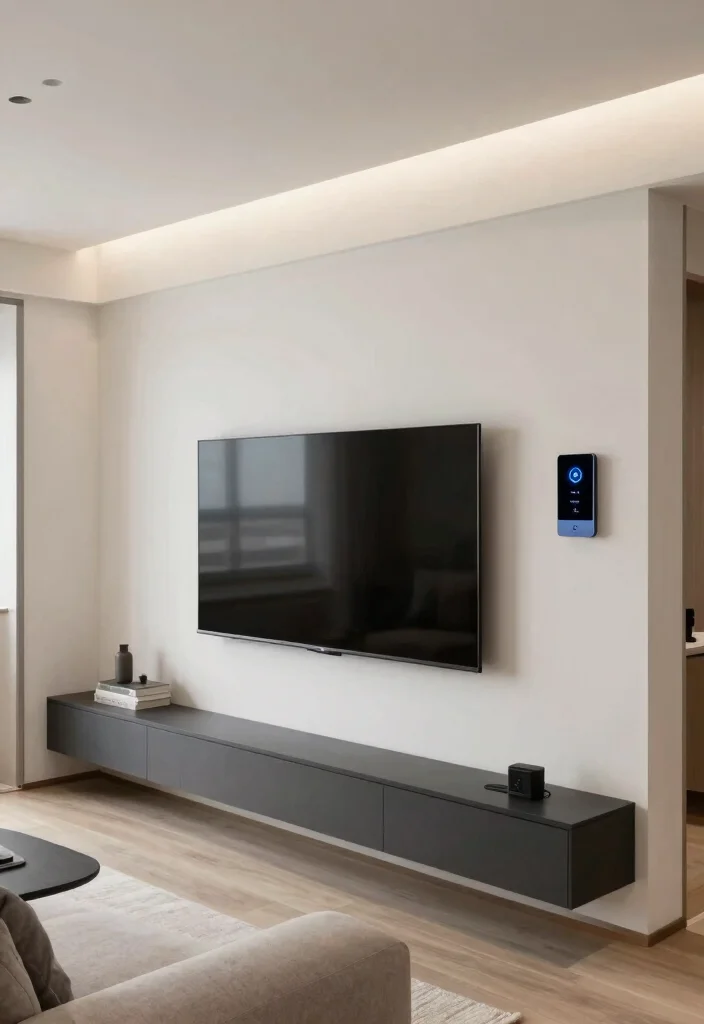
Integrating smart technology into your tiny home can elevate its functionality while keeping the space uncluttered. With the right tech, you can enhance your living experience without compromising style. Picture smart lighting controlled by an app, allowing you to set the mood effortlessly as you relax in your cozy space.
For practical implementation, consider smart bulbs and devices that can be integrated into your existing decor. Wall-mounted TVs or projectors save space, while smart thermostats ensure efficient climate control without bulky systems. This thoughtful integration keeps your tiny house both functional and stylish.
Consider these smart tech options:
– Use smart bulbs to control lighting via an app.
– Opt for wall-mounted TVs to save space.
– Install smart thermostats for efficient temperature control.
By utilizing technology wisely, you can enhance your living experience while keeping your tiny house both functional and stylish.
11. Personal Touches with Minimalism
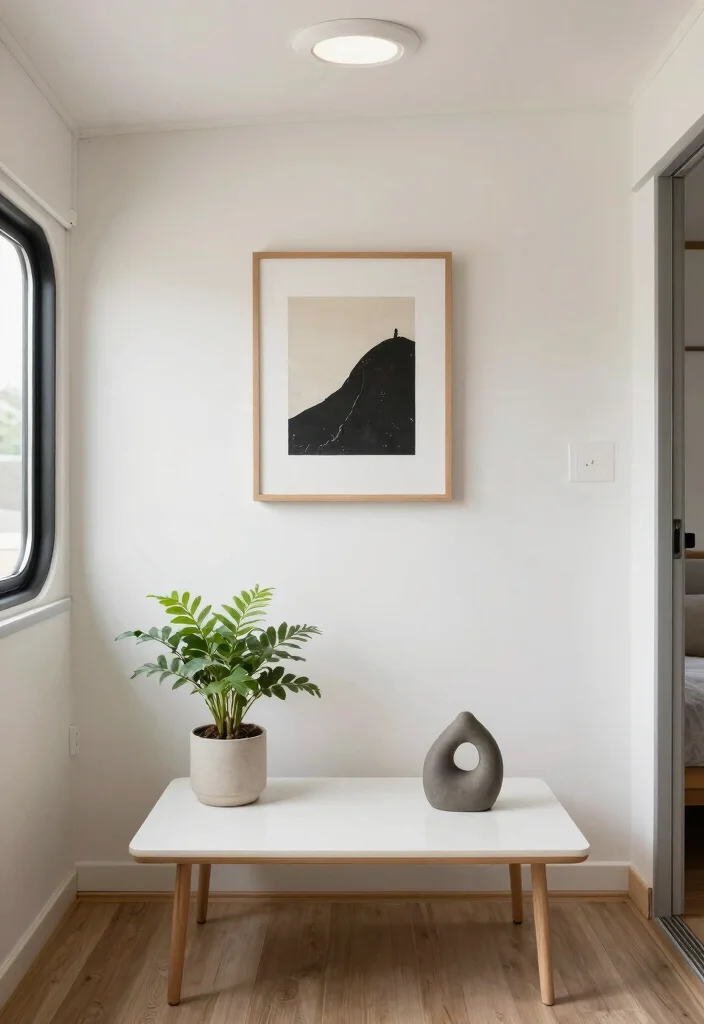
In a minimalist space, personal touches can define your style without creating clutter. Striking a balance between personal items and light decor is essential for maintaining an open feel. Select a few cherished items to showcase, allowing them to shine without overwhelming the room.
To keep it fresh, consider seasonal decor swaps that bring variety without adding bulk. A small piece of handmade art or a treasured photo can reflect your journey and enhance the space’s character. This approach enriches your living area while maintaining an organized and airy ambiance.
Consider these personal touch strategies:
– Select treasured items to showcase, minimizing clutter.
– Swap decor items seasonally for a fresh look.
– Consider a small piece of custom art or a meaningful photo.
These elements can enhance your living space while maintaining an open, uncluttered vibe.
Personal Touches with Minimalism
Editor’s Choice


12. Create Cozy Corners
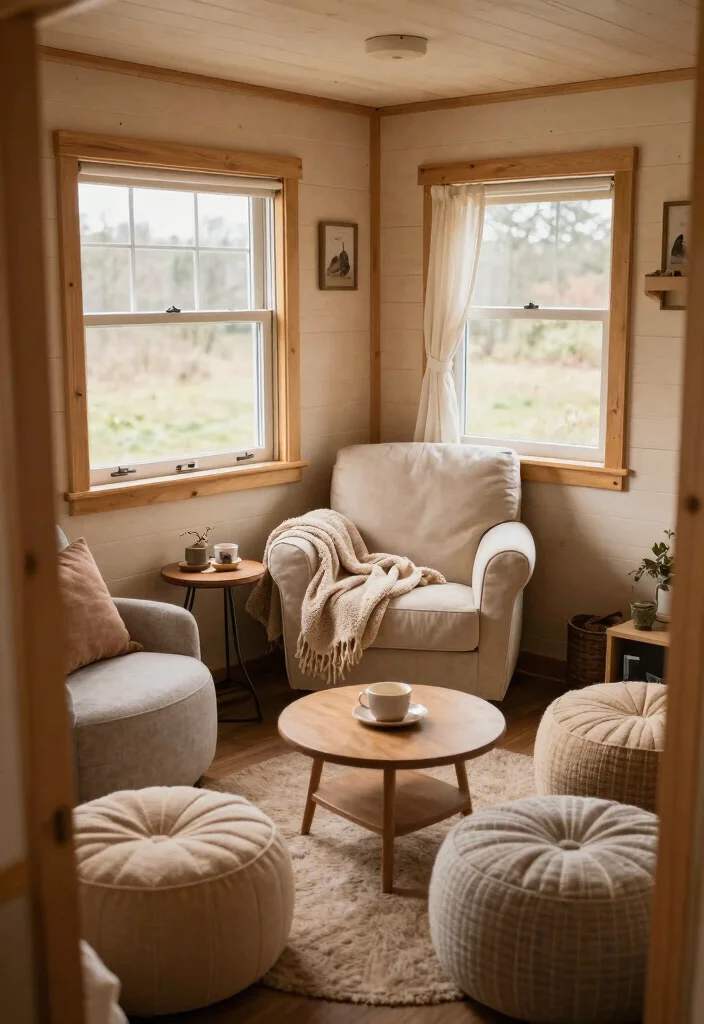
Creating cozy corners in your tiny house living room allows for inviting spots of relaxation and enjoyment. These nooks can become your favorite spaces for reading, sipping coffee, or enjoying quiet moments. Imagine a comfortable chair nestled in a sunlit corner, perfect for losing yourself in a good book.
To implement this, set up a reading nook with a cozy chair and a lamp for ample light. Position a chair by a window for a sunshine spot, and use poufs or floor cushions around a small coffee table for a casual gathering area. These cozy corners add character and function, making your tiny living room a haven of comfort and warmth.
Consider these cozy corner ideas:
– Set up a reading nook with a comfy chair and lamp.
– Position a chair by the window for sunlight enjoyment.
– Use poufs or cushions around a small coffee table for gatherings.
These cozy corners add character and function, making your tiny living room a haven of comfort and warmth.
Conclusion
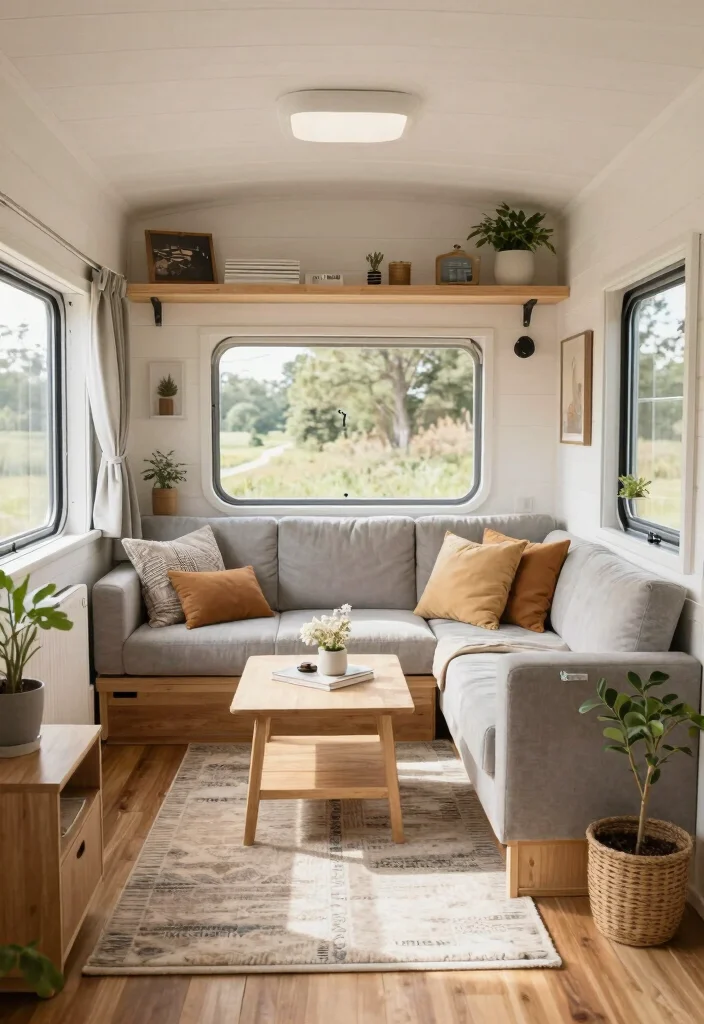
Maximizing space in a tiny house living room doesn’t mean sacrificing style or comfort. By incorporating these twelve ideas, you can create a space that feels open, inviting, and uniquely you.
Minimalist decor, smart technology, and multifunctional furniture blend seamlessly to optimize every inch of your home while reflecting personal touches. Embrace the beauty of tiny living and let your creativity shine through in every corner of your beautiful abode!
Note: We aim to provide accurate product links, but some may occasionally expire or become unavailable. If this happens, please search directly on Amazon for the product or a suitable alternative.
This post contains Amazon affiliate links, meaning we may earn a small commission if you purchase through our links, at no extra cost to you.
Frequently Asked Questions
What are some tiny house living room ideas that make a space feel smart and open?
Thinking about tiny house living room ideas that feel smart and open? Start with a clever layout: position seating to create sight lines, use vertical storage, and choose multifunctional furniture to free floor space. Keep the color palette light to bounce light, and pick furniture with built-in storage such as a sofa with storage, a fold-down table, and wall-mounted shelves to reduce clutter. Mirrors and glass-topped tables can also visually expand the room. Layer in cozy lighting and a small rug to anchor the area. With these space-saving solutions, your living area will feel bigger and more inviting.
Pro tip: test furniture in scale against your room’s dimensions and plan around a central traffic path to maintain openness.
How can I maximize space in a tiny house living room with smart layouts and small space design tricks?
Focus on scale and flow to maximize every inch. Use multifunctional furniture like a sofa that converts to a bed, a storage ottoman, and a wall-mounted drop-leaf table for dining or work. Choose pieces with hidden storage and keep surfaces clear. Define zones with a low-profile rug, and build tall small space design shelves to reach the ceiling without crowding the floor. Opt for light colors and reflective finishes to brighten the room. These space-saving solutions help you maintain a cozy living room vibe.
Tip: measure stairs, doors, and hallway widths to ensure a smooth move-in and rearrange layout seasonally for fresh energy.
What minimalist decor ideas help create a cozy tiny house living room?
Embrace minimalist decor by using a restrained color palette, clean lines, and clutter-free surfaces. Pick multifunctional furniture with soft textiles to add warmth without bulk. Build in storage to keep everyday items out of sight, and choose tactile materials like natural wood, linen, and wool to add coziness. Let natural light take center stage with light window coverings, and use a single accent piece or a limited color pop to guide the eye. The result is a cozy living room that stays calm and open.
Bonus: choose textiles in similar tones to blur transitions and enhance perceived space.
Which multifunctional furniture pieces are must-haves in a tiny house living room?
Prioritize pieces that do two or three jobs at once. Think a sofa bed for guests, a storage ottoman for hidden blankets and toys, and nesting or wall-mounted tables that fold away when not in use. A fold-down dining table can double as a desk. Choose compact, durable materials and test operation in-store so pieces don’t snag or wobble in tight spaces. With the right space-saving solutions, you’ll have a flexible living area that still feels calm.
Pro tip: leave a clear 1–2 ft path around seating to maintain easy movement.
How can I design lighting and color to make a tiny house living room feel open and inviting?
Create a layered lighting plan: ambient ceiling light, task lighting for reading, and soft accent lights to add warmth. Use a light neutral base and save color for textiles and small decor accents to keep the space feeling airy. Maximize natural light with sheer curtains and place mirrors opposite windows to bounce light around. Choose cohesive textures and a restrained color palette so the room feels larger while staying cozy living room and inviting. These tiny house living room ideas prove that less can be more.
Tip: avoid heavy curtains that block light; go for light, airy options and consider a ceiling fan with a light to reduce clutter.