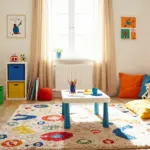
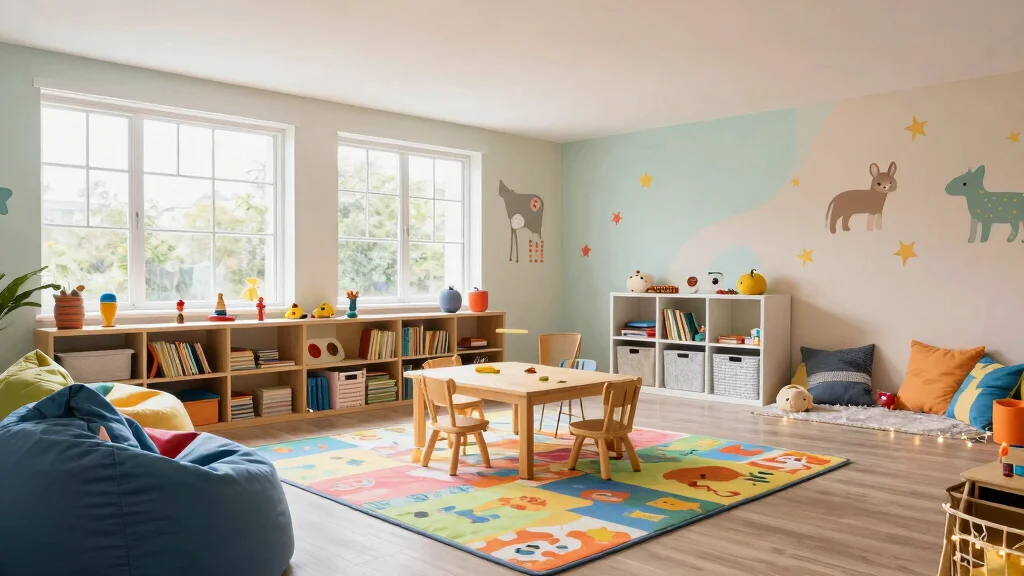
Creating a playroom can be a challenge, especially when it’s located in a basement. Many people view basements as dark and uninviting spaces, but they can be transformed into vibrant play areas for children. This post is here to show you how to change that perception. I want to share creative basement playroom ideas that make the space feel bright, cozy, and fun.
If you’re a parent or guardian looking to create a special place for your kids, this guide is perfect for you. You want a space that fosters creativity, allows for play, and keeps your home organized. You care about comfort and style, and you deserve a playroom that reflects that. I’ve rounded up 12 unique ideas that are not only enjoyable but also practical, focusing on clever design and multifunctional spaces that maximize your basement’s potential.
Get ready to discover how to bring life into your basement playroom. From bright colors to natural light, these ideas will help create an inviting environment where your children can learn, play, and grow. You’ll find tips on storage solutions, cozy seating, and even ways to incorporate movement. Let’s explore how you can turn your basement into the perfect play area that doesn’t feel like a basement at all!
Key Takeaways
– Bright colors and playful decor can transform a dreary basement into a lively playroom, making it feel more inviting.
– Utilizing multifunctional furniture is a smart way to maximize space, providing options for play and rest without overcrowding.
– Bringing in natural light through windows or creative lighting solutions can brighten up the room, making it feel more open.
– Incorporating creative storage solutions will help keep toys organized and easily accessible, making cleanup a breeze.
– Designing specific zones for different activities, like a craft area or a cozy reading nook, helps create a dynamic and engaging environment for children.
1. Brighten Up with Paint
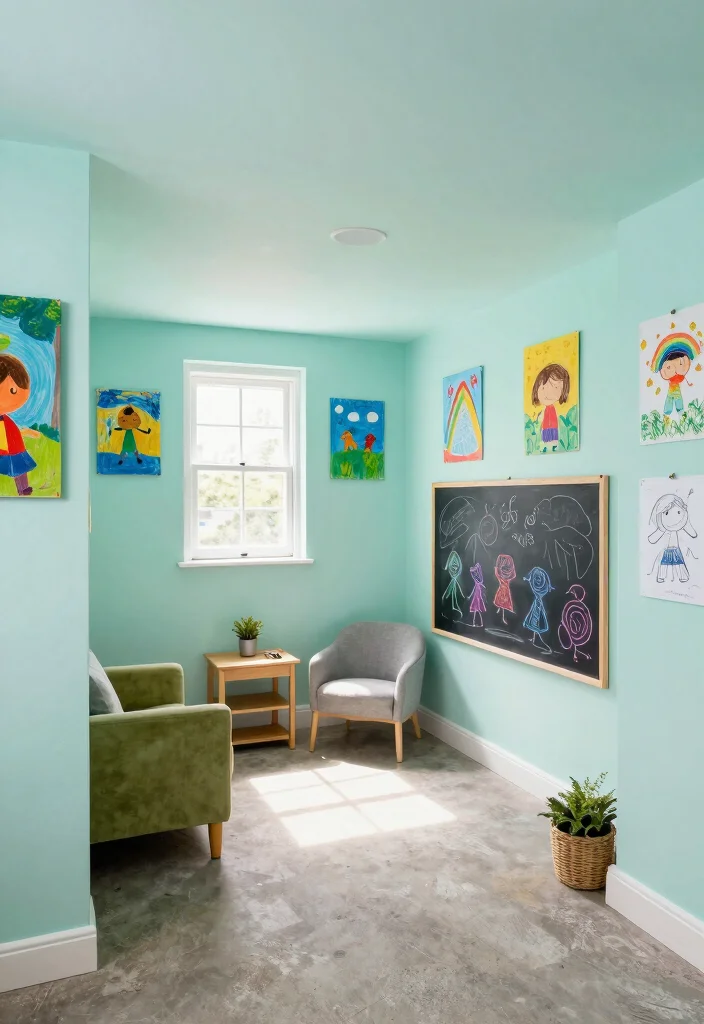
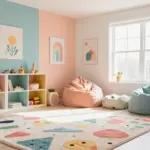
Choosing the right paint colors can transform your basement from dull to delightful. Bright hues like light yellows, soft blues, or playful mints reflect light beautifully, creating a sense of openness and joy. These colors can make the space feel more inviting, helping to lift spirits and energize the atmosphere.
Don’t just stop at the walls; think about the ceiling too! A cheerful color overhead can create an illusion of height, making everything feel airier. You might even consider a chalkboard paint section for kids to unleash their creativity.
Consider these tips to maximize your paint choices:
– Choose light, reflective colors for walls.
– Use accent colors on furniture and decor.
– Consider chalkboard sections for creativity.
By selecting the right colors and textures, you enhance the overall aesthetic, making your basement a cheerful retreat.
How To Choose The Right Furniture for Your Basement Playroom
When you’re designing a basement playroom, the right furniture can make all the difference. You want pieces that are fun, functional, and fit the cozy vibe you’re aiming for. Here are some key factors to keep in mind when selecting furniture for your basement playroom.
1. Size Matters
Before you fall in love with a piece of furniture, check its size. Measure the space where you want to place it. Make sure there’s enough room for kids to move around freely. Aim for multi-use furniture that can fit snugly in smaller areas while still being practical. Consider items like ottomans that can double as storage or seating.
2. Material Choices
Look for durable materials that can withstand playtime. Fabrics like microfiber or canvas are easy to clean and can handle spills and messes. If you have younger children, opt for rounded edges on tables and soft seating to prevent injuries. It’s also great to choose materials that can handle wear and tear, extending the life of your pieces.
3. Furniture Functionality
Think about how the furniture will be used. Do you need a sofa for lounging, a table for crafts, or shelves for toys? Select multi-functional pieces that offer more than one use. A fold-out couch can serve as a bed for sleepovers, while a sturdy coffee table can double as a play area. Always aim for versatility to maximize your space.
4. Budgeting Wisely
Set a budget before you start shopping. Furniture for a playroom can vary widely in price. Look for sales or consider gently used options to save money. Prioritize quality over quantity; investing in a few key pieces that will last longer is more beneficial than filling the room with cheaper items that may need replacing soon.
5. Style and Decor
Choose furniture that complements your overall design theme. Whether you opt for bright colors, fun patterns, or cozy, neutral tones, ensure the furniture reflects a playful yet inviting look. This creates a welcoming atmosphere that encourages imagination and play. Don’t hesitate to mix styles; a blend can add character to the space.
6. Storage Solutions
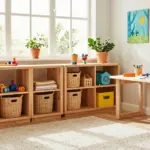
A playroom is often filled with toys, art supplies, and games. Look for furniture that offers creative storage solutions. Shelves, bins with lids, or benches with storage inside can help keep the area tidy. Built-in storage options can also help you maintain a clutter-free environment and make clean-up easier for kids.
Pro Tip: Consider using modular furniture that can be easily rearranged. This allows you to adapt the playroom as your child grows or as their interests change, making it a long-term investment in your home decor!
By focusing on these selection criteria, you can create a basement playroom that is not only functional but also a fun and inviting space for your children. Happy decorating!
2. Create Cozy Nooks
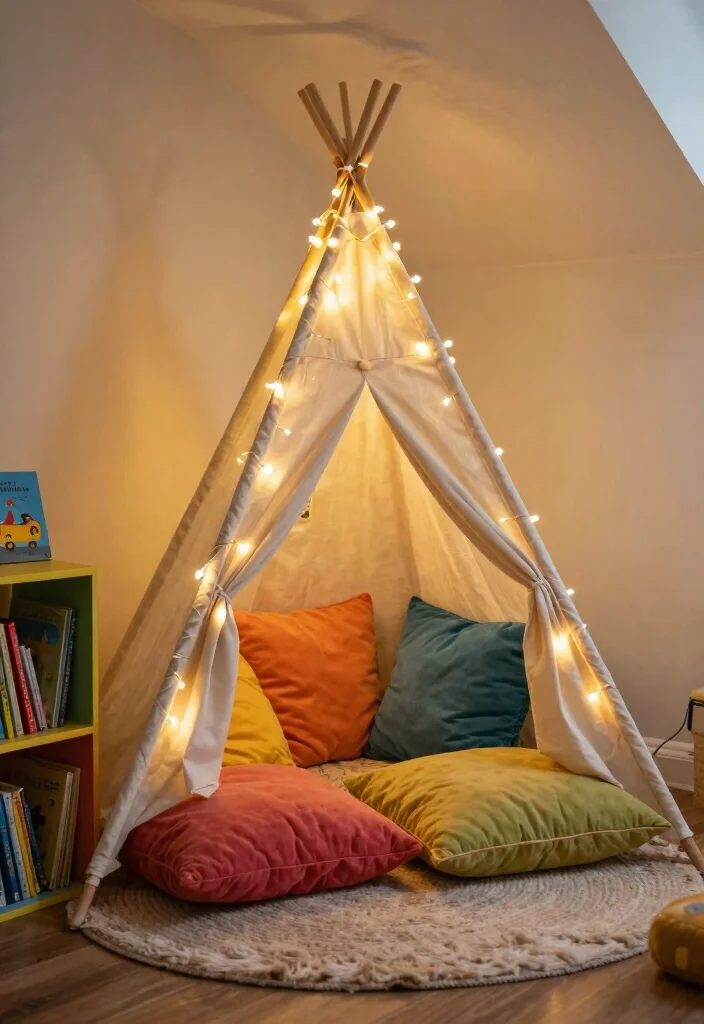
Imagine transforming a corner of your basement into a cozy retreat for play or reading. Soft cushions and low seating create inviting spaces where kids can curl up with their favorite books or engage in imaginative adventures. This nurturing environment fosters creativity and comfort.
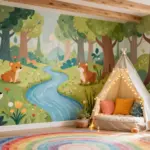
Enhancing the nook with a whimsical tent or canopy can add an element of magic, making it a secret hideaway for your little ones. Soft fairy lights can further illuminate the nook, creating a warm glow during evening hours.
Explore these cozy elements:
– Use oversized cushions for comfort.
– Hang a colorful fabric or tent for whimsy.
– Add a small bookshelf for easy access to books.
Such cozy touches invite relaxation while sparking imagination, making playtime even more enjoyable.
Create Cozy Nooks
Editor’s Choice




3. Multifunctional Furniture
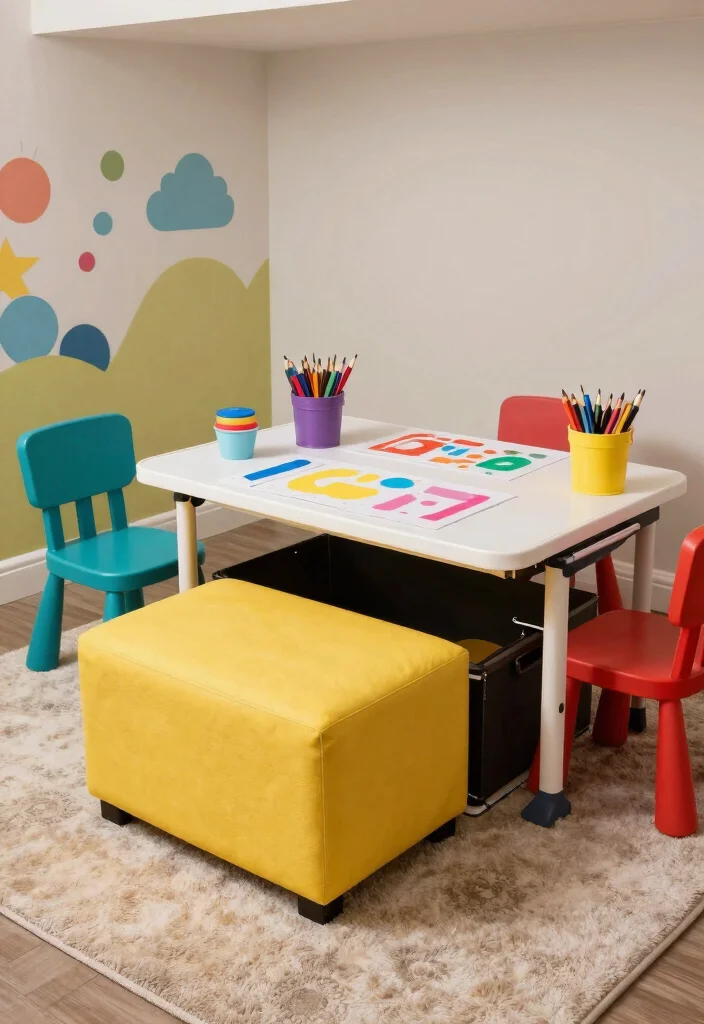
In a basement playroom, multifunctional furniture can be your best friend. Look for tables that easily convert from play surfaces to storage, or benches that open up to reveal hidden compartments. These pieces not only save space but keep your playroom organized and tidy.
An ottoman that doubles as storage can hold toys, while collapsible tables are fantastic for activities that need to be tucked away when not in use. This versatility ensures you maximize every inch of your space.
Consider these multifunctional options:
– Invest in storage ottomans for dual functionality.
– Use collapsible furniture for easy setup and storage.
– Consider furniture with built-in storage compartments.
With smart choices in furniture, your basement can be both stylish and highly functional.
4. Bring in Natural Light
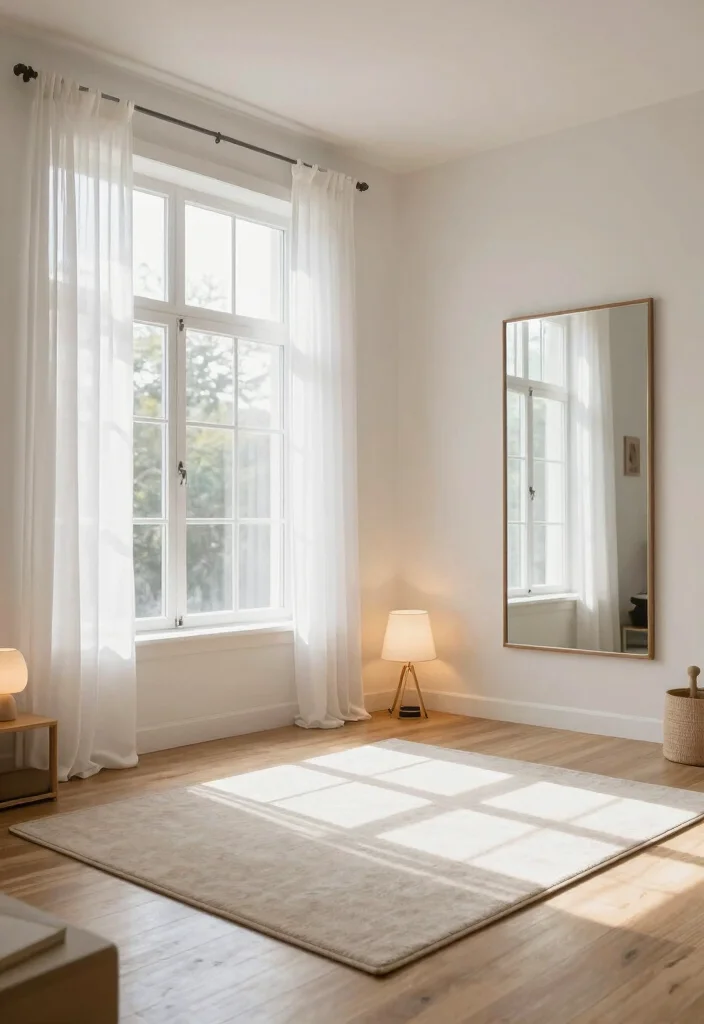
Maximizing natural light can dramatically improve the feel of your basement playroom. If you have windows, opt for sheer curtains that allow light to filter in while maintaining privacy. This simple touch can brighten up the entire space.
Mirrors can also serve as magical tools; they reflect light and create an illusion of a larger area. Strategically placed lamps in darker corners can help brighten your space, making it feel welcoming and airy.
Try these light-enhancing strategies:
– Use sheer curtains to maximize light.
– Place mirrors opposite windows to enhance brightness.
– Utilize lamps for additional lighting.
By enhancing natural light, your basement becomes a vibrant and inviting haven for play.
Bring in Natural Light
Editor’s Choice



5. DIY Storage Solutions
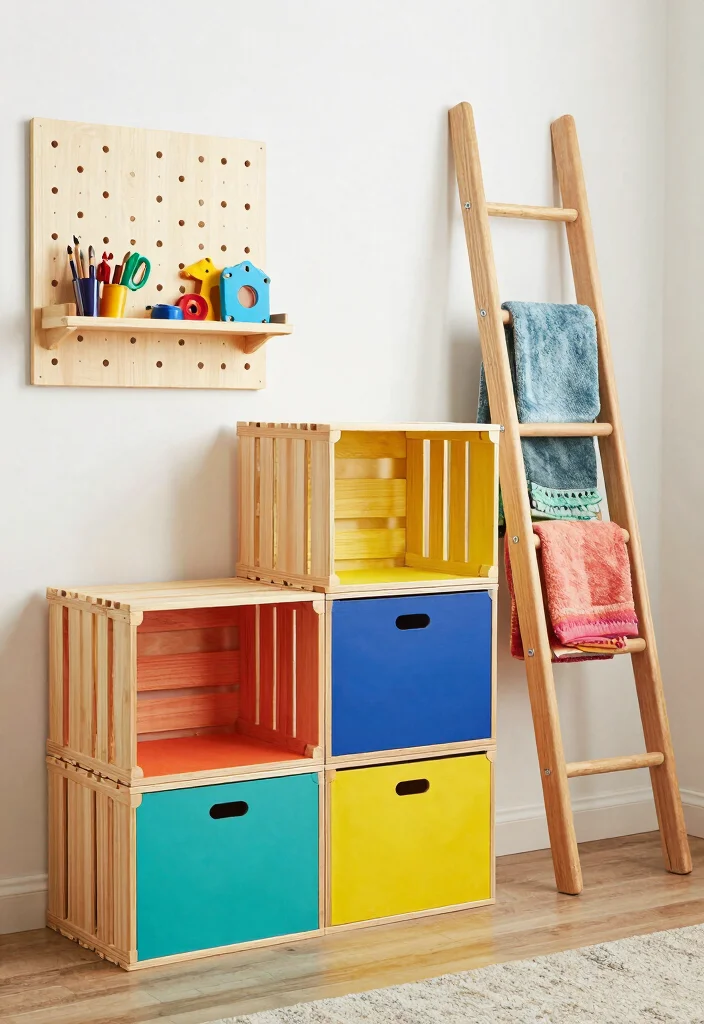
Get creative and craft your own storage solutions that perfectly fit your basement space. From upcycled crates to colorful bins, DIY storage can be both functional and stylish. Personalizing these elements adds a unique touch to your playroom.
Consider wall-mounted shelves or pegboards for vertical storage, allowing easy access to toys and art supplies. A whimsical ladder can also serve as an innovative way to display larger items or blankets.
Incorporate these clever storage ideas:
– Use repurposed furniture for unique storage.
– Create wall-mounted shelves for easy access.
– Incorporate open storage for quick organization.
With DIY solutions, you keep things tidy and make the space more visually appealing.
6. A Gallery Wall of Fun
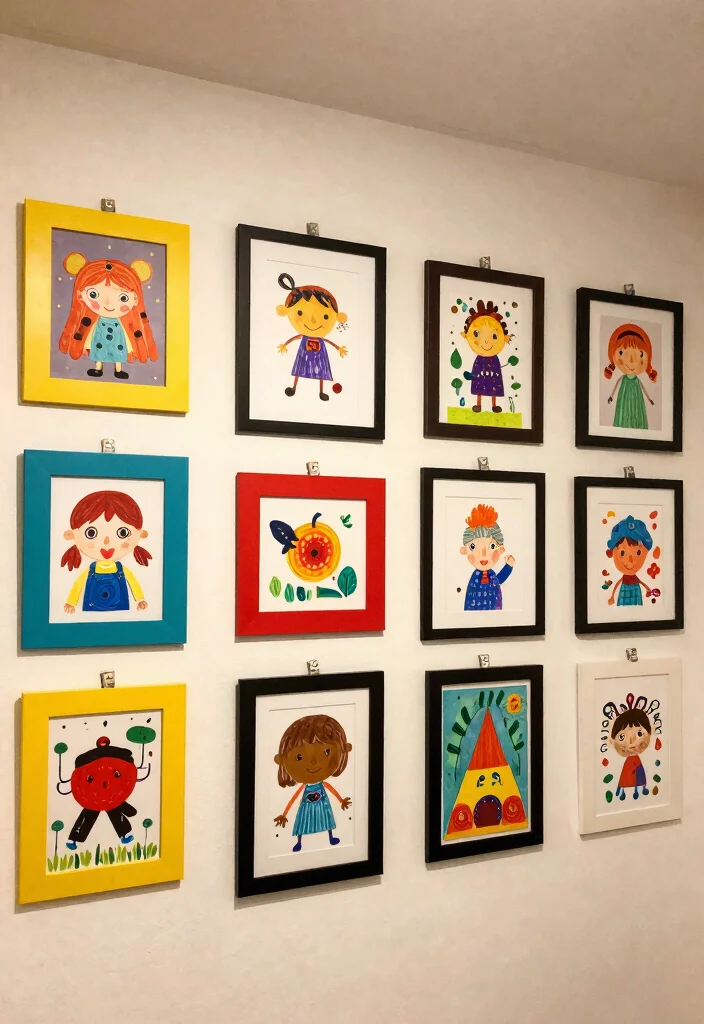
Creating a gallery wall in your basement playroom allows you to showcase your child’s artwork or favorite prints. This personal touch not only decorates the space but also brings vibrancy and inspiration to the room. It’s a delightful way to celebrate creativity.
Mixing and matching frame styles can create an eclectic look, or you can choose similar colors for a more polished effect. Using washi tape for easy display changes lets kids rotate their art regularly, keeping the gallery fresh.
Try these ideas for your gallery wall:
– Curate a selection of artwork for display.
– Use different frame styles for fun variety.
– Consider washi tape for a flexible gallery.
By regularly updating the display, you encourage creativity and keep the atmosphere lively.
7. Inspiring Themed Decor
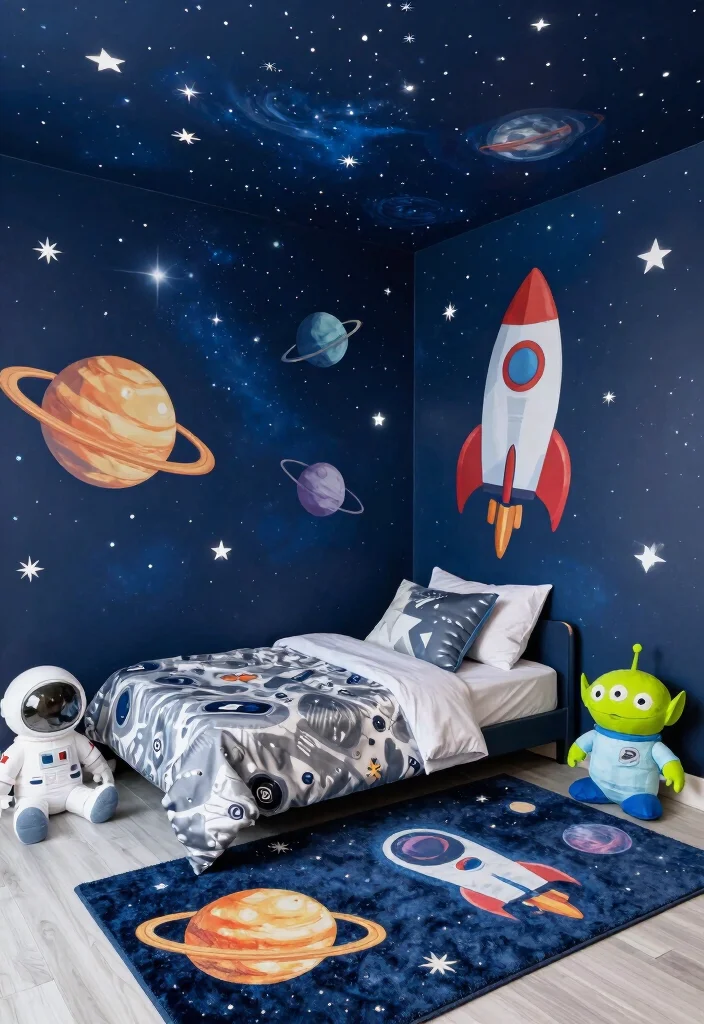
Choosing a theme for your basement playroom adds a fun twist that reflects your child’s interests. Whether it’s a jungle adventure or outer space exploration, themed decor creates a captivating atmosphere. This can engage kids and stimulate their imaginations.
Incorporate themed wall decals, bedding, and rugs to establish a cohesive look. Accessorizing with plush toys and decorative elements that match the theme enhances the overall experience.
Explore these themed decor ideas:
– Choose a central theme that resonates with your child.
– Use wall decals to enhance the theme.
– Incorporate themed accessories for a cohesive look.
Themes can grow with your child, allowing for easy updates as their interests evolve.
Choosing a theme turns a blank basement into a playground of imagination. A cohesive color plan, wall decals, and themed accessories make basement playroom ideas feel magical and practical. Simple tweaks invite kids to play and parents to notice the creativity growing.
Inspiring Themed Decor
Editor’s Choice


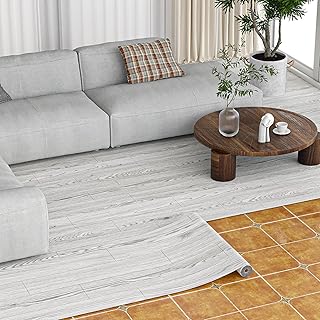
8. Fun Flooring Options
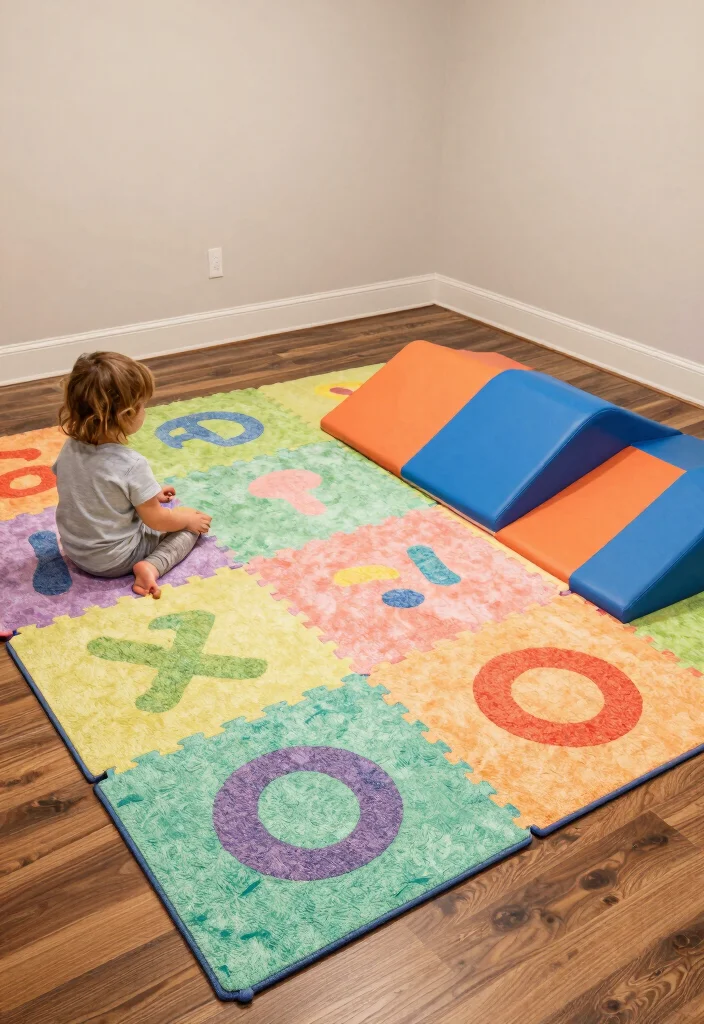
The flooring you select plays a crucial role in creating a welcoming basement playroom. Soft carpets or large rugs provide warmth and comfort, making it an inviting spot for playtime. These textures can encourage children to spend more time enjoying their space.
Interlocking foam mats are excellent for active play areas, offering safety and ease of cleaning. For a more refined look, consider durable vinyl flooring that mimics wood but stands up to wear and tear.
Consider these flooring options:
– Use soft rugs for comfort and warmth.
– Opt for foam mats in play areas for safety.
– Consider durable vinyl for an easy-to-clean surface.
Fun patterns in your rugs can stimulate creativity while providing comfort underfoot.
Basement playroom ideas start with the floor: soft carpets or large rugs warm up the space and invite kids to linger. Interlocking foam mats keep play safe and clean, while durable vinyl offers a stylish, practical option for busy basements.
Fun Flooring Options
Editor’s Choice


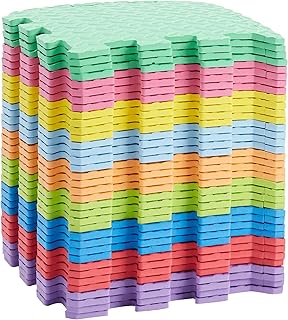

9. Create a Sensory Zone
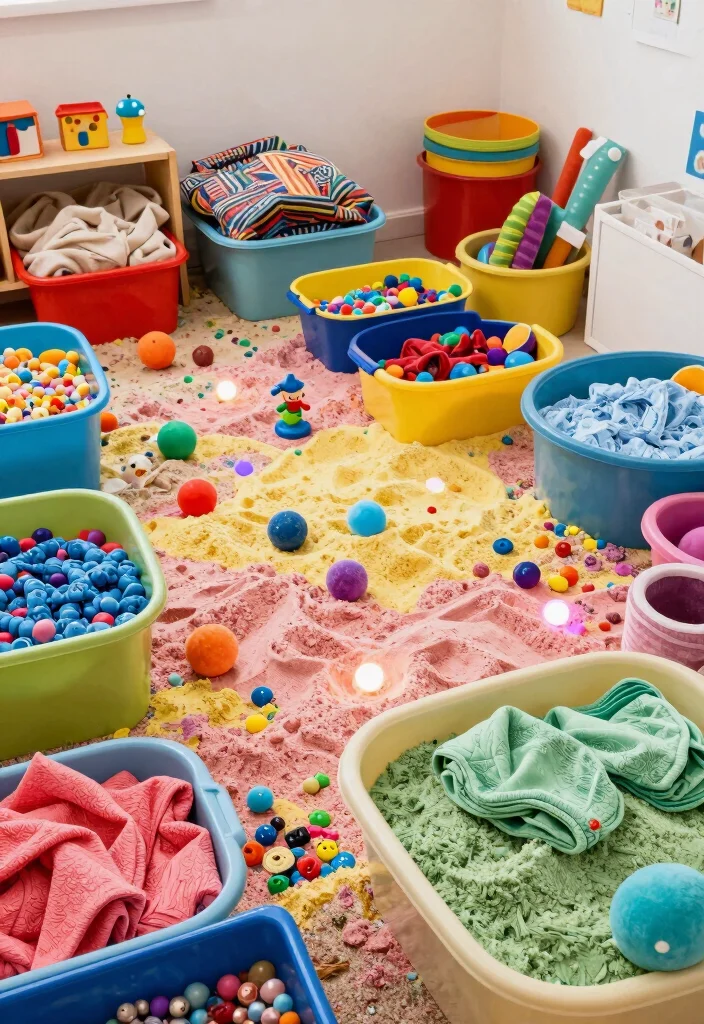
Designating a sensory zone in your basement playroom invites kids to engage their senses through textures, colors, and sounds. Incorporate various materials like sand, water, and soft fabrics for enriching tactile experiences. This area can enhance learning and development while being fun.
Use bins filled with rice, beads, or kinetic sand alongside sensory toys that light up or make sounds. Creating a safe, clean environment allows for exploration and discovery.
Incorporate these sensory ideas:
– Include bins with different sensory materials.
– Add toys that stimulate sight and sound.
– Ensure the area is safe and cleanable.
Sensory play is beneficial for all ages, supporting fine motor skill development and creativity.
10. Incorporate Movement
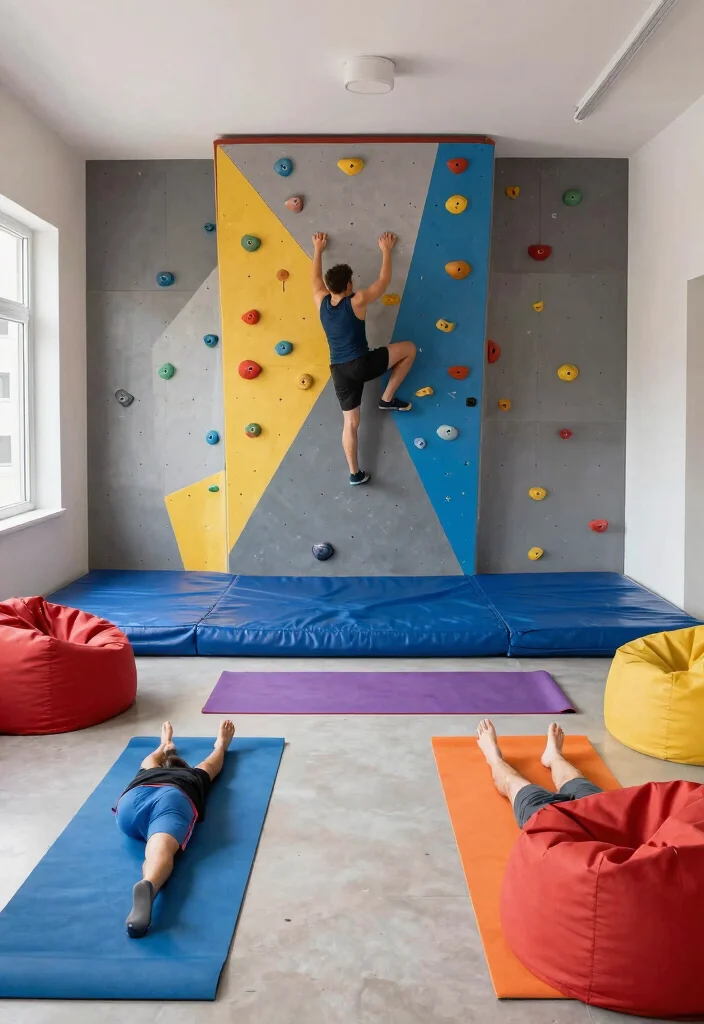
Encouraging physical activity in your basement playroom helps channel kids’ energy positively. Consider adding areas for movement, such as a small indoor climbing wall or exercise mats for stretching and yoga. This balance of active play and relaxation promotes well-being.
Bean bags can provide cozy seating after a round of play, making the space functional and inviting. Designing spaces for physical activity fosters a healthy lifestyle from an early age.
Explore these movement-friendly options:
– Add small climbing structures for active play.
– Use exercise mats for yoga or stretching.
– Incorporate seating options for relaxation.
Regular movement can boost focus and mood, making playtime even more enjoyable.
Incorporate Movement
Editor’s Choice


11. Connect with Nature
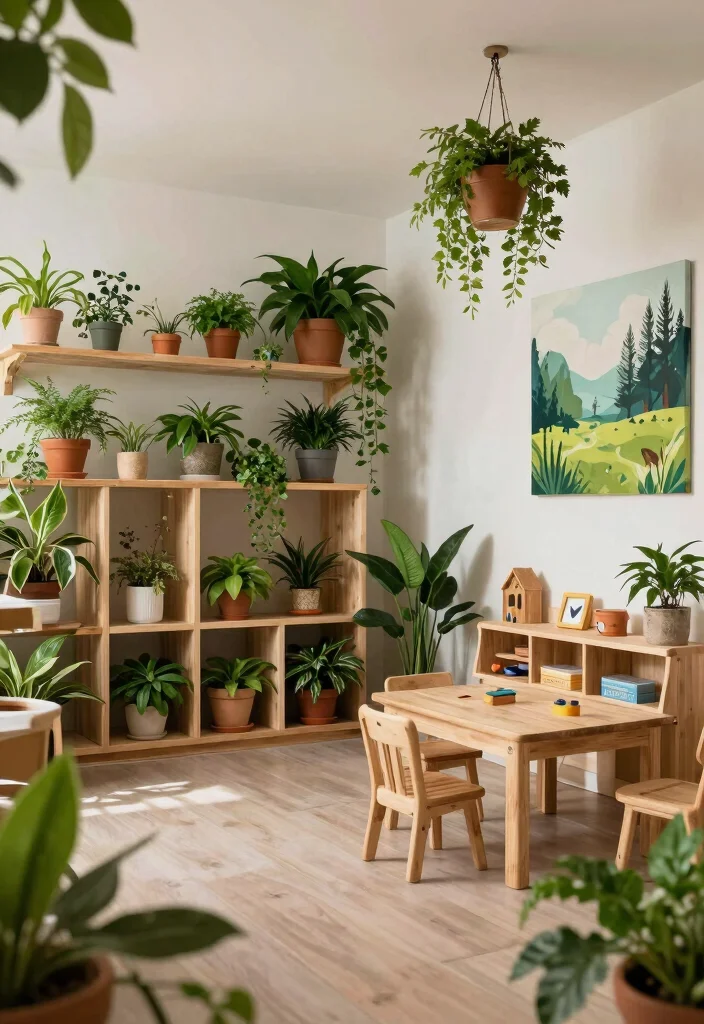
Bringing elements of nature into your basement playroom can create a calming, inviting atmosphere. Incorporate plants or nature-inspired decor to introduce life and freshness into the space. These touches can evoke a sense of tranquility and connection to the outdoors.
Consider hanging plants or using faux greenery if natural light is limited. Nature-themed artwork or decals can also help establish a soothing environment, making the space feel balanced for both play and relaxation.
Incorporate these nature-inspired ideas:
– Add greenery with potted plants or faux options.
– Use natural materials like wood for furniture.
– Incorporate nature-themed artwork or decor.
Integrating nature can uplift mood and inspire creativity, enhancing your basement’s atmosphere.
12. Family-Friendly Craft Station
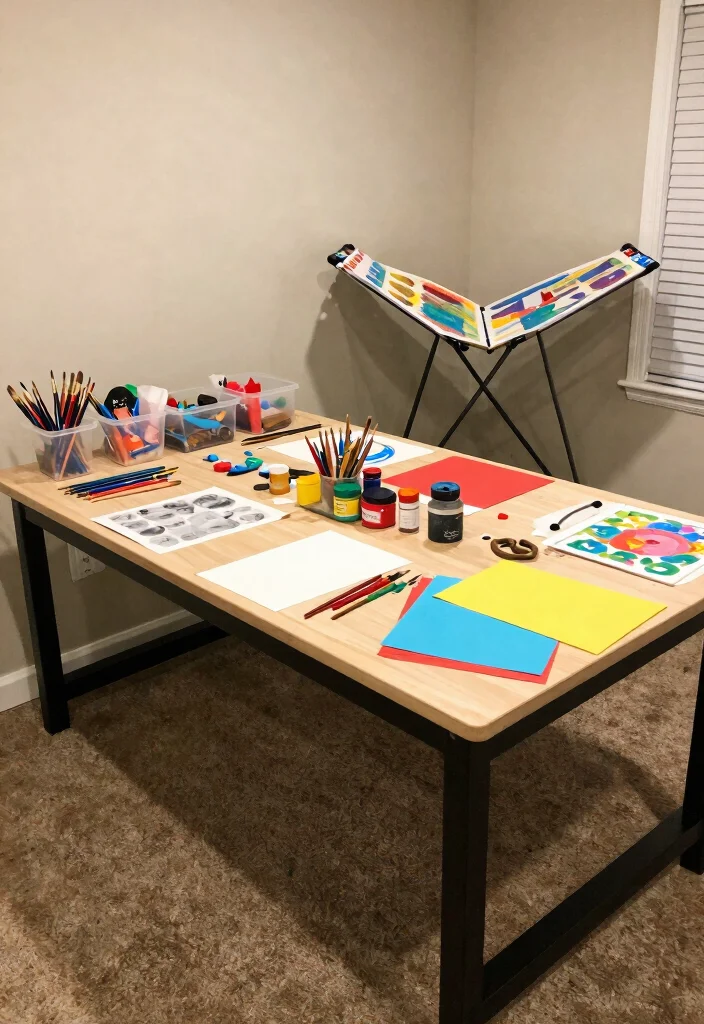
Creating a dedicated craft station in your basement playroom fosters creativity and hands-on learning. Set up a sturdy table stocked with essential art supplies like paper, paints, crayons, and scissors for endless creative possibilities. This organized space can inspire imagination in children.
Organizing supplies in clear bins ensures easy access, while a drying rack for wet projects keeps things tidy. This setup not only helps maintain order but also encourages kids to dive into their artistic endeavors.
Consider these craft station essentials:
– Use a sturdy table designated for crafts.
– Stock up on essential art supplies.
– Include a drying rack for completed projects.
Regularly rotating supplies can keep the creativity flowing and inspire new ideas.
Fun fact: a well-organized craft station can boost kids’ creativity by up to 30% in basement playroom ideas. Keep a sturdy table with easy-access bins and a drying rack for wet projects, and watch imagination flow even on rainy days.
Conclusion
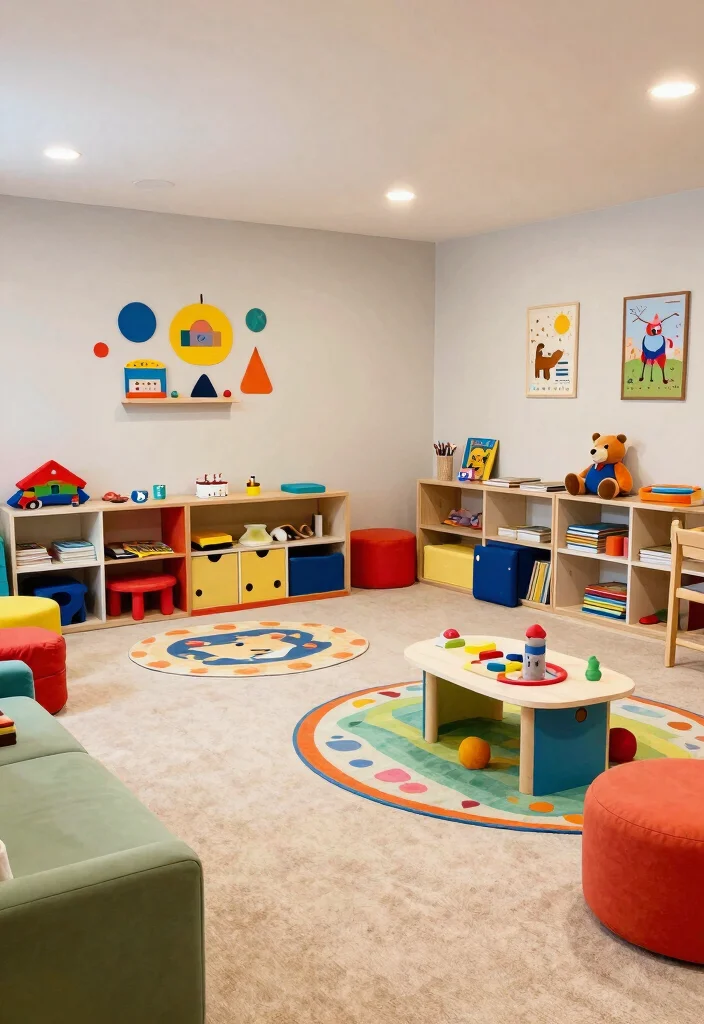
Transforming your basement into a playful paradise doesn’t have to be daunting. With thoughtful design, vibrant decor, and clever storage solutions, your basement can become an exciting space for creativity and family bonding.
Embrace these ideas and customize them to fit your family’s needs. Let your basement playroom be a reflection of your child’s interests and a place for joyful memories to be made.
Note: We aim to provide accurate product links, but some may occasionally expire or become unavailable. If this happens, please search directly on Amazon for the product or a suitable alternative.
This post contains Amazon affiliate links, meaning we may earn a small commission if you purchase through our links, at no extra cost to you.
Frequently Asked Questions
What are the best basement playroom ideas for small spaces to keep it cozy and stylish?
Turn a tight basement into a cozy, stylish play zone by starting with a bright, kid-friendly color palette and layered lighting. For basement design, choose multifunctional space pieces like a storage ottoman, fold-out sofa, and modular shelving that can grow with your child. Emphasize creative storage solutions—wall-mounted bins, labeled baskets, and a hidden toy storage bench—to maximize floor space without clutter. Create distinct zones for play, reading, and crafts with area rugs and strategic furniture placement so the room still reads open. Finally, add playful accents like wall decals or a magnetic chalkboard wall to keep the children’s playroom energy high while the space feels part of the home, not a basement.
How can I make a basement playroom feel bright and welcoming in a small space?
The key is light, warmth, and smart layout. Start with a light, neutral base and add pops of color in toys and textiles to keep the cozy basement vibe without shrinking the room. Layer lighting with overhead, task, and wall sconces to avoid dark corners. A mirror or glossy surfaces can visually expand the space. Choose compact, multifunctional space furniture and creative storage solutions that hide clutter, so the room stays airy while meeting your basement design goals and supporting a joyful children’s playroom.
What are affordable storage ideas for a basement playroom?
Think vertical and hidden first. Install wall-mounted shelving or a pegboard system to hold craft supplies and toys within easy reach. Pair that with labeled, stackable bins and a bench with built-in storage to create a creative storage solutions hub without taking up precious floor space. Consider a toy chest or a rotation system to keep the basement playroom ideas fresh and budget-friendly. Add ceiling-mounted storage if possible to use dead space above the kid zone.
How can you zone a small basement playroom for different activities?
Define areas with color, rugs, and furniture layout. A reading nook with a comfy chair, a low bookcase, and soft lighting; a crafts corner with a kid-safe desk; and a play zone with soft mats for building and imaginative play. Use modular furniture that can be reconfigured, and keep all zones connected with a clear traffic path. The right zoning helps with basement design and makes the children’s playroom feel organized and inviting in a cozy basement.
What safety considerations should I plan for a basement playroom?
Prioritize safety from day one. Ensure proper egress and a well-ventilated, moisture-controlled environment to prevent mold. Use outlet covers, cord management, and anchor tall shelves to the wall. Choose non-slip rugs and soft mats in play areas, and keep cords and small parts out of reach. Regularly inspect for dampness and ensure the space remains a comfortable, cozy basement that meets general basement design safety standards.