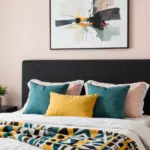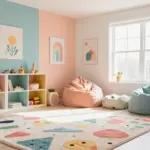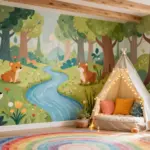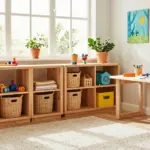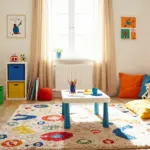
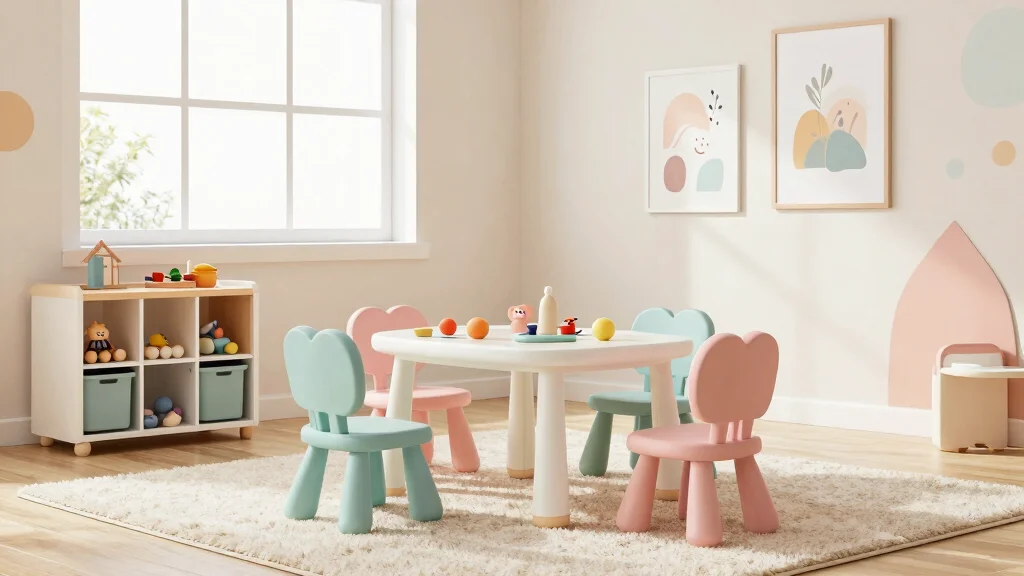
Creating a fun and functional playroom in Bloxburg can feel like a daunting task. You want a space that sparks creativity while keeping things tidy and modern. With so many design choices available, it’s easy to get overwhelmed. That’s why I put together this post. I believe that every child deserves a playroom that not only meets their needs but also reflects a clean, minimalist aesthetic that parents appreciate.
If you’re a Bloxburg player looking to design the perfect playroom for your kids, you’re in the right place. Whether you’re a seasoned builder or just starting, this guide is tailored for you. We’ll explore various ideas that balance play and organization. Each suggestion aims to inspire you to create a space where your children can enjoy their favorite activities without clutter taking over.
In this article, you’ll discover 15 unique Bloxburg playroom ideas that embrace a clean, modern layout. From soft neutral palettes to whimsical reading nooks, these concepts offer versatility and style. Plus, they make it easier for your kids to maintain their space. Let’s dive in and transform your Bloxburg playroom into a dream destination for your little ones!
Key Takeaways
– Explore soft neutral palettes to create a calm and inviting playroom atmosphere that appeals to both kids and parents.
– Incorporate natural wood elements for a warm, organic touch that enhances the minimalist vibe of the room.
– Design functional multi-use spaces to maximize the area for play, learning, and relaxation, making the most of your real estate.
– Use playful geometric patterns in decor and furniture to add visual interest while keeping the overall look clean and modern.
– Create interactive wall spaces that encourage creativity and play, ensuring your children have fun while learning and exploring.
1. Soft Neutral Palettes
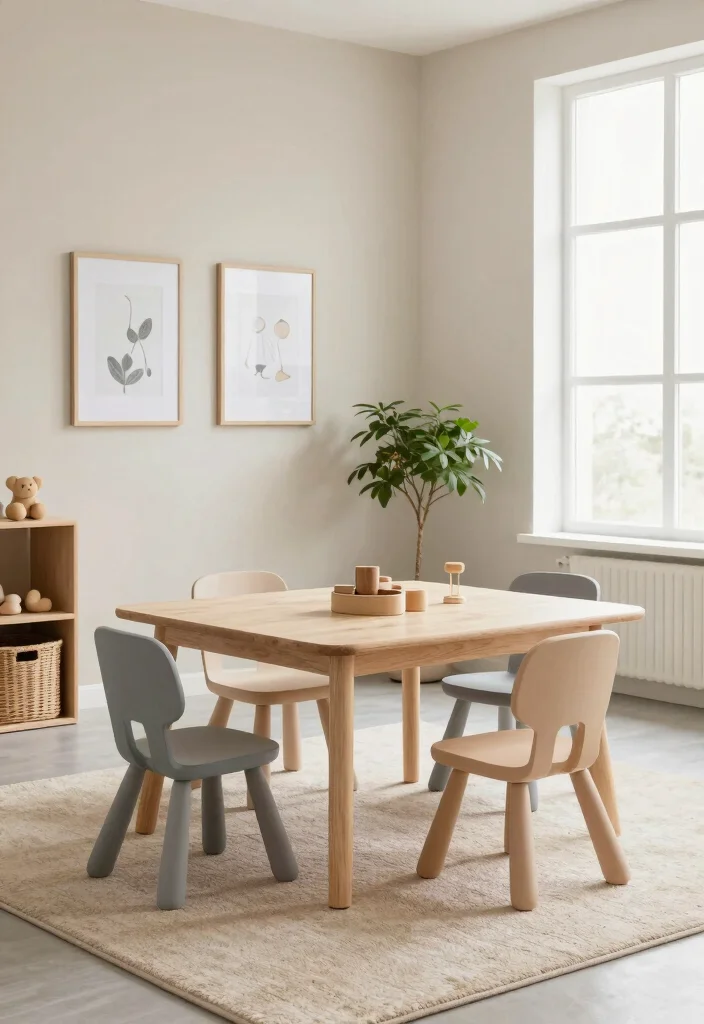
Embracing soft neutral palettes sets the stage for a playroom that feels tranquil and welcoming. These gentle hues, such as light grays, warm beiges, and soft creams, create a soothing atmosphere, allowing vibrant toys and decor to take center stage. Imagine a space where the calming backdrop enhances the joyful colors of your children’s belongings, transforming the room into a serene yet playful haven.
To bring this vision to life, consider adding textured elements like woven baskets for toy storage or a soft, plush rug that invites cozy moments. You can explore budget-friendly options by sourcing second-hand furniture or DIYing decor pieces to achieve a sophisticated look without overspending.
Consider these elements to maximize this palette’s potential:
– Pair light wood furniture with soft textiles for warmth.
– Add colorful play mats and pillows that can be easily updated.
– Utilize natural light through large windows to maintain brightness.
This approach not only enhances the playroom’s aesthetic but also fosters a sense of comfort, allowing children’s creativity and personality to shine amidst a curated backdrop.
Soft Neutral Palettes
Editor’s Choice




2. Natural Wood Elements
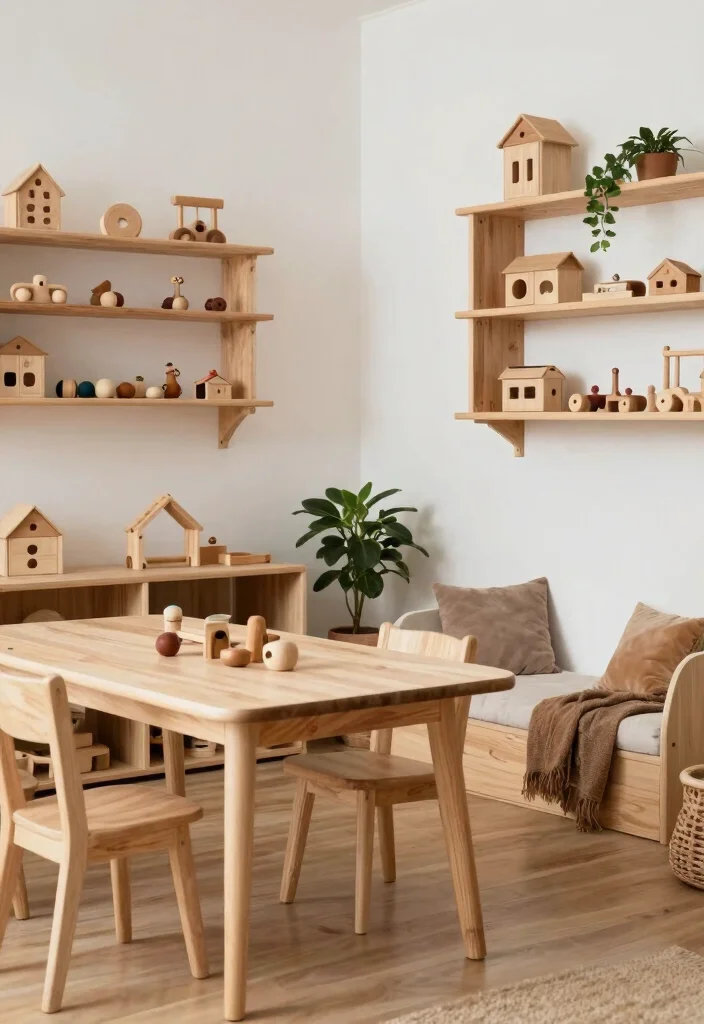
Natural wood elements introduce a sense of warmth and earthiness to a playroom, creating a cozy yet stylish atmosphere. The organic beauty of light, untreated wood furniture can effortlessly complement modern decor, resulting in a harmonious blend of rustic and contemporary styles. Picture a playroom adorned with wooden shelves and playful furniture, inviting your children to explore and engage in their activities.
To enhance this design, consider integrating items like wooden blocks or climbing structures, which can inspire imaginative play. Opt for eco-friendly wood finishes to ensure safety and sustainability, offering a nurturing space for your kids.
Keep these ideas in mind:
– Choose sustainable wood that is safe for children.
– Mix finishes, like a matte table with glossy storage bins for contrast.
– Highlight wood as the primary element, keeping other colors minimal.
Incorporating natural wood not only beautifies the space but also creates a safe environment, fostering a love for nature and exploration in your children.
3. Functional Multi-Use Spaces
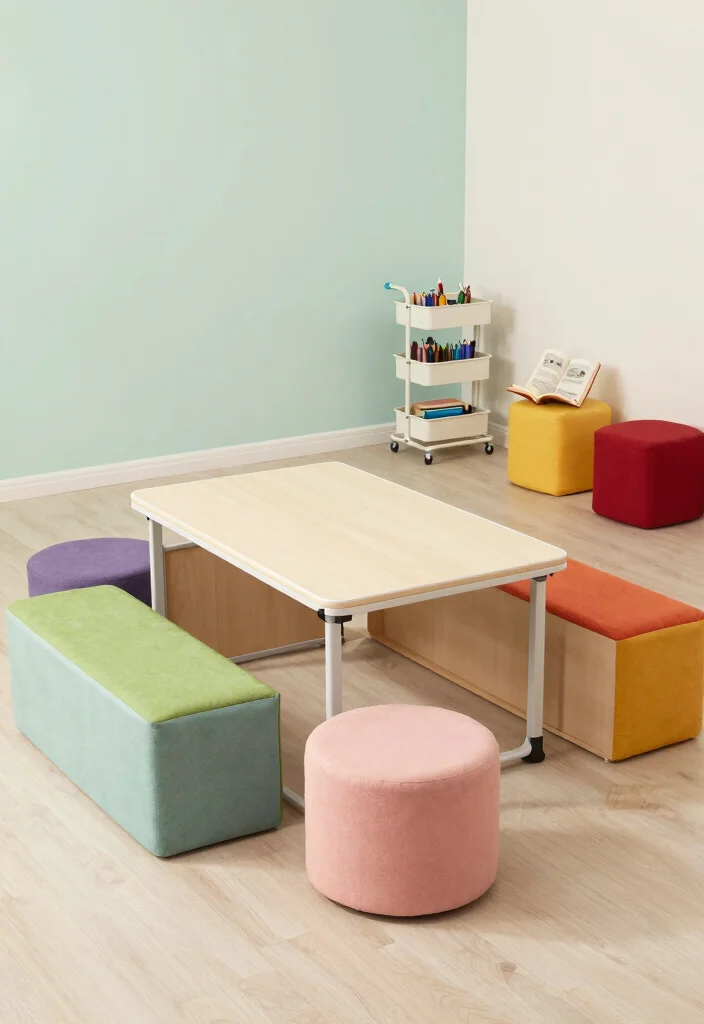
Designing a playroom with functional multi-use spaces allows for clever organization and fosters creativity. This approach keeps the area tidy while encouraging children to switch seamlessly between playtime and quieter moments. Envision foldable tables that tuck away easily or storage benches that double as seating, maximizing your space’s potential.
Consider pieces that adapt to various activities, like ottomans with hidden storage or a murphy bed that transforms into a cozy reading nook. You can even explore budget-friendly options by repurposing furniture or investing in modular pieces that grow with your child.
Implement these ideas for a versatile playroom:
– Use ottomans for storage and extra seating as needed.
– Invest in a murphy bed that doubles as a reading area.
– Choose lightweight furniture that can be easily moved around.
This dynamic design encourages imaginative play and flexibility, making the playroom a space where creativity can thrive without the chaos of traditional layouts.
4. Playful Geometric Patterns
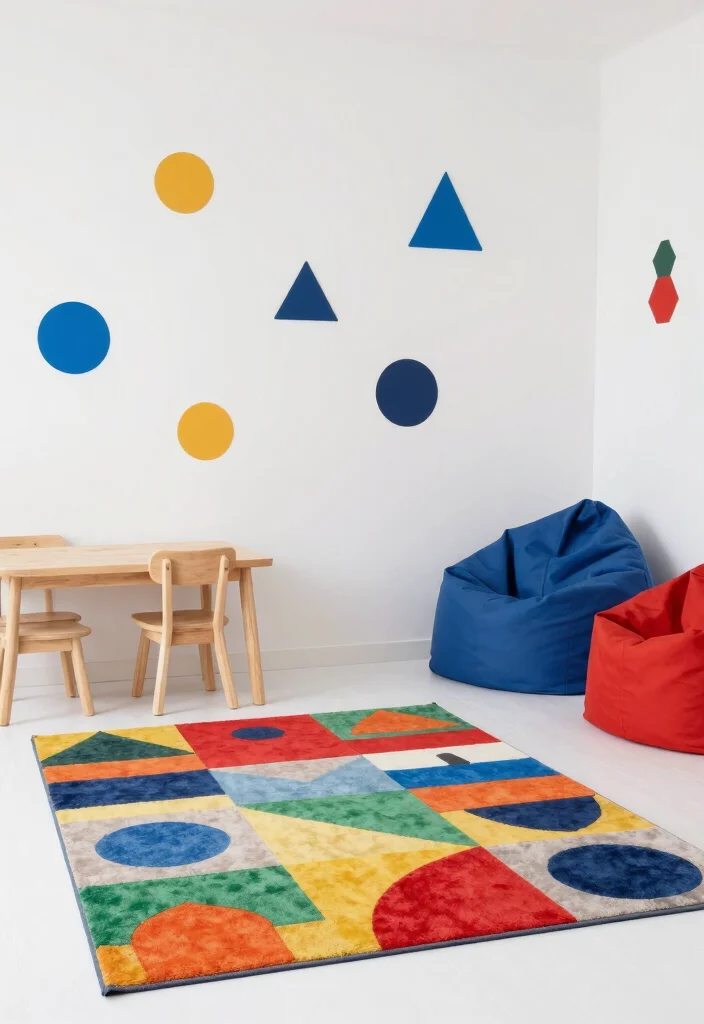
Integrating playful geometric patterns into a minimalist playroom adds a fun element while maintaining a clean aesthetic. These shapes can be subtly showcased through wall decals, rugs, or even furniture designs, bringing energy to the space without overwhelming it. Picture vibrant triangular shelving or round rugs that create visual interest, enhancing the overall decor.
To incorporate geometric flair, think about using bold-shaped rugs that spark conversation or easy-to-remove wall decals that can evolve with your child’s tastes. Keep furniture lines simple to let the patterns shine without distraction.
Explore these unique ways to add geometric elements:
– Select rugs with fun designs that invite play.
– Install removable decals that adapt as kids grow.
– Choose simple furniture to highlight the patterns.
This design choice not only creates a modern vibe but also encourages creativity, allowing you to refresh the space effortlessly as trends change.
5. Nature-Inspired Decor
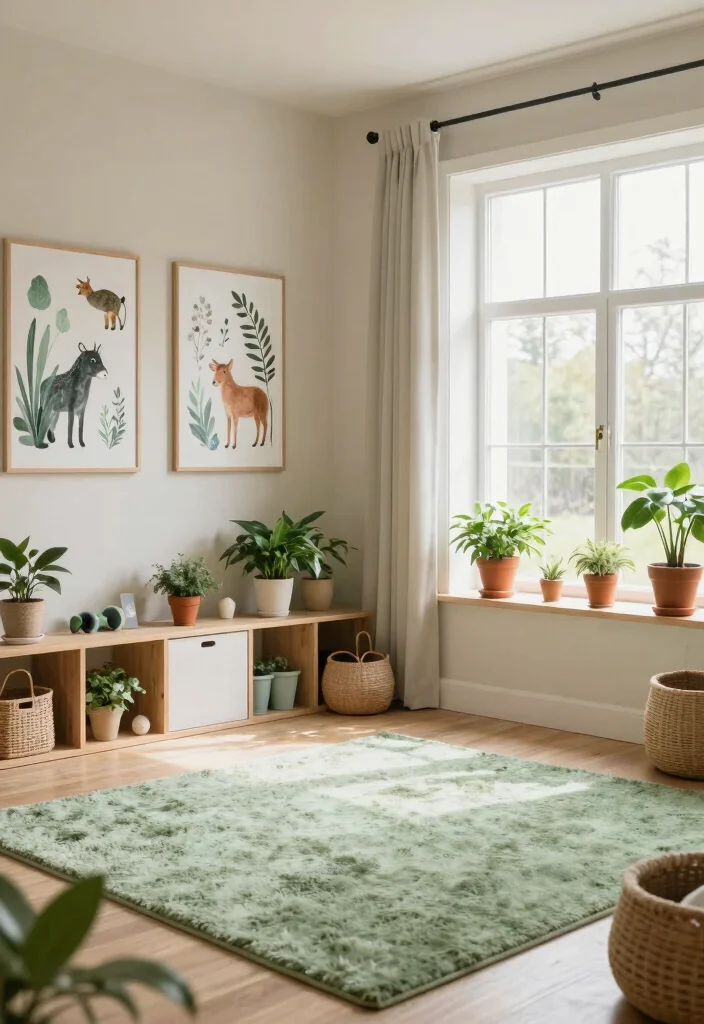
Incorporating nature-inspired decor in a playroom creates a serene atmosphere that sparks curiosity and imaginative play. By embracing natural elements like leaf motifs and animal prints, you can bring the outdoors inside, encouraging exploration. Imagine vibrant plant-themed decor that livens up the space, making it a delightful haven for your children.
To enhance this theme, consider hanging nature-themed artwork that inspires storytelling or using non-toxic houseplants to add freshness. A nature-inspired color palette featuring greens, browns, and soft creams can beautifully unify the decor.
Here are elements to integrate:
– Hang simple artwork that ignites imagination.
– Use non-toxic plants for a touch of greenery.
– Create a cohesive color scheme inspired by nature.
This approach not only beautifies the room but also fosters a love for the environment, allowing children to express their interests through decor choices.
6. Whimsical Reading Nooks
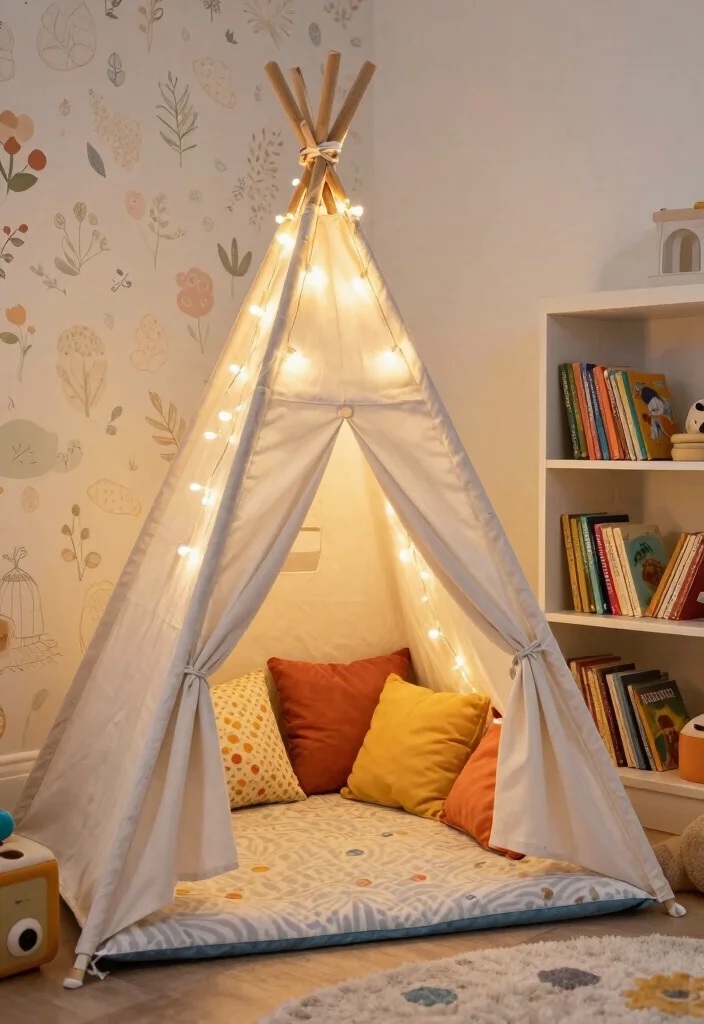
Designing a whimsical reading nook encourages a love for books and storytelling. This special area provides a cozy retreat for children, inviting them to escape into their favorite tales amidst playful surroundings. Picture a charming nook adorned with oversized cushions and a tent, creating an inviting space for quiet moments.
Incorporate elements like low shelves stocked with books for easy access, and use bright colors and playful patterns to keep the area engaging. Soft lighting, such as fairy lights or a small lamp, can create a magical ambiance for evening reading sessions.
Consider these tips for an enchanting nook:
– Use low shelves for easy book access.
– Design with vibrant colors and fun patterns.
– Add soft lighting for cozy evenings.
Creating a whimsical reading nook nurtures creativity and imagination, significantly impacting a child’s development in a playful environment.
7. Minimalist Art Stations
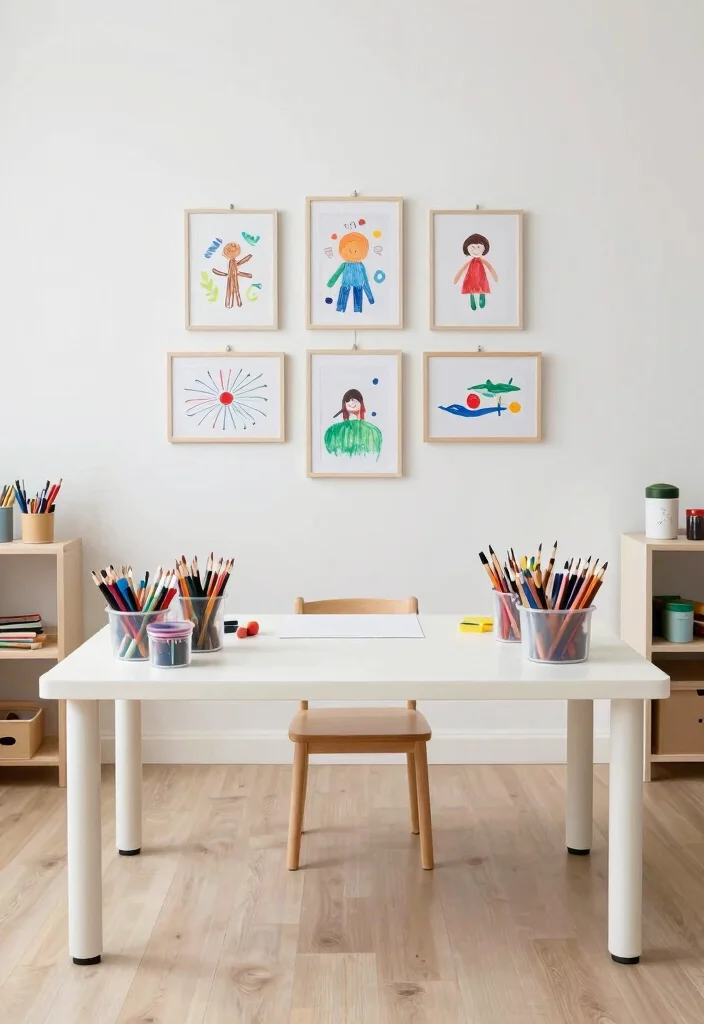
Establishing a minimalist art station promotes creativity while keeping the playroom organized. By dedicating a space for arts and crafts, children can explore their artistic side without the clutter that often accompanies creative activities. Imagine a clean-lined table paired with transparent storage solutions, making it easy for kids to access their supplies.
Incorporate essential components like a sturdy table that accommodates multiple projects and clear bins for art supplies. A rotating display board can showcase finished works, adding a sense of pride to their creations.
Key components to include:
– A durable table with ample workspace.
– Clear bins for easy access to supplies.
– A display board for showcasing artwork.
This organized approach allows for smooth transitions between activities, encouraging children to take pride in their creations while maintaining a visually appealing space.
8. Indoor Play Areas
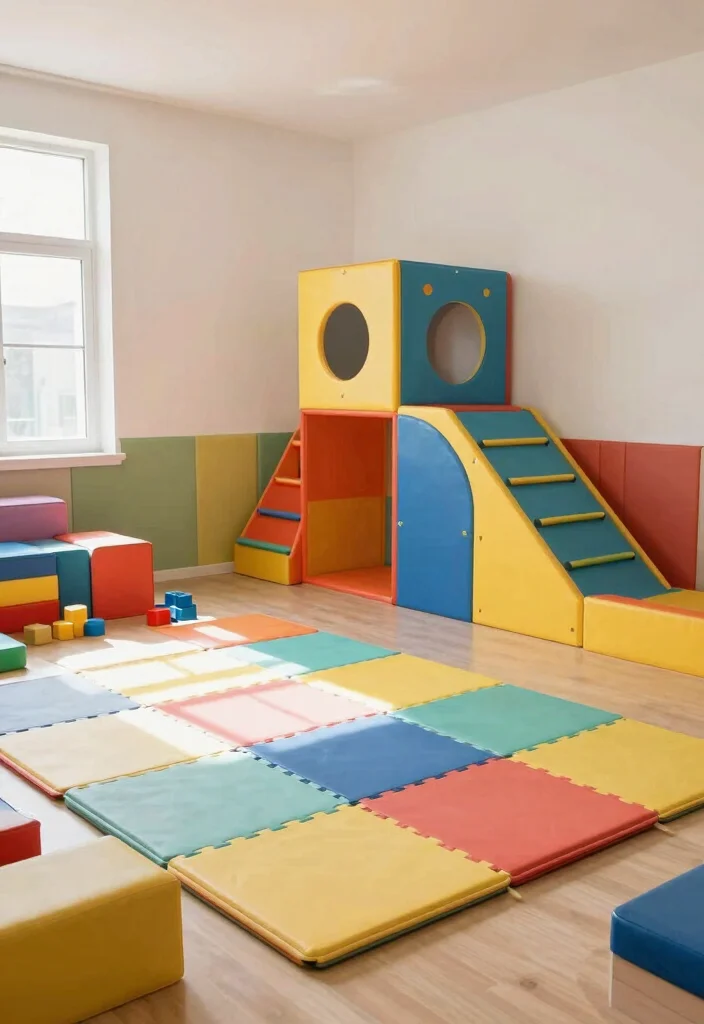
Creating an indoor play area equipped with climbing structures and soft play equipment ensures safety while providing endless fun. This setup transforms a simple room into an adventure zone, allowing children to expend their energy indoors. Imagine a vibrant space filled with colorful foam tiles and age-appropriate climbing gear that encourages active play.
To set up a safe indoor play area, consider using soft flooring options, such as foam tiles or large cushioned rugs, to protect against falls. Designate specific areas for different types of play, such as building blocks or imaginative games, to keep activities organized.
Essentials for your indoor play area:
– Soft flooring to cushion falls.
– Climbing equipment for physical activity.
– Designated areas for various play types.
This thoughtful design nurtures physical development while promoting imaginative play, making it a valuable addition to any playroom, particularly on days when outdoor activities aren’t feasible.
Fun fact: A small indoor play area with foam tiles can reduce slips by up to 60% and keep energy spent indoors. This is how smart bloxburg playroom ideas turn a simple room into an adventure zone—safely and stylishly.
9. Customizable Lego Zones
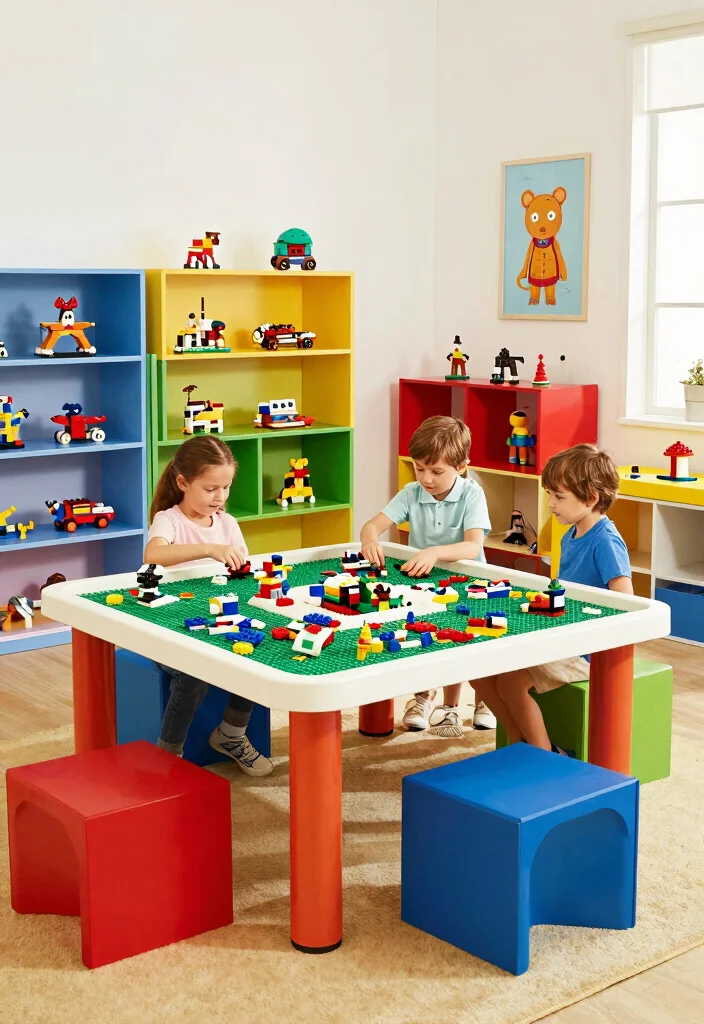
Creating a customizable Lego zone empowers kids to dive into their creativity while keeping their building blocks organized. This dedicated space not only nurtures imagination but also encourages collaborative play with friends. Picture tables with built-in storage, providing easy access to Lego pieces while inspiring collective building adventures.
To establish a successful Lego zone, incorporate large, flat surfaces that allow for ample building space. You can hang shelves nearby to display finished projects or store instruction manuals for easy reference. Personalizing the zone with themes that resonate with your kids can also enhance the experience.
Tips for a successful Lego zone:
– Use spacious surfaces for creative building.
– Hang shelves for displaying projects and manuals.
– Personalize the area with a favorite theme.
This playful setup not only encourages creativity but also cultivates problem-solving skills and spatial awareness, making it an engaging and productive part of the playroom.
Cost Breakdown & Budget Planning
When planning your Bloxburg playroom, having a clear budget is essential. This guide will help you break down the costs involved, ensuring you allocate your funds wisely while achieving a clean, modern layout.
Cost Breakdown by Category:
– Materials/Products: Expect to spend between $200 to $1,500. This range depends on the quality of materials you choose. For instance, basic furniture and decor will be cheaper, while custom pieces and high-end finishes will cost more.
– Tools/Equipment: If you’re handy, budget around $50 to $300. This will cover tools for assembly and installation. You might need basic items like screws, drills, or paint supplies.
– Labor/Professional Installation: Hiring a professional can range from $100 to $1,000. This cost varies based on the complexity of your design and the rates of local contractors.
– Optional Extras: Allocate $50 to $500 for fun features. This could include wall decals, smart toys, or specialized storage solutions that enhance the playroom experience.
Budget Tier Breakdown:
Basic Economy Tier $
– What’s included: This tier includes simple furniture, essential toys, and basic decor. You might find low-cost items from thrift stores or discount retailers.
– Good for: Parents on a tight budget looking to create a functional playroom quickly.
– Limitations: You may lack durability and charm. High-quality finishes or personalized touches might be missing, leading to a less appealing space.
Mid-Range Tier $$
– What’s included: This balanced option features better quality furniture, interactive decor, and some custom elements. You could mix new items with thrifted finds for a unique look.
– Good for: Families wanting a stylish yet functional playroom that can grow with their kids.
– Best value for: Most people! This tier provides a nice balance between cost and aesthetics, making it a smart choice.
Premium Tier $$$
– What’s included: This option includes high-end furniture, custom storage solutions, and unique decor. Expect to pay for quality materials and professional design services.
– Good for: Families willing to invest for a dream playroom that offers both beauty and longevity.
– Worth it if: You want a truly personalized space that stands out and serves your kids for many years to come.
Money-Saving Tips:
– DIY Projects: Get creative! Building your own furniture or decor can save you money while adding a personal touch. Look for online tutorials that suit your skill level.
– Shop Off-Season: Purchase decor during clearance sales or off-peak seasons. Summer and winter sales often feature great discounts.
– Reuse and Repurpose: Use items you already have. Old furniture can be updated with a coat of paint or new cushions, making it feel fresh and modern.
– Buy Second-Hand: Check garage sales, thrift stores, or online marketplaces for gently used items. You can find unique decor and furniture at a fraction of the new price.
Where to Splurge:
– Quality Furniture: Invest in sturdy, well-made furniture. This ensures safety and durability. Your kids will use the space often, so it’s worth paying more for good quality.
– Safety Features: Consider spending extra on safety features like soft corners or non-toxic paint. These investments make the playroom safer for your little ones.
– Interactive Decor: Unique wall features or customizable play zones create engaging environments for kids. Spending a bit more here can elevate the entire playroom experience.
With this budget planning guide, you’re better equipped to transform your Bloxburg playroom into an inviting, functional space. Remember to balance between quality and cost, ensuring your design reflects both style and practicality. Happy decorating!
10. Interactive Wall Spaces
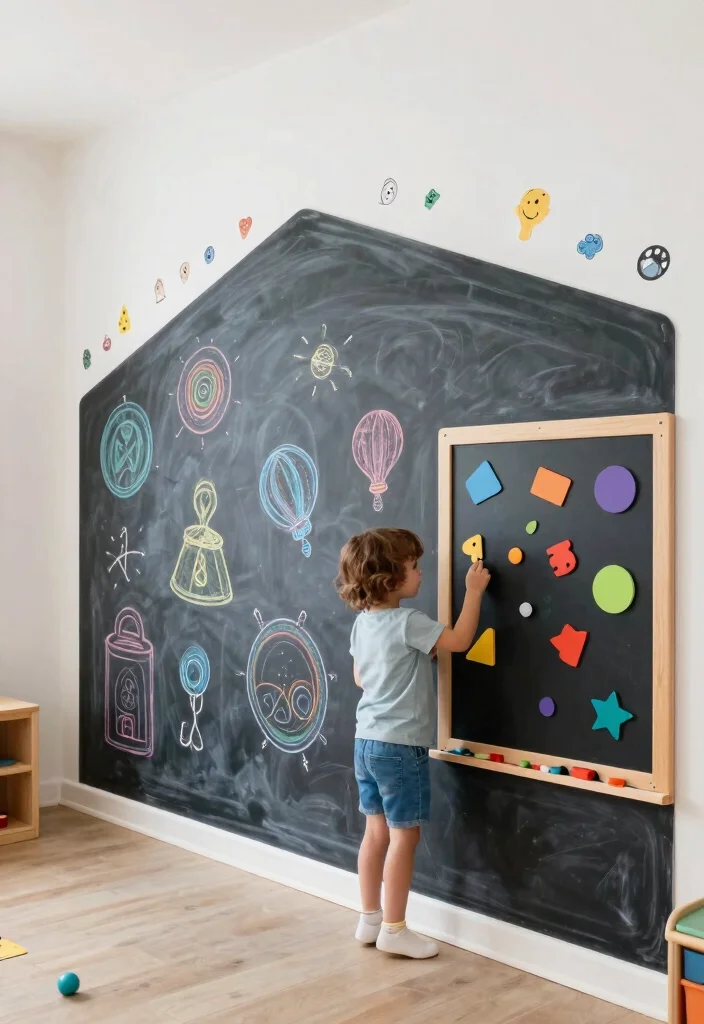
Designing interactive wall spaces transforms playrooms into lively hubs of creativity and activity. These walls serve as canvases for artistic expression while engaging children through various sensory experiences. Imagine chalkboard walls that invite spontaneous doodles or magnetic boards that offer endless educational play opportunities.
To bring your wall to life, consider creating a chalkboard area for unlimited drawing or installing a magnetic board with shapes and letters for interactive learning. Removable stickers or decals can also be used to change the decor as children’s interests evolve.
Ideas to enhance your interactive wall:
– Create a chalkboard wall for endless creativity.
– Install a magnetic board for educational fun.
– Use removable stickers that adapt with time.
This dynamic approach makes the walls a focal point of activity, encouraging children to engage creatively and socially, ensuring learning becomes a joyful part of their everyday play.
Fun fact: interactive walls boost playroom engagement by up to 70%, turning Bloxburg spaces into real learning hubs. With chalkboard surfaces and magnetic boards, you get endless practice in writing, drawing, and early literacy—perfect for bloxburg playroom ideas.
Interactive Wall Spaces
Editor’s Choice



11. Creative Storage Solutions
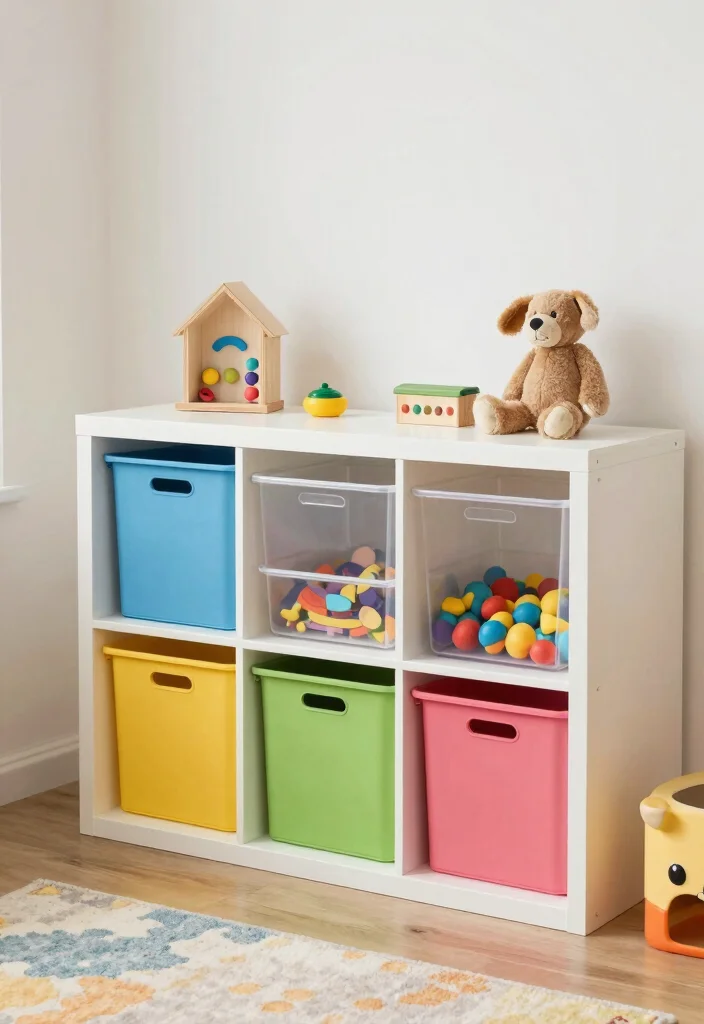
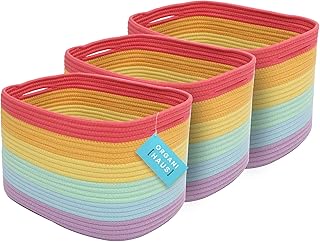
In any playroom, innovative storage solutions are crucial for maintaining organization and a clutter-free environment. By keeping toys and supplies neatly stored, you can promote a playful atmosphere while avoiding chaos. Imagine incorporating furniture with built-in storage like benches or colorful baskets that make cleanup a breeze for kids.
Utilizing vertical storage options, such as wall-mounted shelves, can save floor space and keep the area tidy. Opt for clear containers to enhance visibility, making it easy for children to find their favorite toys.
Key ideas for effective storage include:
– Colorful baskets that add vibrancy while being functional.
– Vertical shelves to save space and display items.
– Clear containers for easy visibility and access.
A well-organized playroom not only looks inviting but also teaches children the value of tidiness and responsibility for their belongings.
Creative Storage Solutions
Editor’s Choice


12. Minimalist Color Blocking
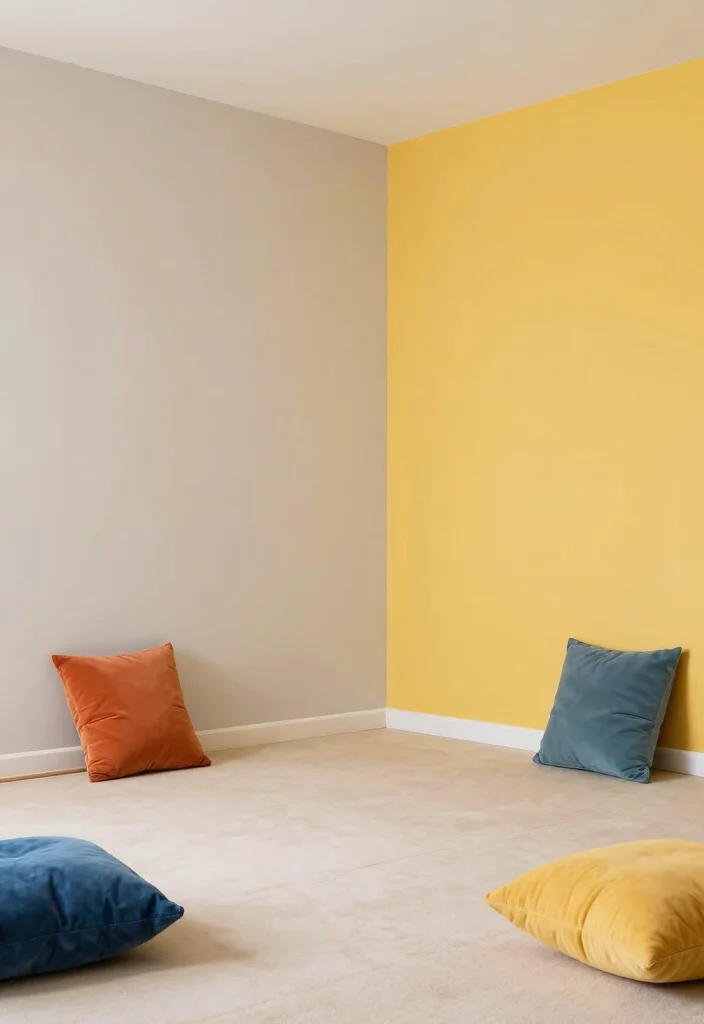
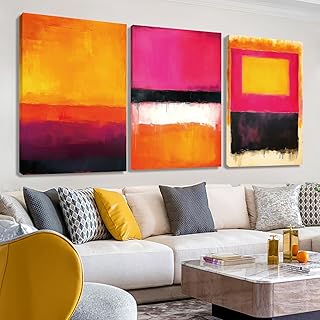
Implementing minimalist color blocking in a playroom creates striking visual appeal while maintaining simplicity. This technique involves strategically placing color blocks on walls, furniture, or decor, energizing the space without overwhelming the senses. Picture a room where one or two accent colors pop against a neutral backdrop, drawing the eye and creating a lively environment.
To effectively use color blocking, select complementary colors that align with your overall aesthetic, incorporating them in furniture and decor items like cushions or wall art. Keeping the layout straightforward allows the color blocks to stand out without distraction.
Strategies for impactful color blocking:
– Use one or two accent colors against neutral walls.
– Incorporate color in decor items like cushions.
– Maintain a simple layout to highlight the color blocks.
This design choice is powerful, adding a playful yet modern vibe that perfectly suits a chic playroom.
Minimalist Color Blocking
Editor’s Choice


13. Personalized Name Displays
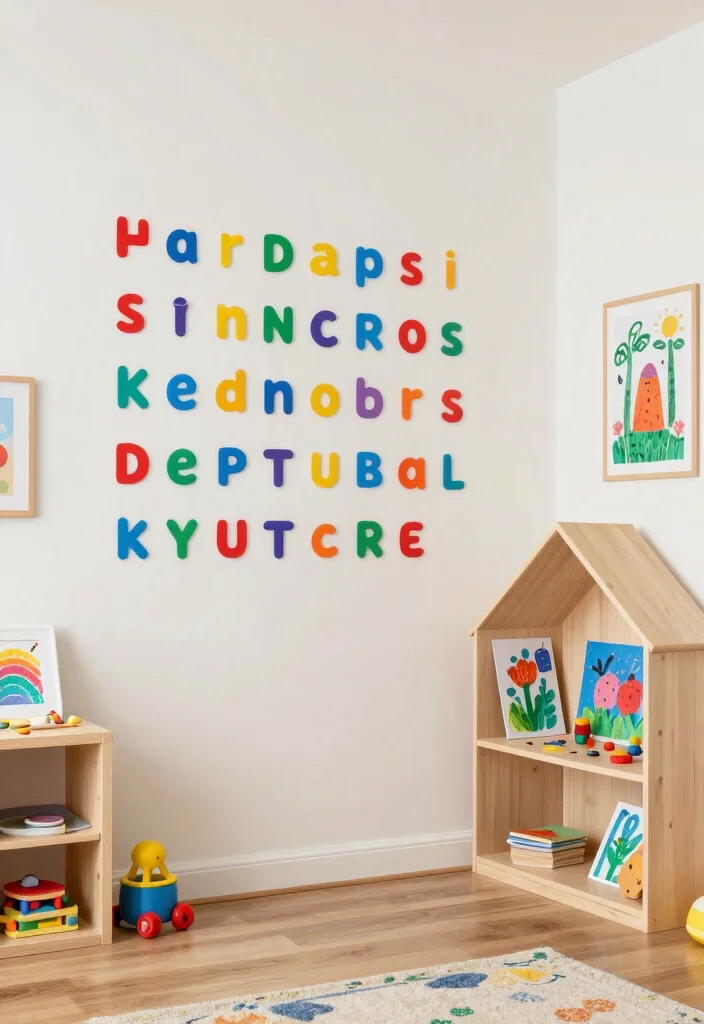
Showcasing personalized name displays cultivates a sense of ownership and pride within a playroom. This thoughtful addition not only enhances decor but also makes the space feel uniquely theirs. Imagine creative ways to display names using wall art, decorative shelves, or custom decals that reflect your child’s personality and interests.
Choose colorful letters that complement the room’s decor, or incorporate names into themed art pieces that resonate with your child’s passions. Creating a designated ‘my space’ corner allows kids to showcase their creativity and belongings, making the room feel special.
Ideas for personalizing the space:
– Use colorful letters matching the decor.
– Incorporate names into themed art pieces.
– Designate a ‘my space’ corner for personal expression.
Personalized touches not only enhance the room’s charm but also help children connect with their environment, fostering a sense of pride and individuality.
14. Calm Sensory Spaces
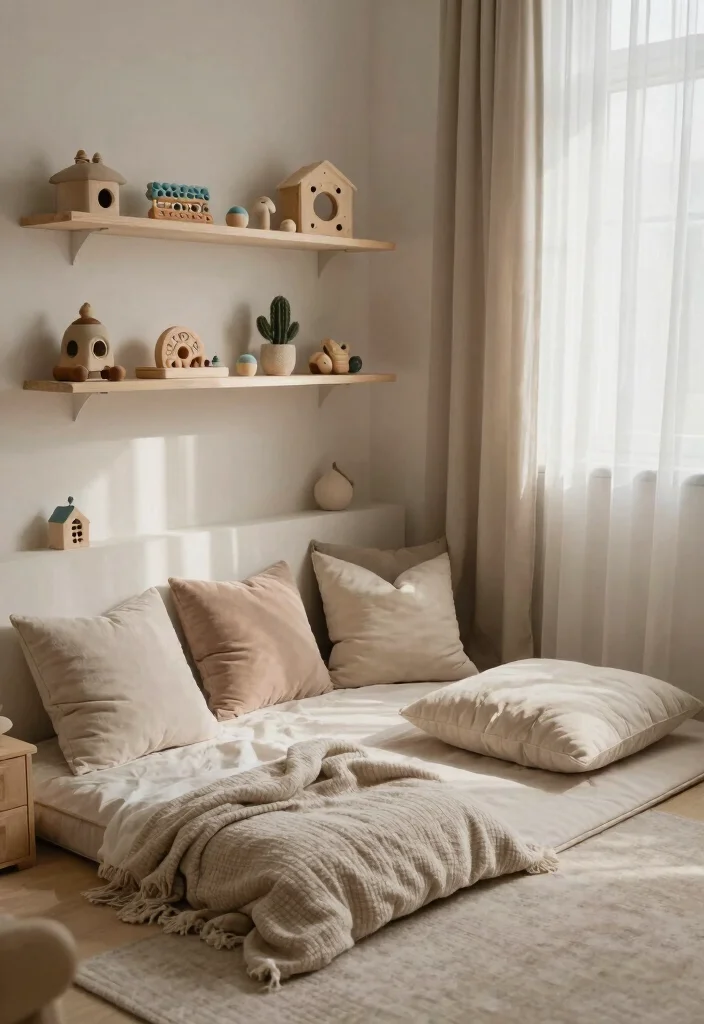
Creating calm sensory spaces within a playroom offers a peaceful retreat for children needing quiet time. These areas are especially beneficial for kids who may feel overwhelmed, providing them with a moment to regroup and relax. Envision soft textures, muted colors, and sensory toys that engage without overstimulation, inviting tranquility into the space.
To set up a calming area, consider using weighted blankets or soft cushions that promote relaxation. Incorporate a variety of sensory toys that encourage exploration without noise, and make the nook cozy with curtains or dividers for added seclusion.
Ways to establish a calming sensory space:
– Use weighted blankets for comfort.
– Include sensory toys that are quiet and engaging.
– Create a cozy nook with curtains for privacy.
This thoughtful design not only addresses sensory needs but also promotes mindfulness and self-regulation, essential skills for growing children.
15. Dynamic Play Zones
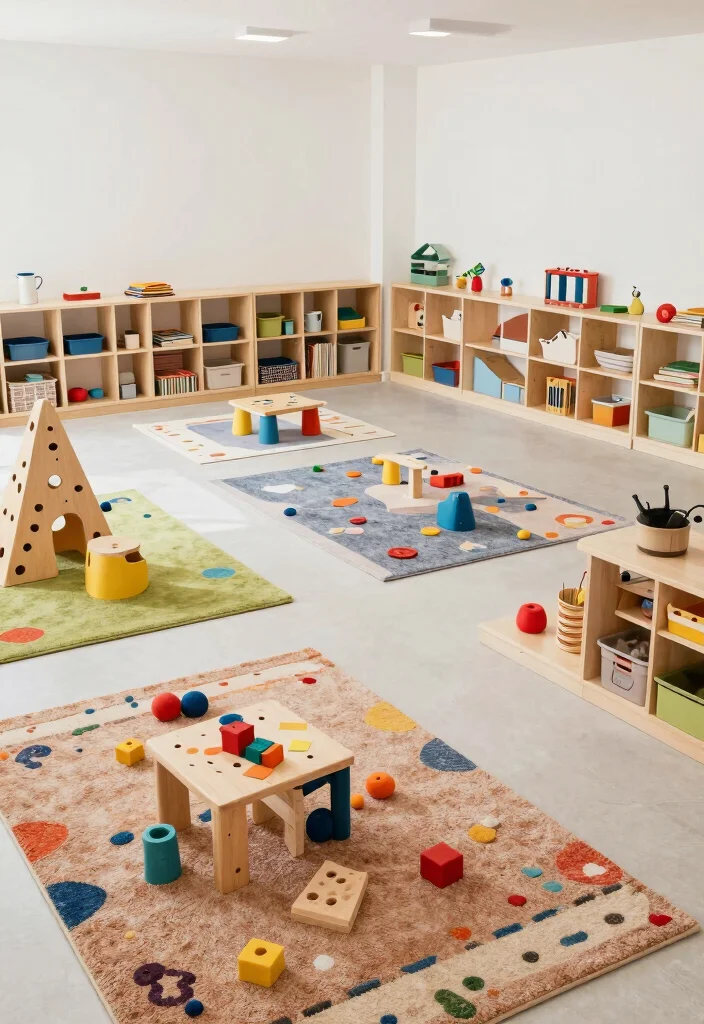
Incorporating dynamic play zones allows children to explore various activities within a single space. These zones cater to diverse interests and can easily be adapted or rotated to keep the environment fresh and stimulating. Picture designated areas for imaginative play, building, and crafts, all seamlessly integrated into the same room.
To create these dynamic zones, use rugs or distinct colors to visually separate each area, making transitions smooth and intuitive. Keeping supplies for each activity nearby encourages children to switch gears effortlessly, and designing flexible layouts allows for easy reconfiguration as interests evolve.
Tips for creating dynamic play zones:
– Use rugs or colors to define different areas.
– Keep supplies accessible for easy transitions.
– Design layouts that can adapt as interests change.
This approach fosters independence and creativity, enabling children to choose their adventures while ensuring the playroom remains versatile and engaging.
Did you know that well-placed rugs and color zones can boost playtime focus by up to 40%? With bloxburg playroom ideas, dynamic play zones keep imagination thriving, while neatly separating areas for imaginative play, building, and crafts.
Dynamic Play Zones
Editor’s Choice


Conclusion
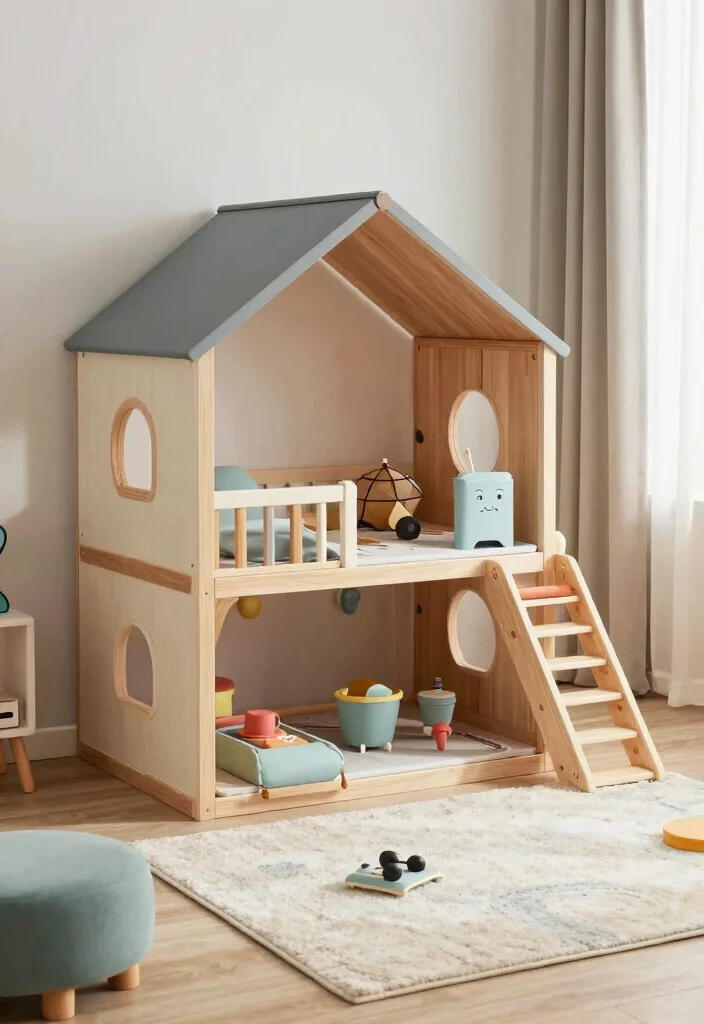
Transforming a Bloxburg playroom into a clean, modern haven for kids is all about blending functionality with aesthetics. By incorporating these 15 ideas, you can create a space that is not only beautiful but also encourages creativity and play. Each suggestion emphasizes the importance of organization and style, helping you maintain a serene environment where children can thrive. So, what are you waiting for? It’s time to start your playroom adventure and design a space that reflects your family’s unique personality!
Note: We aim to provide accurate product links, but some may occasionally expire or become unavailable. If this happens, please search directly on Amazon for the product or a suitable alternative.
This post contains Amazon affiliate links, meaning we may earn a small commission if you purchase through our links, at no extra cost to you.
Frequently Asked Questions
What are the essential elements of bloxburg playroom ideas with a clean, modern layout?
For a bloxburg playroom ideas with a clean, modern layout, start with a clean layout design that keeps traffic flow open and sightlines clear. Choose a minimalist playroom ideas palette—soft neutrals, warm wood, and a single calm accent color. Use multi-functional furniture like a bench with hidden storage or a low shelf that doubles as a seating area. Prioritize hidden storage to reduce clutter and preserve the airy feel. Pick modular furniture that can be reconfigured as play needs change. Finally, add modern playroom decor lighting and simple wall décor to maintain focus on play areas. This approach keeps your space practical, stylish, and easy to maintain, while still reflecting its bloxburg playroom ideas inspiration.
How do I maximize storage in a minimalist bloxburg playroom while keeping a clean layout?
Prioritize built-in and hidden storage to hide clutter without sacrificing space. Try under-bed drawers, wall-mounted shelves, and labeled bins that slide into a tidy cabinet. Choose multi-functional furniture like a toy chest that doubles as a reading nook or a bench with storage. Use vertical space for display shelves instead of freestanding bookcases to keep floors clear. Finally, rotate a small selection of toys to maintain minimalist playroom ideas while keeping bloxburg playroom design feeling fresh.
What color schemes work best for modern bloxburg playroom decor in a minimalist setup?
Stick to a neutral palette (warm creams, cool grays, and soft taupes) with one calm accent color for personality. Add texture with clean layout design using natural wood, tactile fabrics, and matte finishes. Avoid too many brights—this is minimalist playroom ideas in action—and let kids room inspiration come from the shapes and materials rather than color overload. Finish with ample natural light or a soft, layered lighting plan to keep the space feeling airy.
What safety tips help when creating a kid-friendly bloxburg playroom with a minimalist design?
Safety comes first in a minimalist bloxburg playroom. Choose furniture with rounded edges, low-profile pieces, and soft floor protection like a large area rug for falls. Tidy cords with cable management and opt for cordless lighting where possible. Use washable, durable finishes on surfaces for easy modern playroom decor maintenance. Finally, keep small parts out of reach and create clearly defined zones to reduce clutter and trips.
Where can I find ideas for minimalist bloxburg playroom ideas and how to adapt them to a small space?
Great places to start are kids room inspiration boards on Pinterest, design blogs, and the Roblox community sharing bloxburg playroom ideas. Look for minimalist playroom ideas that use built-in storage, modular furniture, and a restrained color palette. To adapt for a small space, measure accurately, plan zones (play, storage, reading), and choose clean layout design furniture that can stack or fold. Start with a few key pieces and expand gradually while preserving the minimalist feel.