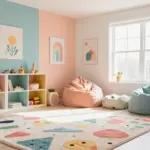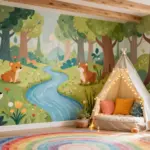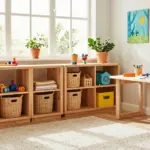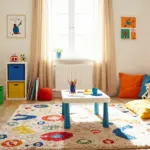
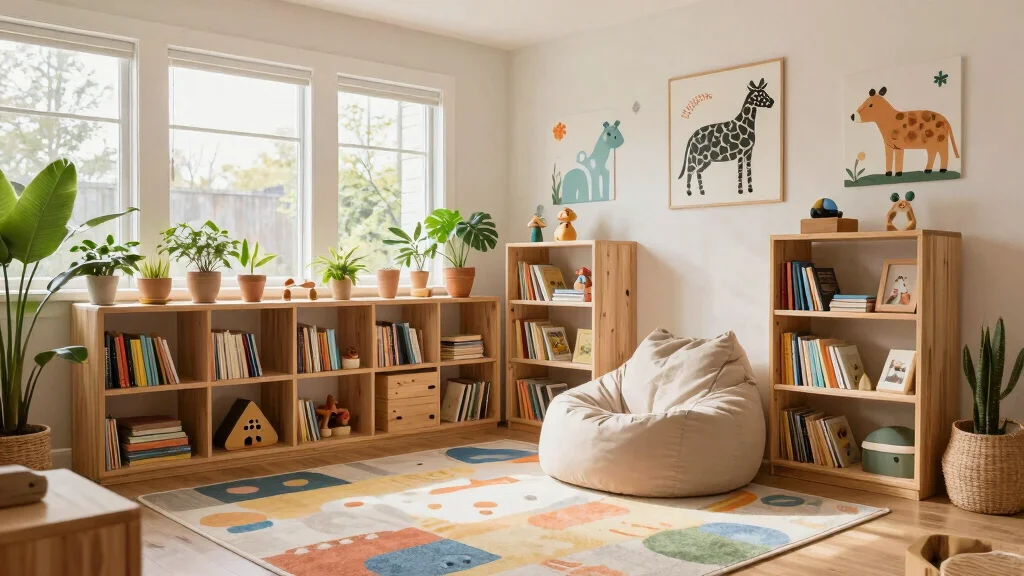
Creating a fun and functional playroom for your kids is a challenge many parents face. You want a space that ignites their imagination, encourages play, and is also easy to maintain. That’s why I put together this list of 14 cool playroom ideas that kids will actually use daily. Each idea focuses on eco-friendly design, ensuring that while your children enjoy their space, you are also making a positive impact on the environment.
If you’re a parent or caregiver looking to create a vibrant play area that sparks joy, excitement, and creativity in your children, this guide is for you. It’s all about blending style with practicality, making sure that every corner of the room is engaging and useful. You’ll find ideas that cater to various interests, from reading nooks to outdoor-indoor transitions, ensuring there’s something for every kid’s unique personality.
With these tips, you’ll gain insight into how to make the most out of your space. Whether you’re searching for creative storage solutions, playful wall art, or multifunctional play areas, you’ll discover how to transform your child’s playroom into a sanctuary of fun. Get ready to dive into ideas that are not just cool but also designed to be used every day!
Key Takeaways
– Explore nature-inspired play zones to create a soothing environment that encourages outdoor play and creativity.
– Implement creative storage solutions that help keep toys organized and accessible, making cleanup a breeze for kids.
– Choose eco-friendly toys that engage children and promote sustainability, ensuring a safe play environment.
– Design multifunctional play areas that can adapt to various activities, from arts and crafts to quiet reading time, maximizing usage.
– Incorporate playful wall art and colors that stimulate imagination and make the space visually appealing for your kids.
1. Nature-Inspired Play Zones
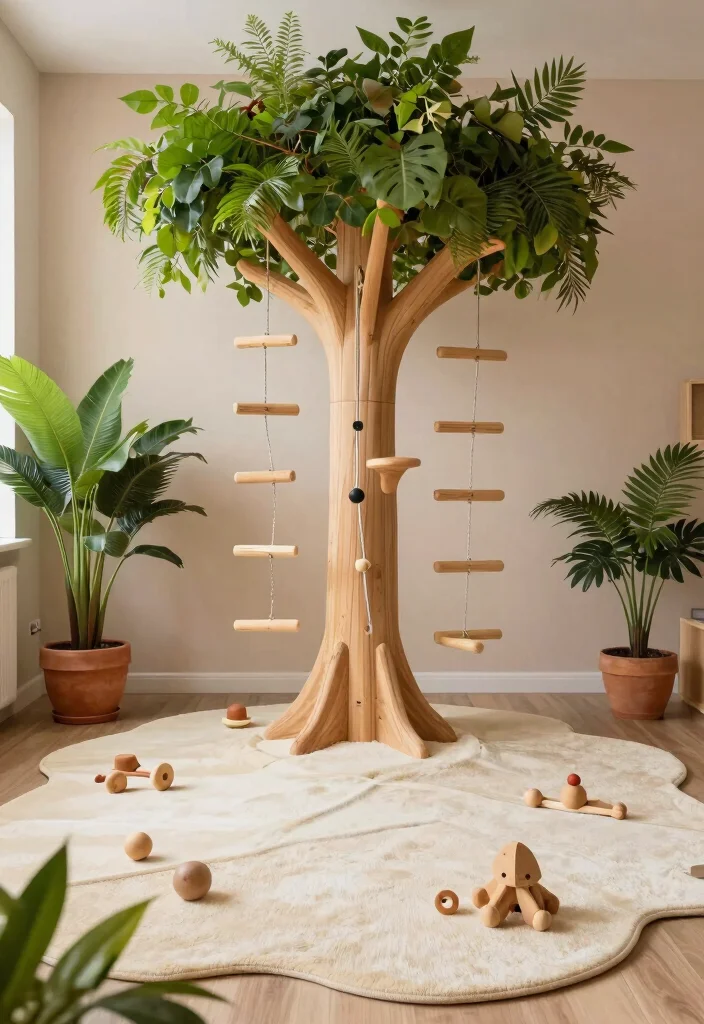
Bringing nature indoors can transform play zones into vibrant spaces that spark imagination. Natural elements like wood, cotton, and wool not only create a warm environment but also foster creativity and exploration. For instance, a climbing structure crafted from untreated wood can resemble a tree, inviting children to embark on mini-adventures every day.
To enhance comfort and safety, consider adding soft mats made from organic materials. You can also introduce a small indoor garden where kids can help care for potted plants, nurturing their sense of responsibility and connection to nature.
Here are ideas to create a nature-inspired play zone:
– Pair sustainable wooden toys with earthy decor.
– Encourage outdoor play by integrating natural elements indoors.
– Use calming earth tones to evoke a peaceful atmosphere.
This approach not only creates a lively play area but also teaches children valuable lessons about caring for the environment.
2. Creative Storage Solutions
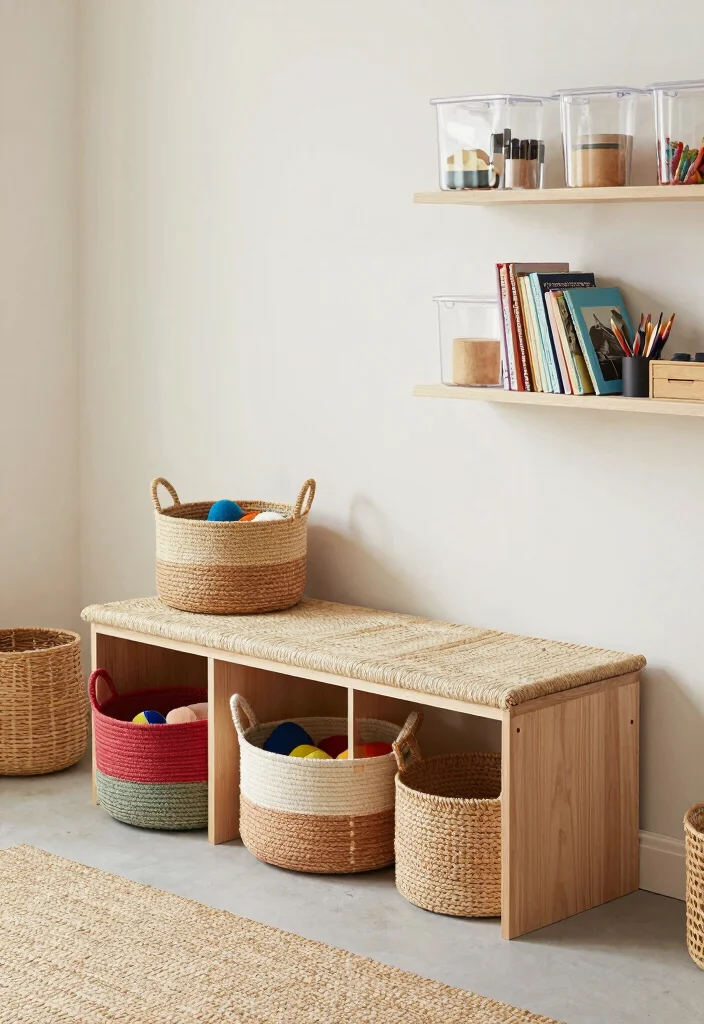
Maintaining a tidy playroom can be tough, but creative storage solutions make it easier and more enjoyable. Eco-friendly baskets woven from natural fibers can beautifully store toys and art supplies, ensuring everything has its place. Consider investing in multifunctional furniture like benches that offer built-in storage for books or tables that double as toy chests.
These functional pieces streamline the space while making it easy for kids to access their belongings. Regularly rotating toys keeps the atmosphere fresh and exciting, so they always have something new to discover.
Here are some smart storage tips:
– Label storage bins with pictures for younger kids.
– Use clear containers to make it easy to see contents.
– Rotate toys periodically to maintain interest.
With these clever storage ideas, your playroom will stay organized, allowing kids to find joy in their toys.
3. Eco-Friendly Toys Galore
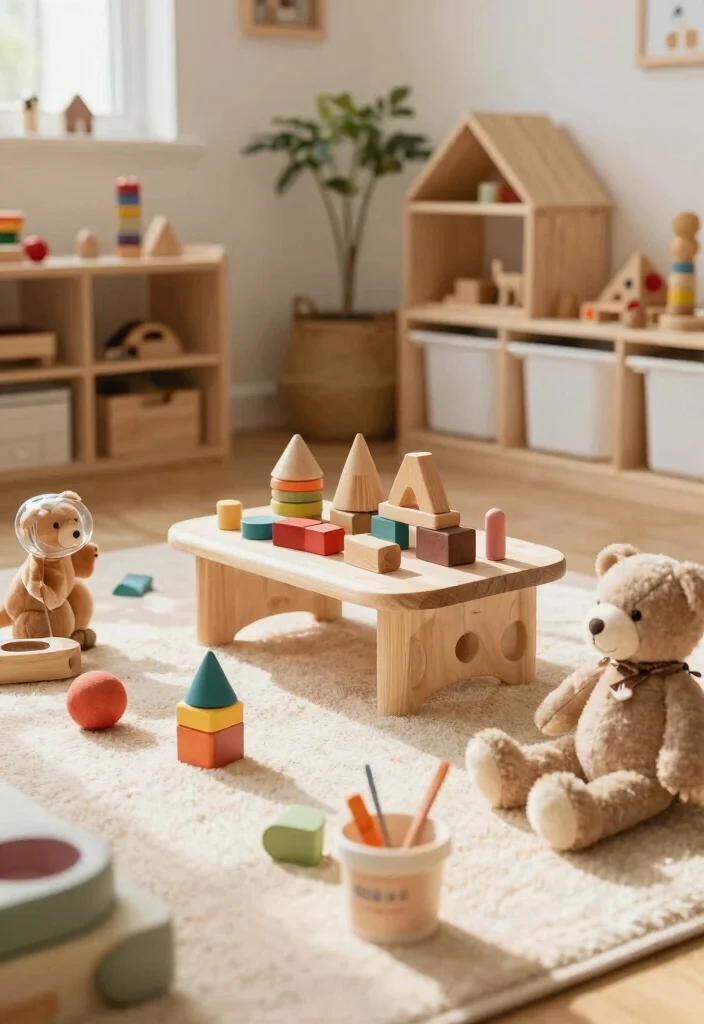
Selecting toys made from sustainable materials like bamboo, organic cotton, and recycled plastics not only benefits the planet but also enhances your child’s playtime. Authentic wooden toys are durable and reduce waste, making them a smart choice for eco-conscious families. Opt for brands that emphasize eco-friendly practices to ensure a positive impact.
Encourage imaginative play with versatile toys such as building blocks or open-ended art supplies that allow creativity to flourish. By choosing eco-friendly options, you enrich your child’s play experience while instilling values of sustainability.
Here’s how to select eco-friendly toys:
– Look for certifications like FSC or organic labels.
– Avoid plastic in favor of biodegradable alternatives.
– Support local artisans who create handmade toys.
Making thoughtful toy choices not only enhances playtime but also promotes a brighter, greener future.
How To Choose Eco-Friendly Playroom Decor
Creating an eco-friendly playroom is a wonderful way to foster creativity while being kind to the planet. With so many options available, it’s essential to select items that are safe, sustainable, and fun. Here’s how to make the best choices for your kid’s playroom.
1. Consider Materials
Choose materials that are non-toxic and sustainable. Look for furniture made from solid wood, bamboo, or recycled materials. Fabrics should be organic cotton or linen. Avoid synthetic materials that can emit harmful chemicals. Always check for certifications like GREENGUARD or OEKO-TEX to ensure safety.
2. Size Matters
When selecting furniture and decor, consider the size of your playroom and the age of your children. You want to create a space where kids can move freely while still having cozy corners. Measure your space carefully and choose items that fit well without overcrowding. For example, a small table and chairs set can be ideal for a compact area.
3. Practicality and Functionality
Look for multifunctional pieces that can serve more than one purpose. For instance, a storage ottoman can provide seating and store toys at the same time. This not only reduces clutter but also adds value to your investment. Think about how each item can be used daily in your playroom.
4. Creative Storage Solutions
A well-organized playroom is essential for encouraging daily use. Choose storage solutions that are easy for your kids to access. Baskets, bins, and shelves should be lightweight and child-friendly. Consider using wall-mounted storage to save floor space while making items visible and reachable. Labeling can also help kids learn organization skills.
5. Color and Aesthetics
Colors can greatly influence the playroom atmosphere. Opt for nature-inspired colors like soft greens, blues, and earth tones. These shades create a calm environment conducive to both play and relaxation. Use playful wall art made from eco-friendly materials to inspire creativity and cheerfulness in the space.
6. Investment and Budget
Set a budget that reflects your priorities. While investing in eco-friendly furniture may seem more expensive upfront, it often lasts longer, saving you money in the long run. Compare prices and consider second-hand options or DIY projects that can keep costs down while being sustainable.
Pro Tip: Keep an eye on local sustainable brands or stores that focus on eco-friendly children’s products. Supporting local artisans not only helps the environment but also builds community connections! 🌍💚
4. Multifunctional Play Areas
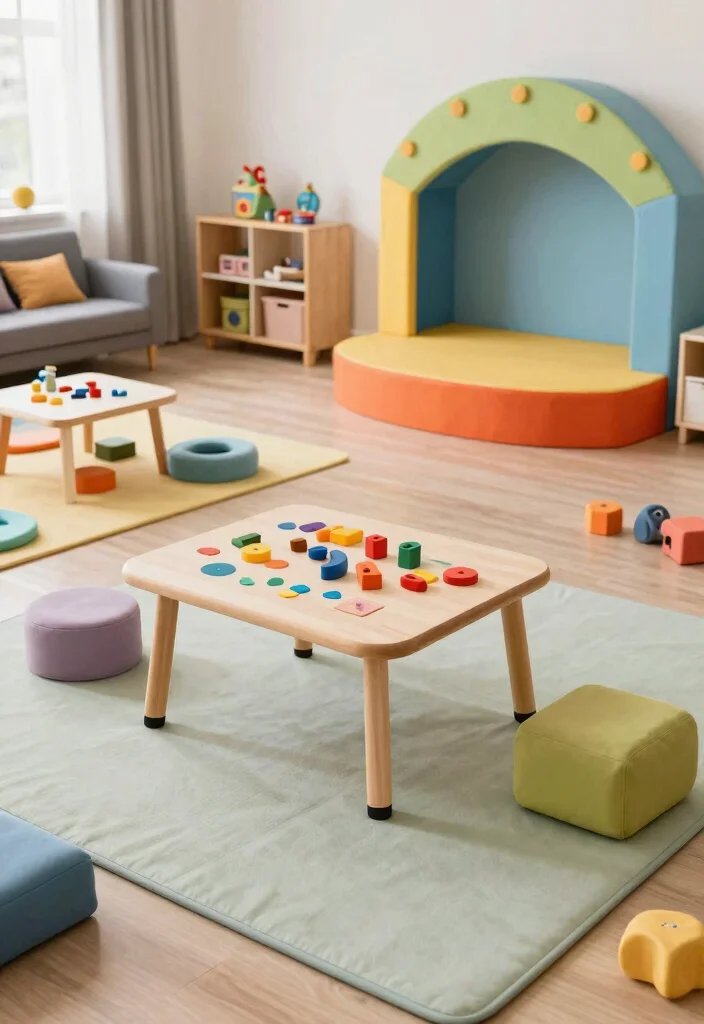
Designing a playroom that serves multiple functions opens up a world of possibilities. Create distinct areas that can adapt between play, learning, and relaxation, which keeps kids engaged and entertained. Consider furniture that can shift roles, like a desk that transforms into a craft table or a large mat that doubles as a play area and a foldable bed for naps.
Adding a small stage for performances can ignite creativity and boost confidence in children. This dynamic setup encourages exploration and fun.
Here are ways to create multifunctional spaces:
– Choose lightweight furniture for easy rearrangement.
– Use dividers to create distinct zones within the room.
– Ensure every piece serves a dual purpose for maximum efficiency.
This flexible design will keep kids engaged and make the playroom a lively environment.
Did you know that a well-planned multifunctional play area can slash clutter by 40% and boost daily engagement? With adaptable furniture and distinct zones, these cool playroom ideas help kids invent new games and learn through play—without the chaos.
Multifunctional Play Areas
Editor’s Choice




5. Playful Wall Art
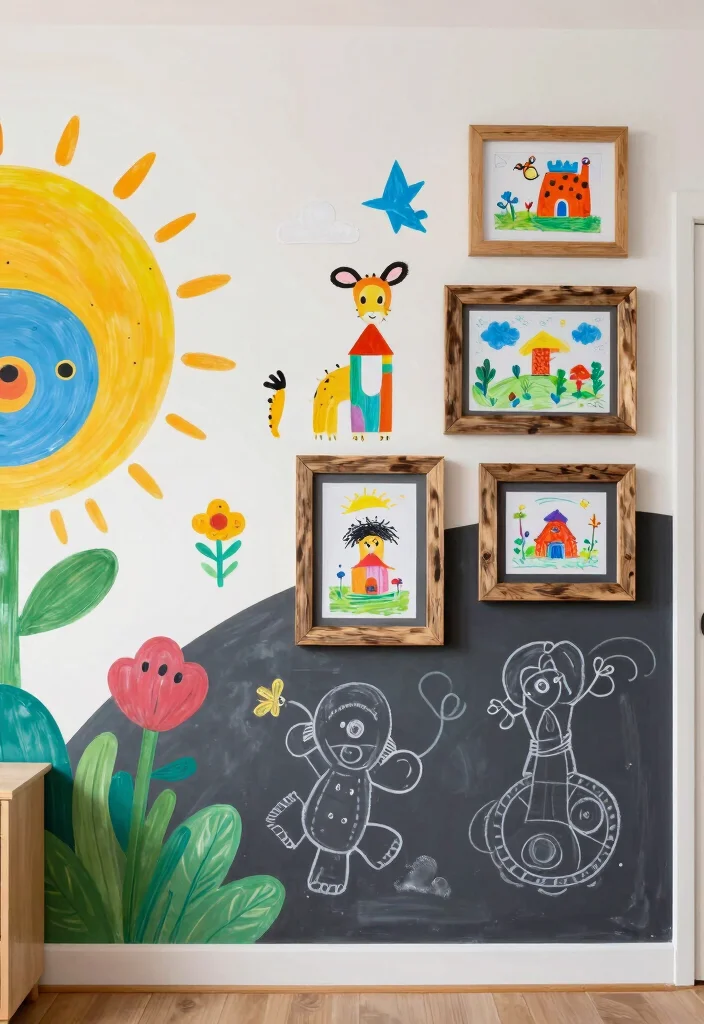
Walls can transform into vibrant canvases that inspire creativity and joy. Consider adding playful wall art made from biodegradable materials or posters printed with non-toxic inks that reflect your child’s imagination. You could even collaborate with your kids to create a mural, allowing them to express their ideas freely.
Removable wall decals add a whimsical touch and can easily be swapped out as your child grows. A chalkboard wall offers limitless drawing opportunities and encourages artistic exploration.
Here are some art tips:
– Use reclaimed wood frames for a rustic charm.
– Include rotating displays for kids to showcase their creations.
– Opt for themes that spark curiosity, like nature or space.
Playful wall art not only enhances the atmosphere but also personalizes the space, making it uniquely theirs.
Playful Wall Art
Editor’s Choice


6. Nature-Inspired Colors
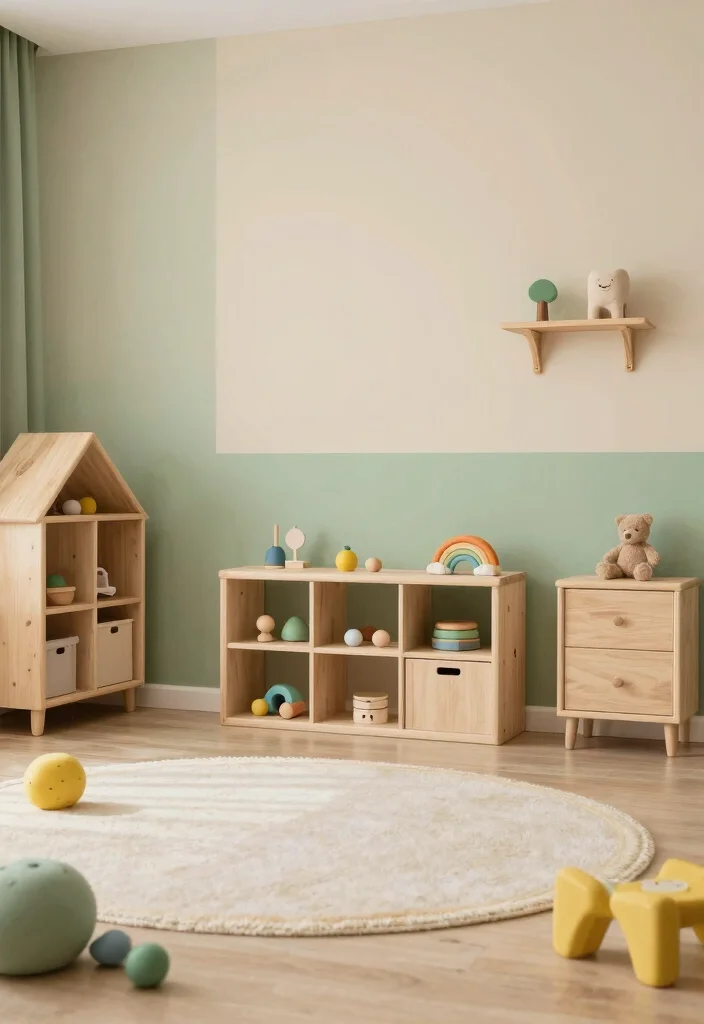
Choosing a color palette that reflects nature can cultivate a calming play environment. Soft greens, blues, and earthy tones not only encourage creativity but also create a tranquil setting. Apply these colors to walls, furniture, and decor to harmonize the space.
Bright accents can come from toys and artwork, injecting energy while keeping the overall feel grounded. Opt for non-toxic paints and finishes to ensure a safe and healthy environment.
Here are some color tips:
– Use paint samples to find the perfect shades.
– Coordinate colors with natural materials throughout the room.
– Consider stencils for playful designs on the walls.
With thoughtful color choices, the playroom will become a safe haven where kids can thrive and explore.
7. Cozy Reading Nooks
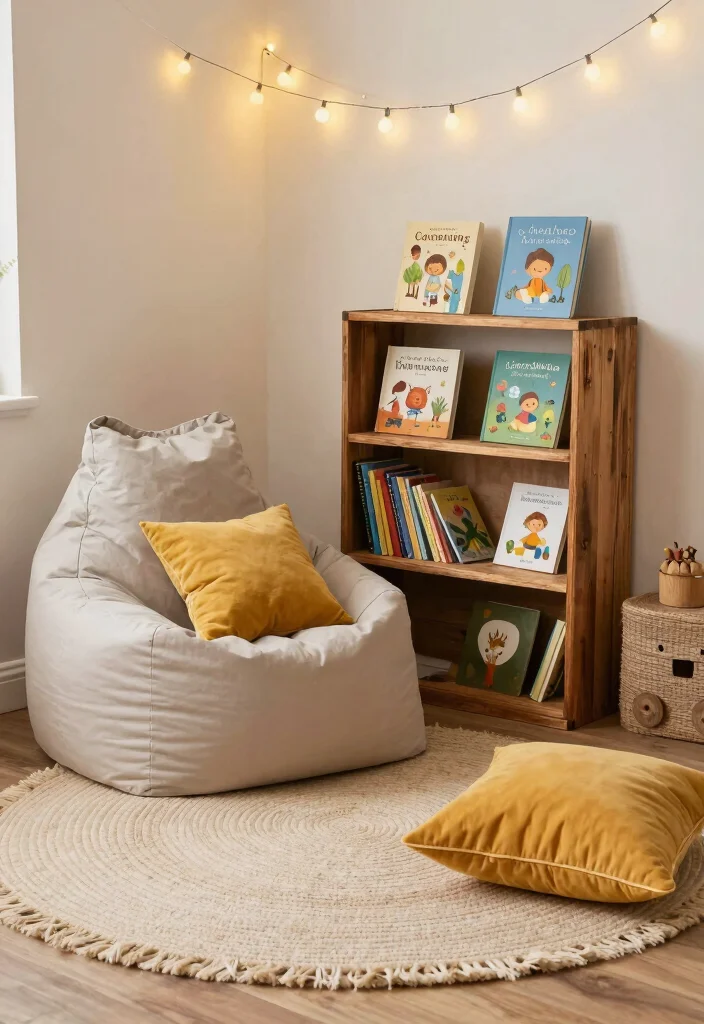
Creating a cozy reading nook can nurture a love for books and stories. Build a welcoming area using eco-friendly materials filled with soft cushions, a bean bag chair, or even a hammock. A small bookshelf made from reclaimed wood can offer easy access to a variety of books.
Surround the nook with warm lighting, such as fairy lights or soft lamps, to create an inviting atmosphere perfect for reading. Regularly rotating books keeps the selection fresh and engaging for young readers.
Here are some nook tips:
– Use colorful, durable fabrics to withstand wear.
– Incorporate fun throw pillows with varied textures.
– Hang a bulletin board for kids to share their favorite reads.
A cozy reading nook not only encourages a passion for stories but also provides a serene escape for your little ones.
8. Artistic Craft Stations
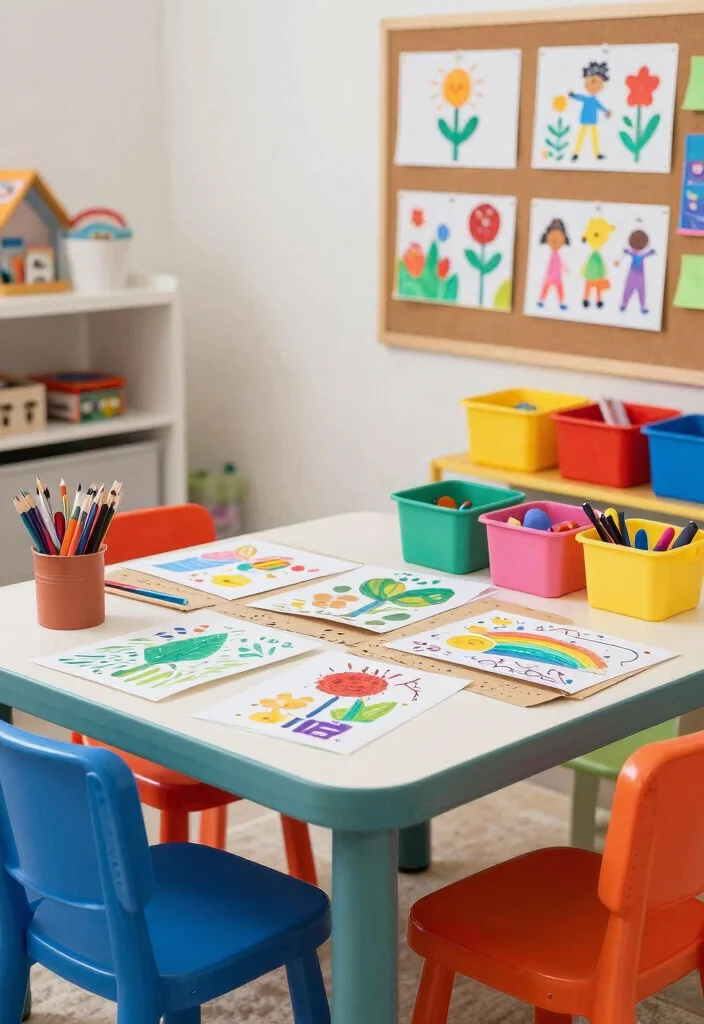
Encouraging creativity is essential in a playroom, and an art station can be the perfect spot for this. Designate an area equipped with eco-friendly supplies like recycled paper, natural paints, and biodegradable glitter. A sturdy table that can handle mess is essential, along with easy-to-clean surfaces for hassle-free fun.
Include organized storage for supplies, and consider adding bulletin boards to showcase current projects. Allow kids to explore various mediums like clay, painting, or crafting.
Here are some craft station tips:
– Set clear boundaries for messy activities to maintain order.
– Rotate materials regularly to keep the station exciting and new.
– Organize supplies in labeled containers for easy access.
An art station not only fosters creativity but also allows children to express themselves freely and confidently.
Artistic Craft Stations
Editor’s Choice




9. Activity Walls
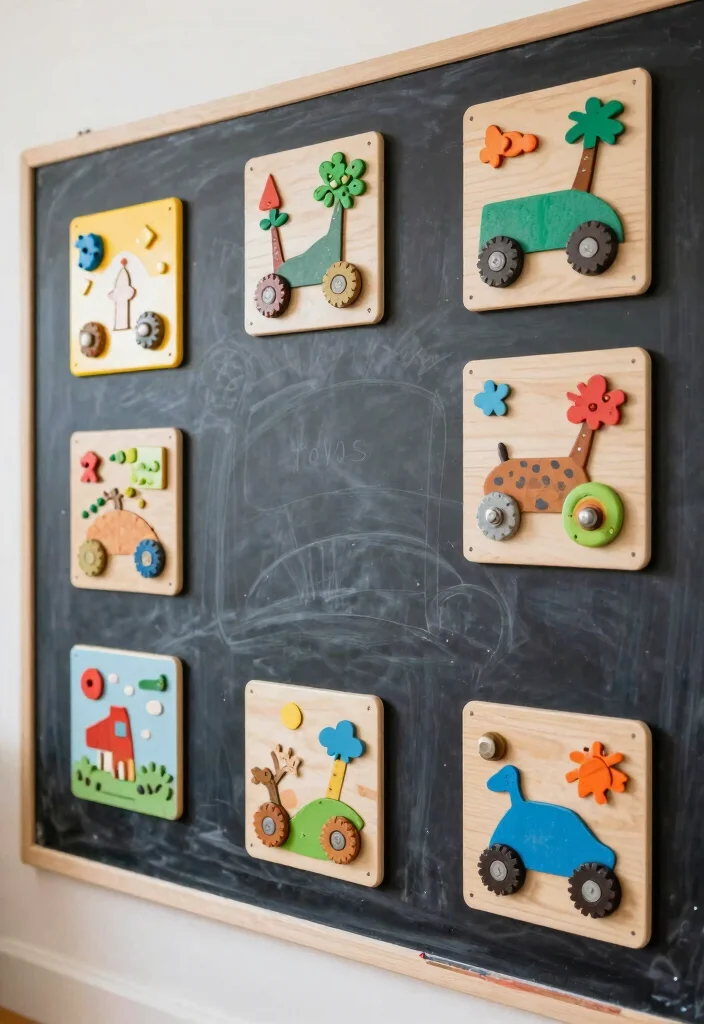
Activity walls provide an engaging way for kids to participate in hands-on play. Create a wall featuring various interactive elements like chalkboards, magnetic boards, or puzzles that present unique challenges. This setup keeps kids entertained while encouraging skill development and creativity.
Use safe, sustainable materials to ensure durability and fun, while choosing colors that stimulate creativity without overwhelming young minds.
Here are some activity wall tips:
– Organize sections by skill level to cater to different ages.
– Incorporate sensory elements like textures and colors to enhance engagement.
– Regularly update activities to maintain interest and excitement.
Activity walls not only provide a creative outlet but also support cognitive development in a fun and interactive way.
10. Sensory Play Areas
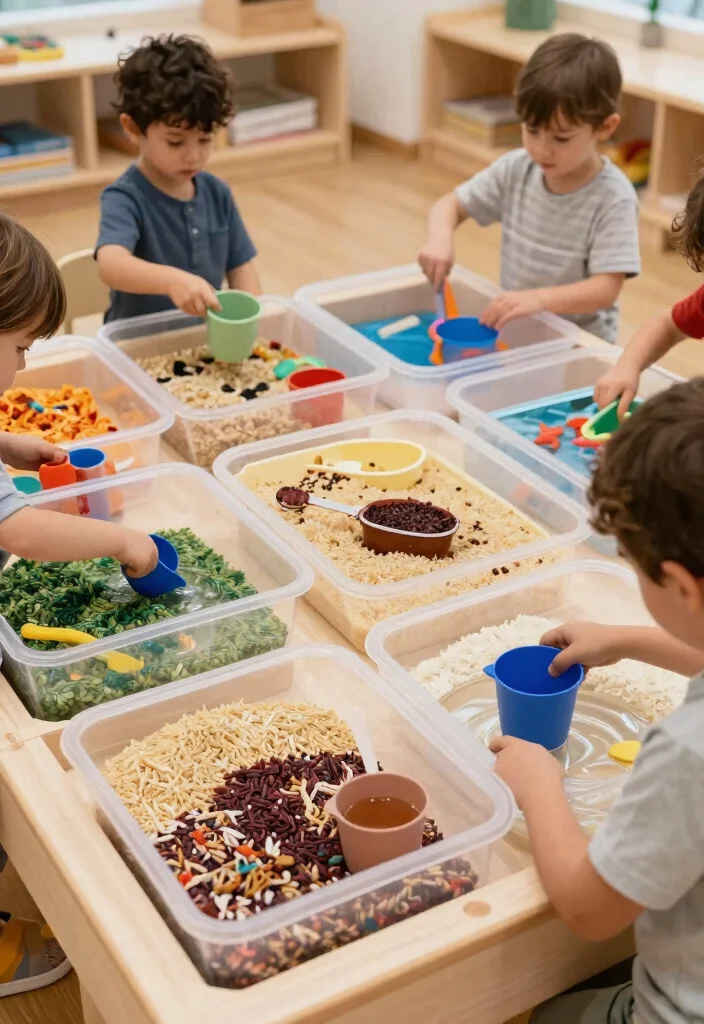
Incorporating sensory play areas filled with diverse textures and materials can ignite curiosity and exploration in children. You can design sections for sand, water, or even a sensory bin filled with rice or beans, using eco-friendly and safe materials to create a worry-free environment.
Sensory play is essential for developing fine motor skills and cognitive abilities, making it a valuable addition to any playroom.
Here are some sensory area tips:
– Use clear bins for easy visibility and organization of materials.
– Incorporate tools like scoops and measuring cups to enhance play experiences.
– Rotate materials regularly to keep the sensory experience fresh and exciting.
By creating sensory play areas, you invite creativity and exploration in a safe and stimulating way.
Did you know that just 15 minutes of sensory play daily boosts fine motor skills and curiosity? Create eco-friendly stations with sand, water, and safe natural textures to turn every day into a hands-on learning moment.
11. Indoor Gardening Corner
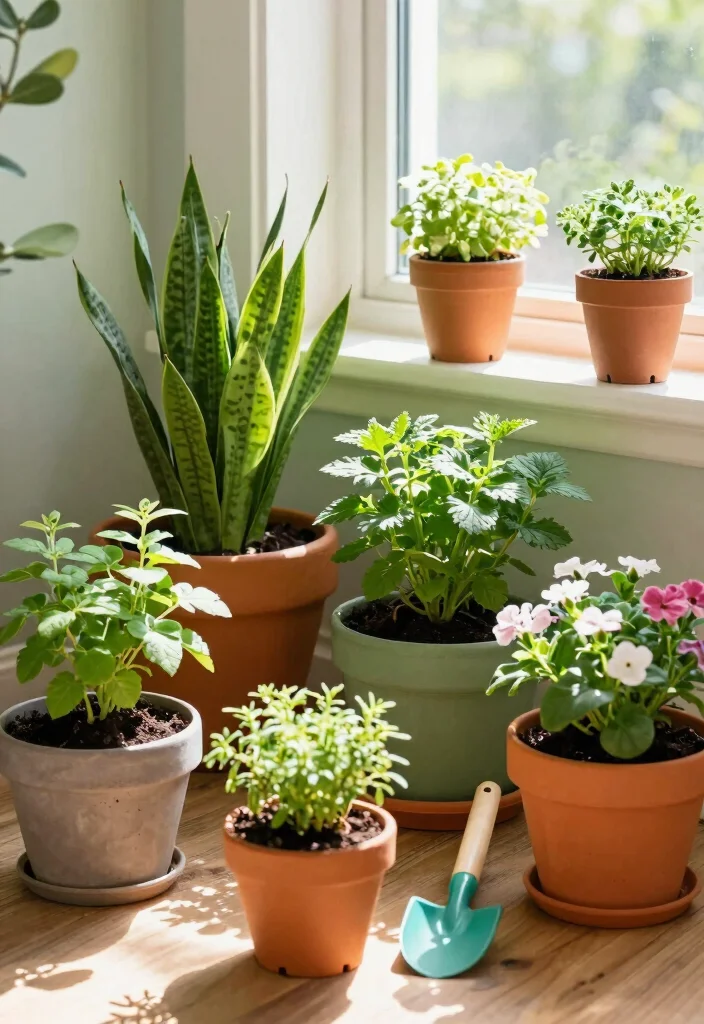
An indoor gardening corner offers children a wonderful opportunity to connect with nature and learn about responsibility. Set up small pots for herbs, flowers, or vegetables, teaching them the basics of gardening and nurturing living things. Using biodegradable pots and organic soil sets a sustainable example for kids.
Include fun, child-sized gardening tools to enhance the experience, allowing them to decorate their pots and add a personal touch to their plants.
Here are some gardening tips:
– Choose low-maintenance plants to ensure success and enjoyment.
– Plan activities around caring for the plants, like watering and repotting.
– Create a growth chart to track progress and learning.
An indoor gardening corner fosters interest in nature and responsibility, enriching the overall playroom experience.
12. Outdoor-Indoor Transition
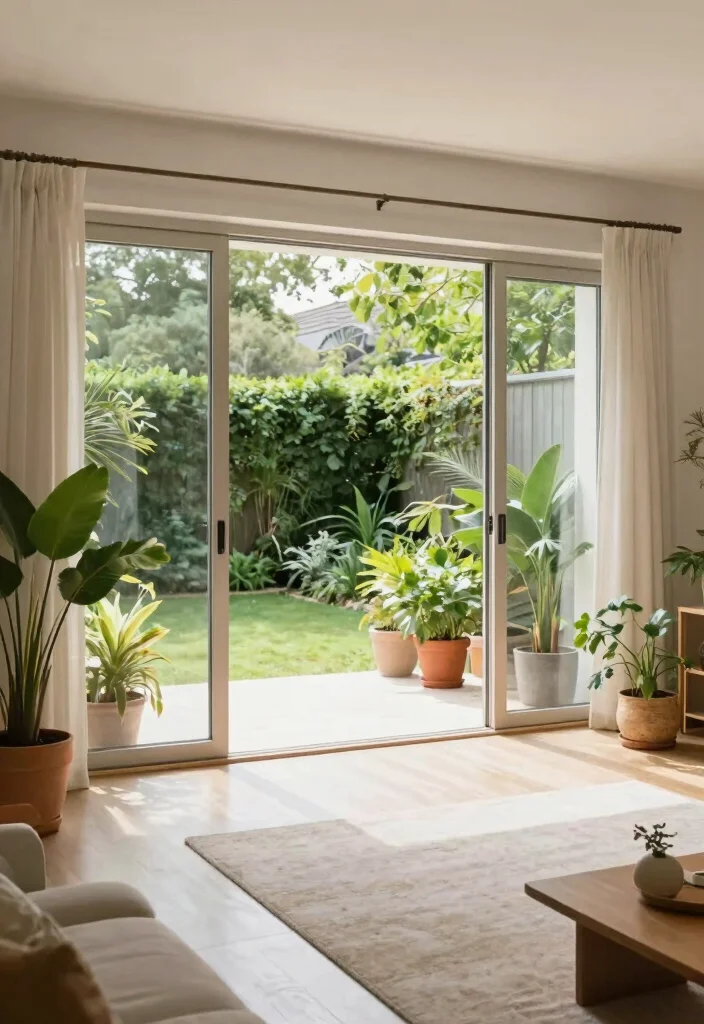
Creating a seamless transition between indoor and outdoor play can enhance the play experience significantly. Incorporate elements from nature, such as large windows or an open layout, to invite the outside in. Install sliding doors for easy access to outdoor play areas, encouraging kids to engage with their surroundings.
Use light and breathable fabrics for curtains, allowing sunlight to filter in while keeping outdoor elements at bay. This design promotes exploration and fosters a sense of connection with nature.
Here are some transition tips:
– Decorate with natural elements like plants and stones for a cohesive look.
– Ensure a clear line of sight to outdoor areas for safety and supervision.
– Provide outdoor games that can also be enjoyed indoors for versatility.
By creating a smooth flow between indoor and outdoor spaces, you enrich play experiences and provide more opportunities for learning and exploration.
Outdoor-Indoor Transition
Editor’s Choice


13. Musical Corners
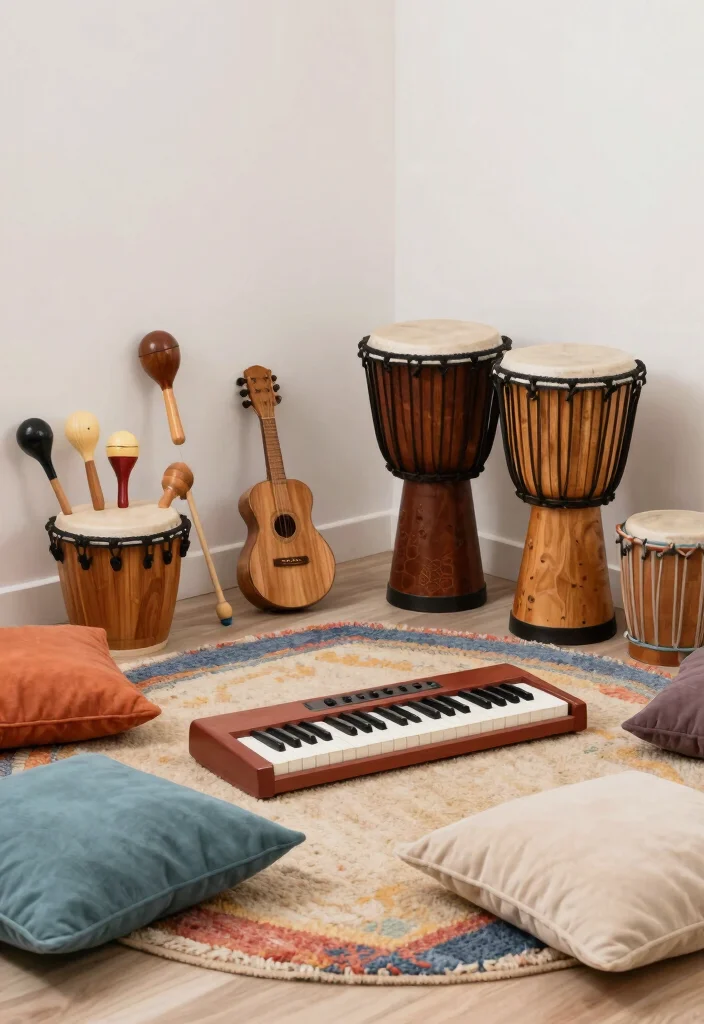
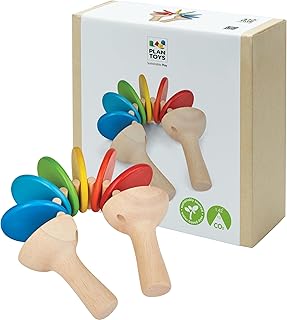
Creating a musical corner can introduce children to the joy of music and enhance their creativity. Set up a space filled with instruments made from sustainable materials, such as wooden percussion instruments and small keyboards. Encourage kids to explore sounds and rhythms, which provides opportunities for self-expression and enjoyment.
Including sound insulation walls can help manage noise levels, creating a pleasant environment for music exploration.
Here are some music corner tips:
– Use age-appropriate instruments to ensure safety and engagement.
– Introduce music-themed activities like sing-alongs or storytelling through music.
– Rotate instruments regularly to keep the experience fresh and stimulating.
By incorporating music into the playroom, you enrich your child’s experiences while nurturing their creative spirit.
Fun fact: a dedicated musical corner with wooden instruments boosts daily creativity by 30% – a must for cool playroom ideas. Pair it with insulated walls to keep noise friendly for everyone, making eco-friendly, practical music exploration possible.
Musical Corners
Editor’s Choice


14. Seasonal Decor
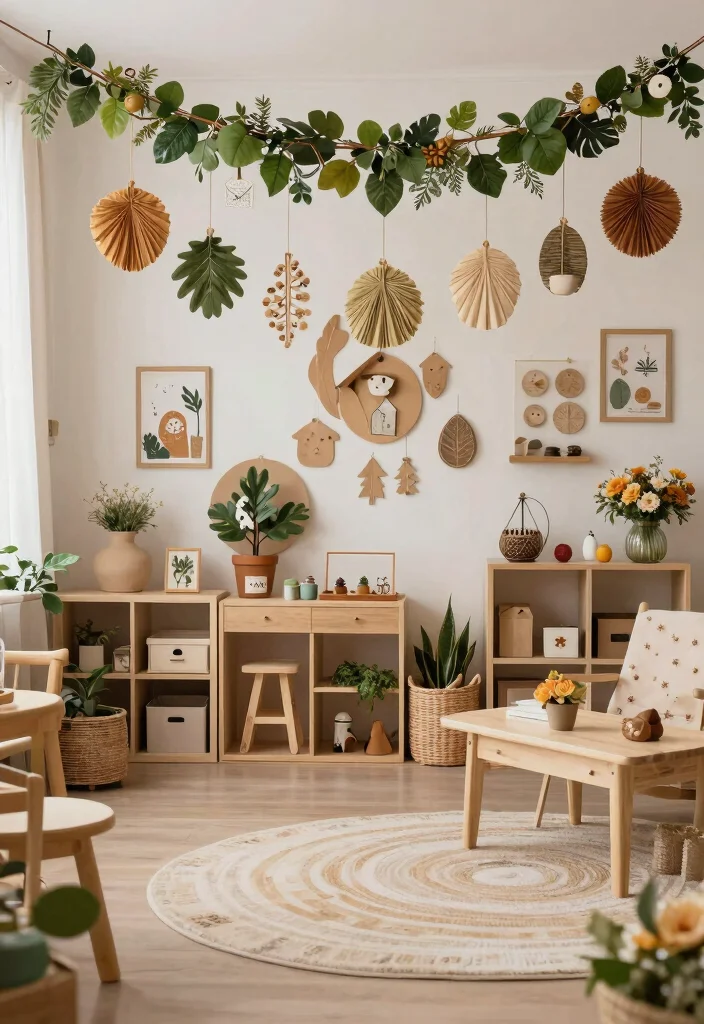
Refreshing the playroom decor with the seasons can keep the space exciting and dynamic. Use eco-friendly decorations that are either reusable or easily biodegradable to celebrate holidays or seasonal changes creatively. Incorporate elements like handmade crafts or natural decorations, such as leaves and flowers, to enhance the atmosphere.
Involving kids in the decorating process fosters discussions about seasonal changes and nature, making it a fun learning experience.
Here are some decoration tips:
– Use seasonal colors to refresh the theme and mood of the room.
– Create DIY decor projects for family bonding and creativity.
– Rotate decorations regularly to maintain excitement and engagement.
Seasonal decor not only brightens the room but also helps children develop an awareness of the world around them.
Conclusion
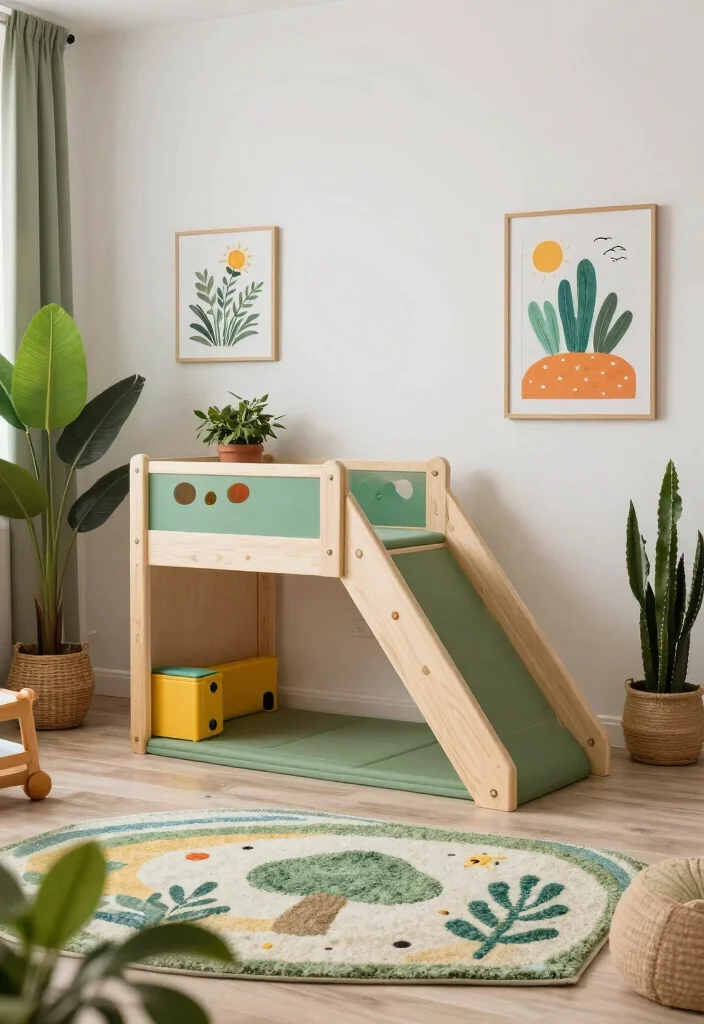
Transforming a playroom into a vibrant, eco-friendly space can benefit your child’s play and learning experiences. From nature-inspired designs to multifunctional areas, every element contributes to a holistic environment where creativity and responsibility thrive.
By integrating these cool playroom ideas, you’re not just decorating a room; you’re creating a nurturing atmosphere that supports your child’s growth. Let the playroom reflect your family’s values and inspire joy and imagination.
Note: We aim to provide accurate product links, but some may occasionally expire or become unavailable. If this happens, please search directly on Amazon for the product or a suitable alternative.
This post contains Amazon affiliate links, meaning we may earn a small commission if you purchase through our links, at no extra cost to you.
Frequently Asked Questions
What are the best eco-friendly materials for a playroom that kids will actually use daily?
Choose low-VOC paints, sustainably sourced wood, and natural textiles for a kid-friendly space. A durable, washable rug and a cork or bamboo floor make daily cleanup easier. Pick kids furniture that’s modular and built to last so it grows with your child. Use non-toxic finishes and rounded edges for safety. These eco-friendly options pair with cool playroom ideas that kids will actually use daily.
How can I design a playroom with multifunctional play areas and creative storage solutions?
Start by zoning the room: a hands-on play corner, a reading nook, and a creative studio.
Choose multifunctional play areas like a table that folds into an art station or a bench with hidden storage.
For creative storage solutions, use modular shelves, labeled bins, and stackable totes that are easy for kids to handle.
Choose materials that are durable and eco-friendly. Finish with accessible heights so kids can reach and put away toys themselves.
Which pieces of kids furniture work best for an eco-friendly playroom design without creating clutter?
Look for furniture that’s sturdy, space-saving, and sustainable.
Think modular desks, stackable chairs, a low-profile storage bench, and shelves made from reclaimed or responsibly harvested wood. A storage bench doubles as a seat and a bin, keeping toys tidy.
Choose finishes that are non-toxic and easy to clean so daily use stays practical. The goal is eco-friendly playroom design that still looks organized and inviting.
How can playful wall art enhance the playroom design while staying sustainable?
Choose playful wall art that can be swapped as kids grow. Use removable peel-and-stick decals, fabric banners, or frames made from reclaimed wood. Create DIY art from cardboard, fabric scraps, or saved drawings to keep the look personal while staying eco-friendly. Pick prints on recycled paper with water-based inks and pair with a simple color palette so the room feels cohesive. The result is a vibrant playroom design that’s sustainable and fun.
What practical steps can I take to keep a green playroom organized and inviting for daily use?
Start with a plan: measure the space, choose a color-coded storage system, and limit toy rotation to reduce clutter.
Use creative storage solutions like labeled bins, wall-mounted organizers, and under-shelf baskets.
Make sure every toy has a designated spot and involve kids in the cleanup routine to build habit.
Choose durable, washable surfaces and kids furniture that supports daily use. A tidy room encourages daily play, creativity, and easy cleanups.