Creating a playroom for your kids can be a challenge, especially when you’re working with limited space. As a parent, you want a space that sparks creativity and provides endless fun, while also being functional and organized. That’s why I put together this post on 12 kids playroom ideas small space that still feel big. With these tips, you can turn even the smallest corners of your home into a vibrant playground where memories are made.
If you’re a parent or caregiver looking to design a playroom that feels welcoming and spacious, you’re in the right place. This guide is for anyone who understands the struggle of maximizing a small area while keeping it playful and engaging. You care about creating an environment that encourages your children to explore, learn, and have fun, without feeling cluttered or cramped.
What you’ll find here are creative ideas that are practical, stylish, and perfect for small spaces. From multifunctional furniture to innovative storage solutions, each suggestion will help you make the most out of your playroom. So let’s dive in and discover how to create a playful haven for your little ones that feels open and inviting, no matter the square footage!
Key Takeaways
– Vertical Bookshelves: Use tall bookshelves to store toys and books, making them easily accessible and freeing up floor space.
– Creative Wall Storage Solutions: Wall-mounted storage can help keep things tidy while adding fun decor to the room.
– Multifunctional Furniture: Look for furniture that can serve multiple purposes, like a bench that doubles as storage or a table that can transform into a craft station.
– Vibrant Color Schemes: Bright colors can make small spaces feel larger and more inviting. Use them on walls, rugs, or decor to enhance the playful atmosphere.
– Interactive Decor: Incorporate wall murals or chalkboards to create engaging and interactive elements that encourage creativity and play.
1. Vertical Bookshelves for Easy Access
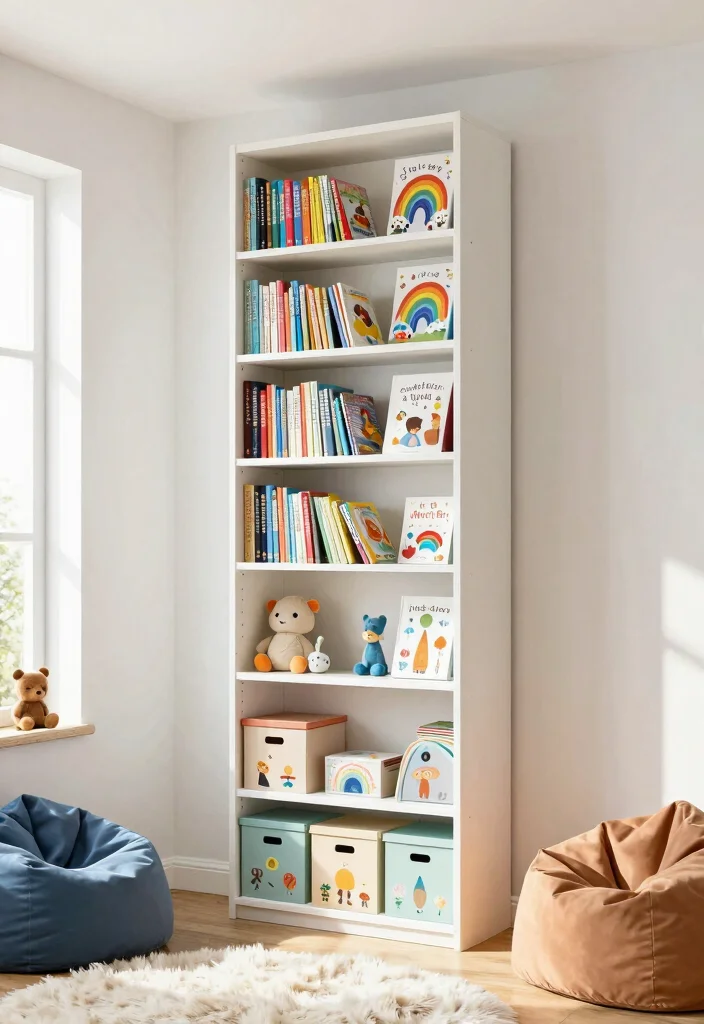
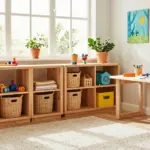
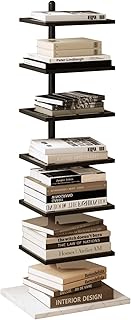
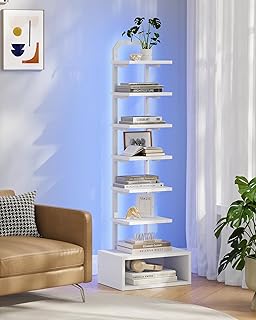
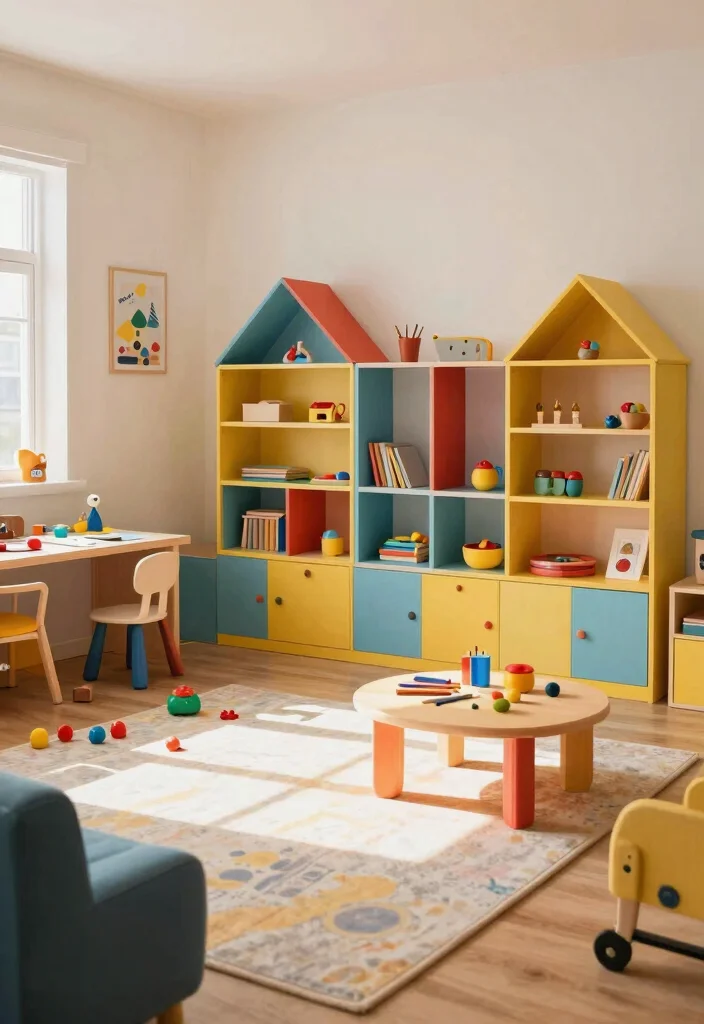
Embracing vertical bookshelves in a small playroom not only enhances storage but also creates an inviting atmosphere. This design principle makes use of vertical space to give the illusion of height, allowing the room to feel more expansive. Choose open shelves that display your child’s favorite books with vibrant covers facing outward, encouraging them to engage with the materials and explore their imagination.
To make the most of this setup, consider these practical tips to implement vertical storage effectively. Opt for budget-friendly options like DIY shelves or thrifted finds that can reach the ceiling for maximum storage. Organizing books by color or theme can also add visual charm, making reading a delightful experience for your little ones.
Maximize the potential of your vertical bookshelves with these elements:
– Pair ceiling-high shelves with a cozy reading corner.
– Install colorful bins or baskets for toy storage.
– Use decorative bookends to add flair while securing books.
This thoughtful arrangement transforms cluttered corners into vibrant learning hubs, fostering both creativity and a love for reading.
Did you know vertical bookshelves can free up up to 40% more floor space in a small playroom? They’re a smart move for kids playroom ideas small space; keeping favorite titles at eye level for easy access and inspiring independent reading.
Vertical Bookshelves for Easy Access
Editor’s Choice




2. Creative Wall Storage Solutions
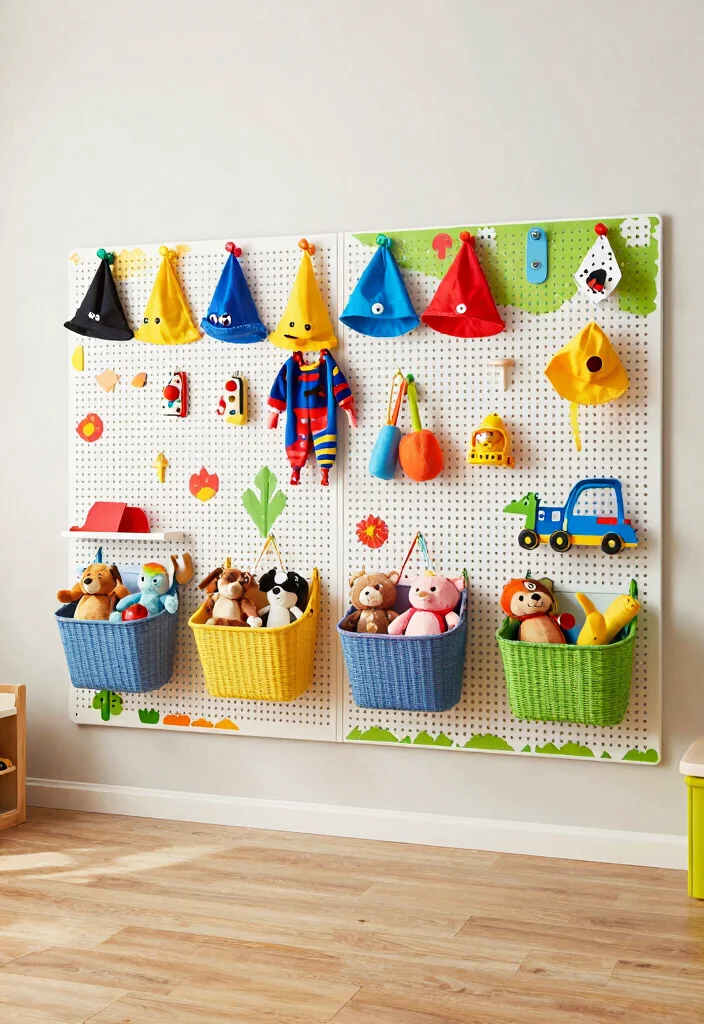
Transforming your playroom with wall-mounted storage solutions is an innovative way to maximize space. These creative installations keep toys and supplies off the floor while introducing a playful aesthetic. Think about incorporating pegboards or wall pockets that can store art supplies, plush toys, or even indoor plants, adding a touch of life to the decor.
Implementing these solutions is simple and can be done on a budget. Use colorful baskets to hang on walls for easy access to toys and supplies, or consider DIY options for pegboards that allow for customized organization. This method not only tidies up the space but also encourages children to participate in maintaining order.
Consider these ideas for your wall storage:
– Use vibrant baskets to collect stuffed animals.
– Hang pegboards for quick access to craft items.
– Install hooks for dress-up clothes or backpacks.
This encourages children to take responsibility for their belongings while adding a fun, interactive decor element to the playroom.
Dimensions & Size Guide
When designing a kids’ playroom in a small space, understanding measurements is key. You want to ensure everything fits nicely while still allowing room for play. The right sizes can make your playroom feel both functional and spacious.
Standard Sizes & Measurements:
– Playroom Dimensions: A typical playroom should be at least 8×10 feet. This allows for different zones like play, reading, and crafting.
– Furniture Sizes: A small table for crafts should be around 24-30 inches in height and 36-48 inches in length, suitable for two to four kids.
– Toy Storage: Use bins or shelves around 12-15 inches deep and 30-36 inches high for easy access. This height lets kids reach their toys without help.
– Rugs: Look for rugs that are at least 5×7 feet. This defines play areas and adds comfort underfoot.
– Wall Storage: Wall-mounted shelves should be placed 24-30 inches above the floor for safety and accessibility.
Quick Reference Table:
Size/Dimension – Best for: [use case], Minimum space needed: [measurement]
– 8×10 feet – Best for: A small playroom, Minimum space needed: 8×10 feet
– 24-30 inches high table – Best for: Kids’ crafts, Minimum space needed: 3 feet clear around
– 12-15 inches deep shelves – Best for: Storing toys, Minimum space needed: 2 feet wall space
– 5×7 feet rug – Best for: Defining play zones, Minimum space needed: 5×7 feet
– 24-30 inches high wall shelves – Best for: Easy access toys, Minimum space needed: 2 feet wall space
Space Planning Tips:
1. Measure Twice, Cut Once: Before buying furniture, always measure your space and the items you want to fit. Don’t forget to account for doorways and pathways. A common mistake is assuming everything will fit without checking first!
2. Leave Room for Play: Ensure at least 24 inches of open space for kids to move around freely. This will prevent the room from feeling cramped despite the furniture.
3. Vertical Thinking: Use vertical space wisely. Shelves should be high enough so that they aren’t a hazard but also low enough that kids can reach their toys. Aim for a height of about 30 inches for kid-friendly access.
4. Flexible Layouts: Consider furniture that can be rearranged easily. Tables with wheels or foldable chairs can adapt to different activities. This flexibility helps you make the most of the available space.
5. Consider Clear Sight Lines: When arranging furniture, ensure you have good sight lines. Position seating towards the play area so you can supervise easily while letting kids explore their space.
Pro Tip: Always prioritize the play area. It’s easy to get caught up in furniture and storage, but a designated play zone is essential for kids to enjoy their space. Aim for a minimum of 3-4 feet of clear floor space in the main play area for toys and activities. This simple measurement can make a huge difference in how the space feels!
3. Multifunctional Furniture
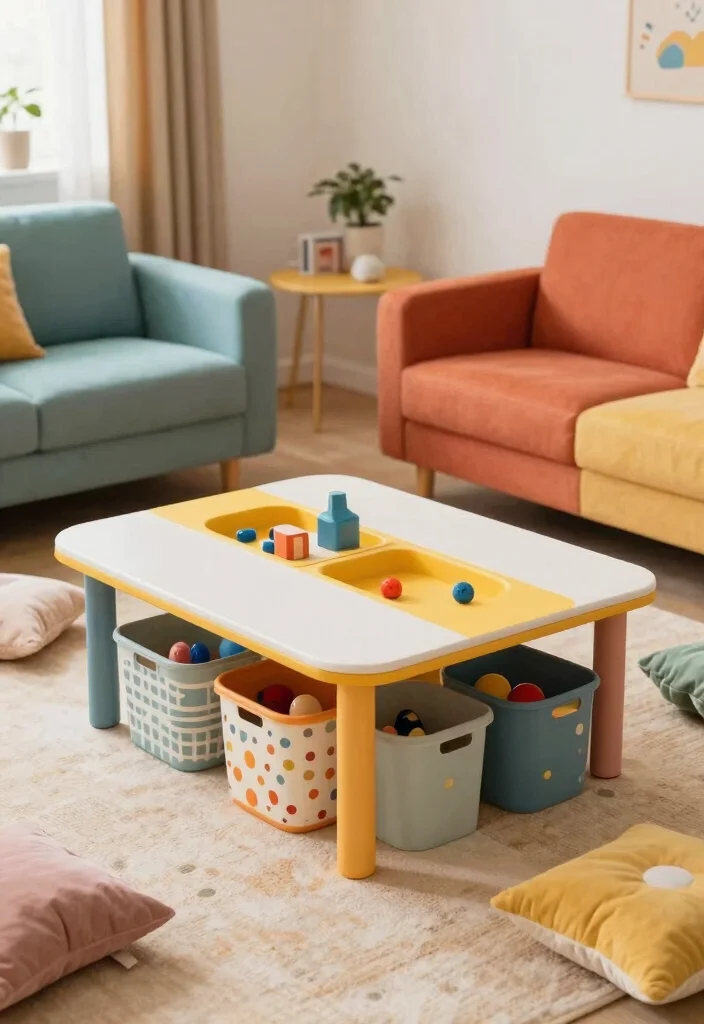
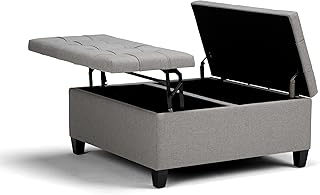
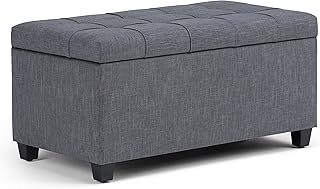
In small playrooms, multifunctional furniture is essential for maximizing both style and utility. Look for pieces that serve dual purposes, such as coffee tables with hidden storage or ottomans that can hold toys and provide seating. This approach allows you to maintain an organized space while catering to your child’s diverse needs.
When choosing furniture, focus on budget-friendly options that combine functionality with fun designs. For example, invest in a sturdy, low table for crafts and snacks that also doubles as a play area. Opt for benches with lids for extra storage that can double as seating, or stackable chairs that can be easily put away when not in use.
Explore these multifunctional furniture ideas:
– Choose tables with built-in storage for craft supplies.
– Incorporate benches that can hold toys underneath.
– Look for foldable chairs for flexible seating arrangements.
These smart choices not only create a clutter-free environment but also instill organizational habits in children, helping them learn about tidiness.
Did you know kids playroom ideas small space get a boost from multifunctional furniture? It can reclaim up to 40% of floor space with a coffee table that hides storage and an ottoman that doubles as seating, keeping toys organized and playtime comfy.
Multifunctional Furniture
Editor’s Choice


4. Bold and Vibrant Color Schemes
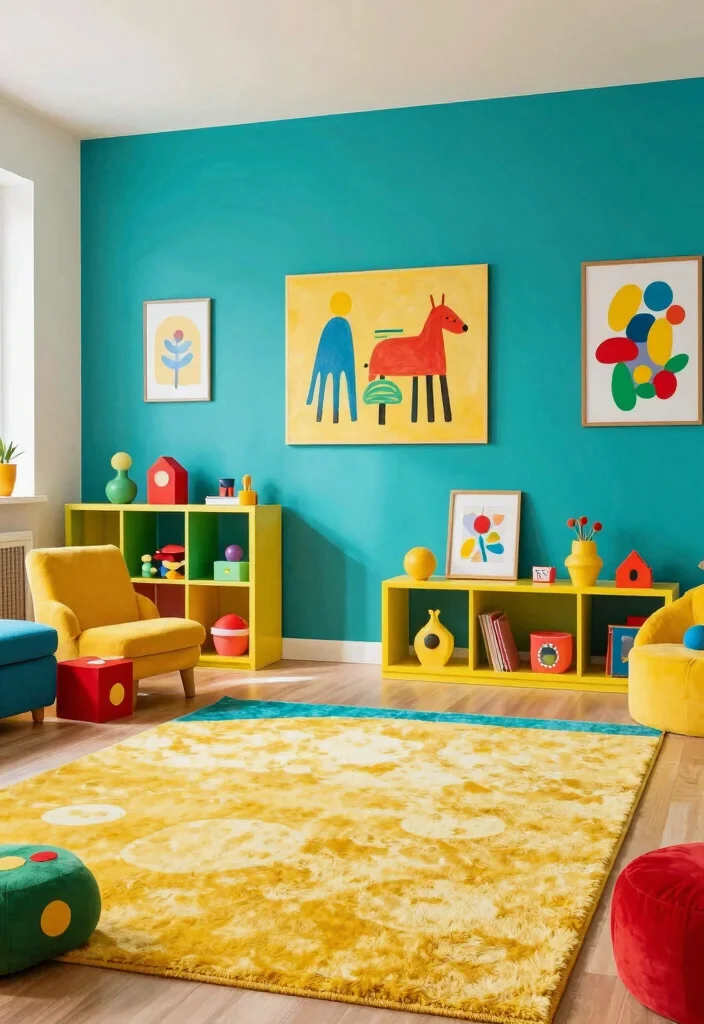
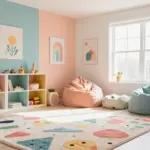
Color plays a crucial role in defining the atmosphere of a playroom. Opting for bold and vibrant color schemes can energize the space, making it feel more cheerful and open. Consider highlighting a single wall with a striking hue or painting furniture in bright shades that harmonize, creating a joyful environment for play.
To effectively implement this colorful approach, think about using non-toxic paints that are safe for children while also being mindful of mood-boosting colors. Bright blues paired with sunny yellows can evoke a beach vibe, while soft pastels mixed with vivid accents can cultivate a whimsical feel. Remember, the right colors can significantly influence a child’s energy and creativity.
Experiment with these color combinations:
– Bright blues and sunny yellows for a playful touch.
– Soft pastels with bold accents for whimsy.
– Classic primary colors for timeless appeal.
This vibrant palette not only lifts the mood but also enhances the overall design, making the playroom a delightful space for children to relax and create.
Bold and Vibrant Color Schemes
Editor’s Choice


5. Art and Craft Station
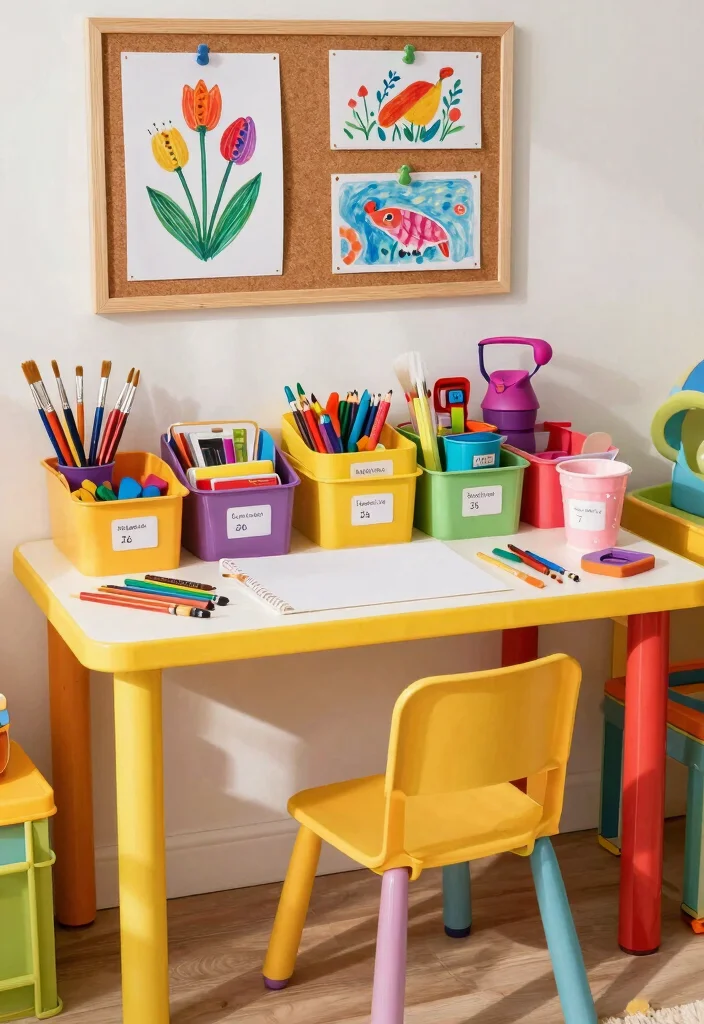
Designing a dedicated art station in your small playroom encourages creativity while keeping art supplies organized. This special area should be easily accessible, stocked with materials like crayons, paper, and glue. Utilizing vertical storage options ensures that creativity can flow freely without leading to chaos.
Establishing this creative nook can be done affordably with a small table that offers storage compartments for quick access to supplies. Consider hanging a corkboard or magnetic board above the table for displaying finished artwork, adding a sense of pride in their creations. Labeling bins for different materials also helps children learn to keep their space tidy.
Set up your art station with these elements:
– Include a small table with hidden storage for crafts.
– Hang boards for showcasing artwork creatively.
– Use labeled bins for organized material storage.
This inspiring space will not only become a favorite for imaginative play but also promote fine motor skills and artistic expression among children.
6. Interactive Wall Murals
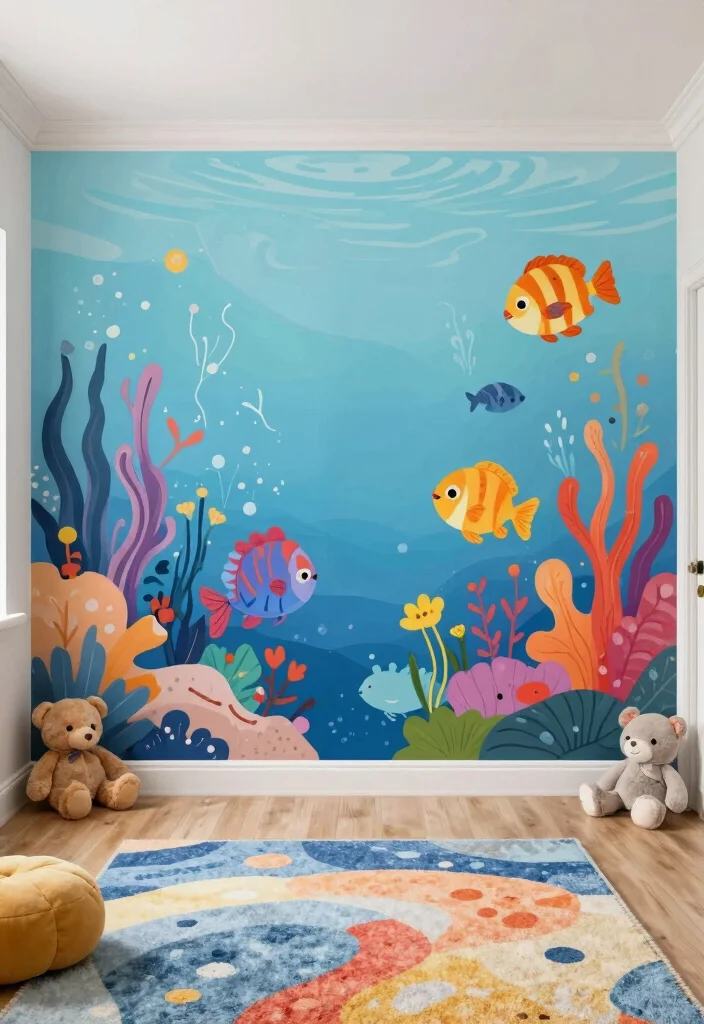
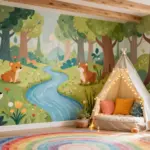
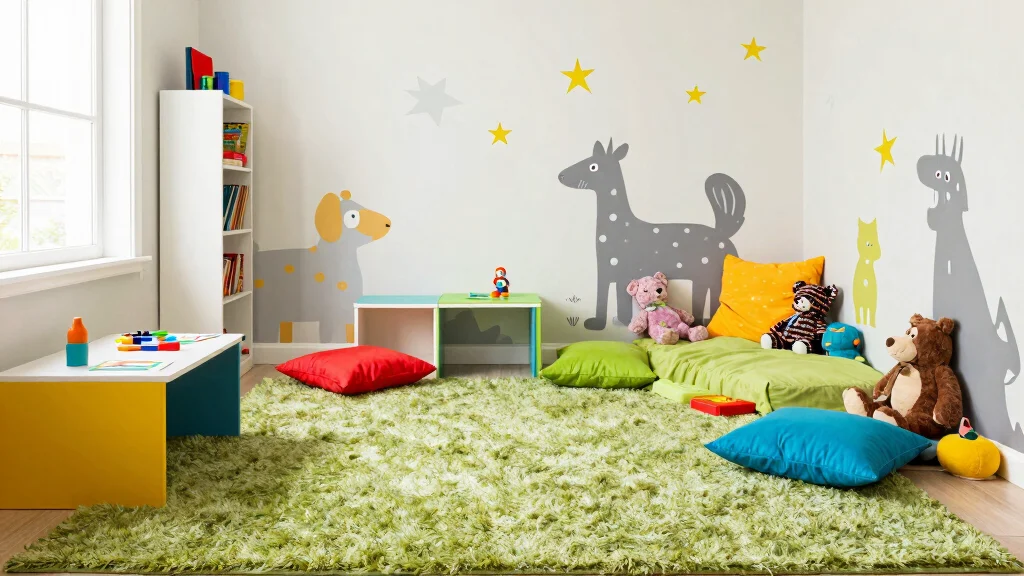
Interactive wall murals bring a unique flair to any playroom, especially in smaller spaces. These murals create a captivating focal point that can inspire imaginative play. Choose themes that resonate with your child’s interests, such as magical forests or vibrant cityscapes, to stimulate creativity and storytelling.
When selecting murals, consider peel-and-stick options for easy installation and removal, which allows for effortless updates as your child’s tastes evolve. Ensure that the materials are safe, low-VOC, and suitable for children’s rooms. A mural can foster role-playing, making playtime more engaging and enjoyable.
Incorporate murals into your decor with these tips:
– Choose themes that reflect your child’s interests.
– Opt for easy-to-remove wall decals for flexibility.
– Pair murals with themed toys or decor for cohesion.
This enchanting addition not only enhances the room’s aesthetic but also provides a backdrop for countless adventures right at home.
7. Use of Rugs to Define Areas
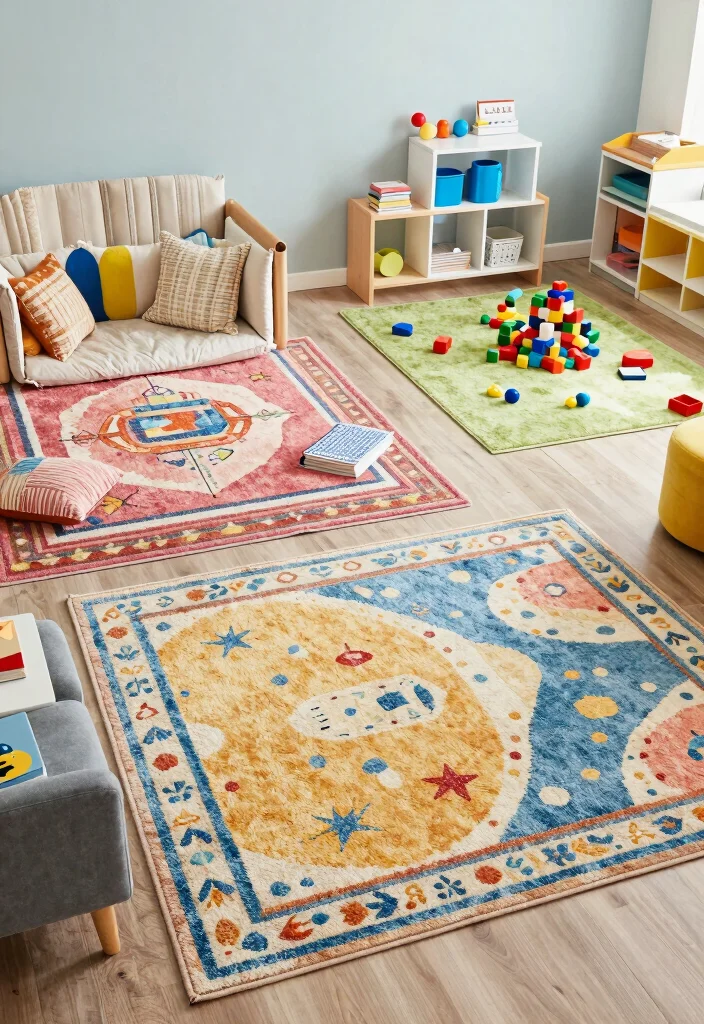
Area rugs are powerful tools for segmenting different zones within a small playroom. They can establish cozy reading corners, vibrant play areas, or craft stations, making the space feel organized and larger. By visually distinguishing these areas, rugs help to facilitate various activities more seamlessly.
When selecting rugs, choose durable, washable options that can endure spills and heavy foot traffic. Bright patterns can complement the room’s color scheme, adding an element of fun. Layering rugs can also create depth and interest, combining different shapes and sizes for a playful look.
Utilize rugs effectively with these strategies:
– Select durable, easy-to-clean options for high traffic.
– Choose vibrant designs that tie into your color scheme.
– Layer rugs to create dynamic textures and areas.
Incorporating rugs not only enhances comfort but also adds warmth, inviting children to explore and play in their designated spaces.
Fun fact: a single bold area rug can visually carve a small playroom into 2–3 zones, making the space feel up to 30% larger. Use washable, durable rugs to keep spaces fun and practical in kids playroom ideas small space.
8. Personalized Play Zones
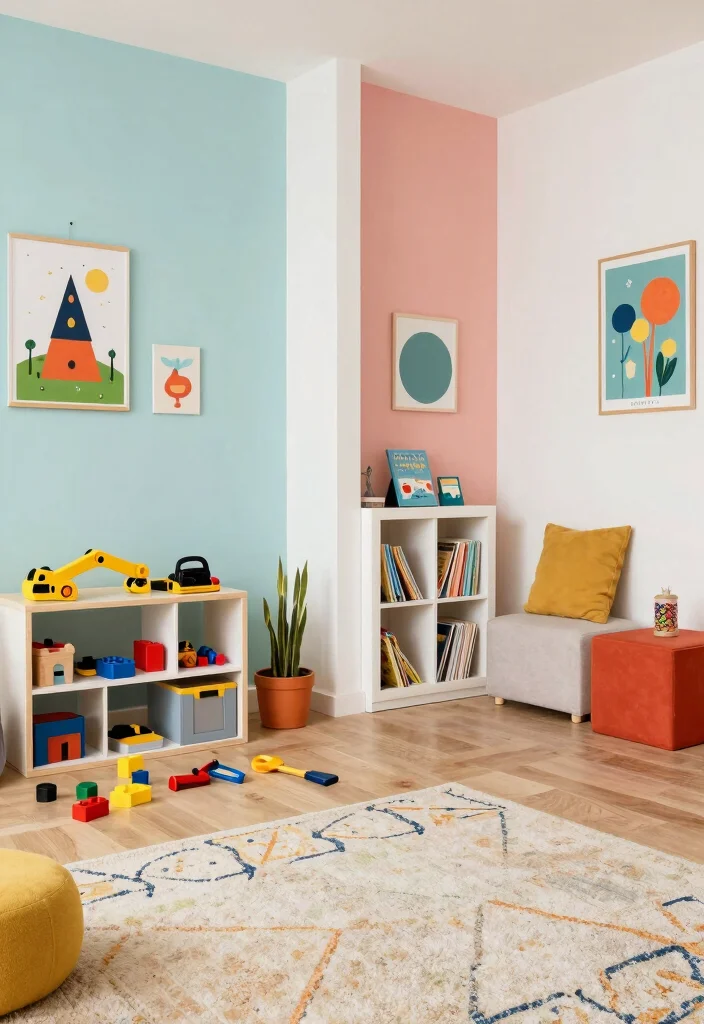
Creating personalized play zones within your child’s playroom fosters a sense of ownership and autonomy. Designate specific areas for various activities, allowing kids to choose where they want to play, whether it’s a construction corner or a reading nook adorned with their favorite colors.
To personalize these zones, involve your child in selecting decor items or themes that resonate with them. Use accessible storage solutions like low shelves or labeled bins to help them organize their belongings. Incorporating elements reflecting their interests, such as themed toys or art, makes the space uniquely theirs.
Enhance personalization with these ideas:
– Let kids choose decor items for their zones.
– Use child-friendly storage for easy access.
– Incorporate favorite themes or colors in their play areas.
By allowing this personal touch, children feel more connected to their space, encouraging imaginative play and creativity.
9. Transformative Furniture for Flexibility
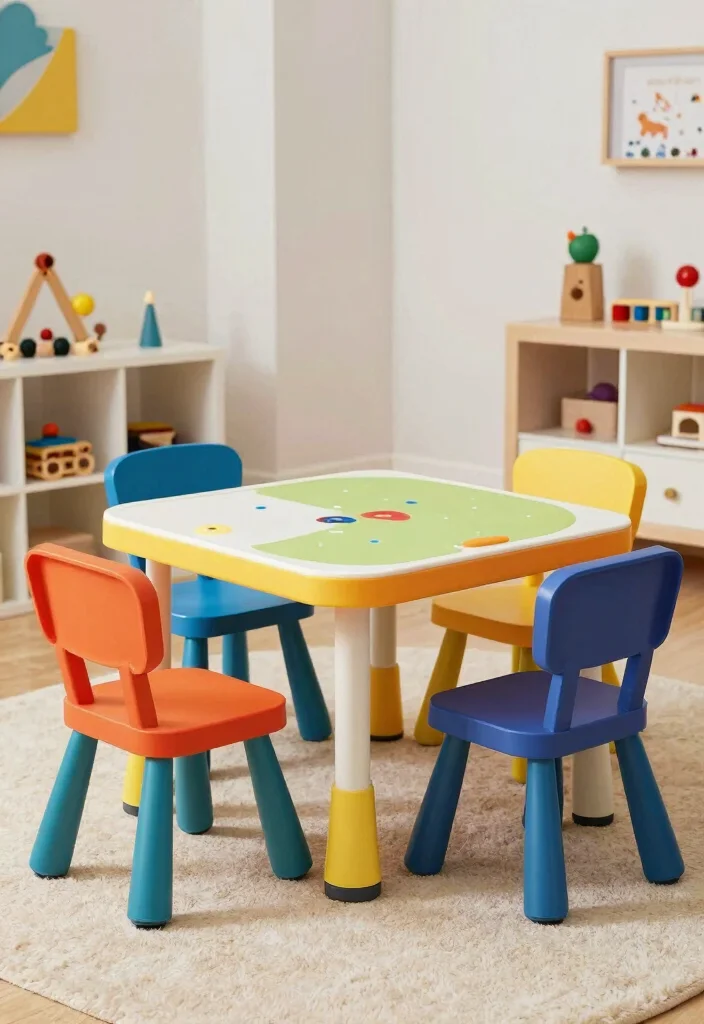
Transformative furniture is ideal for playrooms where space is limited. Seek pieces that adapt to your child’s needs, such as convertible tables that expand for crafts or fold down for storage. This versatility allows you to maintain a dynamic space that evolves with your child’s interests.
When choosing transformative furniture, look for colorful designs that align with the room’s theme. Ensure that the pieces are lightweight for easy rearrangement, making it simple to switch up the layout. This flexibility enhances usability and keeps the playroom fresh and engaging.
Consider these types of transformative furniture:
– Snack tables that can also serve as crafting surfaces.
– Futon-style seating that converts into a bed.
– Adjustable desks that grow with your child.
Incorporating such versatile pieces creates a playful environment that accommodates changing activities, ensuring the playroom remains functional and stylish.
10. Playful Wall Decor
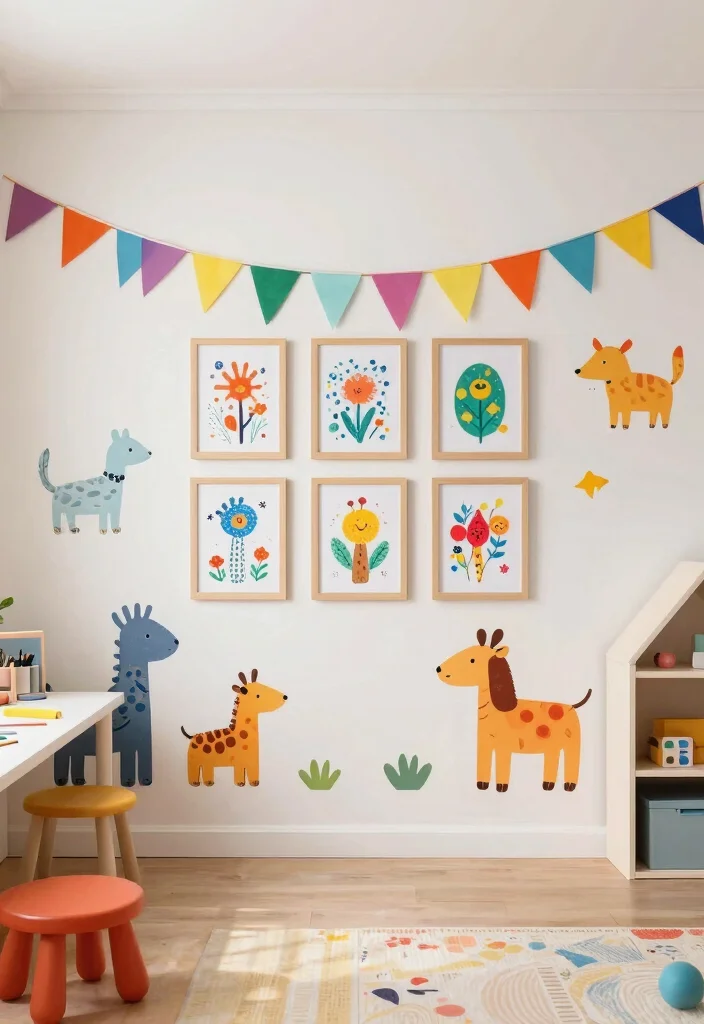
Wall decor is an easy way to elevate the atmosphere of a small playroom, adding character and playfulness. Consider using stickers, decals, or framed art that showcases your child’s personality, enhancing creativity while making the space feel special.
To achieve this playful vibe, use removable wall decals that can change as your child grows. Create a gallery wall by framing oversized artwork or favorite characters to add a personal touch. Colorful bunting or banners can also infuse a festive spirit into the decor.
Explore these playful decor ideas:
– Use removable decals for adaptable themes.
– Frame artwork for a personalized gallery wall.
– Hang colorful bunting for a cheerful environment.
This fun decor not only stimulates imagination but also provides a joyful and warm backdrop for playtime activities.
Playful Wall Decor
Editor’s Choice


11. Nature-Inspired Elements
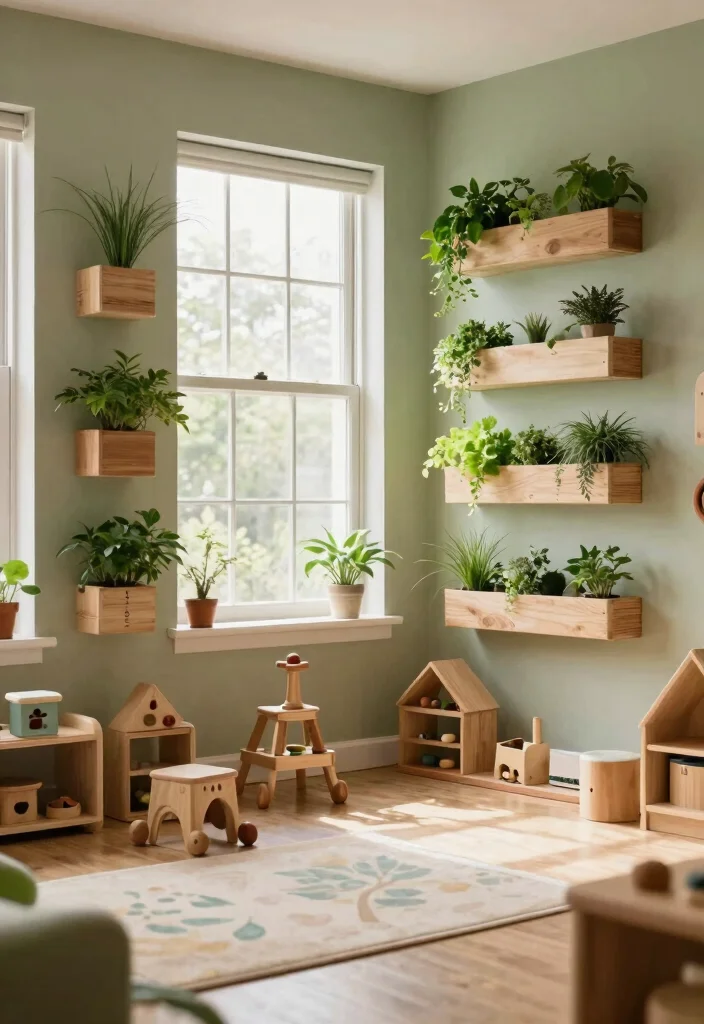
Incorporating nature-inspired elements into a kids’ playroom can create a calming and refreshing atmosphere. Use plants, natural materials, and earthy colors to foster tranquility and well-being, even in compact spaces. Consider hanging planters or wall-mounted garden designs that save valuable floor space.
Enhance the natural vibe with low-maintenance plants that are safe for children, bringing a touch of green indoors. Wooden toys and natural textiles can enhance warmth, while earthy palettes like soft greens and browns connect the space to the outdoors. This nature-inspired approach can spark curiosity about the environment.
Incorporate these elements into your playroom:
– Use vertical planters for a touch of greenery.
– Add wooden toys for warmth and texture.
– Choose earthy color schemes to enhance calmness.
This connection to nature not only beautifies the room but also nurtures an appreciation for the environment among your children.
12. Incorporating Technology Wisely
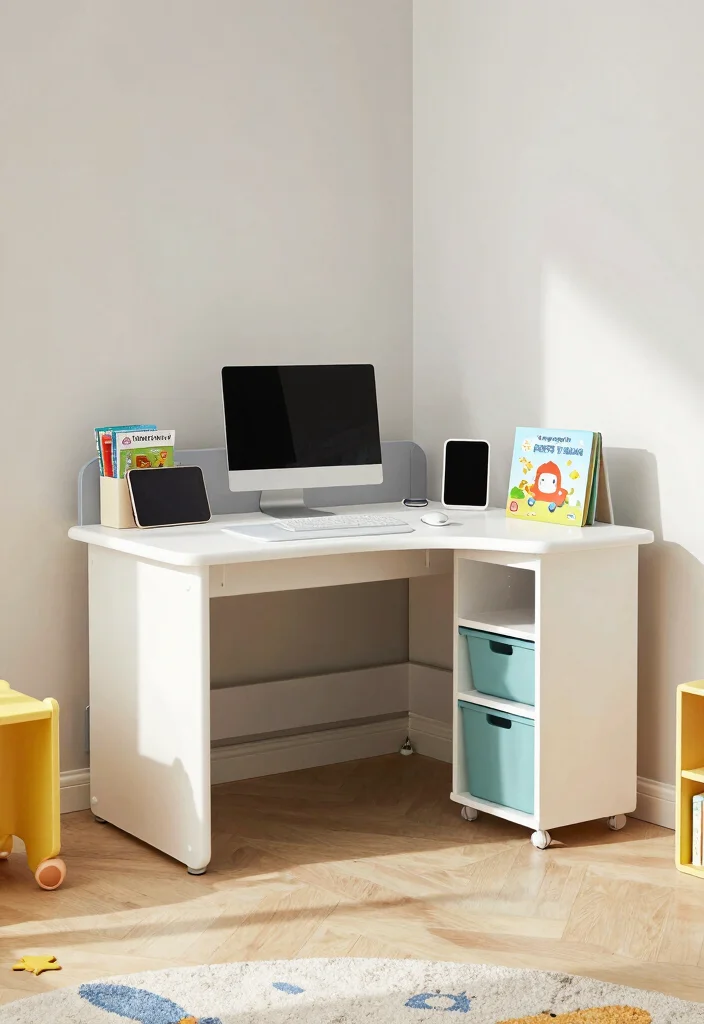
In today’s world, technology can enrich a child’s playroom experience, but it’s crucial to integrate it thoughtfully. Create a tech corner that encourages learning and creativity without overwhelming the space. Use compact, stylish solutions to maintain a fun atmosphere while embracing modern tools.
Establish this tech area with a small desk for a computer or tablet that can also be utilized for art projects. Consider including headphones and charging stations that don’t take up much room. Integrating educational games and apps can promote learning while keeping the playful spirit alive.
Set up your tech corner with these ideas:
– Include a small desk for tech use and projects.
– Use compact charging stations for organization.
– Incorporate educational apps to enhance learning.
This balanced approach allows children to thrive in a tech-savvy environment while still fostering creativity and play.
Incorporating Technology Wisely
Editor’s Choice



Conclusion
Crafting a delightful playroom in a small space is all about embracing creativity and functionality. By utilizing vertical space, multifunctional furniture, and vibrant decor, you can create an inviting atmosphere where your children can thrive. Experiment with these ideas to find the perfect balance of playfulness and organization that fits your family’s needs.
Don’t forget to let your child’s personality shine through in the design. Happy decorating!
Note: We aim to provide accurate product links, but some may occasionally expire or become unavailable. If this happens, please search directly on Amazon for the product or a suitable alternative.
This post contains Amazon affiliate links, meaning we may earn a small commission if you purchase through our links, at no extra cost to you.
Frequently Asked Questions
What are some top kids playroom ideas small space that maximize vertical space?
Think vertical first when designing a small playroom. Use wall-mounted shelves, pegboards, and hanging organizers to keep toys off the floor while keeping everything accessible.
Choose multifunctional furniture like a loft bed with a built-in desk or a storage bench under a window seat to create zones without crowding the room.
Add tall, slim bookcases or cubbies that reach the ceiling and use labeled bins for easy cleanups. Finish with a vibrant color schemes and playful wall decor to make the space feel bigger and inviting.
How can I use creative storage solutions to keep a small playroom tidy?
Start with a plan to store by category: blocks, figures, art supplies, and books. Use stackable bins on open shelving for quick access, plus labeled containers for quick cleanup.
Install wall-mounted bins or pockets for smaller items and a rotating toy system to limit what’s out at once.
Incorporate multifunctional furniture like ottomans with hidden storage or a desk that doubles as a craft station. Regularly rotate toys to keep clutter down and the space fresh.
What vibrant color schemes work well in small playrooms without making the space feel cramped?
Choose a neutral base and add two to three bright accent tones to energize the room while keeping it spacious-looking.
Use color on accents like storage bins, walls, or a single bold wall to draw the eye upward and create depth.
Pair vibrant color schemes with playful wall decor such as decals or a mural to keep the feel open and cheerful rather than busy.
How can multifunctional furniture help in a kid’s playroom on a budget?
Invest in pieces that pull double duty, like a storage ottoman, a fold-down table, or a wall-mounted desk with integrated shelves.
Modular seating can be rearranged for different activities, and a bed with drawers underneath adds sleeping and storage space without extra furniture.
These smart choices maximize storage creative storage solutions while keeping the floor clear for play.
What are quick DIY ideas for playful wall decor that don’t take up floor space?
Start with removable wall decals or a removable mural to instantly transform the look without adding clutter.
Try a chalkboard or magnetic paint panel for drawing and display left-right art without shelves.
Create a mini gallery using clotheslines or a pegboard with kids’ artwork and photos, so you can swap pieces in and out with ease.