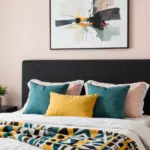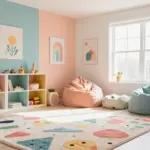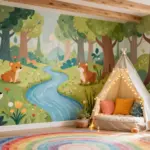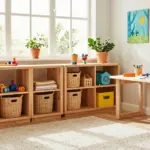
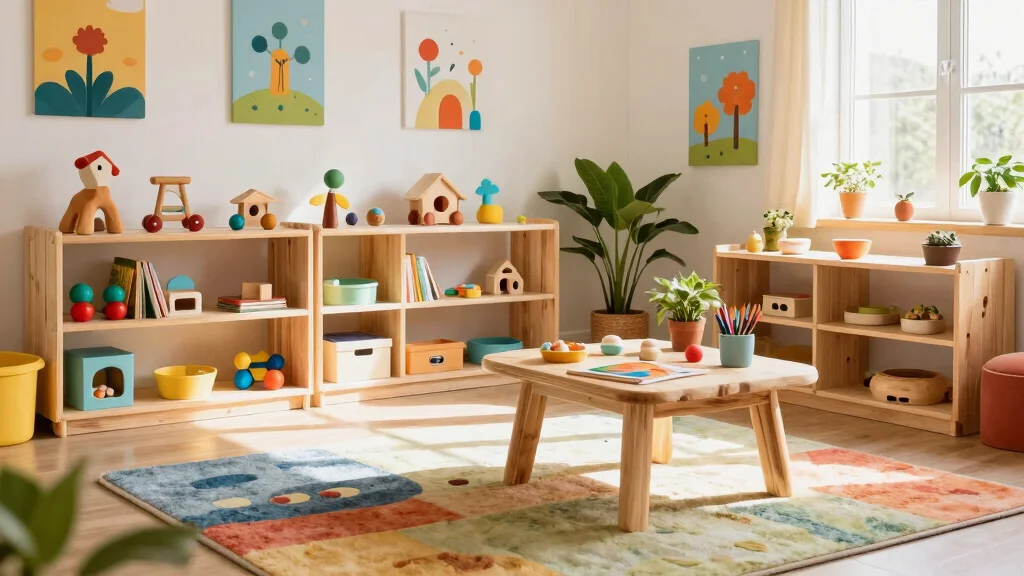
Creating a playroom for your kids can be both a joyful and daunting task. It’s a space that should encourage imagination and energy while providing organization and durability. As parents, you want a room that isn’t just fun but also functional, especially if you have limited space. That’s why I’ve put together this guide on 10 playroom design ideas that balance fun and function.
If you’re a parent or caregiver looking to create an engaging space for your children, this post is for you. You might be interested in sustainable options that are eco-friendly, colorful themes that inspire creativity, or functional furniture that adapts as your kids grow. No matter what your playroom needs are, I’ve gathered ideas that will help you design a space that’s enjoyable for your children and practical for you.
By the end of this post, you’ll find a collection of design ideas ranging from creative storage solutions to playful wall art, all aimed at enhancing your kids’ play experience. Let’s dive into these exciting concepts that will make your playroom a fun and functional haven!
Key Takeaways
– Eco-Friendly Materials: Use sustainable materials to create a healthy play environment that is safe for your children and the planet.
– Flexible Furniture: Opt for functional playroom furniture that can easily adapt to your kids’ changing needs as they grow.
– Creative Storage Solutions: Implement smart storage options that not only keep the playroom organized but also inspire your kids to put away their toys.
– Colorful Themes: Choose colorful playroom themes that spark imagination and encourage play while also being aesthetically pleasing.
– Personalized Touches: Add personalized decor that reflects your child’s personality, making the space uniquely theirs and fostering a sense of ownership.
1. Eco-Friendly Materials for a Sustainable Base
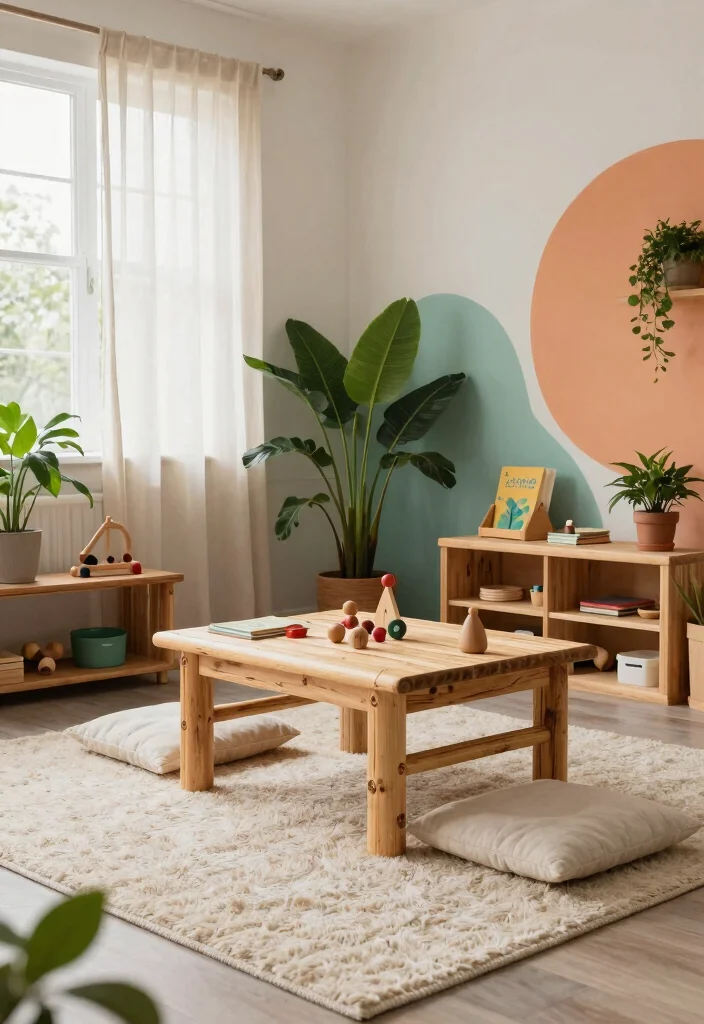
Starting your playroom with eco-friendly materials creates a nurturing space for children. Using sustainable options like reclaimed wood, non-toxic paints, and organic textiles not only promotes health but also ensures a positive impact on the planet. For example, combining soft cotton rugs with wooden furniture creates a harmonious and inviting environment that encourages creativity and play.
To make this design truly shine, consider budget-friendly alternatives like thrift store finds or DIY projects. Incorporating plants can also enhance the natural vibe while promoting better air quality, creating a space that feels alive and vibrant.
Consider these elements for a sustainable playroom:
– Pair reclaimed wood furniture with organic cotton textiles
– Install non-toxic paint for a safe and stylish finish
– Use natural rugs made from jute or wool
Choosing eco-friendly materials not only beautifies your space but also ensures a safe haven for your little ones, fostering a sense of responsibility toward nature.
Eco-Friendly Materials for a Sustainable Base
Editor’s Choice




2. Flexible Furniture for Growing Kids
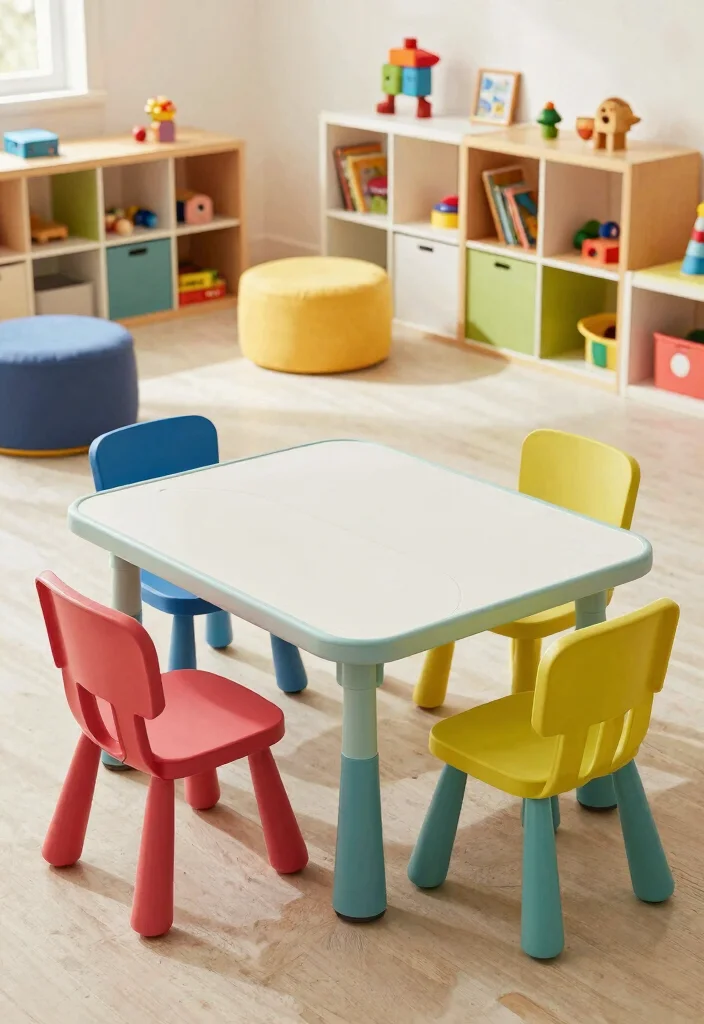
Flexible furniture is essential for adapting to your child’s ever-changing needs. Opt for multifunctional pieces like a storage bench or a table that expands. This versatility not only saves space but also prevents the need for frequent replacements as your child grows.
Look for budget-friendly options at second-hand stores or consider DIY projects to customize your space. Keeping the furniture playful and colorful can enhance the fun while ensuring functionality, encouraging kids to explore and create.
Smart choices include:
– Use convertible tables that can change size
– Incorporate storage ottomans that serve multiple purposes
– Install modular shelving that can grow with your child
This approach keeps the playroom adaptable and tidy, fostering a sense of responsibility while inviting creativity.
Cost Breakdown & Budget Planning
Creating a playroom that balances fun and function can be exciting yet challenging. Budget planning is crucial to ensure you stay on track while bringing your vision to life. Below is a detailed guide to help you estimate costs effectively.
Cost Breakdown by Category:
– Materials/Products: $500 – $3,000
This includes eco-friendly flooring, non-toxic paint, and sustainable furniture. You can find various options that cater to different budgets.
– Tools/Equipment: $50 – $500
If you decide to take on DIY projects, you’ll need tools like paintbrushes, measuring tape, and saws. Renting tools can save you money.
– Labor/Professional Installation: $200 – $2,000
Hiring professionals can ensure quality work, especially for larger tasks like flooring installation or custom furniture.
– Optional Extras: $100 – $1,000
This could include decorative items, toys, or high-tech gadgets. Personal touches often come with a price tag, so factor these in.
Budget Tier Breakdown:
Basic Economy Tier $
– What’s included: Basic furniture and minimal decor using low-cost materials.
– Good for: Families on a tight budget or those who want a simple setup.
– Limitations: This tier may lack durability, style, or features. Expect limited storage and less engaging designs.
Mid-Range Tier $$
– What’s included: Quality furniture, colorful decor, and some creative storage solutions.
– Good for: Families seeking a balance between cost and functionality.
– Best value for: Most people, as this tier offers a wide array of choices without overspending.
Premium Tier $$$
– What’s included: High-quality, sustainable materials and custom furniture.
– Good for: Families wanting a long-lasting, stylish playroom.
– Worth it if: You have the budget for premium options and want a functional space that grows with your kids.
Money-Saving Tips:
– Repurpose Furniture: Use old furniture by painting or reupholstering it. This can save you money while giving your room a fresh look.
– Shop Sales and Thrift Stores: Look for eco-friendly decor and furniture on sale or at thrift stores. You can often find unique pieces at a fraction of the cost.
– DIY Projects: Try your hand at creating your own wall art or storage solutions. Online tutorials make it easy to get started without hiring a professional.
– Plan for Multi-Use Spaces: Design areas that can serve multiple functions. For instance, a bench can double as storage, saving money on separate pieces.
Where to Splurge:
– Quality Flooring: Investing in durable, eco-friendly flooring options can save money in the long run. Look for materials that resist wear and tear, especially in a playroom.
– Functional Furniture: High-quality, multi-functional furniture can be worth the investment. Pieces that grow with your child can save you from needing replacements later.
– Creative Storage Solutions: Good storage keeps the room organized, making it easier to maintain. High-quality bins or shelving systems can help minimize clutter.
By understanding these costs and planning your budget, you can create a playroom that is both fun and functional. Remember, it’s all about prioritizing what matters most for your family while allowing for some creative touches. Happy decorating!
3. Creative Storage Solutions that Inspire Order
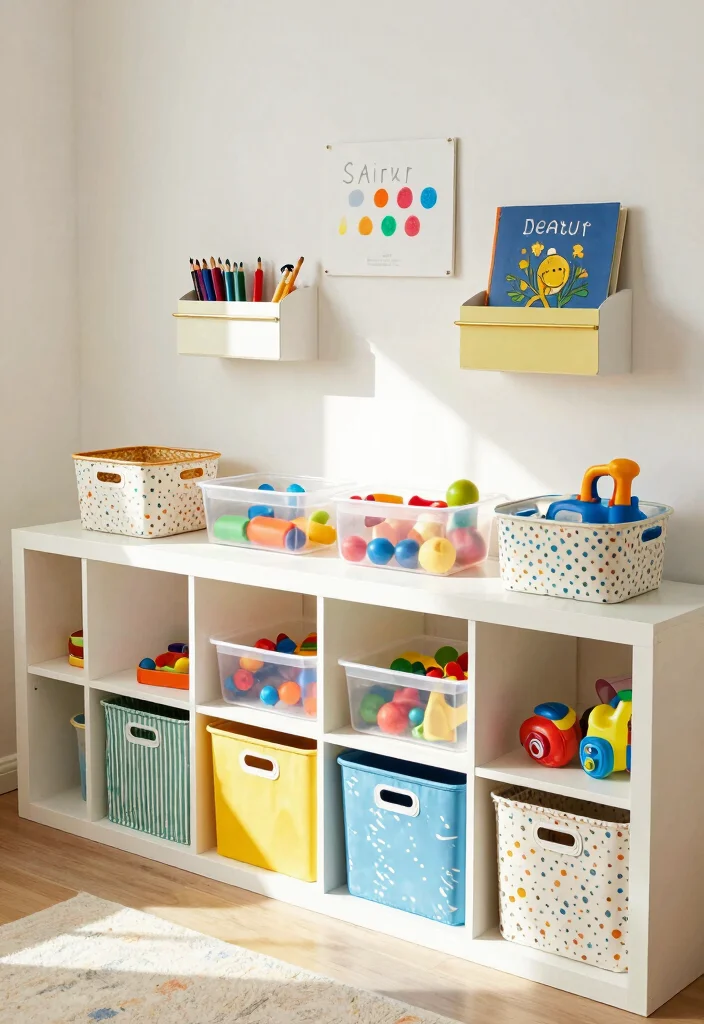
Creative storage solutions are vital for maintaining an organized playroom. Using labeled boxes, clear bins, and decorative baskets can make cleanup a fun part of play. This not only keeps the space tidy but also helps children find their toys easily, promoting independence.
Consider using items you already have or upcycling materials to create unique storage options. Incorporating fun designs can engage children, making them excited to participate in keeping the space organized.
Top storage ideas include:
– Use clear bins for easy visibility of toys
– Create labeled boxes with pictures for younger kids
– Install wall-mounted storage to maximize floor space
A well-thought-out storage system encourages tidiness and enhances the playful atmosphere, making it easier for kids to enjoy their space.
4. Colorful Playroom Themes for Inspiration
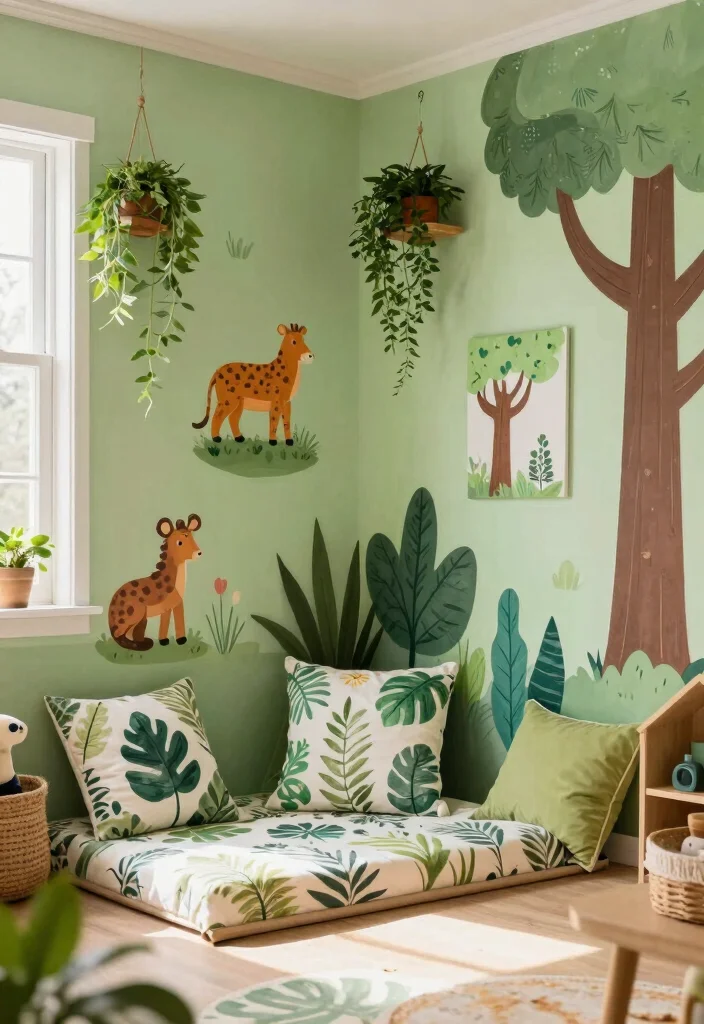
A vibrant theme can infuse your playroom with personality and excitement. Think beyond walls; include themed decor, furniture, and play elements that create a cohesive look. This approach can ignite children’s imagination, transforming the space into an adventure zone.
Explore budget-friendly options like DIY decor or repurposing existing items to fit your theme. Encouraging kids to help choose the theme can make the space feel even more special to them.
Themes to consider:
– Create a nature-inspired retreat with earthy tones
– Design an under-the-sea oasis featuring blues and soft fabrics
– Embrace space exploration with starry decals and dark colors
Colorful themes inspire imaginative play and learning, while cohesive decor creates an engaging environment for exploration.
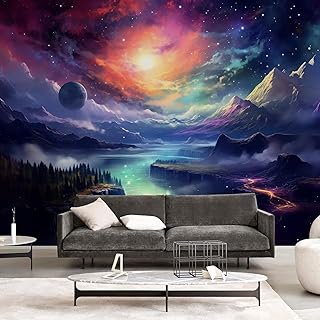
5. Playful Wall Art to Spark Imagination
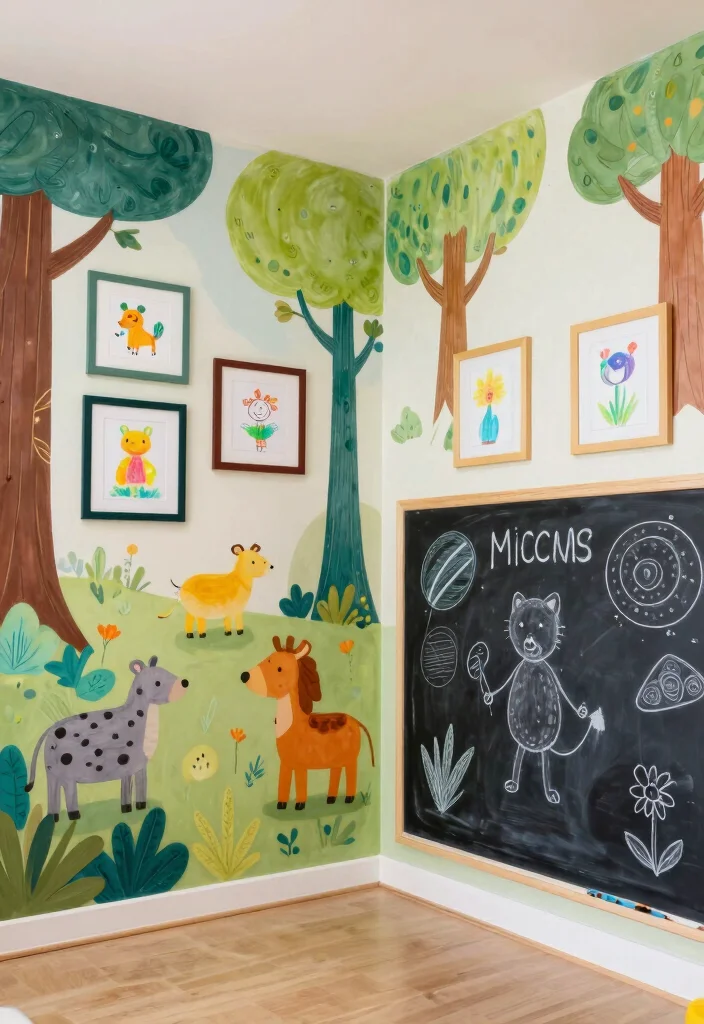
Wall art can significantly influence the ambiance of your playroom, enhancing creativity and storytelling. Opt for murals, framed prints, or even kids’ DIY art that adds a personal touch. These elements transform blank walls into inspiring canvases that encourage imaginative play.
Incorporate budget-friendly art by using printables or collaborating with your kids on creative projects. Making art a family affair can deepen the emotional connection to the space.
Art ideas to explore:
– Create murals that transport kids to magical places
– Frame children’s artwork to showcase their creativity
– Use interactive wall elements like chalkboards for ongoing creativity
Incorporating playful art enriches the room’s atmosphere, fostering an environment where imagination can thrive.
Playful wall art is your easiest win for vibrant playroom design ideas. Get creative with murals, DIY prints, and budget-friendly printables, and make art a family keepsake that turns blank walls into sustainable playroom design ideas that spark imaginative play.
Playful Wall Art to Spark Imagination
Editor’s Choice



6. Cozy Reading Nooks for Quiet Time
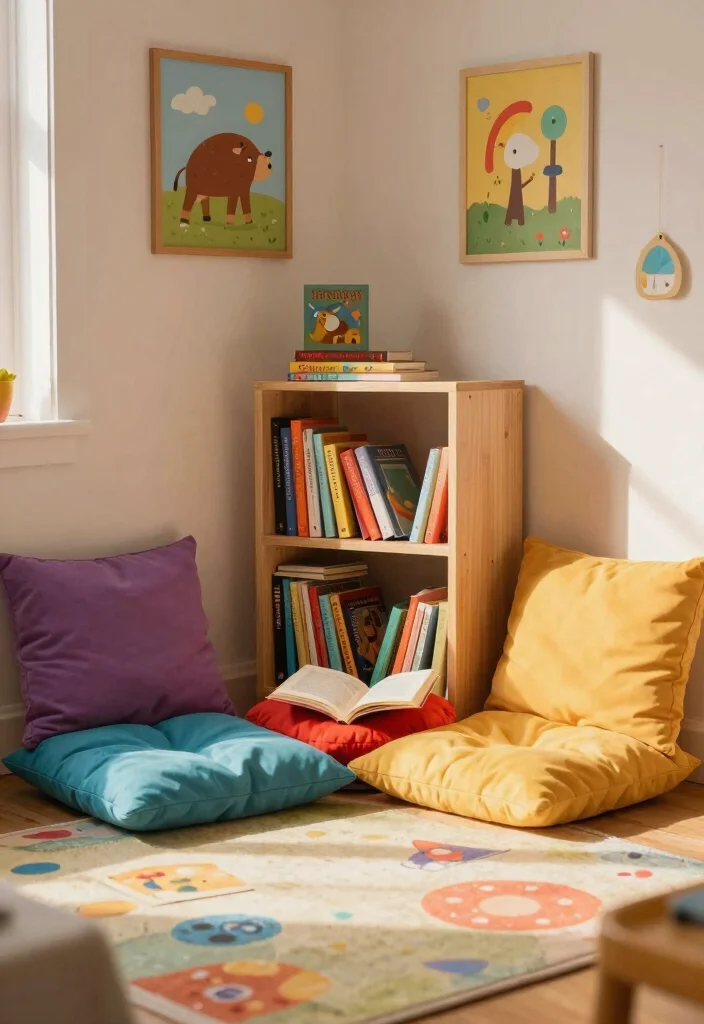
A cozy reading nook is essential for encouraging quiet time in the playroom. This retreat can cultivate a love of reading, providing a peaceful space filled with books and comfortable seating. Soft cushions, a small bookshelf, and warm lighting can create an inviting atmosphere.
Consider using items you already have or thrift store finds to create the nook. Including a diverse selection of books can spark interest and make reading a cherished activity.
Elements of a great nook:
– Provide comfortable seating like bean bags or floor cushions
– Ensure adequate lighting with warm, adjustable sources
– Curate a variety of books to cater to different interests
A cozy reading nook complements the energetic play zones, allowing children to unwind and dive into their imaginations.
Cozy Reading Nooks for Quiet Time
Editor’s Choice


7. Indoor Play Structures for Active Fun
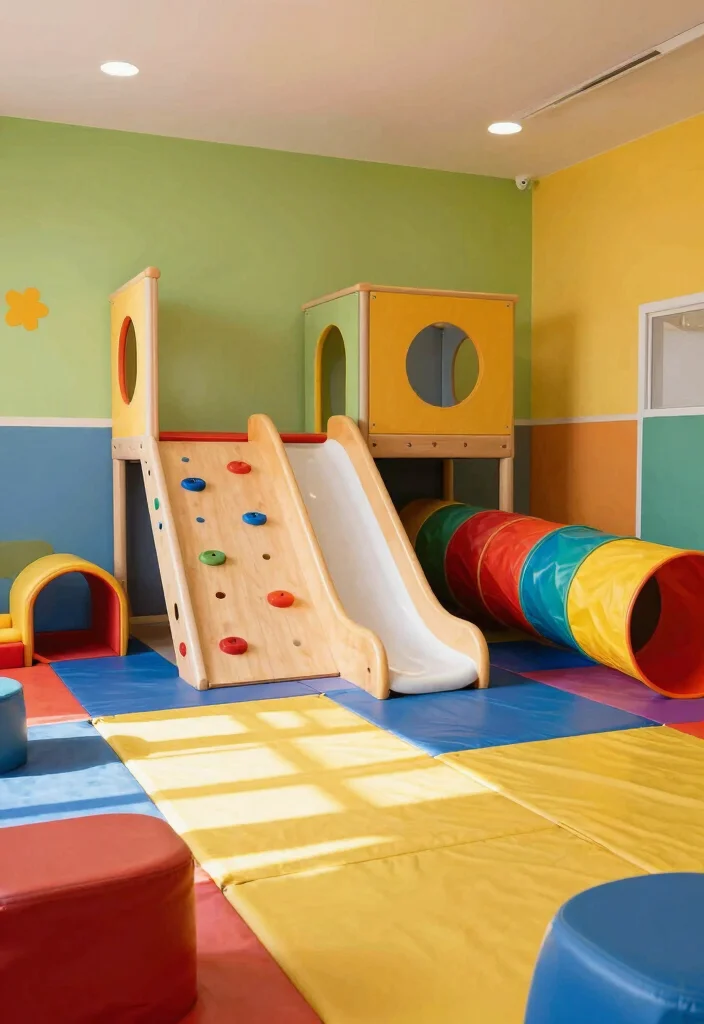
Adding indoor play structures can boost physical activity and imaginative play in your child’s playroom. Features like climbing walls, slides, and tunnels can provide endless entertainment while promoting exercise. Opting for sustainable materials ensures safety and aligns with eco-conscious values.
Explore budget-friendly options through DIY projects or local sales for unique play structures. Regularly rotating these elements can keep the excitement alive, encouraging diverse play experiences.
Structure ideas to include:
– Install climbing walls for strength and coordination
– Add small slides for thrilling playtime
– Incorporate tunnels for crawling adventures
These structures transform the playroom into a mini-adventure zone, fostering active play and creativity, even indoors.
❝ Did you know that rotating indoor play structures can boost active play by 40% in a well-planned playroom design ideas? DIY setups stay budget-friendly and keep kids moving longer, while eco-friendly materials ensure safety. ❞
8. Nature-Inspired Decor for a Tranquil Vibe
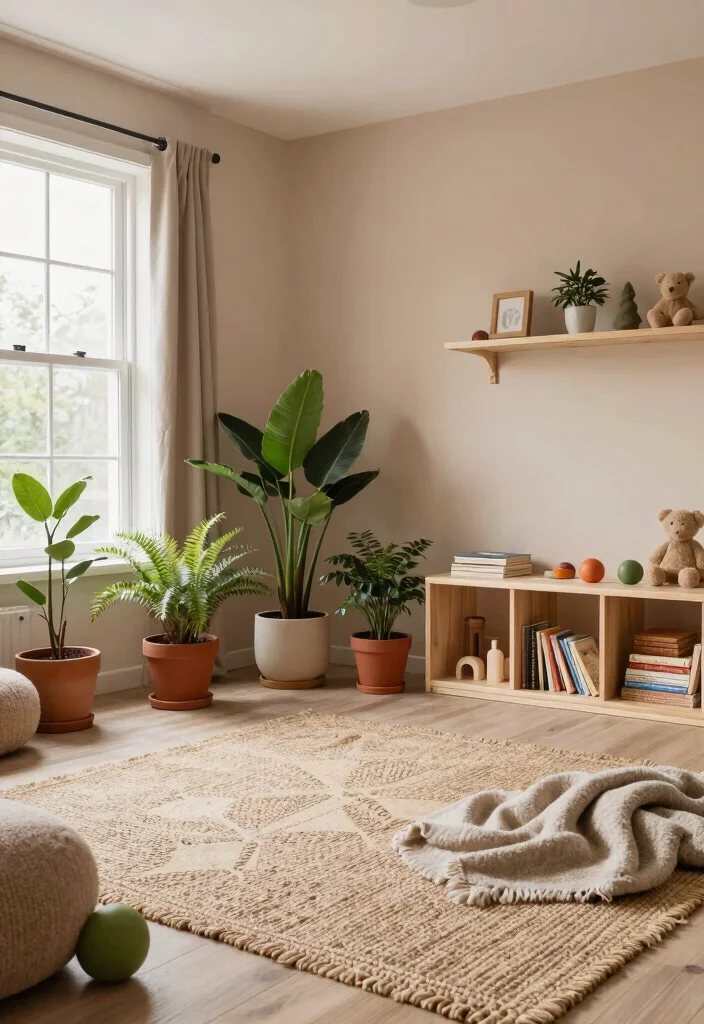
Incorporating nature-inspired decor can greatly enhance the playroom’s ambiance. Using natural colors, textures, and real plants can create a calming environment, promoting relaxation and focus. This connection to nature can foster a sense of peace among children.
Consider using thrifted items or DIY projects to keep costs down while adding natural elements. Choosing easy-to-care-for plants can ensure a vibrant atmosphere without overwhelming maintenance.
Decor ideas to explore:
– Use a natural color palette featuring greens and browns
– Incorporate textured elements like jute rugs and wool blankets
– Add child-safe plants to improve air quality
Nature-inspired decor creates a welcoming space where children can relax and engage, nurturing their connection to the environment.
Did you know that adding 3 easy-care plants can boost a room’s calm by up to 20%? In playroom design ideas, nature-inspired decor brings color, texture, and focus without breaking the budget. Thrifted finds and DIY touches keep it affordable and sustainable.
Nature-Inspired Decor for a Tranquil Vibe
Editor’s Choice



9. Personalized Touches to Celebrate Individuality
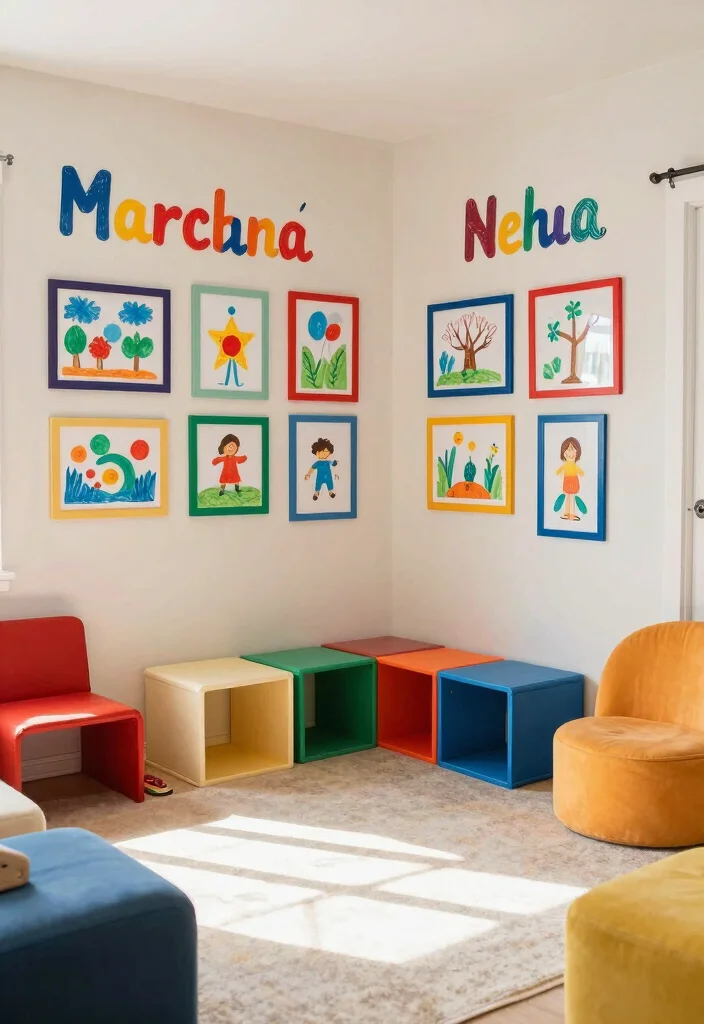
Adding personalized touches to your playroom makes it feel special for each child. Integrate their artwork, favorite colors, and interests into the design, enhancing their sense of ownership. This customization fosters joy and creativity in their space.
Look for affordable options like DIY projects or customizing existing decor. Allowing children to contribute to the design can increase their emotional connection to the space.
Personalization ideas include:
– Create custom name art for a personal touch
– Display art and crafts prominently to encourage pride
– Incorporate favorite colors in decor for emotional connection
Personalized elements transform the playroom into an inviting environment that nurtures self-expression and creativity.
Personalized Touches to Celebrate Individuality
Editor’s Choice


10. Incorporate Technology Mindfully
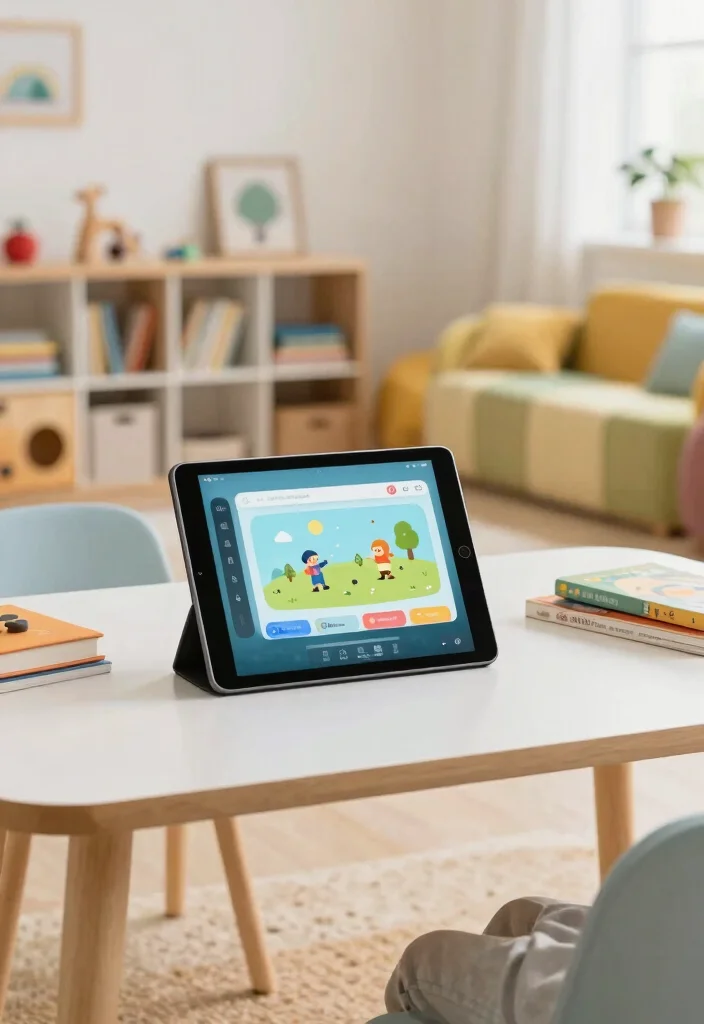
In the digital age, incorporating technology into the playroom can be beneficial when done mindfully. Designate tech zones for educational tools like tablets, balancing screen time with traditional play to promote holistic development.
Consider using budget-friendly tech options or engaging kids in selecting educational apps. Setting boundaries around screen time fosters a healthy balance between digital and hands-on experiences.
Tech integration ideas:
– Use interactive educational games for productive screen time
– Encourage creativity with digital art tools and apps
– Establish limits on screen time to ensure balance
Mindful tech use can enhance learning and creativity while maintaining the value of imaginative play, creating a space where children can thrive both online and offline.
Conclusion
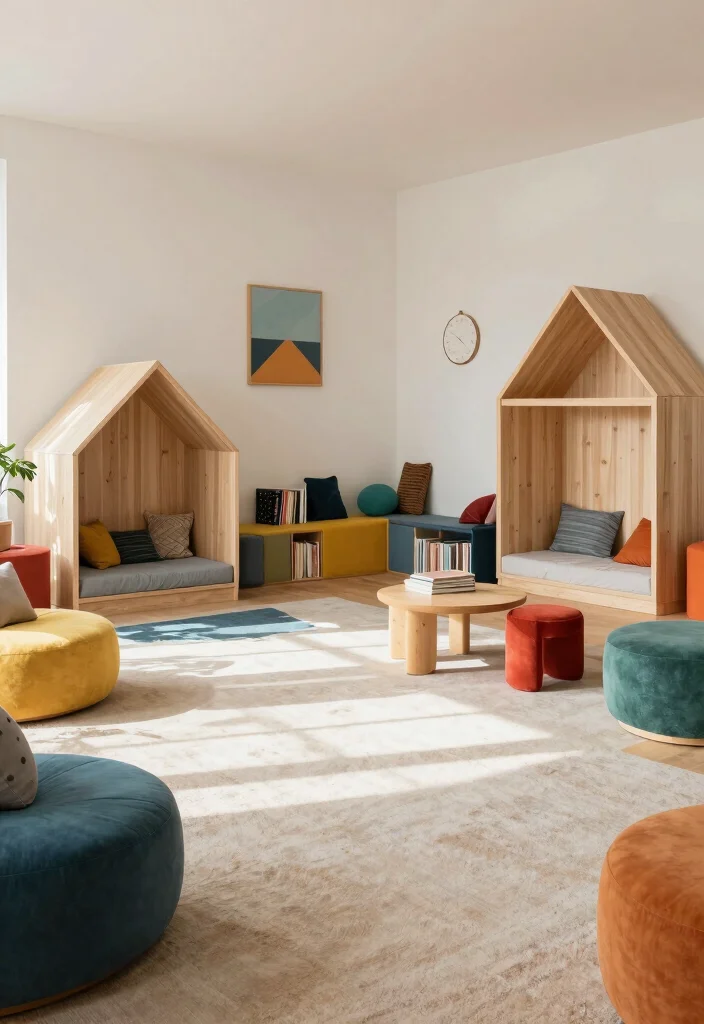
Designing a sustainable playroom that balances fun and function is a rewarding endeavor. By integrating vibrant themes, practical storage solutions, and eco-friendly materials, you can create a space that grows with your children and promotes their creativity. As you implement these ideas, remember to let your kids’ personalities shine through, making the playroom a true reflection of their individuality.
Embrace the journey of crafting a joyful, engaging environment that encourages play, learning, and imagination—one that your children will cherish for years to come.
Note: We aim to provide accurate product links, but some may occasionally expire or become unavailable. If this happens, please search directly on Amazon for the product or a suitable alternative.
This post contains Amazon affiliate links, meaning we may earn a small commission if you purchase through our links, at no extra cost to you.
Frequently Asked Questions
What are some sustainable playroom design ideas that balance fun and function?
Sustainable playroom design ideas blend safety, longevity, and joy. Start with non-toxic, durable materials like low-VOC paints, bamboo or reclaimed wood furniture, and cork or rubber flooring that can handle busy days.
Choose furniture and accessories with clean lines and washable covers so they stay fresh as kids grow. Use modular pieces for flexible zones (craft area, reading nook, and play zone) to maximize playroom design ideas practicality while keeping things friendly to the environment.
Incorporate plenty of natural light and energy-efficient lighting, plus plan for easy-upkeep with accessible storage that supports creative storage solutions and kids playroom decor that scales with your family.
How can I incorporate kids playroom decor that lasts and keeps things organized?
Start with durable, easy-clean surfaces and modular storage that can be rearranged as needs change. Use creative storage solutions like labeled bins, wall-mounted cubbies, and rolling carts to keep toys sorted and accessible.
Choose functional playroom furniture that can adapt—think adjustable-height tables, seating with built-in storage, and modular shelving that grows with your child.
Add kids playroom decor pieces you love, but rotate a few items every season so the space stays fresh without wasting resources.
How do I create colorful playroom themes that are sustainable and not overwhelming?
Begin with a neutral base and build color through textiles, wall art, and sustainable accessories. Limit the palette to 2-3 colors to keep the room cohesive, then lean on playful wall art and colorful playroom themes accents that are washable and durable.
Choose fabrics made from organic cotton or recycled materials, use washable paints, and opt for energy-saving lighting to keep everything vibrant without harming the planet.
By balancing color with practical zones (creative corner, reading nook, active play area) you get a space that looks lively and stays organized.
What creative storage solutions help keep a playroom tidy while inviting kids to play?
Think zones and accessibility. Install open shelving at kid height and use clearly labeled bins for different toy types to encourage independence. Add a storage bench or cube organizers that double as seating for story time. Rotate a portion of toys every few weeks to cut down clutter while keeping play stimulating. Consider vertical storage like wall-mounted pockets or peg rails for costumes and art supplies. All these creative storage solutions support a sustainable, functional playroom that invites creativity rather than chaos.
How can I choose functional playroom furniture that grows with my child and fits a sustainable home?
Look for pieces that are adjustable, modular, and built to last. An functional playroom furniture setup could include a height-adjustable table, modular shelving, and a bench with hidden storage. Choose non-toxic finishes, sustainably sourced wood (like FSC-certified), bamboo, or recycled materials, and avoid single-use items. Plan the layout around future activities such as crafts, reading, building, and quiet time, so each piece serves multiple purposes as your child grows. This approach aligns with playroom design ideas that balance fun and function while staying kind to the environment.