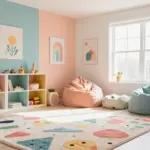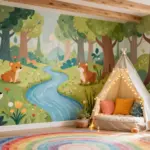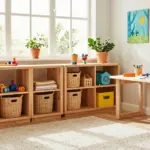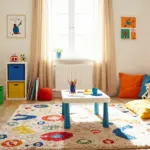
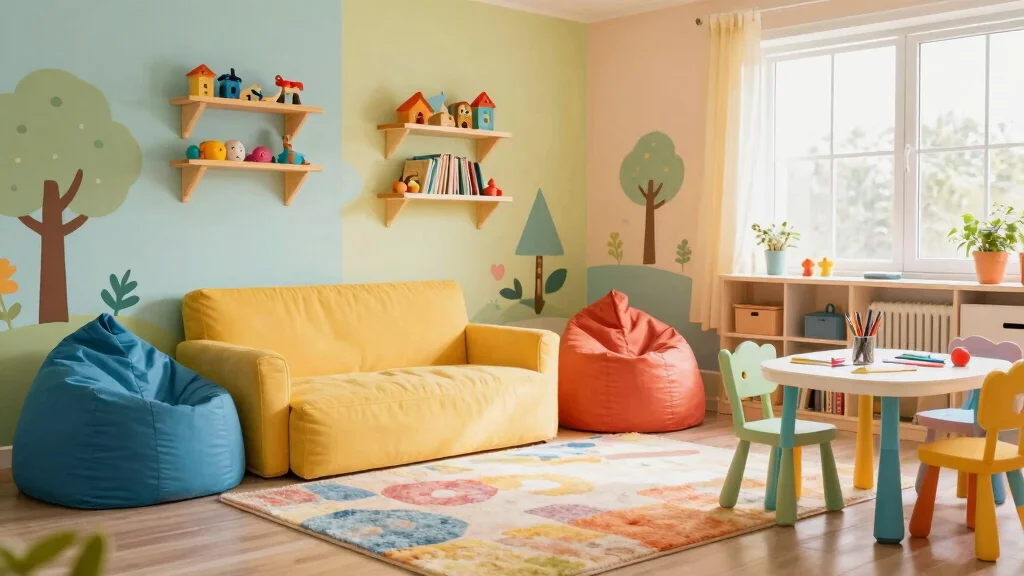
Creating a cozy and functional playroom in a tiny space can feel like a daunting task. With kids’ toys, books, and art supplies multiplying by the minute, it’s easy to feel overwhelmed. This post brings you 14 tiny playroom ideas that maximize every inch, transforming cluttered corners into delightful, organized spaces. I understand how tricky it can be to balance aesthetics with functionality. That’s why I’ve compiled these ideas to inspire you to create a playful yet practical environment for your little ones.
If you’re a parent or caregiver looking to make the most of a small playroom, you’re in the right place. You might be searching for ways to organize toys, incorporate multifunctional furniture, or add playful design elements that spark creativity. Each idea I’ve included here is designed with small space decorating in mind, ensuring that your playroom feels spacious without sacrificing fun.
By the end of this post, you’ll have a treasure trove of tips and tricks to create a tiny playroom that’s not only functional but also a source of joy. Whether it’s through clever storage solutions or creative decor, you’ll discover how to make every inch count. Let’s dive into these exciting ideas!
Key Takeaways
– Cozy Corner Sofa Bed: Use a sofa bed for seating and a sleeping area, perfect for playdates and naps.
– Under-Table Storage Bins: Keep toys hidden yet accessible by using storage bins under tables, maximizing space.
– Wall-Mounted Shelves: Install shelves on the walls to free up floor space and display books and toys stylishly.
– Multi-Functional Play Tables: Look for tables that can serve different purposes, like a craft station or a game table, enhancing versatility.
– Creative Toy Labeling: Organize toys with fun labels, making it easier for kids to find and put away their belongings.
1. Cozy Corner Sofa Bed
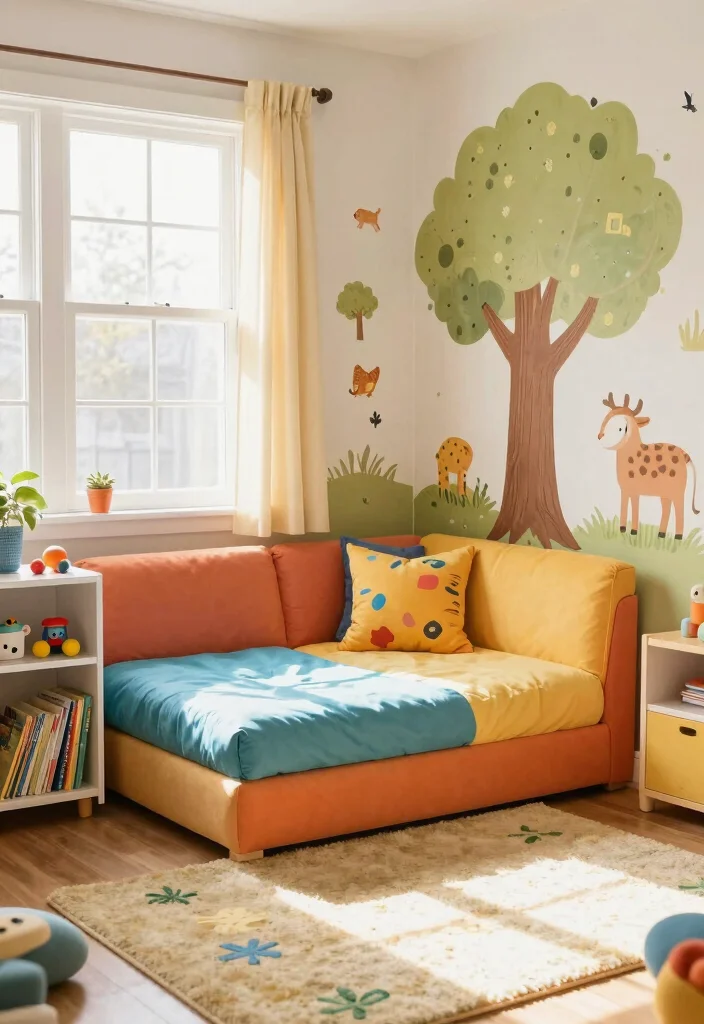
A cozy corner sofa bed is a fantastic way to maximize comfort in a tiny playroom. This piece serves as a soft seating area for playtime and reading during the day, and at night, it effortlessly transforms into a snug sleeping space for little ones. The combination of a cheerful design with practical functionality ensures the room remains both lively and inviting.
For a successful selection, opt for a sofa bed that features durable, easy-to-clean fabrics. Choose vibrant colors or playful patterns that resonate with the room’s theme, enhancing both aesthetics and enjoyment.
Consider these ideas to make the most of your corner sofa bed:
– Pair with a bright area rug to define the space.
– Incorporate soft throw pillows in various shapes for added comfort.
– Use a cozy blanket to invite relaxation during story time.
This versatile piece not only optimizes space but also enriches the playroom’s atmosphere, turning it into a delightful zone for both fun and rest.
Cozy Corner Sofa Bed
Editor’s Choice




Dimensions & Size Guide
When designing a tiny playroom, understanding dimensions is key. You want to make sure everything fits well without feeling cramped. Below, you’ll find a comprehensive guide to help you choose the right sizes for your furniture and storage solutions.
Standard Sizes & Measurements:
1. Cozy Corner Sofa Bed: A standard size for a corner sofa bed is about 80 inches in length and 30 inches in depth. When fully extended, ensure at least an additional 5 feet of space for movement. This multitasking piece serves as seating and a bed for nap time!
2. Under-Table Storage Bins: Look for storage bins that are around 12 inches high and 24 inches long. Anything taller might not fit under most tables, and you’ll want that extra space for legroom!
3. Wall-Mounted Shelves: Most wall-mounted shelves are available in sizes from 24 to 48 inches wide. Make sure to install them at a height that kids can reach, typically about 30 inches from the floor.
4. Multi-Functional Play Tables: Tables that are around 36 inches in diameter or 48 inches in length work well. Ensure you have at least 3 feet of space around the table for movement.
5. Toy Hammocks: A typical toy hammock measures around 60 inches wide. For effective use, you’ll need at least 6 feet of wall space, preferably in a corner, to hang it securely.
Quick Reference Table:
Size/Dimension – Best for: [use case], Minimum space needed: [measurement]
– 80 inches L x 30 inches D – Cozy corner sofa bed, Minimum space needed: 5 feet for full extension
– 12 inches H x 24 inches L – Under-table storage bins, Minimum space needed: 30 inches height clearance
– 24-48 inches W – Wall-mounted shelves, Minimum space needed: 30 inches from floor
– 36 inches D (round) or 48 inches L – Multi-functional play tables, Minimum space needed: 3 feet around
– 60 inches W – Toy hammocks, Minimum space needed: 6 feet of wall space
Space Planning Tips:
1. Measure Twice: Always measure your space and your furniture twice. Ensure you have an accurate idea of dimensions before making a purchase to avoid any surprises!
2. Consider Traffic Flow: Leave at least 2 to 3 feet of space for walking paths. If kids can’t move easily, the playroom might feel cluttered and chaotic.
3. Visualize with Tape: Use painter’s tape on the floor to outline where furniture will go. This gives you a visual reference for how much room everything will need and if it fits.
4. Account for Growth: Kids grow quickly. When planning, allow extra space for future toys and furniture. A bit of extra room will save you hassle later on!
5. Avoid Overstuffing: Don’t cram too many pieces into a small space. Aim for a few key pieces instead of many small items to keep the space feeling open and inviting.
Pro Tip: The most critical measurement to keep in mind is the room size itself. Always ensure your largest piece of furniture, like the sofa bed, fits comfortably without blocking important pathways. This will make your tiny playroom both functional and enjoyable for your little ones! 💡
2. Under-Table Storage Bins
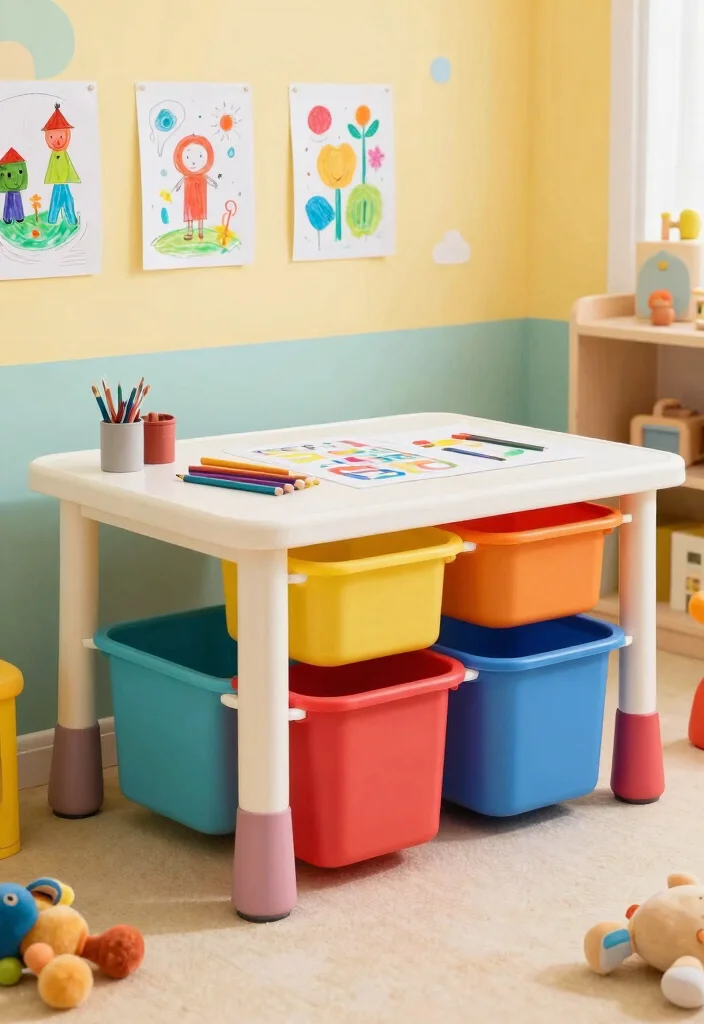
In a tiny playroom, under-table storage bins provide a smart and effective solution for keeping toys organized. These colorful bins slide neatly beneath a small table, offering easy access to toys and art supplies while maintaining a tidy environment. This clever arrangement ensures the play area remains inviting and clutter-free.
To enhance functionality, use clear or labeled bins that help children quickly identify their toys. Incorporating various colors for different types of items not only adds organization but also creates a vibrant visual appeal.
Here are some tips to optimize under-table storage:
– Choose lightweight bins for easy movement by kids.
– Incorporate lids for a cleaner look and to prevent dust.
– Use stackable options to save even more space.
Under-table storage bins make it easy to keep your playroom neat while also encouraging children to participate in tidying up their space.
Under-Table Storage Bins
Editor’s Choice


3. Wall-Mounted Shelves
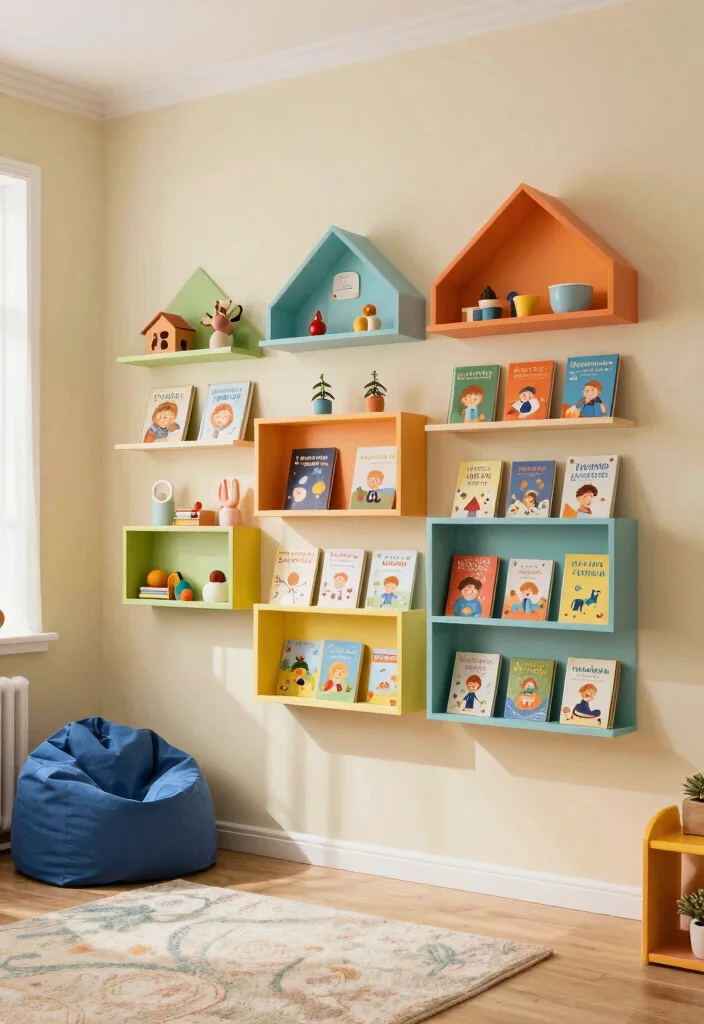
Wall-mounted shelves are an excellent way to utilize vertical space in a tiny playroom. By elevating storage, you create more room on the floor while allowing for a fun display of toys, books, and decorative pieces. Arranging shelves in playful patterns or varying heights adds an exciting dynamic to the overall design.
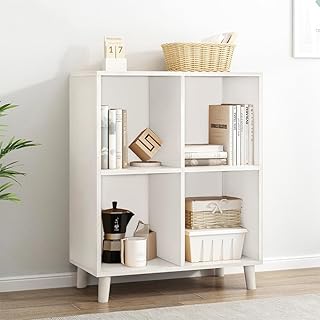
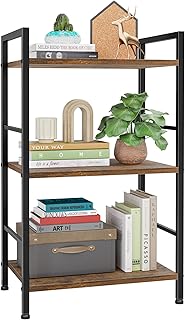
Look for a mix of floating shelves and cubed designs to showcase colorful items that spark joy. This not only keeps the space organized but also turns the walls into an engaging part of the decor.
Consider these strategies for wall-mounted shelves:
– Install shelves at varying heights for visual interest.
– Use colorful bins or baskets to store smaller items.
– Create a themed display that reflects your child’s interests.
Wall-mounted shelves enhance both storage capacity and style, making your tiny playroom more functional and visually appealing.
Wall-Mounted Shelves
Editor’s Choice


4. Multi-Functional Play Tables
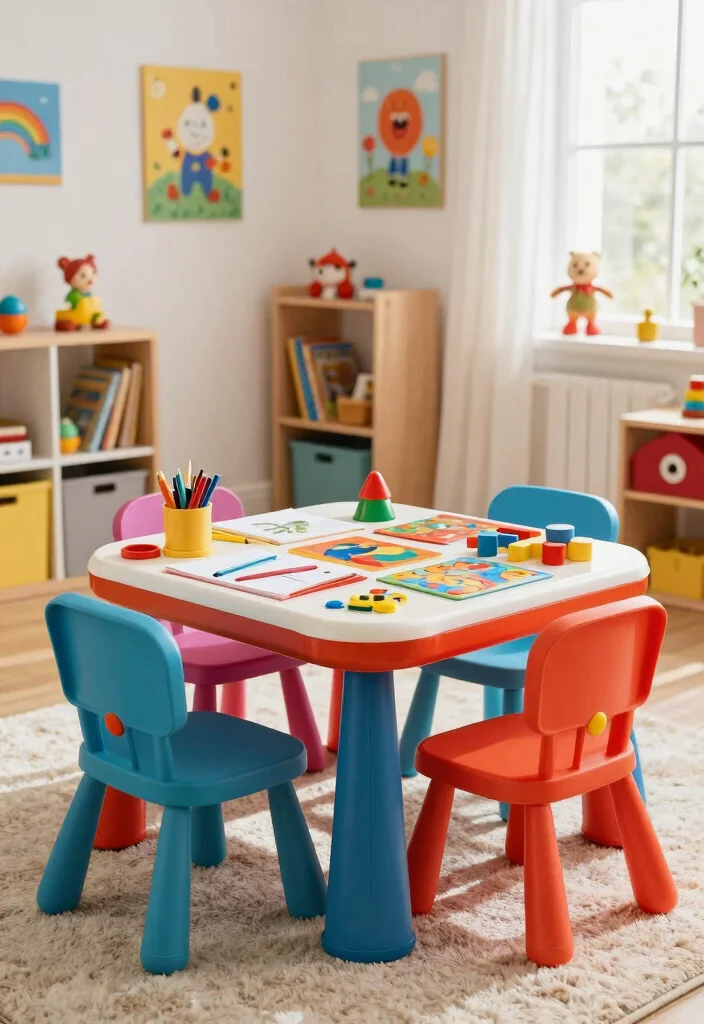
A multi-functional play table is a must-have for maximizing utility in a tiny playroom. These versatile tables often feature detachable pieces or can change functions, serving as a crafting station, puzzle area, or activity hub with built-in storage. This adaptability allows for various types of play while keeping the space organized.
When selecting a play table, prioritize designs that match the room’s aesthetic and can seamlessly transition between activities. Opt for tables with sturdy bases and smooth surfaces to ensure safe and enjoyable playtime.
Here are some ideas to enhance your play table:
– Choose a table with adjustable height to grow with your child.
– Incorporate bright-colored chairs to create a lively setup.
– Add storage compartments for easy access to supplies.
A multi-functional play table becomes a central feature in your tiny playroom, fostering creativity and organization simultaneously.
Did you know a compact multi-functional play table can replace up to five separate pieces? For tiny playroom ideas, a single table with built-in storage frees up about 40% more floor space for crafts and cleanup.
5. Toy Hammocks
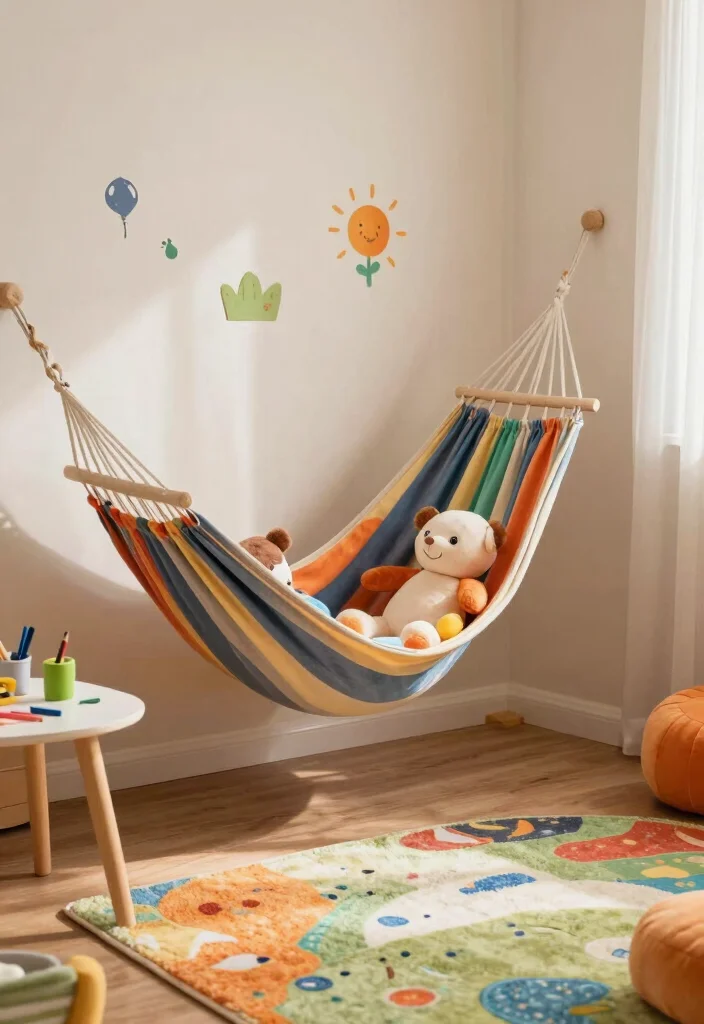
Toy hammocks are a whimsical storage solution that adds charm to a tiny playroom. These hanging nets can be easily tied in a corner, providing a fun way to store plush toys and soft items without occupying valuable floor space. They not only keep toys off the ground but also create a decorative feature that brightens the room.
Select a colorful toy hammock that complements the room’s theme, enhancing both storage and style. This approach also encourages kids to participate in clean-up by placing their toys back in the hammock.
Consider these tips for incorporating toy hammocks:
– Secure hammocks at a kid-friendly height for easy access.
– Use multiple hammocks for different categories of toys.
– Add decorative elements like fairy lights for a playful touch.
Toy hammocks turn clutter into a delightful part of the decor, making organization a fun and engaging process for kids.
❝ Fun fact: a toy hammock can reclaim up to 30% of floor space in a tiny playroom. With tiny playroom ideas, hanging storage keeps plush toys off the ground and adds charm, all in just a few minutes of setup. ❞
6. Foldable Furniture
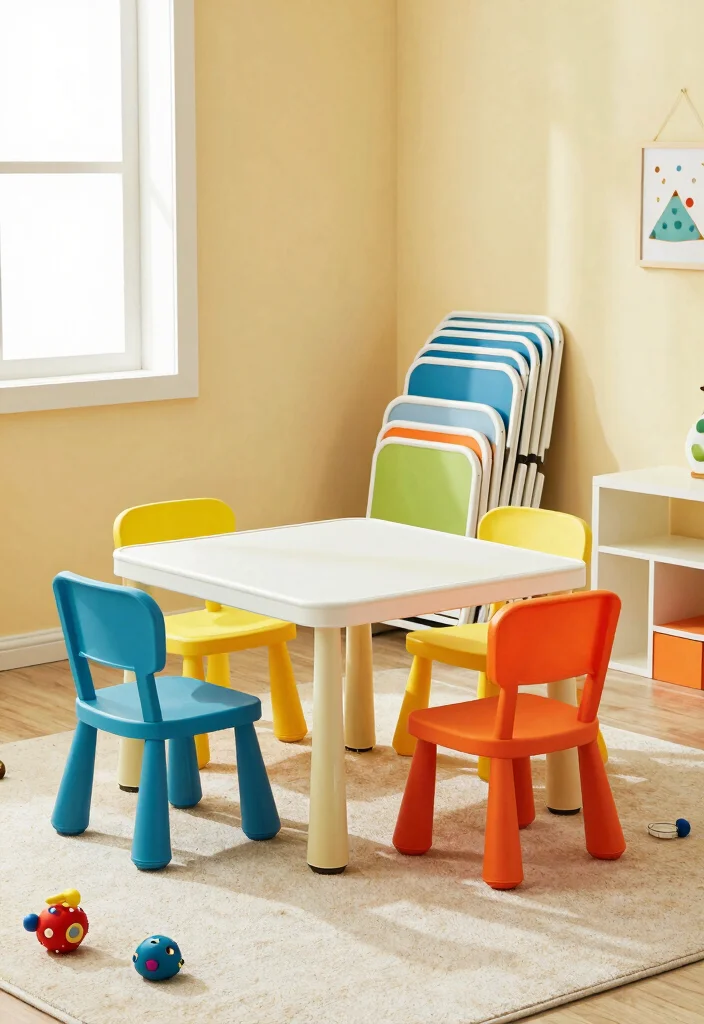
Foldable furniture is an essential feature for small space decorating, especially in playrooms. Items like foldable chairs, tables, and even play mats can be conveniently stored away when not in use, offering flexibility to the room’s layout. This allows parents to quickly adapt the play area for various activities or reclaim space as needed.
Look for lightweight, easy-to-manipulate foldable pieces that children can help set up or put away. Choosing playful designs adds to the room’s aesthetic while ensuring practicality.
Here are some ideas for incorporating foldable furniture:
– Opt for bright colors to keep the atmosphere lively.
– Store foldable items in a dedicated area for easy access.
– Consider multi-functional pieces that serve more than one purpose.
Integrating foldable furniture into your tiny playroom enhances its functionality while maintaining a fun and organized environment.
7. Playful Wall Decals
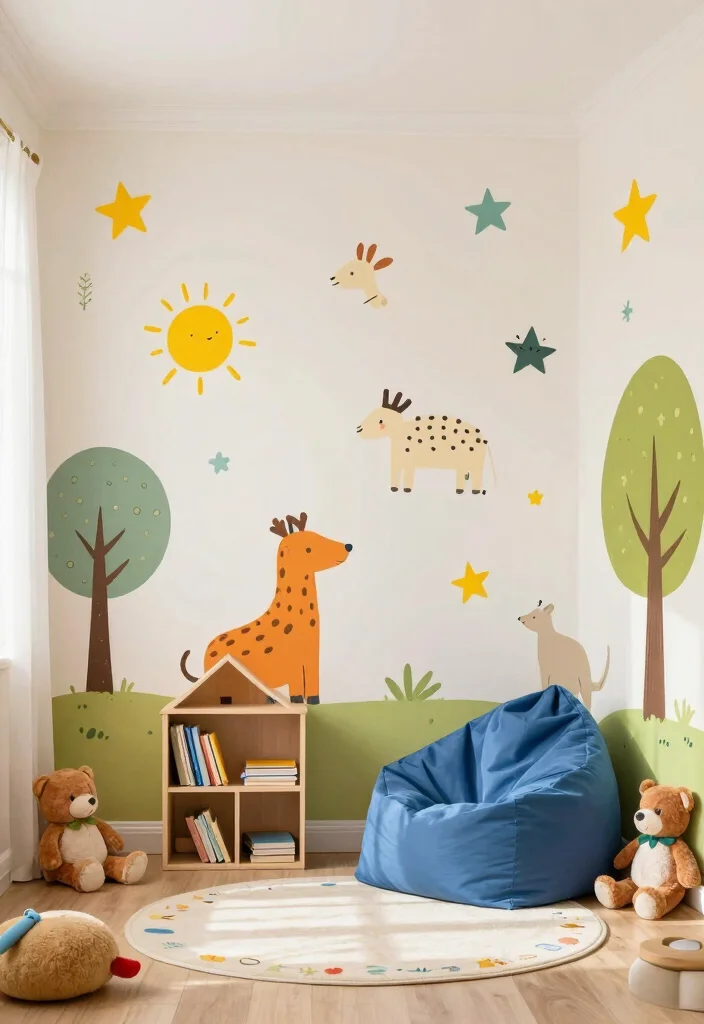
Adding playful wall decals can significantly elevate the atmosphere of a tiny playroom. These removable stickers come in a wide array of designs, from whimsical animals to colorful stars, infusing charm and creativity into the walls. Decals also allow for personalization, enabling kids to express their interests without making permanent changes.
Select decals that align with the room’s theme for a cohesive look, while also encouraging imaginative play. They are easy to apply and can be updated as children’s interests evolve.
Consider these tips for using wall decals:
– Combine decals with a mural for added visual interest.
– Position decals at a lower height for easy visibility and interaction.
– Rotate designs as kids grow or change interests.
Playful wall decals can transform your tiny playroom into an enchanting space full of possibilities for exploration and creativity.
8. Art Display Wall
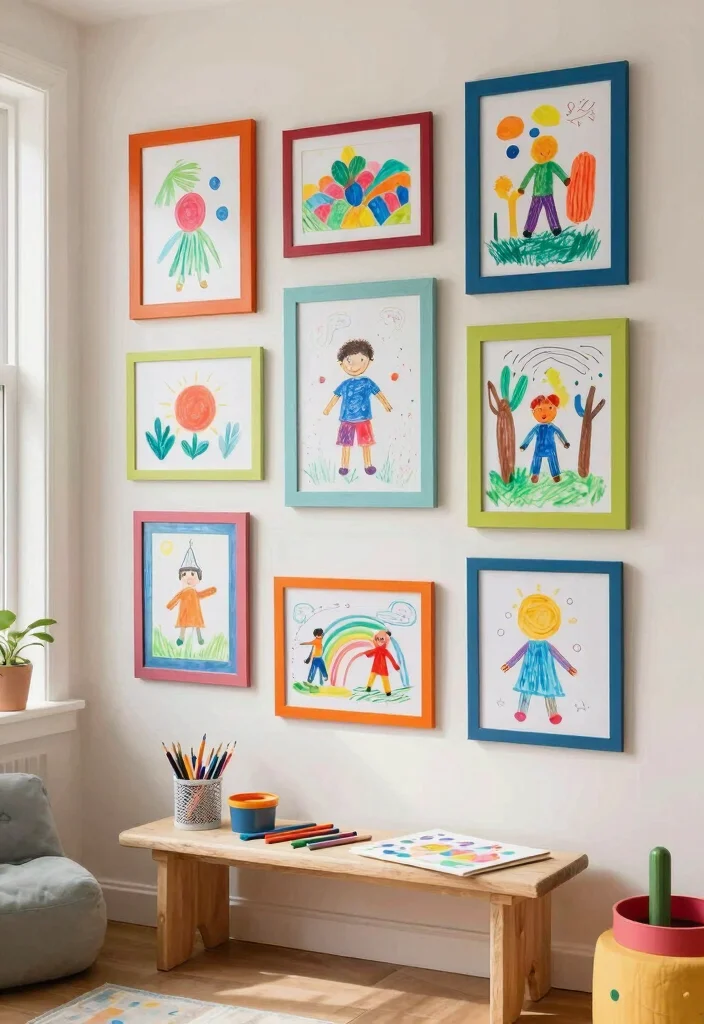
Creating an art display wall in a tiny playroom not only showcases your child’s creativity but also personalizes the decor. Dedicate a section of the wall for displaying their latest masterpieces, fostering pride and artistic expression. Using frames, clipboards, or even a clothesline system allows for easy rotation of artwork.
This idea keeps the playroom visually dynamic and makes your child’s creations part of the room’s charm. Regularly changing the artwork ensures the display remains fresh and engaging.
Here are some ways to set up an art display wall:
– Use various frame styles for an eclectic look.
– Involve kids in selecting what to display, promoting ownership.
– Incorporate a bulletin board for easy swapping of artwork.
An art display wall turns your tiny playroom into an inspiring haven for creativity and self-expression, encouraging kids to explore their artistic talents.
9. Activity Carts
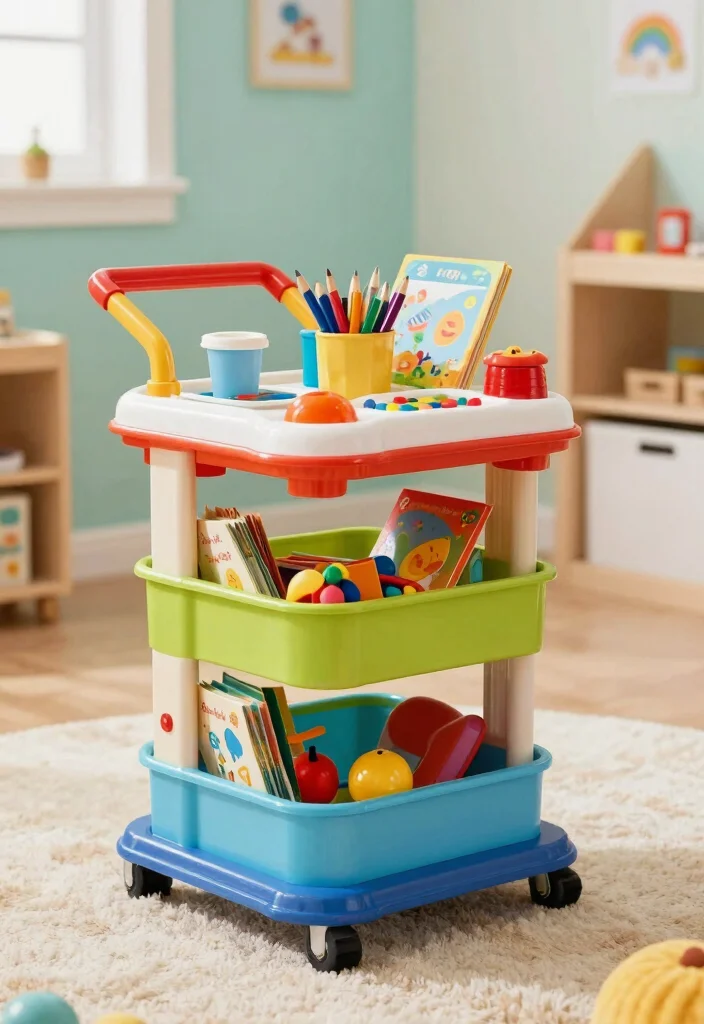
Activity carts are a trendy and practical addition to tiny playrooms. These mobile storage units can hold art supplies, toys, or books, keeping everything organized and within reach. Their rolling design allows for easy movement, making transitions between activities simple and efficient.
Choose a cart with multiple tiers to optimize storage while ensuring items remain visible and accessible. Adding colorful bins or containers can also infuse fun into the decor.
Consider these ideas when using activity carts:
– Label bins to help children learn organizational skills.
– Personalize the cart with stickers reflecting your child’s interests.
– Use the cart as a portable play station for added versatility.
Activity carts bring both functionality and flair to your tiny playroom, promoting creativity while keeping everything organized.
10. Interactive Floor Puzzle
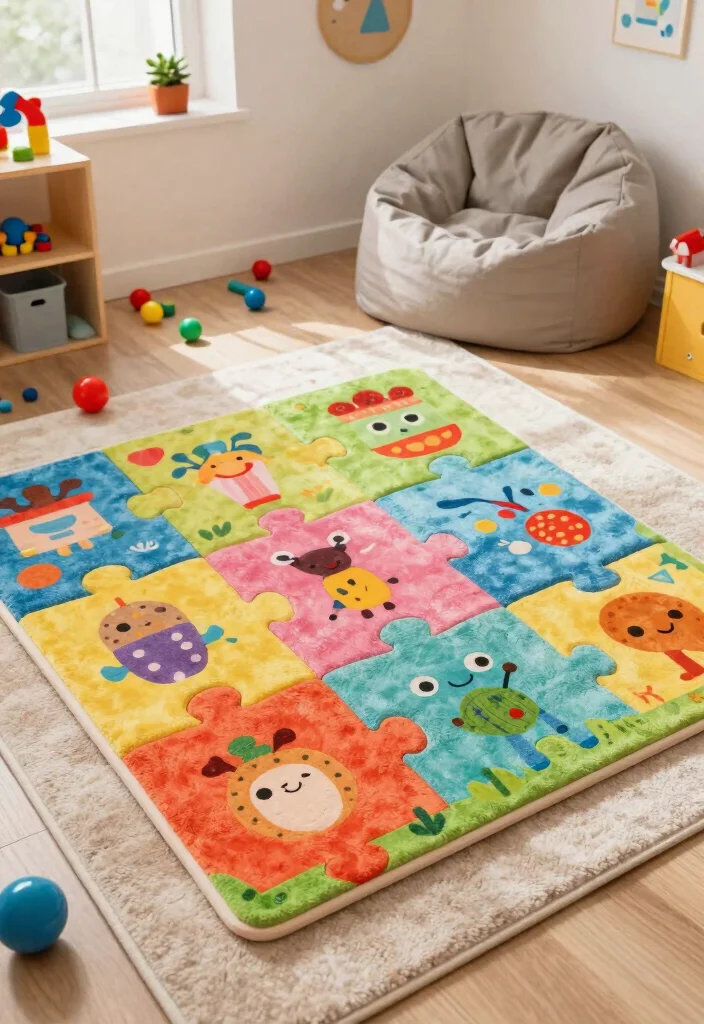
An interactive floor puzzle serves as both a playful activity and a vibrant decorative element in a tiny playroom. These large, colorful puzzles encourage problem-solving skills while providing a soft play area. Select puzzles that are age-appropriate and feature themes that resonate with your child for maximum engagement.
When not in use, the puzzle pieces can be easily stacked or stored in a dedicated bin, ensuring the room remains tidy. The engaging visuals of the puzzle create a lively backdrop for the playroom, sparking creativity in a fun way.
Consider these tips for choosing an interactive floor puzzle:
– Look for durable materials that withstand frequent use.
– Incorporate a comfy play mat for added comfort during play.
– Choose puzzles with varying difficulty levels to grow with your child.
Interactive floor puzzles add both function and fun to your tiny playroom, creating a delightful space for kids to learn and play.
Tiny playroom ideas: Make an interactive floor puzzle a star player. It’s a colorful, growing activity that doubles as a soft rug and decorative element. When the puzzle isn’t in use, stack the pieces neatly in a labeled bin to keep the space tidy and ready for the next challenge.
11. Reading Nook with Storage
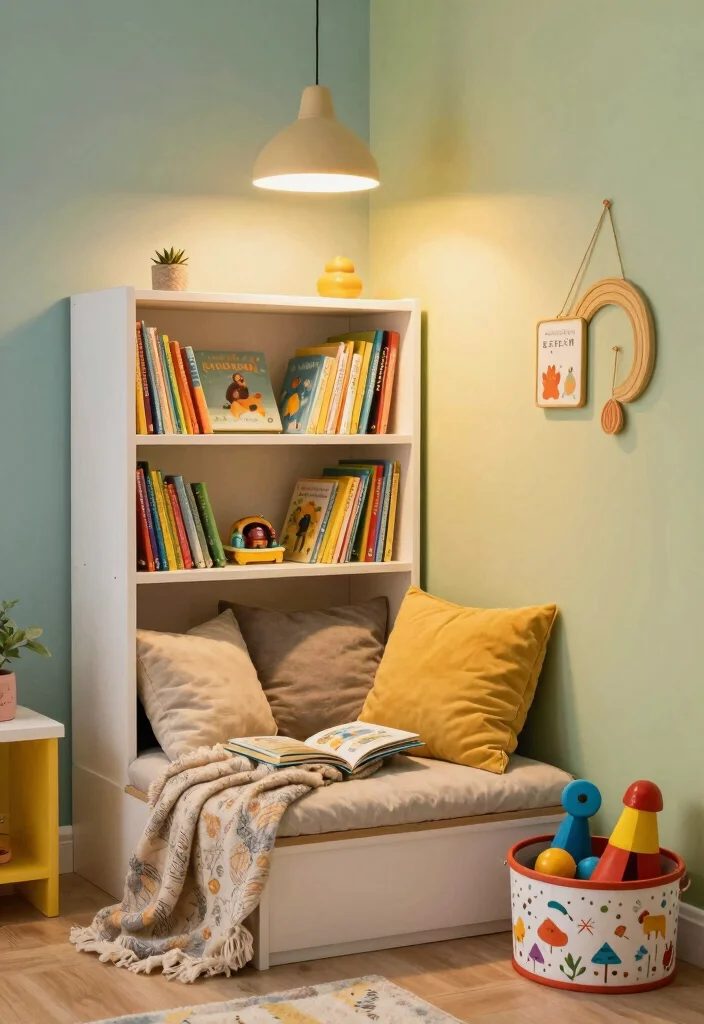
Creating a reading nook in a tiny playroom is a wonderful way to foster a love for books. This cozy corner can feature a small bookshelf, soft cushions, and gentle lighting, making it a perfect retreat for story time or quiet play. Including storage solutions like built-in shelves or decorative bins helps keep everything organized while adding to the nook’s charm.
Select compact yet comfy seating that doesn’t overwhelm the space. Choose vibrant colors or fun themes to attract children’s attention and make reading inviting.
Here are some suggestions for your reading nook:
– Add a soft throw blanket and pillows for extra comfort.
– Use labels on storage bins for easy access to books and materials.
– Incorporate a small table for snacks or crafts.
A reading nook with storage elevates your tiny playroom’s functionality and ambiance, promoting literacy and creativity.
Reading Nook with Storage
Editor’s Choice


12. Creative Toy Labeling
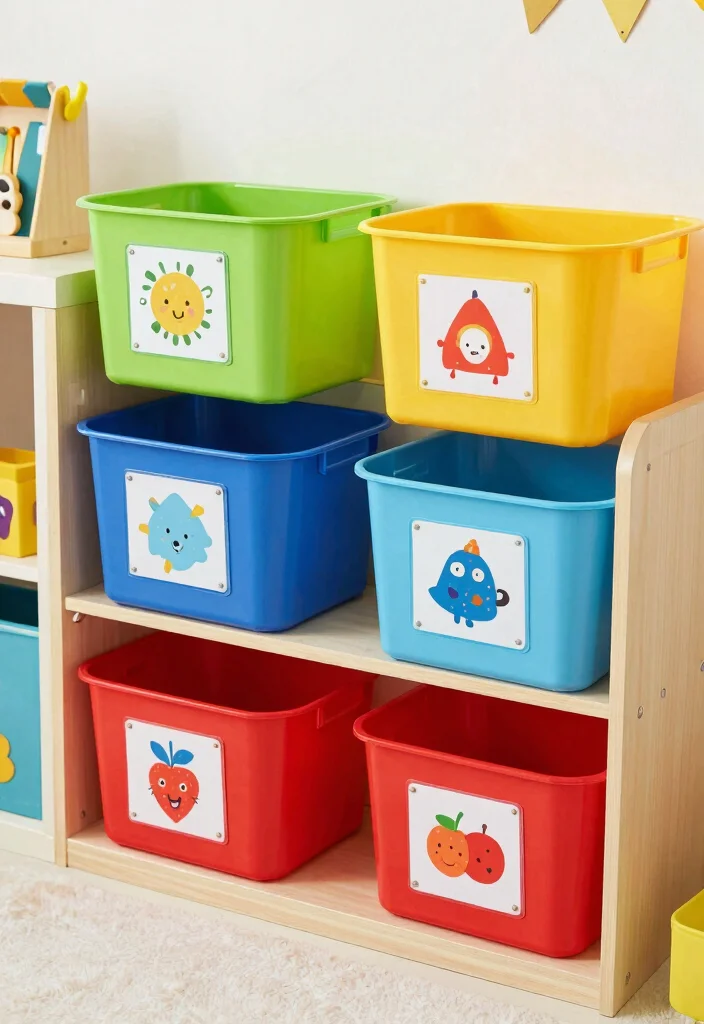
Effective organization in a tiny playroom greatly benefits from creative toy labeling. Bright, fun labels for bins, boxes, or shelves not only help children learn the names of their toys but also encourage them to take part in organizing their space. This initiative can turn clean-up time into a fun, game-like activity.
Choose bold colors and playful fonts for labels, ensuring they align with the room’s aesthetic and engage kids. Incorporating drawings or pictures alongside text can assist younger children in identifying their toys.
Consider these tips for effective toy labeling:
– Regularly update labels to reflect any changes in toy categories.
– Involve children in the labeling process, allowing them to personalize their space.
– Use waterproof materials for durability in play areas.
Creative toy labeling not only tidies up your tiny playroom but also adds an educational aspect to children’s playtime.
13. Customized Play Mats
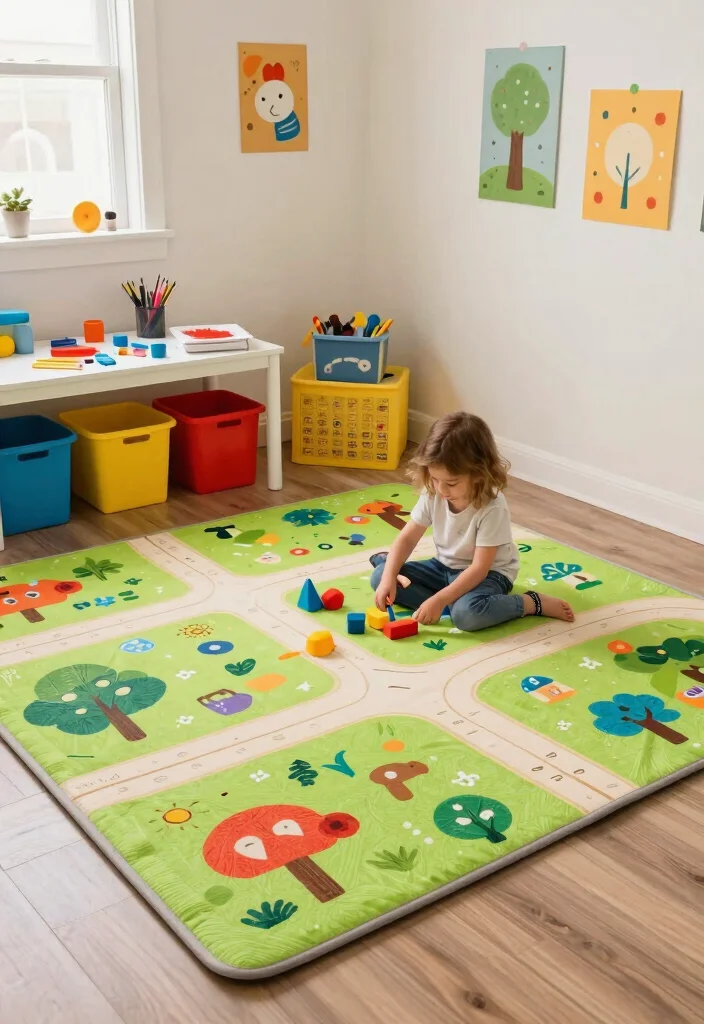
Customized play mats introduce a unique element to your tiny playroom while ensuring a safe area for play. These mats can be tailored to fit the room’s theme and color scheme, featuring fun designs that spark imagination, such as roads for toy cars or parks for figurines.
A soft, cushioned play mat provides a comfortable space for sitting and playing, making it ideal for activities requiring plenty of floor time. With many options available, you can find mats that are washable, durable, and safe for children.
Here are some ideas for choosing customized play mats:
– Consider a reversible mat for added versatility.
– Opt for non-toxic materials to ensure safety and peace of mind.
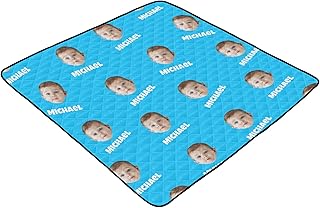
– Personalize with your child’s name or favorite characters.
Customized play mats enhance both safety and fun in your tiny playroom, creating a stimulating environment for kids to learn and explore.
Customized Play Mats
Editor’s Choice


14. Themed Decor Elements
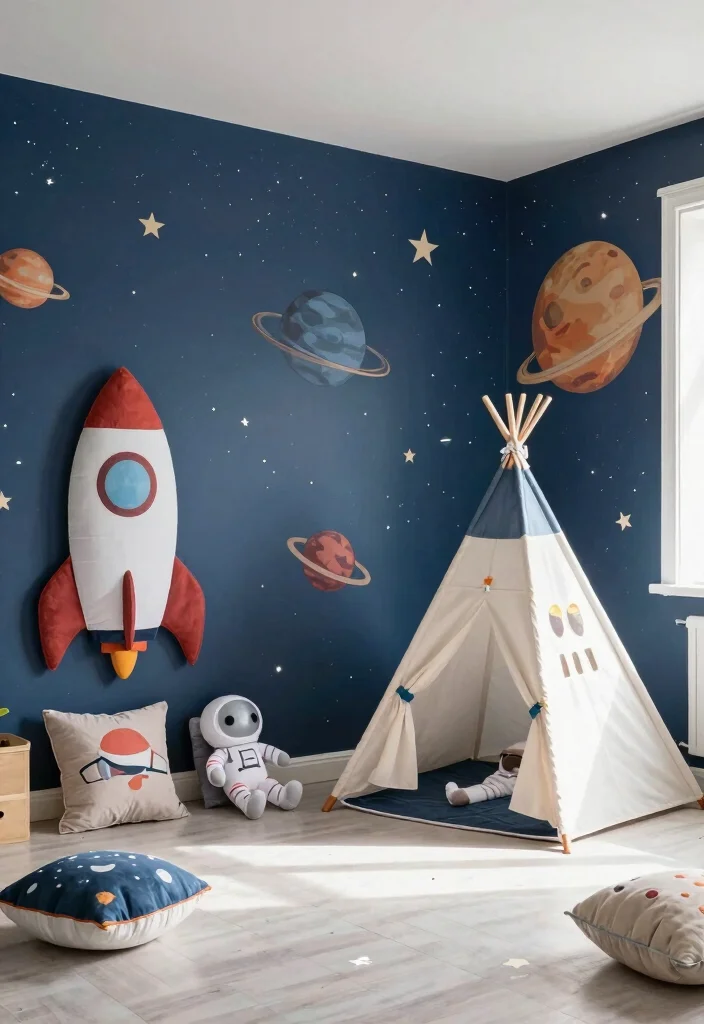
Incorporating themed decor elements can truly bring a tiny playroom to life. Whether it’s an outer space, jungle, or undersea theme, these unique touches inspire creativity and imaginative play. From themed wall art to matching cushions, including various decor items that align with the chosen theme creates a cohesive and immersive environment.
Select decor that reflects your child’s interests, making the playroom feel personal and inviting. Rotating themes occasionally can keep the space fresh and exciting for children.
Consider these tips for themed decor:
– Use DIY projects to involve kids in the creation process.
– Collaborate with your child on theme selection, promoting ownership.
– Incorporate flexible decor items that can adapt to different themes.
Themed decor elements spark creativity and fun in your tiny playroom, resulting in a whimsical space that your kids will adore!
Conclusion
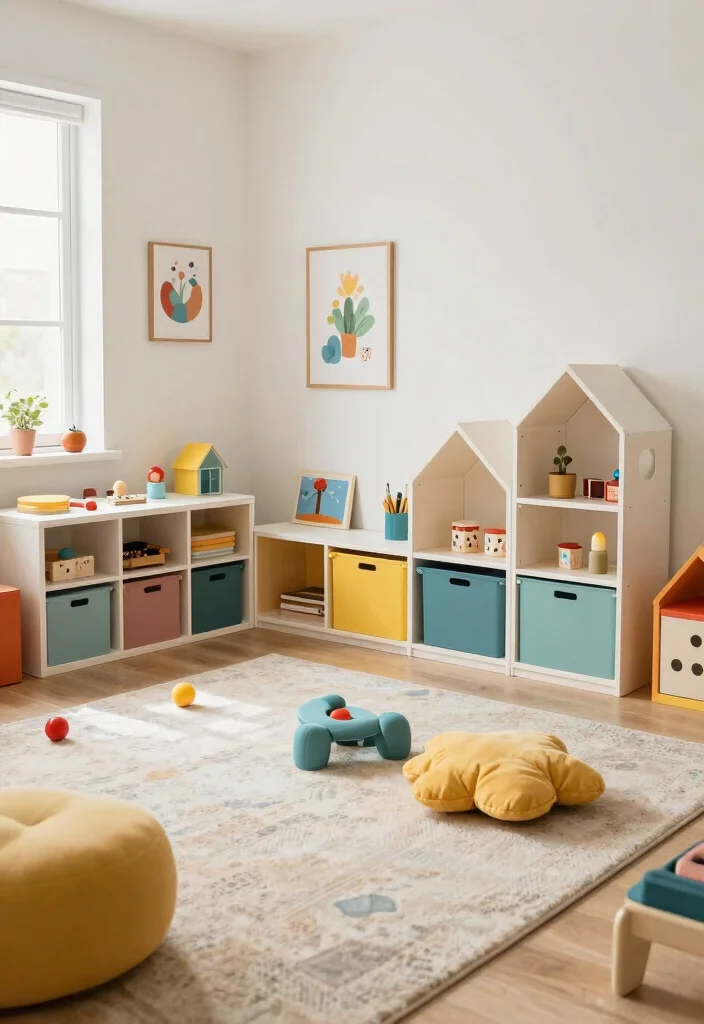
Designing a tiny playroom doesn’t have to be a daunting challenge. With these 14 tiny playroom ideas, you can create a vibrant and functional space that encourages creativity and joy. Embracing multifunctional furniture and smart storage solutions allows every inch to be utilized effectively, ensuring your little ones have a space that nurtures their imagination.
A playroom is a child’s haven to explore, learn, and play, and with the right elements, you can make it a delightful environment. Don’t hesitate to mix and match these ideas to create a space that resonates with your family’s style and needs.
Note: We aim to provide accurate product links, but some may occasionally expire or become unavailable. If this happens, please search directly on Amazon for the product or a suitable alternative.
This post contains Amazon affiliate links, meaning we may earn a small commission if you purchase through our links, at no extra cost to you.
Frequently Asked Questions
What are practical tiny playroom ideas to maximize every inch of a small space?
Discover practical tiny playroom ideas to squeeze more function from every corner. Start with small space decorating basics like a neutral base with pops of color, and design zones for play, learning, and imaginative play.
Next, choose multifunctional furniture like storage benches, modular seating, and wall-mounted shelves to keep toys off the floor. Use vertical space for creative storage solutions—pegboards, hanging bins, and wall pockets.
Finally, add a few playful design elements like removable decals, chalkboard walls, and a compact art desk to keep things engaging without crowding.
How can multifunctional furniture help organize a kids’ playroom in a small space?
In a tiny playroom, multifunctional furniture is your best friend. Look for pieces that store toys and also serve a daily function, like a storage ottoman that doubles as seating or a coffee table with hidden bins.
Consider a loft bed with a built-in desk or shelves to free floor area for play. Wall-mounted units can hold books, Lego trays, and art supplies without stealing square footage.
Choose pieces with clear labeling and accessible storage to encourage kids to tidy up. This creative storage solutions mindset keeps the space organized and inviting.
What budget-friendly tips work for small space decorating and playful design elements in a tiny playroom?
You don’t need a big budget to nail small space decorating. Start with a cohesive color palette and keep large pieces neutral to make the room feel larger.
Repurpose and upgrade: use thrifted storage bins, add inexpensive wall decals, and paint an accent wall or chalkboard area for playful design elements.
Maximize space with smart storage: baskets under the bench, labeled bins, and a compact activity table that folds away when not in use. This approach delivers big impact without clutter.
What are the best creative storage solutions to keep a tiny playroom tidy without sacrificing fun?
Prioritize closed storage to hide mess, plus accessible open bins for frequently played-with items. Use a mix of tall shelves and low cabinets to keep everything within reach for kids.
Use vertical organizers, wall pockets, and pegboards to store art supplies, puzzles, and small toys. Label units so kids can return items to their home base.
Rotate toys every few weeks to keep the collection fresh while reducing clutter. Pair storage with a simple routine to maintain order.
How can you maintain kids room organization as children grow and their toy collection changes?
Build in flexibility with adjustable shelving and modular furniture that can adapt as needs evolve. Choose pieces that can transition from toddler toys to later activities.
Create zones that can be repurposed—reading corner, art nook, and a play zone. Encourage kids to participate in organizing and donate items they’ve outgrown.
Keep a periodic review routine, rotate decor and toys, and celebrate progress. This thoughtful approach supports long-term kids room organization without becoming a rigid chore.