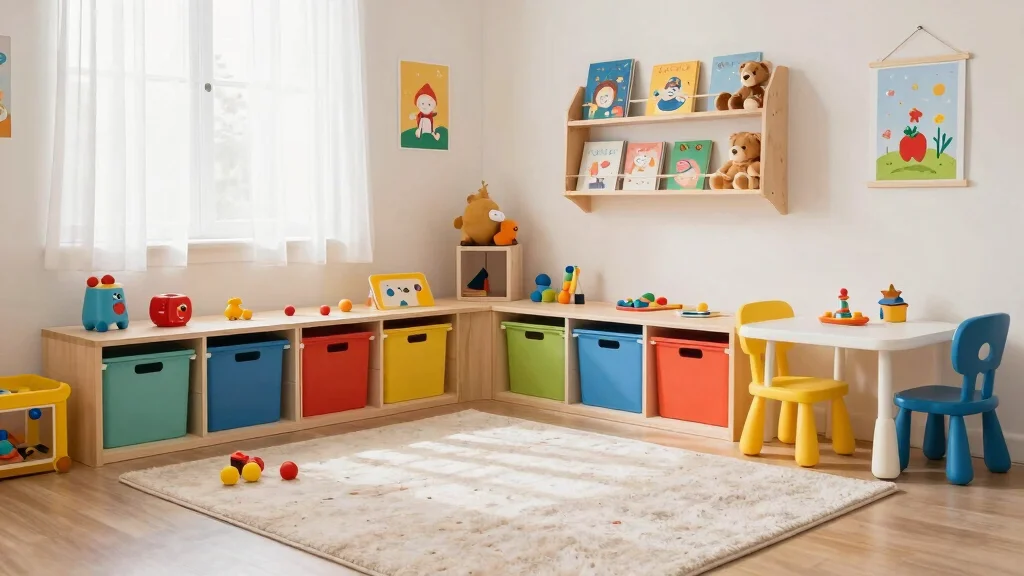
Creating a safe and fun playroom for your toddler in a small space can feel like a daunting task. But don’t worry! I crafted this guide because I know how challenging it can be to find room for play in tight quarters. If you’re a parent navigating the delicate balance of keeping your little one engaged while ensuring their safety, this post is for you.
In this article, you’ll discover 15 clever toddler playroom ideas that maximize your small space without sacrificing safety. You’ll find inspiration to create cozy corners, multifunctional furniture solutions, and creative storage options that keep toys organized and accessible. Each idea is designed to help you transform your limited area into a vibrant play haven where your child can thrive.
With these practical tips, you can turn even the tiniest nook into an engaging play space that encourages exploration and creativity. Let’s jump in and explore how you can create a safe, fun-filled environment for your toddler, no matter how small your home may be!
Key Takeaways
– Explore multifunctional furniture options that serve dual purposes, such as storage benches or tables with hidden compartments.
– Create safe play zones using soft mats and cushiony elements to prevent injuries during playtime.
– Incorporate wall-mounted storage solutions to free up floor space while keeping toys organized and within reach.
– Designate a cozy reading nook that fosters quiet time and encourages a love for books in your child.
– Use creative themes and decor to make the space visually stimulating and engaging without overwhelming your small area.
1. Corner Nook Play Area
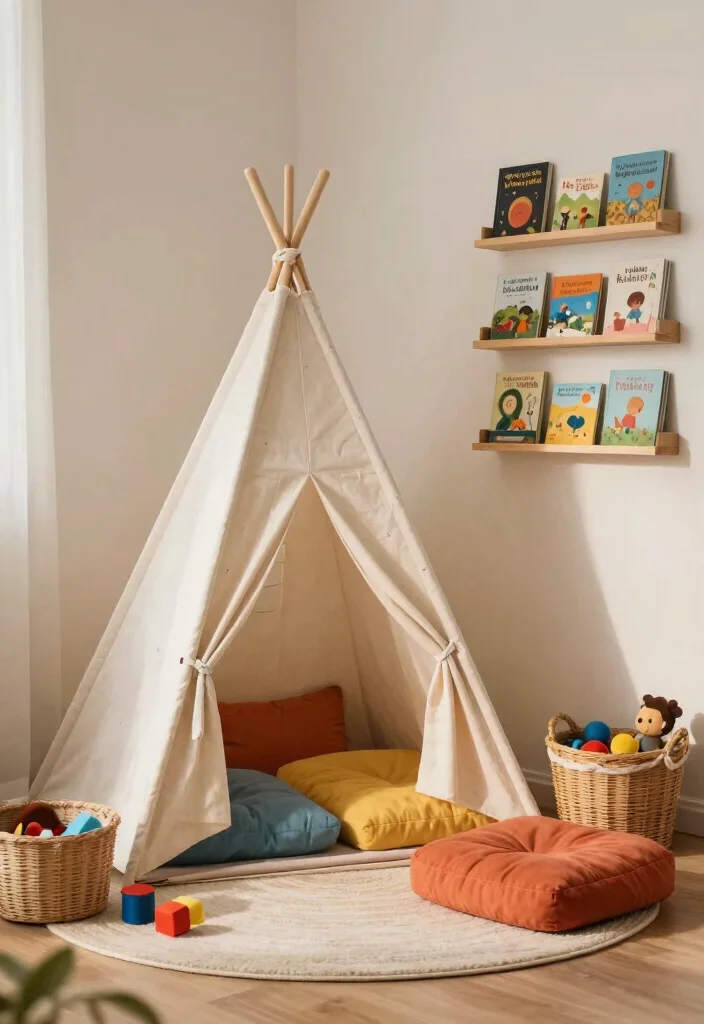
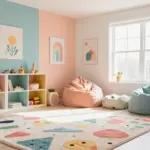
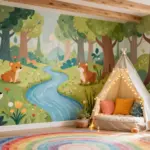
Creating a cozy corner nook in your living room or bedroom can be a delightful way to establish a safe play area for your toddler. This design principle works beautifully as it transforms an often-underutilized space into an inviting retreat filled with creativity and comfort. Pairing floor cushions with a soft rug creates a warm environment, and adding a hanging fabric tent introduces an exciting element of adventure that little ones adore.
To make the most of your nook, opt for lightweight, washable materials that can withstand toddler playtime. This setup is not only efficient for small spaces but also allows parents to keep an eye on their little ones while they play.
Consider these elements to maximize this nook’s potential:
– Pair floor cushions with a small, colorful rug
– Install a hanging fabric tent for imaginative play
– Use decorative baskets for toy storage nearby
This cozy nook enhances your home’s aesthetic while providing a dedicated space for your child to explore and create, all while keeping the area organized and neat.
Corner Nook Play Area
Editor’s Choice




2. Multi-functional Furniture
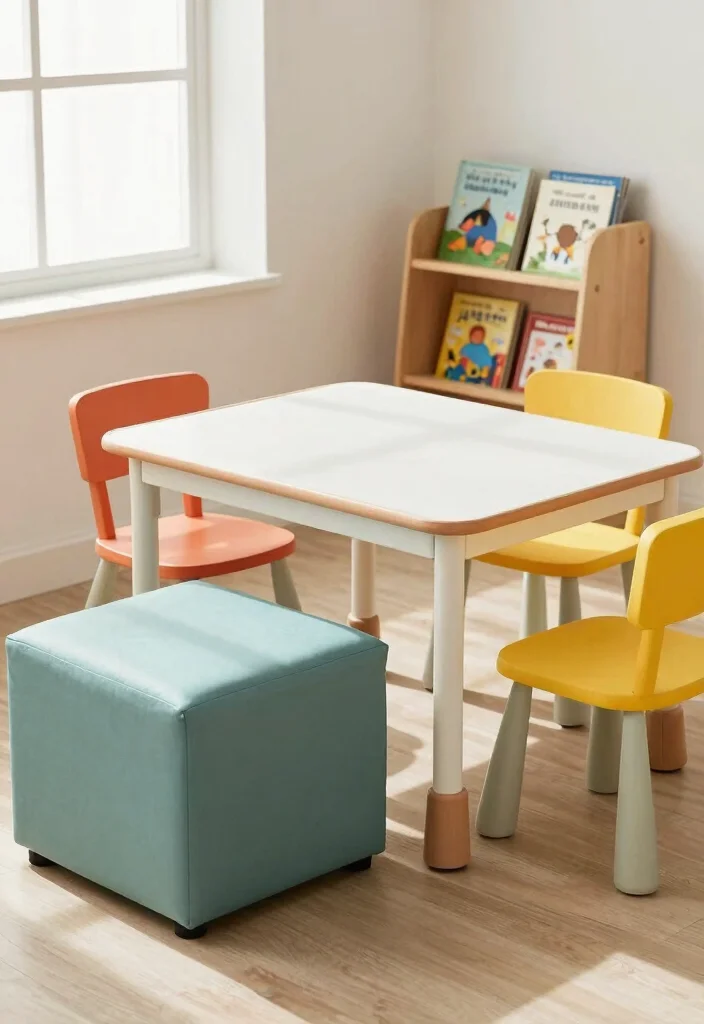
In a compact space, embracing multi-functional furniture can be a game-changer for your playroom. These versatile pieces, like an ottoman that doubles as storage or a toy box bench, help you maximize functionality while minimizing clutter. Not only do they save space, but they also encourage tidiness, making it easier for your toddler to learn about organization.
Look for foldable tables and chairs that can be tucked away when not in use, creating room for other activities. Opting for kid-friendly, non-toxic materials ensures safety while maintaining aesthetic appeal, aligning with the latest trends in playful yet practical design.
Consider these suggestions:
– Use an ottoman that opens for hidden toy storage
– Incorporate a bench with a toy box feature
– Choose foldable tables for easy storage
This approach not only maintains a clean space but also fosters a functional play area where your child can thrive and explore.
Multi-functional Furniture
Editor’s Choice


3. Wall-Mounted Storage Solutions
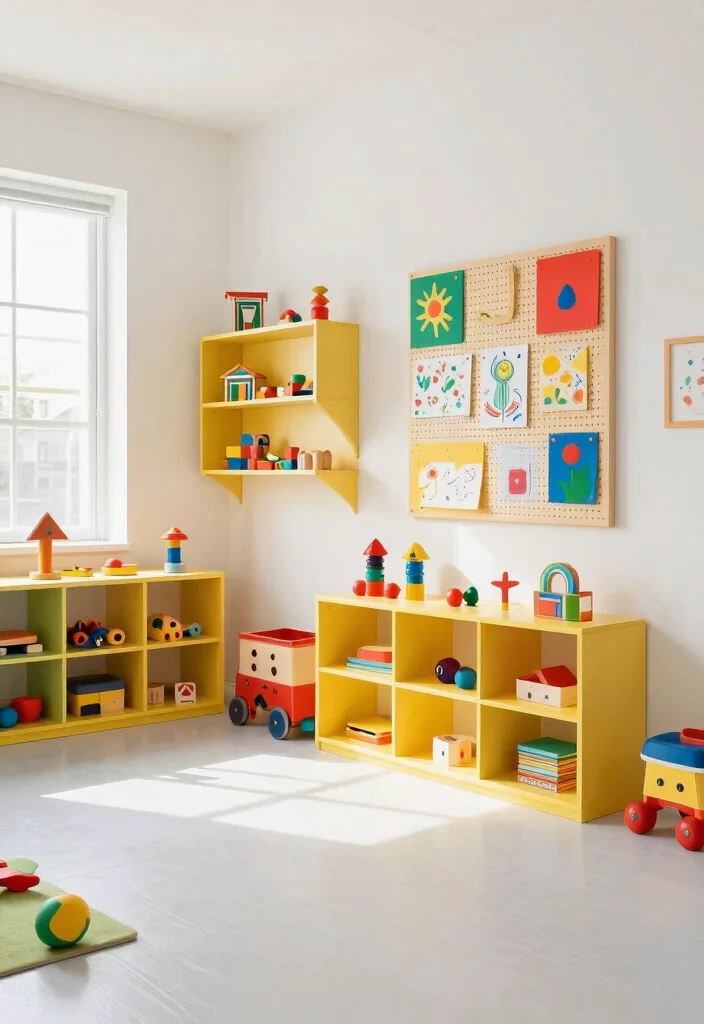
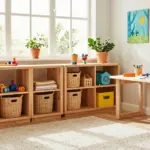
Maximizing vertical space with wall-mounted storage solutions can transform your playroom into an organized haven. Shelves and hooks allow you to display toys, books, and art supplies while keeping them accessible to your toddler. This design tactic not only keeps the floor clear but also promotes independence, as children can reach their favorite items.
Adding a splash of color or fun patterns to your shelves can spark creativity and make the space visually engaging. A pegboard is a wonderful addition, allowing for easy rotation of artwork or toys, enhancing the playroom’s dynamism.
Keep in mind these key points:
– Install shelves at toddler height for easy access
– Use clear bins or labels to aid organization
– Ensure all shelving is securely mounted for safety
By utilizing wall space effectively, you create a clutter-free environment that encourages exploration while ensuring safety.
Wall-Mounted Storage Solutions
Editor’s Choice


4. Themed Play Zones
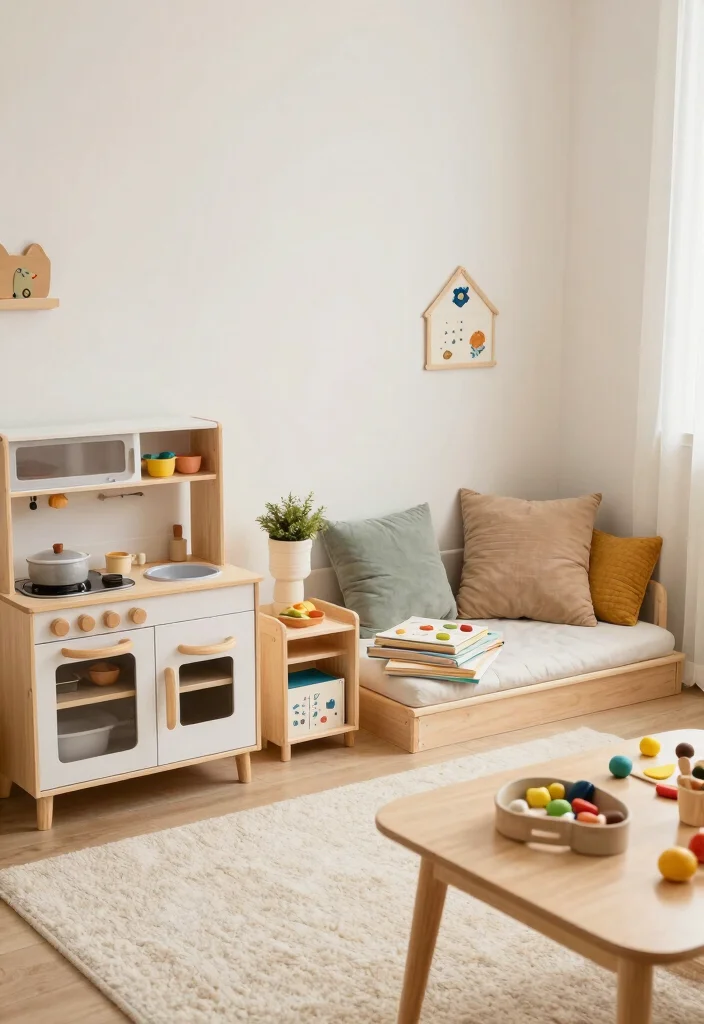
Creating themed play zones in your small space can ignite your toddler’s imagination like never before. By defining areas for different activities—a mini kitchen, reading nook, or craft corner—you help your child transition seamlessly between various forms of play. Using rugs or partitions to delineate these spaces adds clarity and excitement to their environment.
Decorate each zone to align with its theme, making them visually appealing and engaging. For instance, a soft rug could mark the reading area, while bright mats signal the craft zone, enhancing the overall play experience.
Consider these suggestions:
– Use wall decals to enrich each zone’s theme
– Rotate themes regularly for fresh experiences
– Ensure all decor is safely secured and child-friendly
These dedicated zones not only provide structure but also inspire creativity, ensuring your child enjoys a safe and stimulating playtime.
Themed play zones turn small spaces into big adventures. Define mini kitchens, reading nooks, and craft corners with rugs and simple dividers—it’s toddler playroom ideas small spaces that actually spark imagination and keep everything organized.
Themed Play Zones
Editor’s Choice


5. Soft Play Equipment
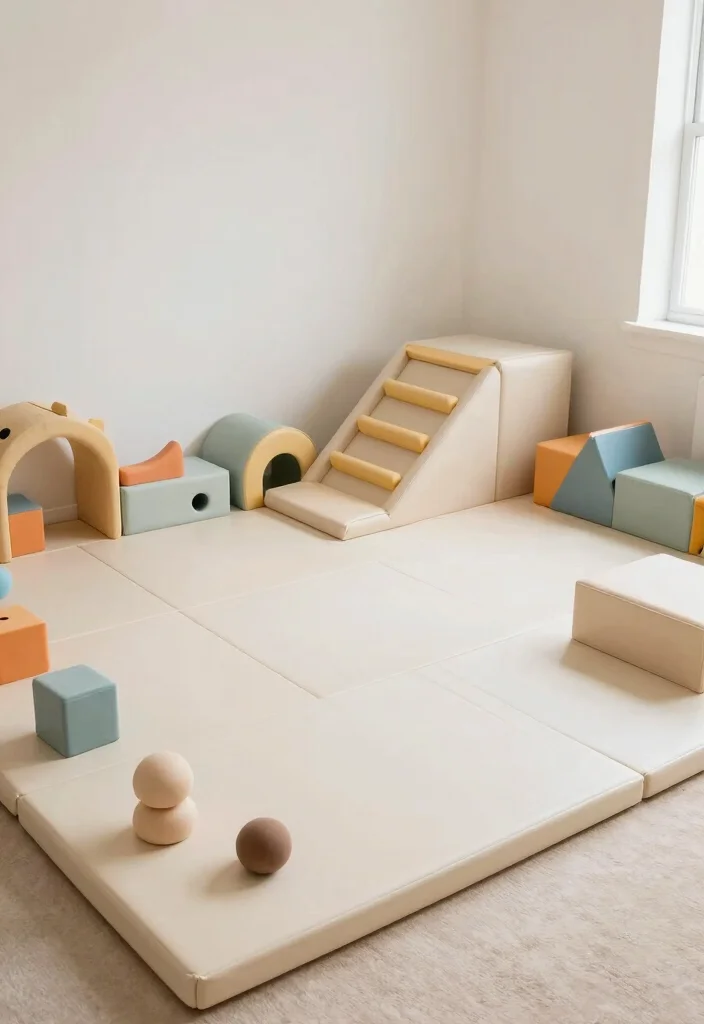
Incorporating soft play equipment is a brilliant way to ensure your toddler’s safety while promoting active play. Items such as soft blocks, foam mats, and plush climbing toys encourage physical development without the risk of injury. Lightweight options allow for easy rearrangement, so you can adapt the space as your child’s play evolves.
Soft play not only enhances motor skills but also fits seamlessly into any corner of your playroom. Be sure all pieces are made from non-toxic materials that are washable for easy cleaning, ensuring a safe play environment.
Keep these points in mind:
– Create a small obstacle course for added excitement
– Use foam mats for a cushioned area
– Inspect equipment regularly for wear and tear
This approach not only encourages physical activity but also creates a fun, safe space for your little one to explore and grow.
6. Cozy Reading Nook
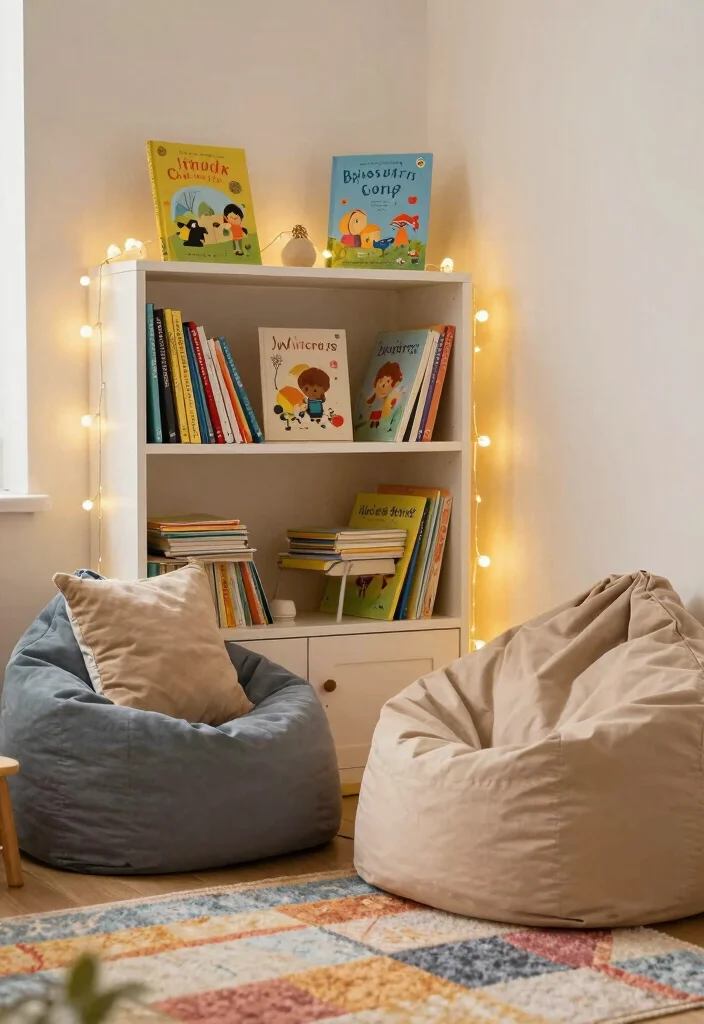
A cozy reading nook is a must-have in any toddler playroom, serving as a nurturing space for quiet time and fostering a love for books. Set up a small shelf filled with age-appropriate books at your child’s eye level, along with comfortable seating like plush cushions or a small bean bag. This inviting area encourages your toddler to dive into stories and engage with their imagination.
Adding a soft rug enhances comfort, while a small lamp or string lights provide a warm, inviting glow. Incorporate book-themed decor to make this nook feel magical and special.
Consider these ideas:
– Include interactive books to capture attention
– Rotate books regularly to keep reading fresh
– Ensure all materials are child-safe and easy to clean
This cozy nook not only enhances your playroom’s aesthetic but also promotes literacy and a love for reading from a young age.
7. Art and Craft Station
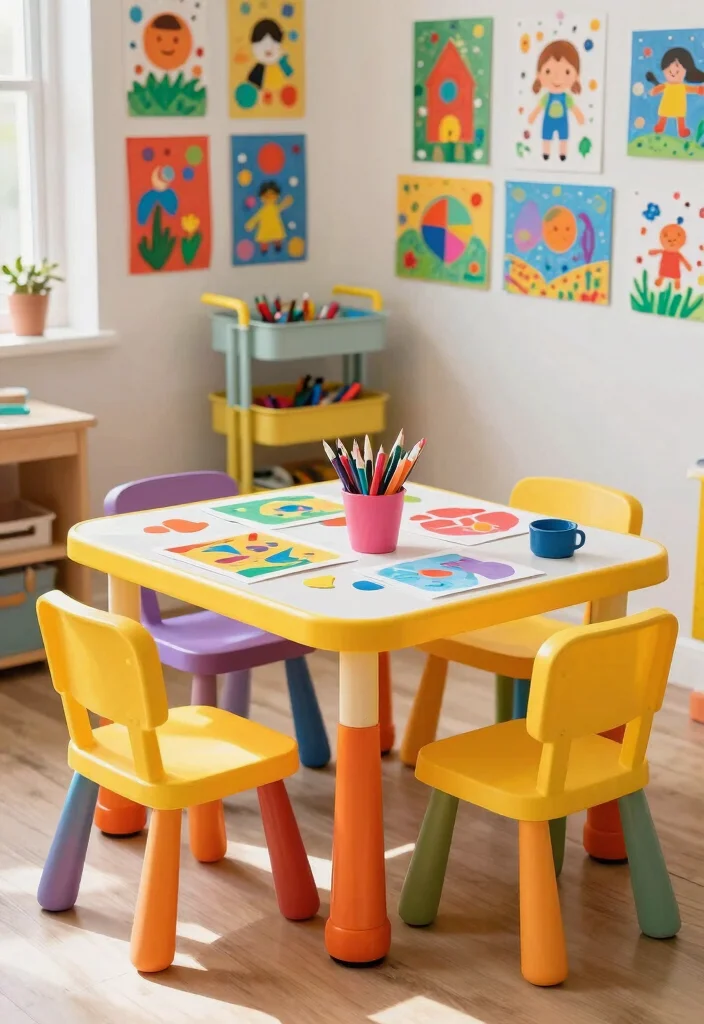
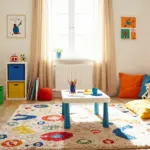
Establishing an art and craft station can be a fantastic way to spark creativity in your little one. Dedicate a small table with chairs where your toddler can freely express themselves through painting, coloring, or crafting. Using a rolling cart for art supplies keeps everything organized yet easily accessible, allowing for spontaneous creativity.
Ensure that all materials are non-toxic and easy to clean, such as washable markers and paints. Hanging their artwork on a wall adds a personal touch, showcasing their artistic journey and providing a sense of accomplishment.
Keep these benefits in mind:
– Promote creativity and fine motor skills through art
– Use aprons to protect clothing during projects
– Supervise crafting sessions to ensure safety
This dedicated space not only encourages artistic expression but also fosters a safe and engaging environment for your child to explore their creativity.
8. Indoor Sensory Play Area
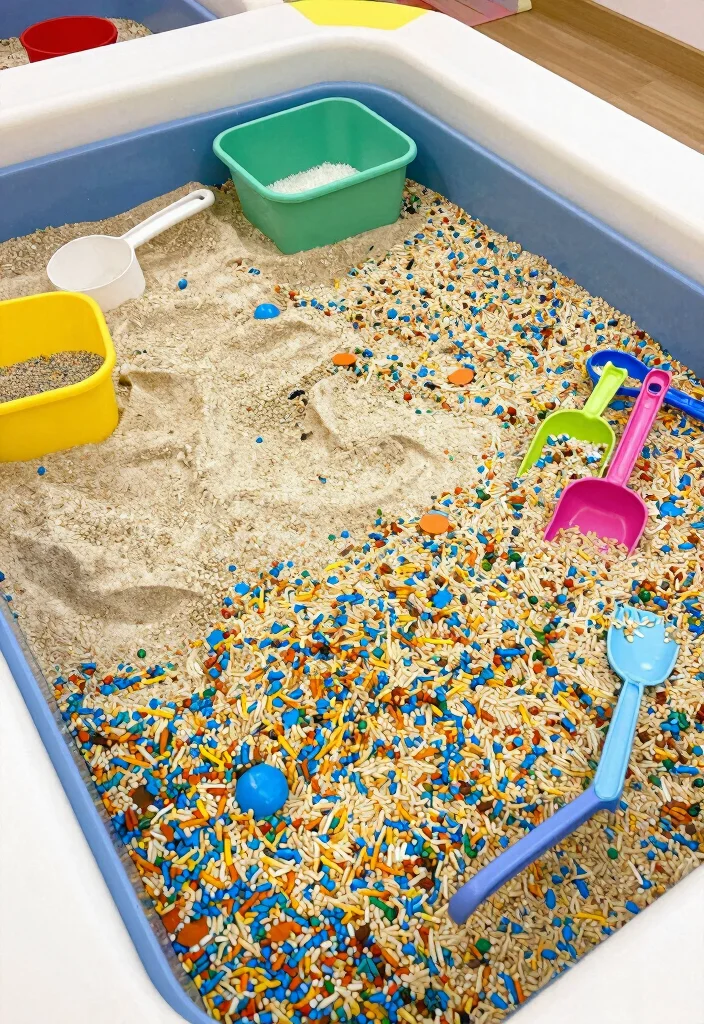
Creating an indoor sensory play area is an exciting way for toddlers to explore different textures and materials. Fill bins with safe items like sand, rice, or water beads, ensuring everything is contained for easier cleanup. Sensory play is vital for development, allowing toddlers to learn through hands-on experiences that stimulate their senses.
Adding scoops, cups, and spoons will enhance the play experience, encouraging creativity and exploration. Ensure that all materials are non-toxic and age-appropriate, making it safe for your child to enjoy.
Consider these suggestions:
– Change materials seasonally to keep it engaging
– Use sensory play to calm anxious toddlers
– Always supervise during sensory activities for safety
This sensory area not only provides endless fun but also supports critical developmental skills in a safe environment.
9. Minimalist Playroom Design
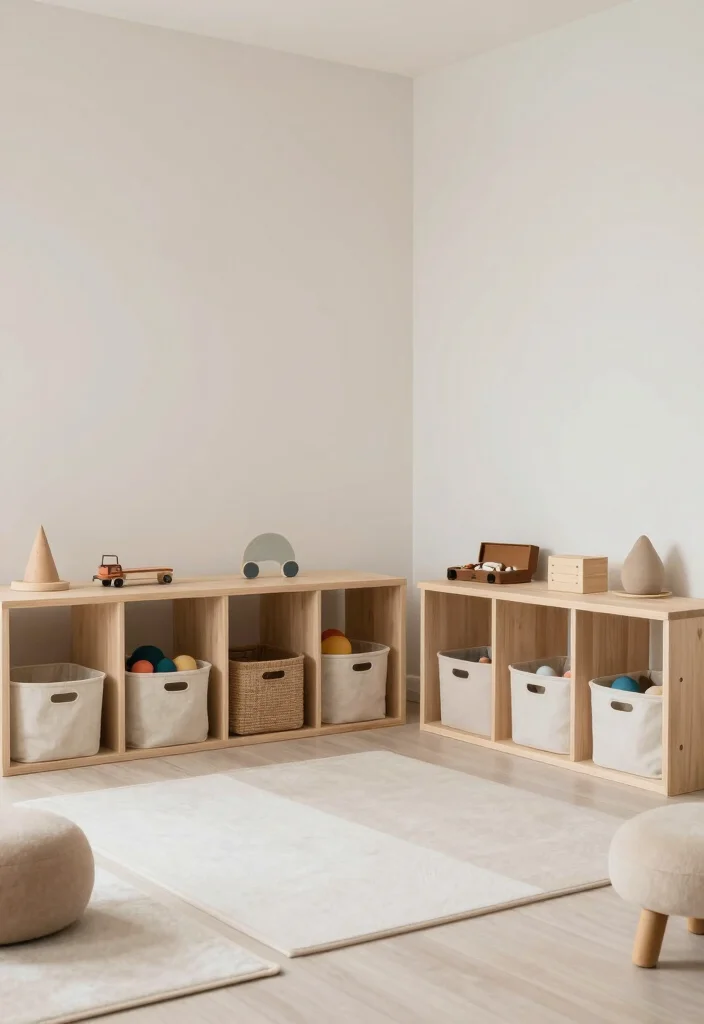
Embracing a minimalist design can create a serene playroom environment that encourages focus and creativity. Choose neutral colors paired with bright, playful accents to keep the space engaging yet calming. By limiting furniture and decor, your child’s toys become the central attraction, fostering a creative atmosphere.
A well-organized playroom can inspire imaginative play while providing a peaceful area for relaxation. Utilize bins or baskets to conceal toys when not in use, maintaining visual appeal and order.
Keep these points in mind:
– Reduce visual clutter for a calming effect
– Regularly declutter and rotate toys for freshness
– Ensure all items are safe and securely placed
This minimalist approach not only enhances your child’s play experience but also brings a sense of tranquility to your home.
Dimensions & Size Guide
When planning a toddler playroom in a small space, knowing the right dimensions and sizes is crucial. Understanding measurements helps you create a safe and enjoyable environment for your little one. Below, we provide a detailed size guide to help you plan effectively.
Standard Sizes & Measurements:
A toddler playroom should be both functional and safe. Here are some standard sizes and measurements to consider:
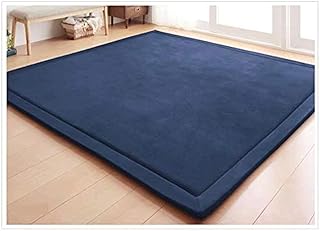
– Play Mats: Most play mats are typically 4×6 feet or 5×7 feet. Choose a size that fits comfortably within your space while allowing enough room for movement. A minimum of 3 feet of clear space around the mat is ideal for safe play.
– Furniture: When selecting furniture, look for pieces that are toddler-sized. Chairs should be around 12-14 inches high, and tables should be no more than 24 inches tall. Ensure there is at least 2-3 feet of walking space between furniture items.
– Storage Solutions: Consider vertical storage options. Shelves that are 36-48 inches high are great for organizing toys while keeping them accessible. Aim for at least 12 inches of depth for shelves to hold various bins and boxes securely.
Quick Reference Table:
Size/Dimension – Best for: [use case], Minimum space needed: [measurement]
– 4×6 feet play mat – Best for: Play area, Minimum space needed: 10×10 feet
– 12-14 inch high chairs – Best for: Toddler seating, Minimum space needed: 2×2 feet
– 36-48 inch tall shelves – Best for: Toy storage, Minimum space needed: 4×3 feet
– 24-inch high tables – Best for: Toddler activities, Minimum space needed: 4×4 feet
– 5×7 feet play area – Best for: Group play, Minimum space needed: 10×10 feet
Space Planning Tips:
1. Measure Twice: Always double-check measurements before buying furniture or storage solutions. Measure both the room size and the specific furniture items.
2. Leave Space for Movement: Ensure there’s enough room for your toddler to move freely. Aim for at least 3-4 feet of clear space for play activities.
3. Think Vertically: Use wall space wisely. Wall-mounted shelves or hooks can free up floor space and keep toys organized without crowding the area.
4. Keep Safety in Mind: Make sure that any furniture is stable and not more than 30 inches tall if your toddler can climb. Avoid sharp corners to reduce injury risks.
5. Avoid Clutter: Use bins and baskets to store toys. A clutter-free space is safer and more pleasant. Consider using furniture with built-in storage as a space-saving solution.
Pro Tip: The most important measurement to consider is the height of furniture. Ensure that everything is toddler-friendly and easily accessible. This encourages independence and safe interaction with their space.
10. Nature-Inspired Decor
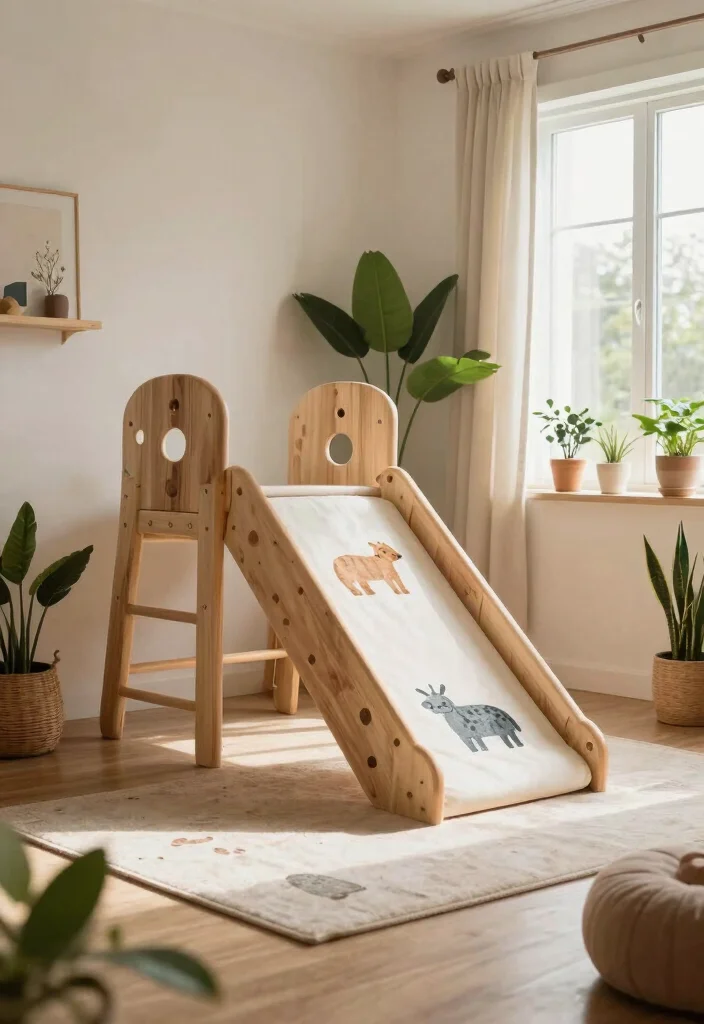
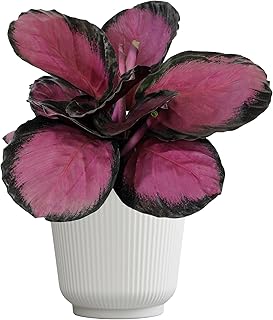
Incorporating nature-inspired decor into your toddler’s playroom can create a vibrant and inviting atmosphere. Use natural materials like wood and cotton, and choose a color palette filled with earthy tones to bring the outdoors in. Adding non-toxic plants can enhance the ambiance, fostering a love for nature while providing a lively environment.
Integrating nature-themed artwork or toys can enrich your child’s imaginative play, encouraging exploration and appreciation of the natural world. This decor style not only beautifies the space but also keeps it safe and engaging for play.
Consider these suggestions:
– Use playful animal motifs in decor or toys
– Incorporate textures and colors found in nature
– Ensure all plant selections are toddler-friendly
This approach not only beautifies the playroom but also enhances your child’s creativity and connection to nature.
I swear, nature-inspired decor makes tiny playrooms feel bigger. Use wood, cotton, and earthy tones, add 1-2 non-toxic plants, and suddenly your toddler playroom ideas small spaces become inviting, safe, and endlessly imaginative.
Nature-Inspired Decor
Editor’s Choice


11. Play Mats for Safety
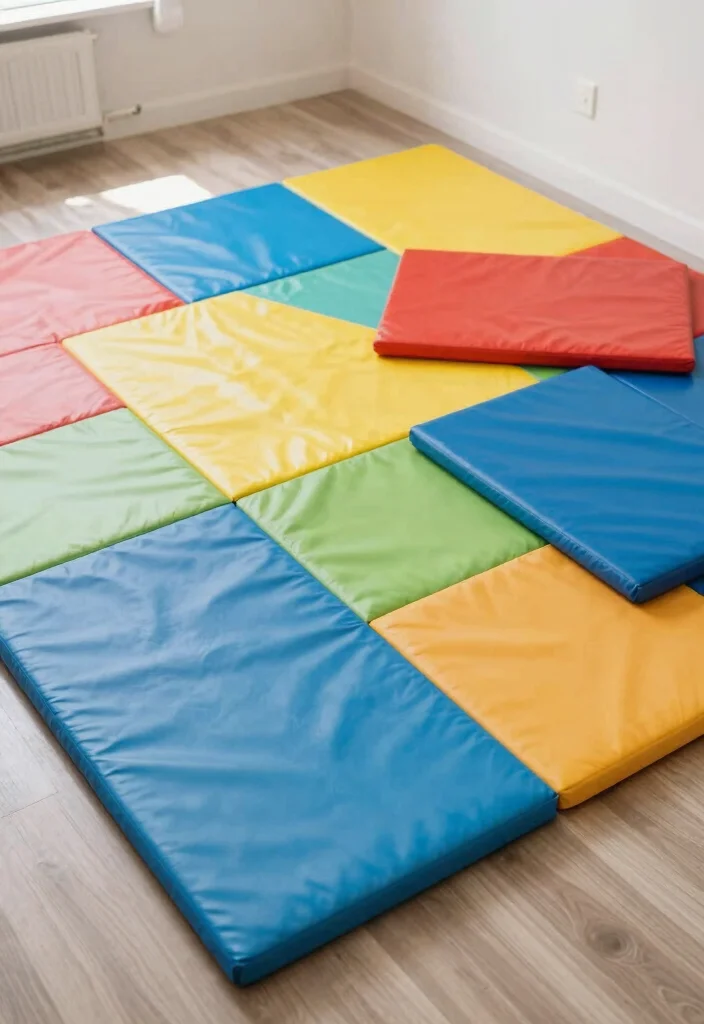
Prioritizing safety in a toddler playroom is essential, and play mats provide a cushioned area for your child. Opt for colorful, thick mats that offer soft landings for those inevitable tumbles. Play mats are practical for small spaces as they can be easily cleaned and stored when not in use.
Look for non-toxic options that are free from harmful chemicals, ensuring a safe play environment for your little one.
Keep these points in mind:
– Protect against falls with thick, cushioned mats
– Choose foldable or rollable mats for easy storage
– Regularly inspect mats for wear and tear
This thoughtful addition enhances safety while providing a fun space for exploration.
12. Safe DIY Craft Ideas
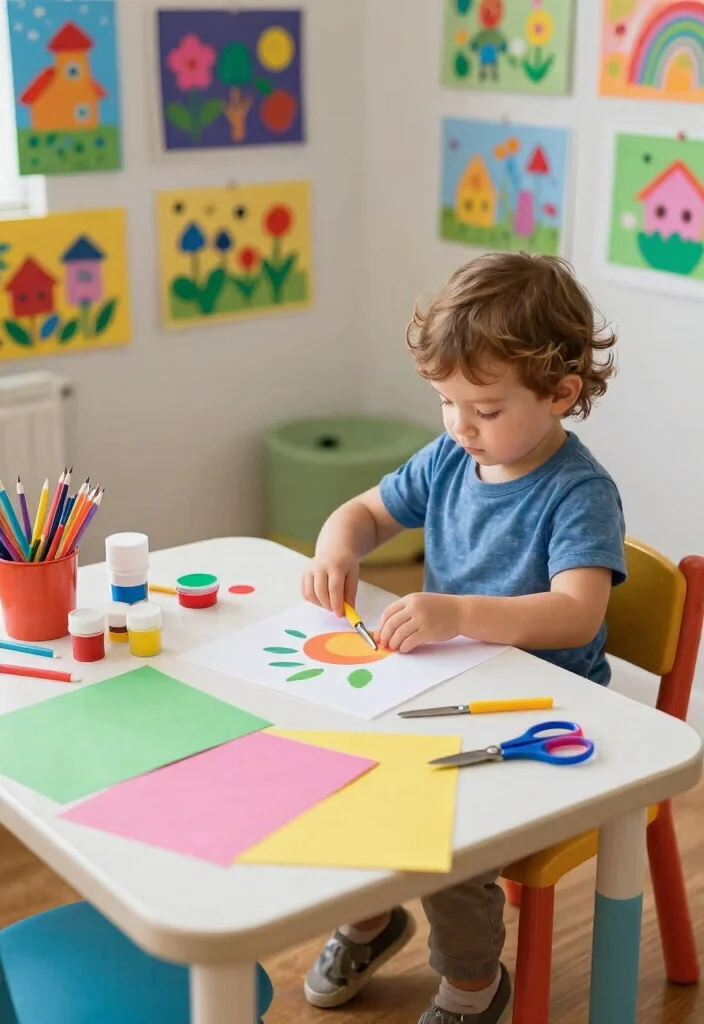
Involving your toddler in DIY crafts can foster a wonderful bonding experience while promoting creativity. Focus on safe, age-appropriate projects that utilize non-toxic materials, like paper collages or finger painting, providing hours of entertainment. Keeping supplies organized and accessible encourages independence, and always supervising crafting sessions ensures safety.
This hands-on approach not only enhances fine motor skills but also instills a sense of accomplishment in your child.
Consider these suggestions:
– Keep projects simple and manageable for young children
– Engage in seasonal crafts for added fun
– Use child-safe tools and materials for safety
This emphasis on creativity helps cultivate a safe environment for exploration and learning.
13. Portable Play Kits
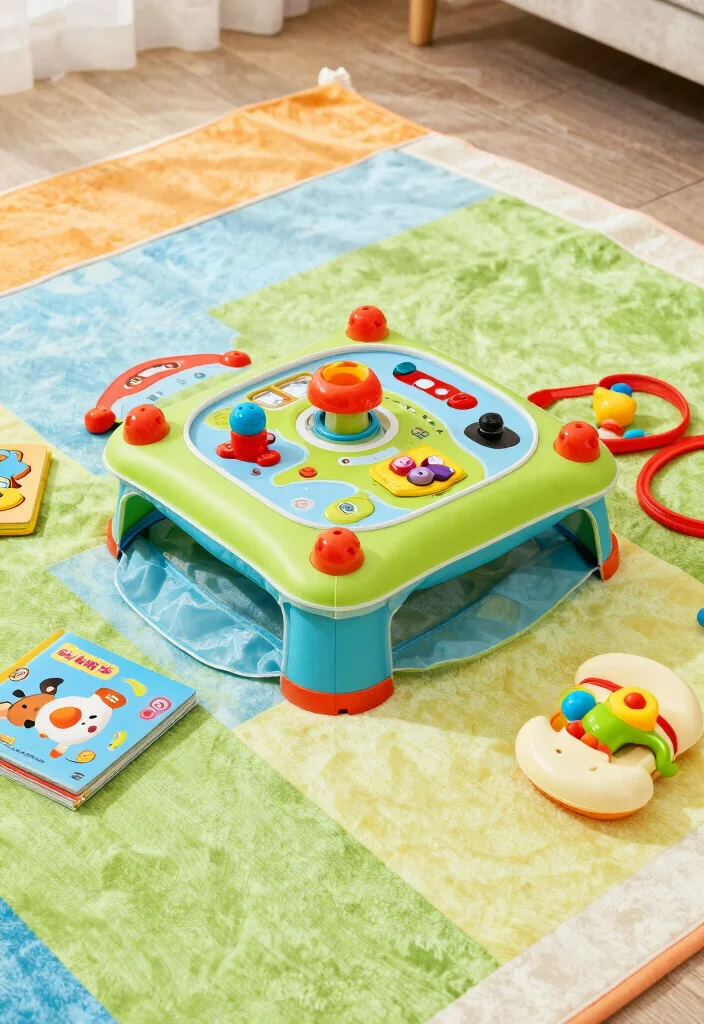
Creating portable play kits can be a fun way to bring the joy of play wherever you go. These kits can include toys, books, and games neatly organized in a small, easy-to-carry bag. This flexibility allows for play in various spaces without needing to establish a full play area each time.
Select durable, engaging items suitable for diverse environments, ensuring safe and enjoyable playtime.
Keep these points in mind:
– Encourage play anywhere with well-organized kits
– Rotate contents regularly for fresh experiences
– Ensure all materials are non-toxic and age-appropriate
This approach not only keeps your toddler entertained but also promotes organization and independence.
14. Child-Friendly Visuals
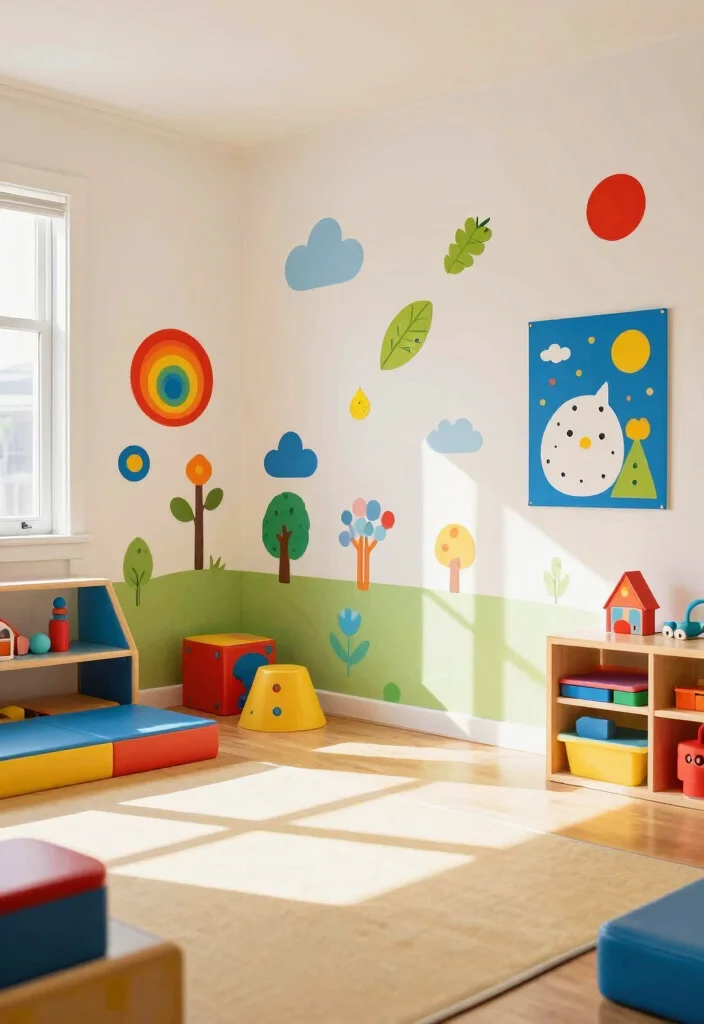
Incorporating child-friendly visuals in the playroom can significantly enhance engagement and learning. Bright colors, playful patterns, and captivating artwork on the walls stimulate interest and creativity. Interactive wall decals offer a fun way for toddlers to learn shapes or letters through play, making the environment both educational and enjoyable.
Ensure all visuals are non-toxic and easy to clean, creating a safe space for your little one to explore.
Consider these suggestions:
– Use educational themes to capture your child’s attention
– Change visuals periodically to keep the space exciting
– Secure all wall decor to avoid accidents
This thoughtful approach enhances the playroom’s aesthetic while fostering creativity and learning.
Fun fact: Bright, non-toxic visuals can boost toddler engagement by up to 20% during playtime. As part of toddler playroom ideas small spaces, interactive wall decals turn learning shapes and letters into hands-on fun, making rooms safer and more stimulating.
15. Flexible Play Spaces
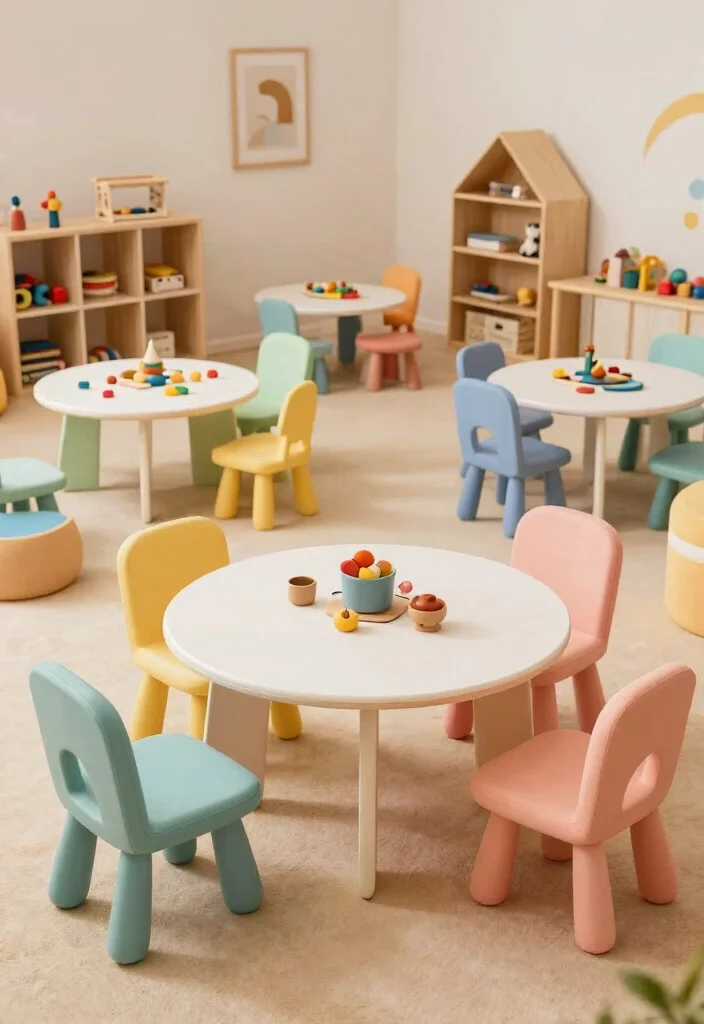
Designing a flexible play space allows your toddler to transition effortlessly between types of play. Using lightweight furniture that can be easily rearranged promotes a dynamic environment where exploration is encouraged. This adaptability fosters independence, allowing children to engage in various activities without feeling restricted.
Incorporating foldable items or modular furniture provides versatility, making it easy to adjust the layout as needed.
Keep these points in mind:
– Encourage diverse play experiences with flexible setups
– Involve your child in arranging the space for independence
– Ensure all furniture is stable but lightweight to prevent tipping
This design principle not only maximizes playtime but also creates a fun, safe environment for your little one.
Conclusion
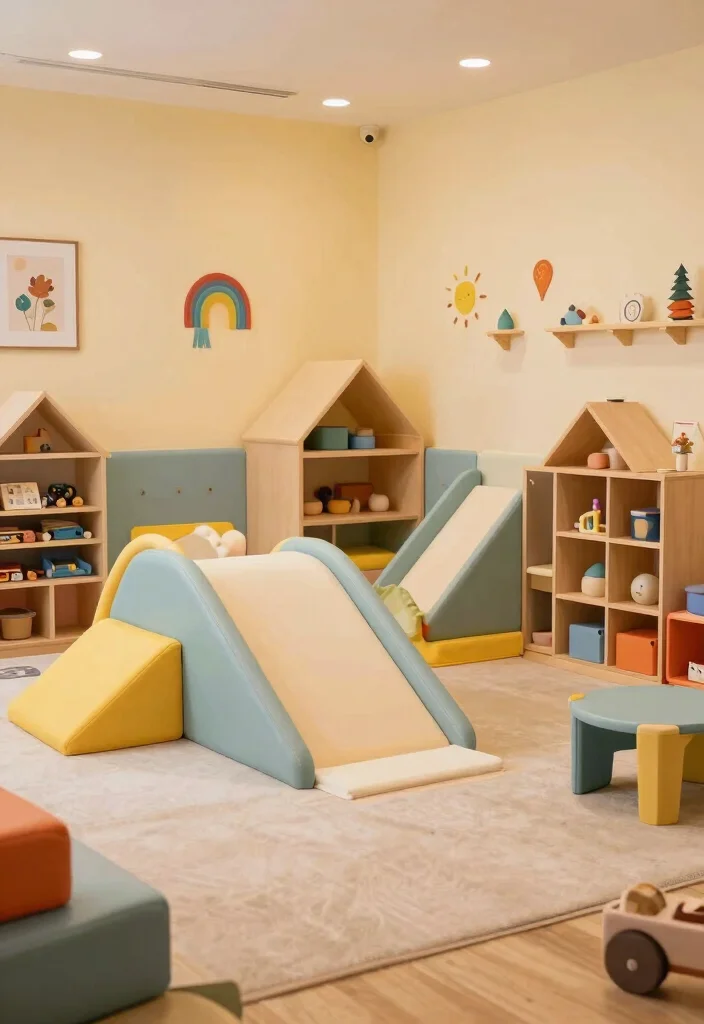
Designing a toddler playroom in a small space doesn’t have to be daunting. With thoughtful planning and creativity, you can create a safe and engaging environment where your little one can thrive. Embrace multifunctional furniture, creative storage, and cheerful decor to craft a space that inspires joy and exploration.
Let these ideas guide you in transforming your small space into a magical play haven for your toddler!
Note: We aim to provide accurate product links, but some may occasionally expire or become unavailable. If this happens, please search directly on Amazon for the product or a suitable alternative.
This post contains Amazon affiliate links, meaning we may earn a small commission if you purchase through our links, at no extra cost to you.
Frequently Asked Questions
What are the best toddler playroom ideas for small spaces to stay safe?
For toddler playroom ideas small spaces, start with vertical storage, soft flooring, and multifunctional furniture. Define small zones (play, reading, storage) in an open layout to maximize floor space without clutter. Use safe playroom tips like rounded edges, anchored shelves, and non-slip rugs to reduce hazards. Rotate toys and keep a simple creative storage solutions setup to make everything easy to reach and easy to tidy.
How can I design a toddler playroom in a small urban space without sacrificing safety and fun?
Begin with a compact footprint and smart layout that keeps play and storage integrated. Choose low-profile, anchored furniture and wall-mounted shelves to free floor space, then layer in soft mats and rounded corners for safety. Prioritize toddler playroom design that supports small space organization and easy access to toys, so play stays fun without chaos.
What are examples of multifunctional furniture for a toddler playroom in small spaces?
Think pieces that hide toys and invite play at the same time. A multifunctional furniture option could be a storage ottoman that doubles as seating, a fold-out playtable, or a wall-mounted activity station with built-in bins. Pair these with adjustable shelving and cushions to create a cozy, practical space with creative storage solutions that grow with your child.
How can I maximize storage creatively in a tiny toddler playroom?
Embrace vertical and accessible storage to keep small space organization simple. Use wall pockets, pegboards, labeled bins, and clear containers, plus slim rolling carts that tuck under tables. Rotate a portion of toys every few weeks so the space feels fresh and uncluttered, a key part of creative storage solutions for tiny rooms.
What safety considerations should I prioritize in a small space toddler playroom?
Anchor heavy furniture to walls, use rounded corners, and add non-slip rugs or mats to prevent slips. Keep cords, outlets, and small objects out of reach, and choose furniture with stable bases to avoid tipping. A thoughtful layout with safe playroom tips plus regular decluttering helps maintain a secure, calm play environment in any toddler playroom design.